The best WCAG compliance tool for most therapist websites is free: run WAVE or axe…
The billing features in a therapy EHR are where the subscription either earns its keep…
Two therapy websites can look equally professional and perform nothing alike. One quietly books consultations…
A telehealth-ready EHR gives you video sessions built into the same system as your notes,…
If you bill insurance for most of your caseload, pick TherapyNotes. If you’re cash-pay or…
SEO for private practices isn’t a mystery; it’s a sequence. Fix the technical basics first,…
Psychotherapy is the only corner of healthcare where HIPAA splits your documentation in two. The…
Local SEO for therapists comes down to three moves: set up your Google Business Profile…
The right therapy EHR is the one that matches how you bill, how you meet…
Hiring a website designer for your practice is a strange purchase. You’ll spend somewhere between…
The EHR that carried you through solo practice starts creaking the day you hire clinician…
Most therapists treat the client portal as a footnote when they shop for an EHR….
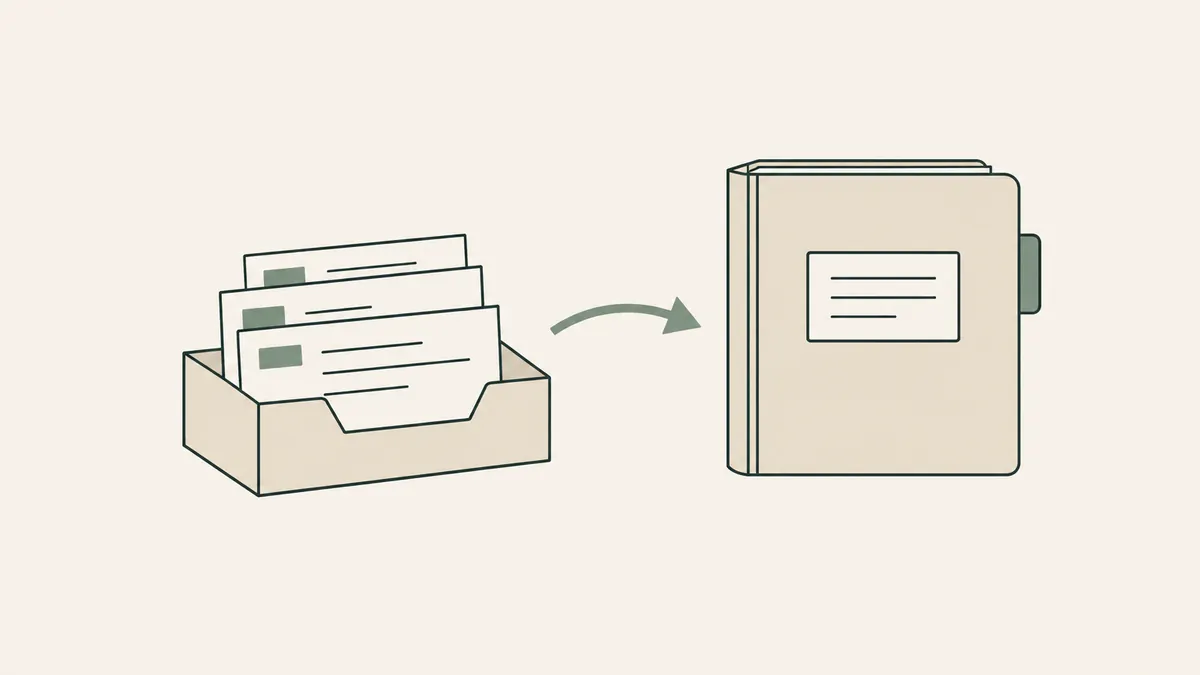
For therapists, integrating Electronic Health Records (EHR) systems is crucial for streamlining practice management, enhancing patient care, and ensuring compliance with health data regulations. A well-integrated EHR system can automate administrative tasks, improve record-keeping accuracy, and facilitate secure communication, ultimately freeing up valuable time for client interaction.
Key aspects of EHR integration include selecting a HIPAA-compliant system, ensuring compatibility with existing software, and providing adequate training for staff. Benefits often extend to improved billing processes, reduced paperwork, and enhanced data security, all contributing to a more efficient and effective therapeutic practice.
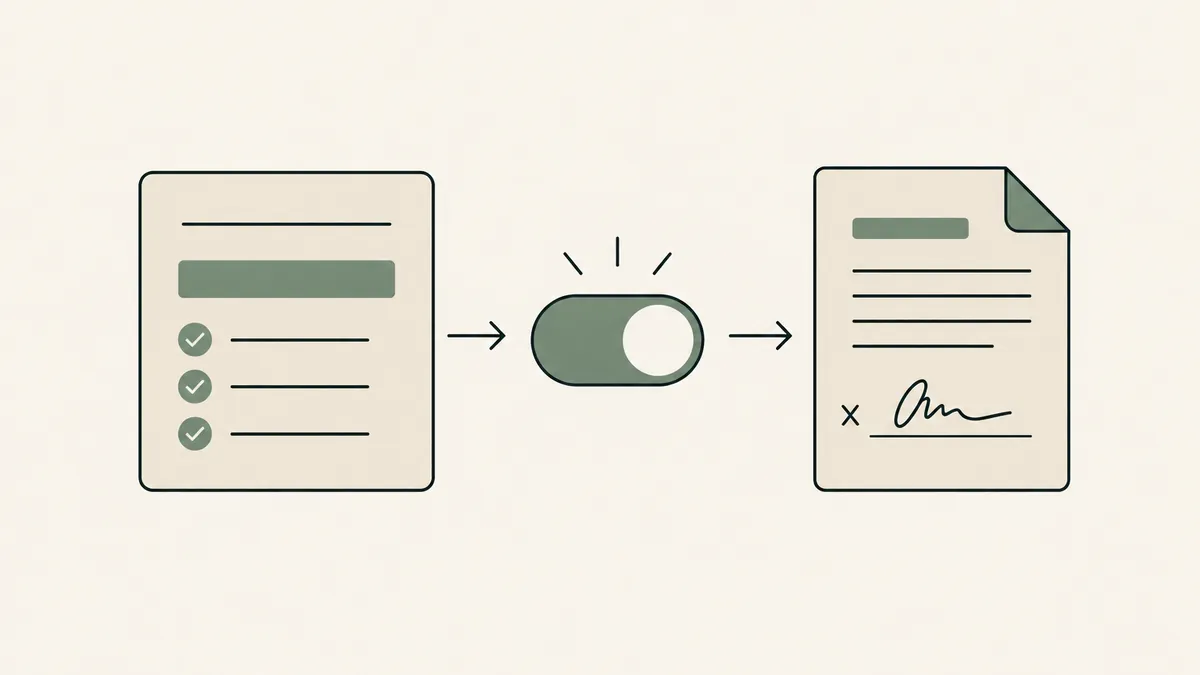
Telehealth software has become an indispensable tool for therapists, enabling them to reach a wider client base and offer flexible service delivery options. By embracing telehealth, mental health professionals can overcome geographical barriers, provide convenient access to care, and adapt to the evolving needs of their clients.
Effective utilization of telehealth software involves choosing platforms that offer robust security features, user-friendly interfaces for both therapists and clients, and reliable video and audio quality. Features such as secure messaging, appointment scheduling, and integrated payment processing further enhance the value proposition for practices looking to expand their reach and service offerings.
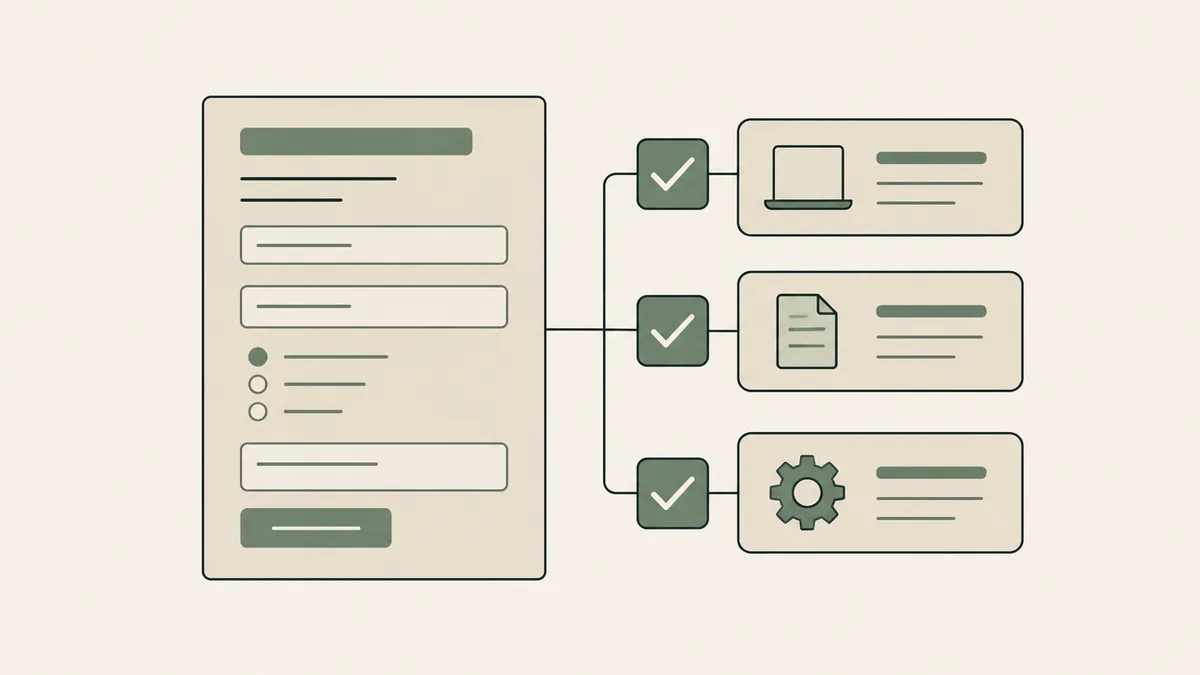
Website User Experience (UX) is paramount for therapists aiming to create an inviting and effective online presence. A positive UX ensures that potential clients can easily navigate the website, find the information they need, and feel confident in the therapist's professionalism and approach. Poor UX, conversely, can lead to high bounce rates and lost opportunities.
Key elements of good UX for therapist websites include clear navigation, fast loading speeds, mobile responsiveness, and accessible contact information. Designing with the user's journey in mind—from initial search to booking an appointment—helps build trust and encourages engagement, ultimately supporting practice growth.
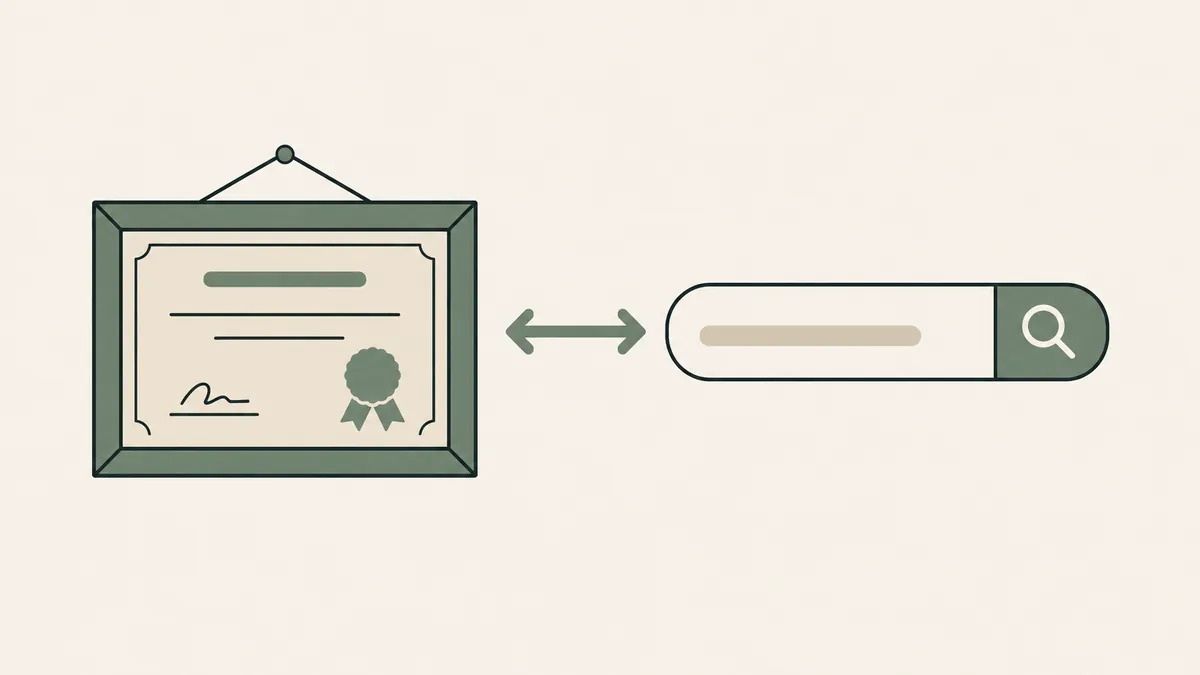
Therapy directories serve as vital platforms for therapists to connect with potential clients actively seeking mental health support. Optimizing your profile within these directories is essential for increasing visibility, attracting relevant inquiries, and converting prospects into clients. A well-crafted directory listing can significantly impact a therapist's client acquisition strategy.
To maximize effectiveness, therapists should ensure their directory profiles are complete, accurate, and compelling. This includes using high-quality professional photos, writing detailed and keyword-rich descriptions of their specializations and therapeutic approach, and clearly outlining their services and availability. Regularly updating these profiles and encouraging client reviews can further boost their ranking and appeal within the directory.