
If your only online presence is a profile on Psychology Today or Headway — you don’t own your brand. You’re renting it.
Every month, you pay a platform to list you alongside dozens of other therapists. If that platform changes its algorithm or raises its prices? Your practice disappears overnight.
This guide is for therapists who are ready to move beyond directory dependence — and build a digital home they actually own.
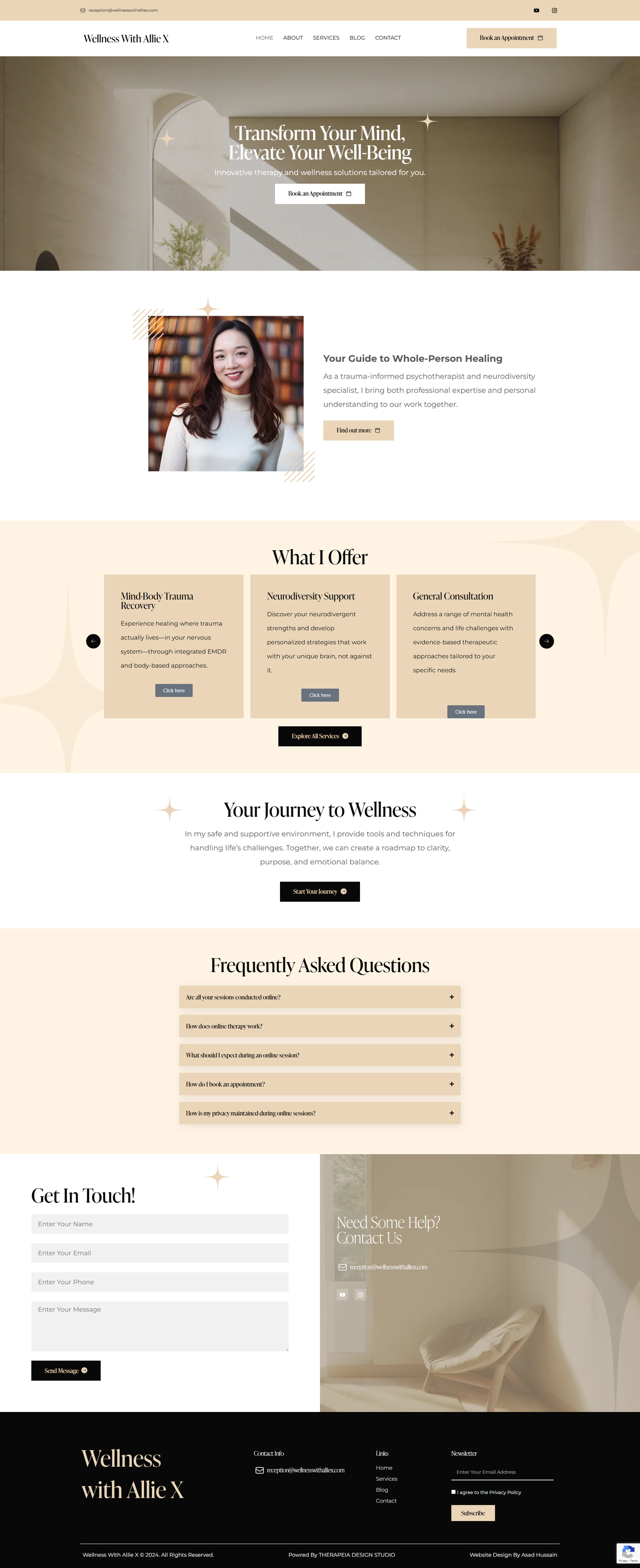
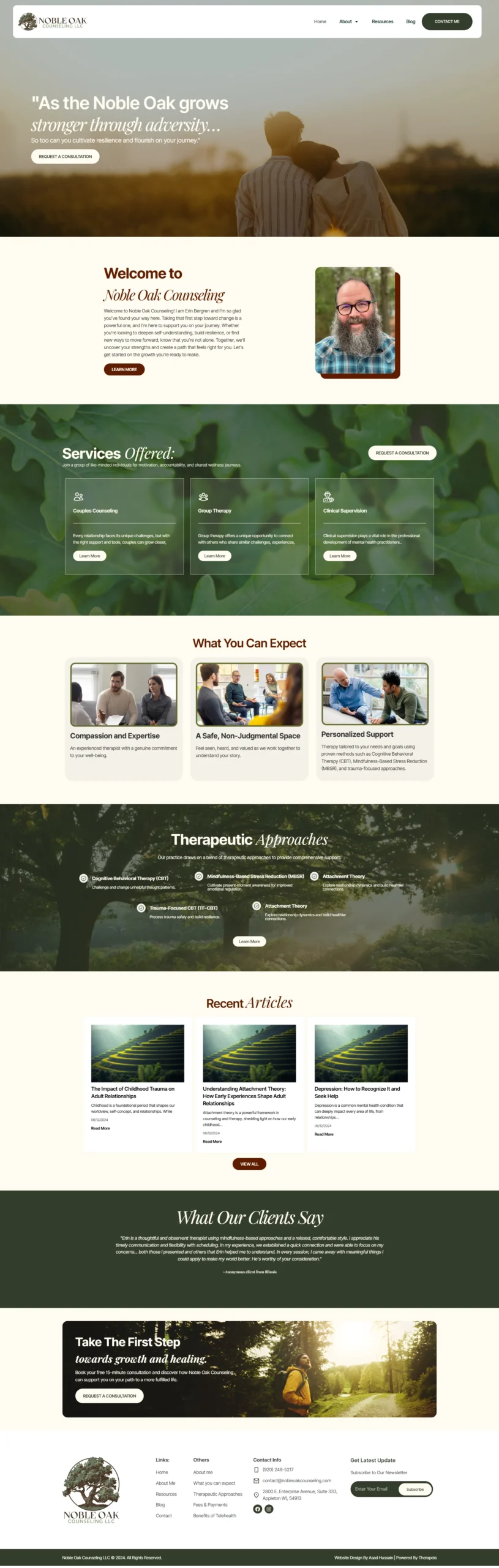
Therapist directories serve a real purpose. When you’re just starting out, platforms like
Psychology Today and Zocdoc give you instant visibility while you’re building your
reputation. That’s legitimate.
The problem is when therapists treat directories as a long-term growth strategy — and
stay stuck there for years.
“A profile on Psychology Today is the equivalent of renting a desk in a shared office. It works for a season. But it’s not your practice.”

Psychology Today charges around $29.95/month. GoodTherapy runs $29.95–$39.95/month. Headway takes a cut of your insurance reimbursements. Over 3 years, you could easily spend $1,000–$2,000+ on directory fees — with nothing to show for it if you cancel. A professionally built website, by contrast, is an asset that belongs to you and compounds in value.
On a directory, your profile sits next to 20–50 other therapists in the same city with the same specialties. Clients make split-second decisions based on your photo and a two- sentence bio. You have almost no space to communicate what makes you different, why your approach works, or who you're truly the right fit for.
When someone Googles "therapist in [your city]" and clicks a Psychology Today link, that click belongs to Psychology Today — not to you. You get no Google ranking credit, no backlink authority, and no long-term search presence from that click. Your own website, publishing content on your specialties, builds authority that is permanently yours.
Directories give you a text box. Your website gives you a canvas. You can share your therapeutic approach in depth, publish blog posts that educate ideal clients, feature video introductions, showcase testimonials, and build the kind of trust that converts curious visitors into booked consultations.
When you publish consistent, keyword-optimized content about anxiety therapy, EMDR, couples counseling, or any other specialty, Google learns to send clients searching for exactly those things directly to you bypassing directories entirely.
85% of clients research a therapist online before ever reaching out. A website that tells your story, explains your approach, and reflects your personality builds enough trust that clients arrive at consultations already confident in choosing you.
An optimized website with clear calls to action, a streamlined booking flow, and trust signals (testimonials, credentials, specialties) works around the clock to fill your calendar — even while you’re in session.
With your own website, you can optimize for searches like “EMDR therapist in Detroit” or “trauma therapist near me” and actually rank not just appear in a filtered directory list. Local SEO is one of the highest-ROI strategies for private practices.
Your website enables you to grow an email list, publish educational content, and develop authority in your niche. This opens doors to speaking, consulting, courses, and referrals from other professionals revenue streams that directories can never provide
Ready to get started? Fill out a quick inquiry form and we’ll help you find the right support based on your needs, availability, and goals. It only takes a minute to begin.
You don’t need to abandon directories overnight. The right strategy is to build your website and let it gradually replace your directory dependence not eliminate directories as a starting point.
The therapists who thrive long-term are not those who optimize their Psychology Today profile. They’re the ones who build a professional website and treat it as a long-term growth asset.
At Therapeia Web Design, we don’t build generic websites. We build Clinical User Journeys websites engineered to convert the right clients from the very first page visit.
We’ve built websites for therapists across the USA, UK, and Canada from solo practitioners to group practices. Our clients stop renting their online presence and start owning it.
Yes. A Psychology Today profile is a listing not a brand. It doesn’t rank your name on Google, doesn’t let you tell your story, and doesn’t build long-term SEO equity. It’s a starting tool, not a growth strategy
With proper SEO foundations, most therapist websites begin seeing local search traction within 3–6 months. Consistent content publishing accelerates this. Directories take years to dominate your own site can outrank them in your local market within a year.
Therapeia offers full clinical content strategy and copywriting as part of our website packages. We write your service pages, about page, and can build a blog content calendar tailored to your specialties.
Therapeia offers packages starting with Website in a Week a streamlined, professional website delivered in 5 business days. Custom builds with full SEO infrastructure are also available. Book a free strategy call to get a recommendation based on your goals.


private practice website design, therapeia web design vs your therapy website, psychotherapy directories vs websites, therapy directories vs websites
While therapist directories can provide initial exposure, they come with significant limitations that can hinder long-term growth. These platforms often lack the ability to showcase your unique brand identity, and they limit your engagement with potential clients by placing you alongside numerous other therapists.
For example, when potential clients search for therapy services, they are often overwhelmed by the sheer number of options available in directories. This competition makes it difficult for individual therapists to stand out, ultimately reducing the chances of converting inquiries into actual clients.
Investing in your own website is a strategic move that pays off in the long run. A personal website not only establishes your brand but also allows you to control your narrative, presenting your therapeutic approach, specialties, and client testimonials in a way that resonates with your target audience.
Moreover, a well-optimized website contributes to your SEO efforts, enabling you to rank for specific keywords related to your practice. This means that over time, your website will attract organic traffic, leading to a steady stream of potential clients who are actively searching for your services.
Transitioning from relying on directories to owning your website can seem daunting, but it's a necessary step for sustainable growth. Start by assessing your current online presence and identifying the key elements you want to incorporate into your new site, such as your brand's story, client testimonials, and service offerings.
Additionally, consider creating a timeline for this transition, allowing for a gradual phasing out of directory reliance. This approach not only helps you maintain client inquiries during the transition but also gives you time to build and optimize your new website effectively.
A successful therapist website should include several essential features that enhance user experience and conversion rates. These features often include clear calls to action, an easy-to-navigate layout, and informative content that addresses common client concerns and questions.
Furthermore, incorporating elements such as a blog for sharing insights, a resource section for clients, and secure contact forms can significantly improve client engagement. These features not only showcase your expertise but also help build trust with potential clients before their first session.