
Frequently Asked Questions
How can I create a professional website for my therapy practice?
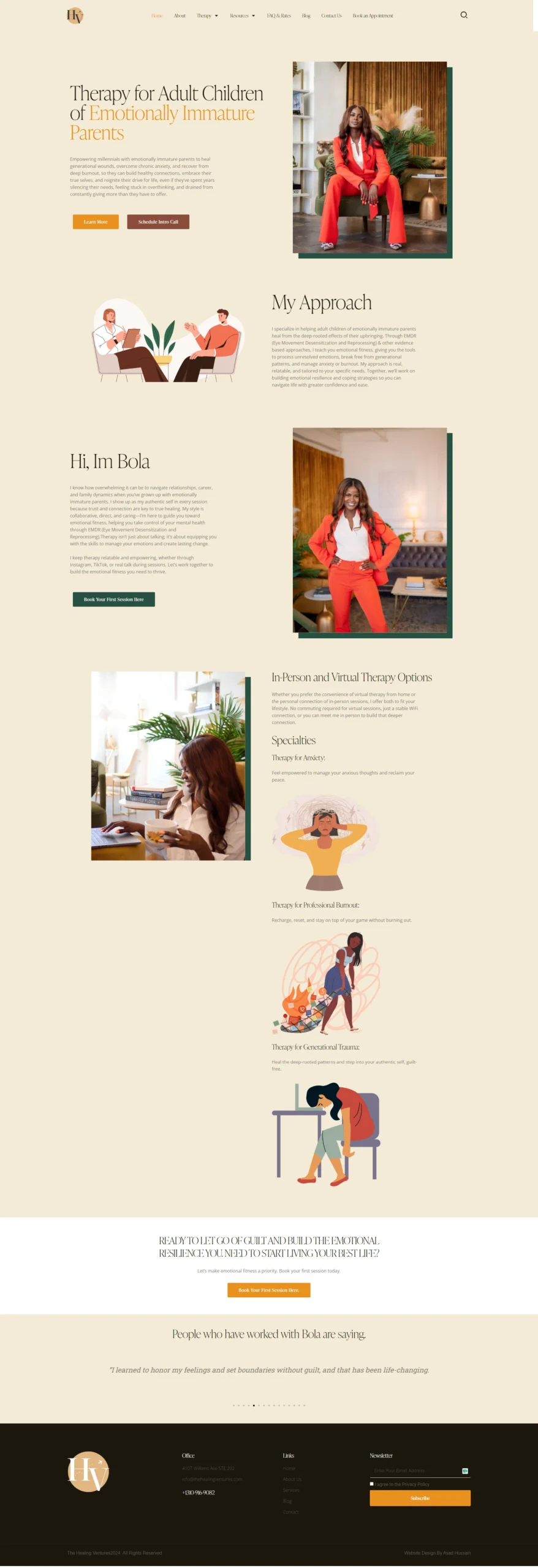
Creating a professional website for your therapy practice involves selecting a user-friendly platform, ensuring a secure and responsive design, and incorporating essential features like appointment scheduling and contact forms to enhance client engagement.
What features should I include in a coach website?
The essential features to include in a coach website are a professional bio, service descriptions, a blog for insights, client testimonials, a contact form, and a secure booking system to facilitate client engagement and streamline appointments.
How does a well-designed website benefit therapists?
A well-designed website benefits therapists by enhancing their online presence, attracting potential clients, and facilitating easy communication. It also establishes credibility and trust, which are essential for building client relationships in the mental health field.
What are the best practices for web design tailored to mental health professionals?
The best practices for web design tailored to mental health professionals include creating a user-friendly interface, ensuring mobile responsiveness, prioritizing security, and incorporating clear calls to action. These elements enhance client engagement and foster trust in your services.
How can I enhance my online presence as a therapist?
Enhancing your online presence as a therapist involves creating a professional, user-friendly website that showcases your services, engages potential clients, and includes SEO strategies to improve visibility.
What design elements attract therapy clients?
The design elements that attract therapy clients include calming color palettes, intuitive navigation, professional imagery, and clear calls to action. These features create a welcoming atmosphere, fostering trust and encouraging potential clients to engage with your services.
How can I optimize my therapy website?
Optimizing your therapy website involves ensuring it is user-friendly, mobile-responsive, and secure. Focus on clear navigation, high-quality content, and SEO best practices to enhance visibility and attract potential clients effectively.
What content engages potential therapy clients?
Engaging potential therapy clients involves creating informative, empathetic content that addresses their concerns, offers insights into mental health topics, and showcases your expertise. Personal stories, helpful resources, and clear service descriptions can also foster trust and connection.
How to ensure website security for therapists?
Ensuring website security for therapists involves implementing SSL certificates, using secure hosting services, regularly updating software, and employing strong password policies to protect sensitive client information and maintain trust.
What is the ideal layout for a coach website?
The ideal layout for a coach website includes a clean, user-friendly design with clear navigation, an engaging homepage, dedicated service pages, client testimonials, and a blog for sharing insights, all optimized for mobile responsiveness.
How can I improve my sites loading speed?
Improving your site's loading speed involves optimizing images, minimizing code, leveraging browser caching, and using a reliable hosting service. These steps enhance user experience and boost your site's performance.
What SEO strategies work for therapy websites?
Effective SEO strategies for therapy websites include optimizing for local search, using relevant keywords related to mental health services, creating high-quality content that addresses client needs, and ensuring the website is mobile-friendly and secure.
How to create a blog for my practice?
Creating a blog for your practice involves selecting a user-friendly platform, defining your target audience, and regularly posting valuable content that addresses their needs. Consider integrating your blog with your website for seamless client engagement.
What images should I use on my website?
The images you should use on your website should reflect your practice and resonate with your target audience. Opt for professional, high-quality images that convey warmth and trust, such as serene landscapes, calming colors, or images of people engaging in therapy or coaching sessions.
How can testimonials enhance my therapy site?
Testimonials can enhance your therapy site by building trust and credibility with potential clients. Positive feedback from past clients showcases your effectiveness and encourages new visitors to engage with your services.
What color schemes are effective for therapists?
Effective color schemes for therapists typically include calming hues like soft blues, greens, and neutrals. These colors promote a sense of tranquility and safety, helping clients feel more at ease during their sessions.
How to integrate booking systems on my website?
Integrating booking systems on your website involves selecting a suitable booking software, embedding it into your site using provided code or plugins, and customizing it to match your branding. This enhances client convenience and streamlines appointment scheduling.
What is the role of mobile responsiveness?
The role of mobile responsiveness is to ensure that websites function seamlessly across various devices, providing an optimal user experience for visitors on smartphones and tablets. This adaptability enhances accessibility, engagement, and ultimately supports client growth for therapists and coaches.
How can I use social media for my practice?
Using social media for your practice involves sharing valuable content, engaging with your audience, and promoting your services to build a supportive community. Focus on platforms that resonate with your target clients to enhance visibility and connection.
What are common mistakes in therapy website design?
Common mistakes in therapy website design include cluttered layouts, lack of mobile responsiveness, inadequate security measures, and insufficient information about services. These issues can hinder user experience and reduce client engagement.
How to write effective calls to action?
Writing effective calls to action involves using clear, action-oriented language that creates urgency and encourages user engagement. Focus on the benefits of taking action and ensure the CTA stands out visually on your website.
What privacy policies should therapists include?
Therapists should include privacy policies that outline how client information is collected, used, stored, and protected. Key elements include confidentiality measures, data retention practices, and client rights regarding their personal information.
How can I track website performance metrics?
Tracking website performance metrics involves using tools like Google Analytics, which provide insights into visitor behavior, traffic sources, and engagement levels. Regularly reviewing these metrics helps optimize your site for better user experience and client engagement.
What plugins are essential for coach websites?
Essential plugins for coach websites include scheduling tools for appointments, contact forms for inquiries, SEO plugins for visibility, and security plugins to protect client data. These enhance functionality and improve user experience, crucial for attracting and retaining clients.
How to create engaging content for therapists?
Creating engaging content for therapists involves sharing valuable insights, personal stories, and practical tips that resonate with clients. Focus on addressing common challenges, promoting mental wellness, and using relatable language to foster connection and trust.
What are the benefits of a custom domain?
The benefits of a custom domain include enhanced professionalism, improved brand recognition, and increased trust from potential clients. It also facilitates easier website navigation and can positively impact search engine rankings, boosting your online presence.
How can I showcase my qualifications online?
Showcasing your qualifications online involves creating a professional website that highlights your credentials, experience, and specialties. Include an "About Me" section, certifications, and client testimonials to build credibility and attract potential clients.
What features improve user experience on therapy sites?
The features that improve user experience on therapy sites include intuitive navigation, responsive design, secure client portals, clear contact information, and accessible resources. These elements enhance engagement and facilitate a supportive online environment for clients.
How to use analytics to improve my website?
Using analytics can significantly enhance your website's performance. By tracking visitor behavior, you can identify which pages engage users most, optimize content accordingly, and improve navigation, ultimately leading to a better user experience and increased client engagement.
What should be included in a homepage?
A homepage should include a clear introduction to your services, an engaging call to action, easy navigation links, contact information, and testimonials to build trust with potential clients.