How Google SEO Beats Therapist Directories for Client Acquisition
In the evolving landscape of mental health services, therapist directories are increasingly overshadowed by the dominance of Google. This shift is primarily due to the changing behaviors of potential clients who now prefer the immediacy and personalization that search engines offer. In this article, we will explore the limitations of therapist directories, potential solutions for therapists, and effective SEO strategies that can help grow their practices. By understanding the decline of these directories and leveraging Google’s capabilities, therapists can enhance their visibility and client acquisition efforts. We will also discuss local SEO practices, the benefits of professional website design, and how to transition successfully from directories to a more robust online presence.
How Google SEO Beats Therapist Directories for Client Acquisition
Therapist directories have several limitations that hinder their effectiveness in client acquisition. One major issue is visibility; many directories are overcrowded, making it difficult for individual therapists to stand out. Additionally, the lack of personalization in directory profiles can lead to a disconnect between therapists and potential clients, as these profiles often fail to convey the unique qualities of each practitioner. Trust and credibility are also significant challenges, as clients may question the authenticity of reviews and the qualifications of listed therapists.
Potential Solutions for Therapists
To improve client acquisition, therapists can adopt several strategies that move beyond traditional directories. Here are some effective solutions:
- Invest in a Personal Website: A dedicated website allows therapists to showcase their services, share their philosophy, and connect with clients on a personal level.
- Implement SEO Strategies: By optimizing their online presence for search engines, therapists can increase their visibility and attract more clients.
- Engage in Content Marketing: Creating valuable content, such as blog posts and videos, can establish therapists as thought leaders in their field and build trust with potential clients.
Effective SEO Strategies for Therapists
Implementing effective SEO strategies is crucial for therapists looking to enhance their online visibility. Here are some key strategies:
- Keyword Research and Optimization: Identifying relevant keywords that potential clients are searching for can help therapists tailor their content to meet these needs.
- On-Page SEO Techniques: Optimizing website elements such as titles, meta descriptions, and headers can improve search engine rankings.
- Local SEO Strategies: Focusing on local SEO can help therapists attract clients in their geographic area, making it easier for potential clients to find them.
Why Are Therapist Directories Declining in Effectiveness?
The decline of therapist directories can be attributed to several factors. One significant reason is the increasing dependence on third-party platforms, which limits therapists’ control over their branding and client relationships. Additionally, many directories lack unique branding, making it challenging for therapists to differentiate themselves. This mediates client relationships, as potential clients may feel disconnected from the therapists listed.
How Do Therapist Directories Compare to Google SEO for Visibility?
When comparing therapist directories to Google SEO, several differences emerge. Directories may offer immediate visibility, but they often lack the long-term growth potential that comes with effective SEO strategies. Therapists who optimize their websites for Google can gain greater control over their branding and messaging, leading to more meaningful connections with clients. Furthermore, the quality of leads generated through Google SEO tends to be higher, as clients actively searching for services are often more engaged and ready to book appointments.
How Can Therapists Leverage Local SEO to Enhance Online Presence?

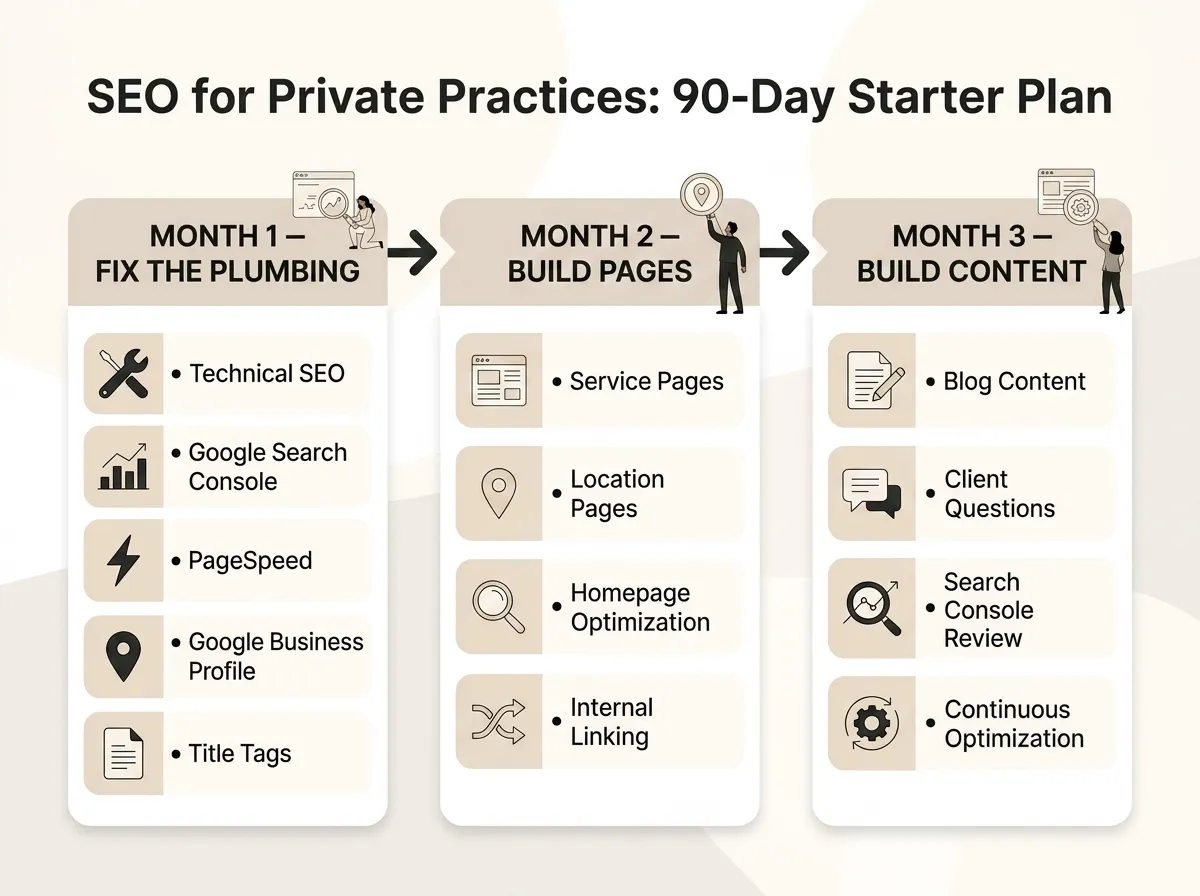
Local SEO is a powerful tool for therapists looking to enhance their online presence. By optimizing their Google Business Profile, therapists can improve their visibility in local search results. Incorporating local keywords into their website content and managing online reviews are also essential strategies. These practices not only help therapists appear in local searches but also build trust with potential clients.
What Are the Best Local SEO Practices for Therapists?
To maximize the benefits of local SEO, therapists should consider the following best practices:
- Complete Google Business Profile: Ensure that all information is accurate and up-to-date, including services offered and contact details.
- Use Local Keywords: Incorporate keywords that reflect the local area to attract clients searching for services nearby.
- Create Location-Specific Content: Develop content that addresses local issues or concerns, which can resonate more with potential clients.
How Does Google My Business Improve Therapy Practice Visibility?
Google My Business (GMB) plays a crucial role in enhancing therapy practice visibility. By optimizing their GMB profile, therapists can benefit from local search optimization, which increases their chances of appearing in local search results. Client reviews and engagement through GMB can also enhance credibility, as potential clients often rely on reviews to make informed decisions. Regular updates and posts on GMB can keep the profile active and engaging, further attracting potential clients.
What Are the Benefits of Professional Therapy Website Design?

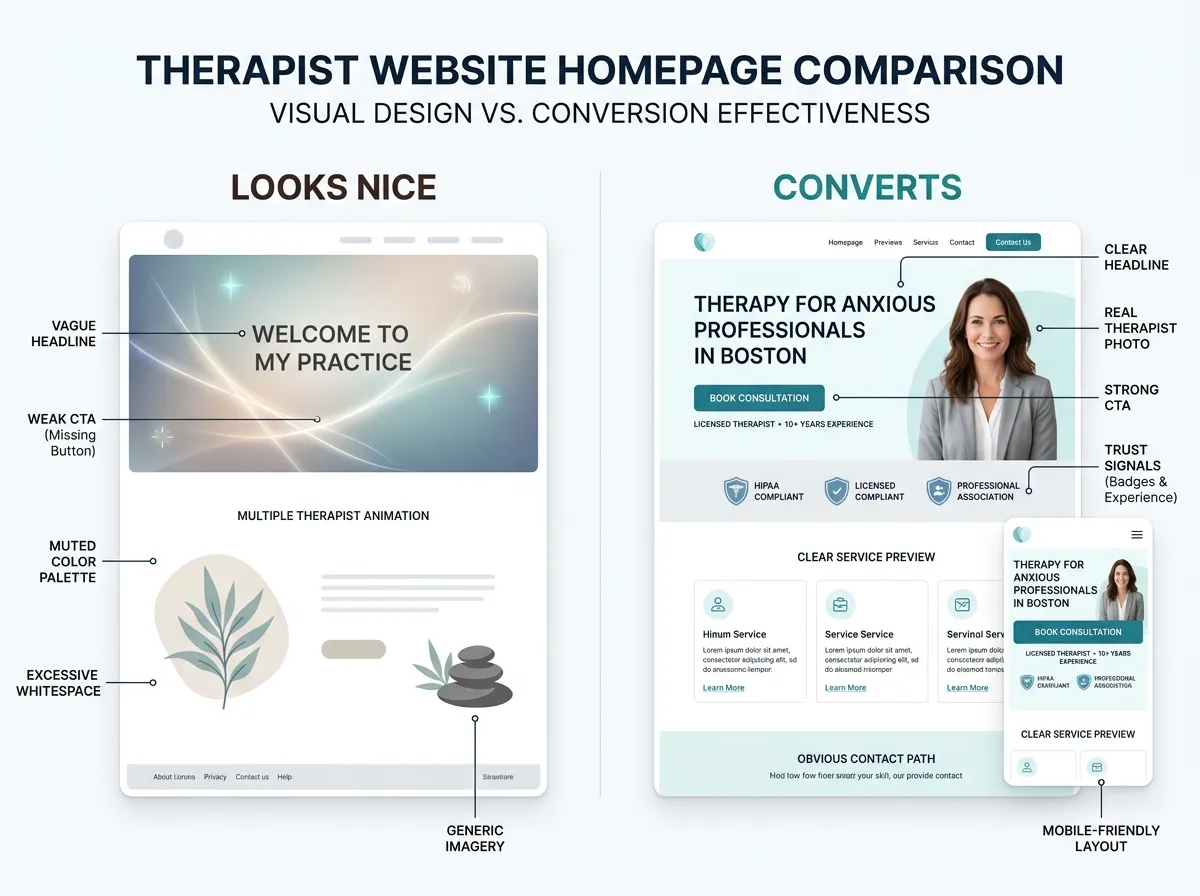
A professional therapy website design offers numerous benefits that can significantly impact client acquisition. Key advantages include:
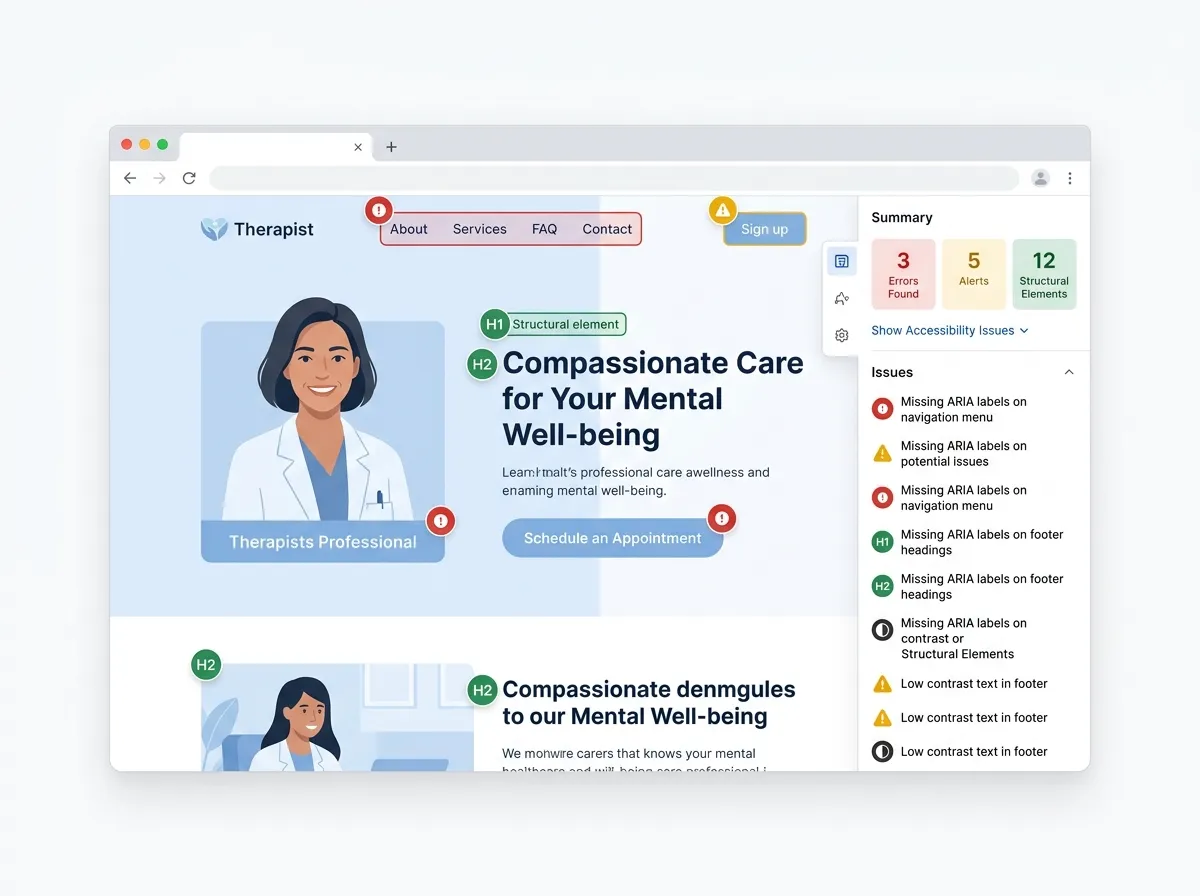
- Intuitive Navigation and User Experience: A well-designed website ensures that potential clients can easily find the information they need, leading to a better user experience.
- SEO Optimization: Professional designs often incorporate SEO optimization best practices, improving search engine rankings and visibility.
- Increased Conversion Rates: A visually appealing and functional website can lead to higher conversion rates, as clients are more likely to book appointments through a user-friendly interface.
For therapists looking to enhance their online presence, partnering with a specialized web design company can provide tailored solutions that align with their specific needs.
How Does Custom Website Design Improve Client Conversion?
Custom website design can significantly improve client conversion rates by creating a unique online identity for therapists. A well-crafted website reflects the therapist’s brand and values, making it easier for potential clients to connect. Improved user experience, such as streamlined navigation and clear calls to action, encourages visitors to take the next step, whether that’s booking an appointment or reaching out for more information. Additionally, integrating online booking systems can simplify the process for clients, further enhancing conversion potential.
Why Is Therapy-Specific SEO Integration Essential in Website Design?
Integrating therapy-specific SEO into website design is essential for maximizing online visibility. This involves optimizing for relevant keywords, ensuring that content marketing strategies align with SEO goals, and implementing local SEO techniques. By focusing on these elements during the design process, therapists can create a website that not only looks professional but also performs well in search engine rankings, ultimately driving more traffic and potential clients to their practice.
What Are the Latest Therapy Marketing Trends for 2026?
As we look towards 2026, several marketing trends are emerging in the therapy space. These include:
- Enhanced Online Presence: Therapists are increasingly focusing on building a strong online presence through websites and social media.
- AI Integration in Marketing: The use of artificial intelligence for personalized marketing strategies is on the rise, allowing therapists to tailor their outreach efforts.
- Telehealth and Digital Innovations: The growth of telehealth services continues to shape how therapists connect with clients, making digital marketing strategies more important than ever.
How Are SEO Trends Shaping Therapist Client Acquisition?
SEO trends are significantly shaping how therapists acquire clients. The focus on keyword optimization and content marketing is becoming more pronounced, as therapists recognize the importance of being found online. Local SEO techniques are also gaining traction, allowing therapists to connect with clients in their area more effectively. Additionally, user experience and website design are critical factors that influence client acquisition, as potential clients are more likely to engage with websites that are easy to navigate and visually appealing.
What Alternatives to Therapist Directories Are Emerging?
As therapist directories decline, several alternatives are emerging that offer more effective client acquisition strategies. These include:
- Personal Websites: Therapists are increasingly investing in their own websites to establish a direct connection with potential clients.
- Social Media Marketing: Platforms like Instagram and Facebook are being used to engage with clients and share valuable content.
- Content Marketing: Creating informative and relevant content helps therapists build authority and trust with potential clients.
How Can Therapists Transition from Directories to Google SEO Successfully?
Transitioning from directories to Google SEO requires a strategic approach. Therapists should start by building a professional website that reflects their brand and services. Optimizing for local SEO is crucial, as it helps attract clients in their geographic area. Creating valuable content that addresses client needs can also enhance visibility and establish therapists as experts in their field.
What Are the Step-by-Step Strategies for Moving Away from Directories?
To successfully move away from directories, therapists can follow these step-by-step strategies:
- Build a Professional Website: Create a website that showcases services and provides valuable information to potential clients.
- Optimize Google Business Profile: Ensure that the profile is complete and accurately reflects the practice.
- Create Valuable Content: Develop content that addresses common client concerns and showcases expertise.
How Do Case Studies Demonstrate the Impact of SEO-Focused Web Design?
Case studies have shown that SEO-focused web design can lead to significant increases in client inquiries. For instance, practices that implemented targeted SEO strategies reported notable increases in website traffic and appointment bookings within a defined period. These results highlight the importance of integrating SEO into web design to enhance client engagement and conversion rates.
How to Measure and Monitor SEO Success for Therapy Practices?
Measuring and monitoring SEO success is essential for therapy practices looking to improve their online presence. Key strategies include:
- Track Organic Traffic: Use analytics tools to monitor the number of visitors coming from search engines.
- Monitor Keyword Rankings: Regularly check how well the website ranks for targeted keywords.
- Analyze Conversion Rates: Evaluate how many website visitors are converting into clients to assess the effectiveness of SEO efforts.
Which KPIs Indicate Effective Therapy SEO and Website Performance?
To gauge the effectiveness of therapy SEO and website performance, therapists should focus on the following key performance indicators (KPIs):
- Organic Traffic Growth: An increase in visitors from search engines indicates successful SEO efforts.
- Conversion Rates: Higher conversion rates suggest that the website effectively engages visitors and encourages them to book appointments.
- Bounce Rates: Monitoring bounce rates can help identify issues with website content or user experience that may need improvement.
What Tools Support Ongoing SEO Monitoring and Content Updates?
Several tools can assist therapists in monitoring their SEO performance and updating content effectively. These include:
- Google Analytics: Provides insights into website traffic and user behavior.
- Google Search Console: Helps track website performance in search results and identify issues.
- SEMrush: Offers comprehensive SEO tools for keyword research, site audits, and competitor analysis.