Directory Listings vs. SEO: Effective Therapy Client Acquisition Strategies for 2026
In these strategies, their benefits, and the potential outcomes for therapists. By examining effective “SEO techniques” and the role of professional web design, this guide aims to equip therapists evolving landscape of therapy client acquisition, understanding the effectiveness of directory listings versus SEO is crucial for mental health professionals. As therapists seek to enhance their online presence, they must navigate various strategies to attract clients effectively. This article delves into the comparative advantages of personalized therapy websites and directory listings, exploring how each method impacts client acquisition in 2026. Readers will learn about the mechanisms behind thewith the knowledge needed to make informed decisions about their marketing strategies.
Effectiveness Comparison
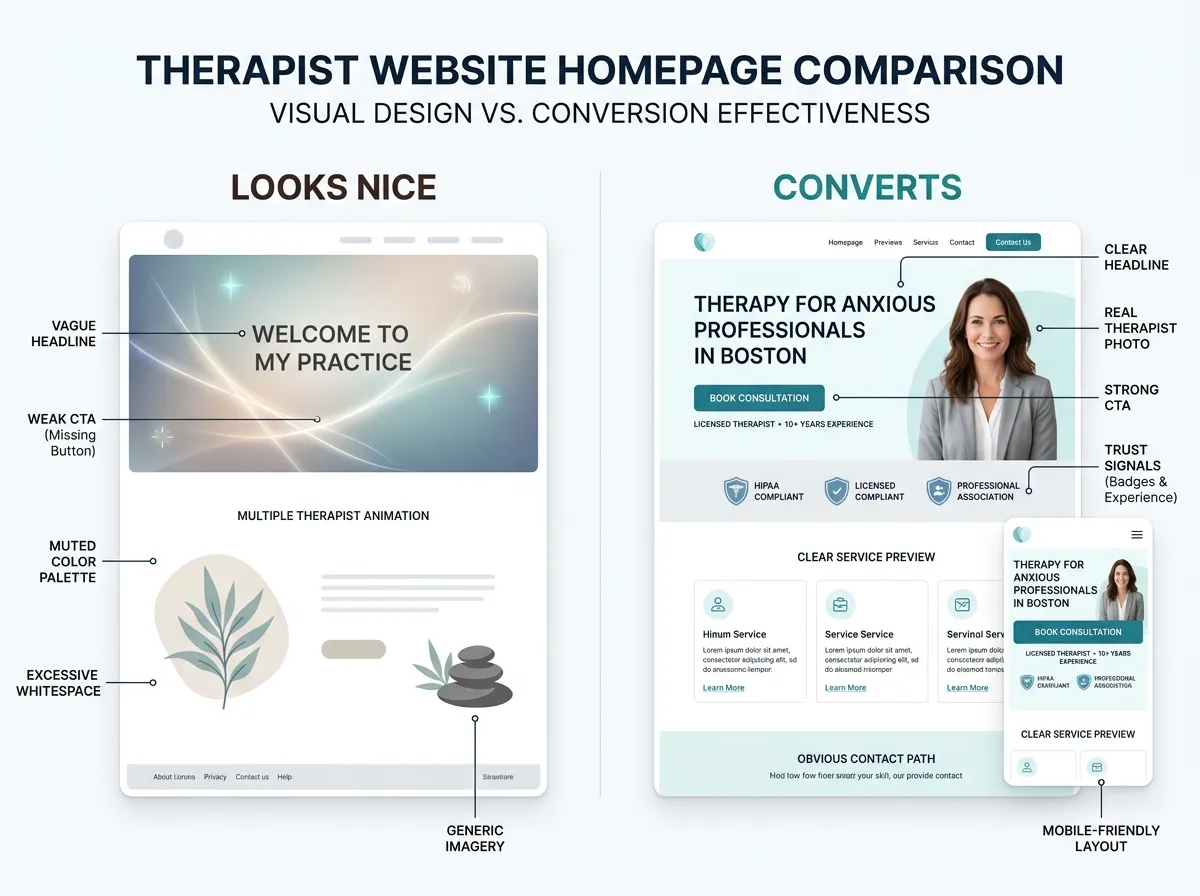
When comparing directory listings and personalized therapy websites, it’s essential to evaluate their effectiveness in attracting clients. Personalized therapy websites offer unique branding opportunities and comprehensive features that enhance user experience. In contrast, directory listings often come with limitations that can hinder visibility and client engagement.
Personalized Therapy Websites
Personalized therapy websites provide several benefits that can significantly enhance client acquisition. These websites allow therapists to establish a unique brand identity, which is crucial in a competitive market. By incorporating comprehensive features such as detailed service descriptions, client testimonials, and engaging content, therapists can create a user-friendly experience that resonates with potential clients. Additionally, personalized websites can be optimized for search engines, improving visibility and attracting more traffic.
Directory Listings

While directory listings can offer immediate visibility, they come with notable limitations. Many directory platforms provide a one-size-fits-all approach, which can dilute a therapist’s unique brand message. Furthermore, these listings often have limited features, restricting the ability to showcase services effectively. Therapists relying solely on directory listings may find themselves dependent on the traffic generated by these platforms, which can fluctuate and impact client acquisition.
Effective Strategies for Client Acquisition
To maximize client acquisition, therapists must implement effective strategies that leverage both SEO and website features. By focusing on content marketing, local SEO techniques, and technical SEO, therapists can enhance their online presence and attract more clients.
SEO Strategies

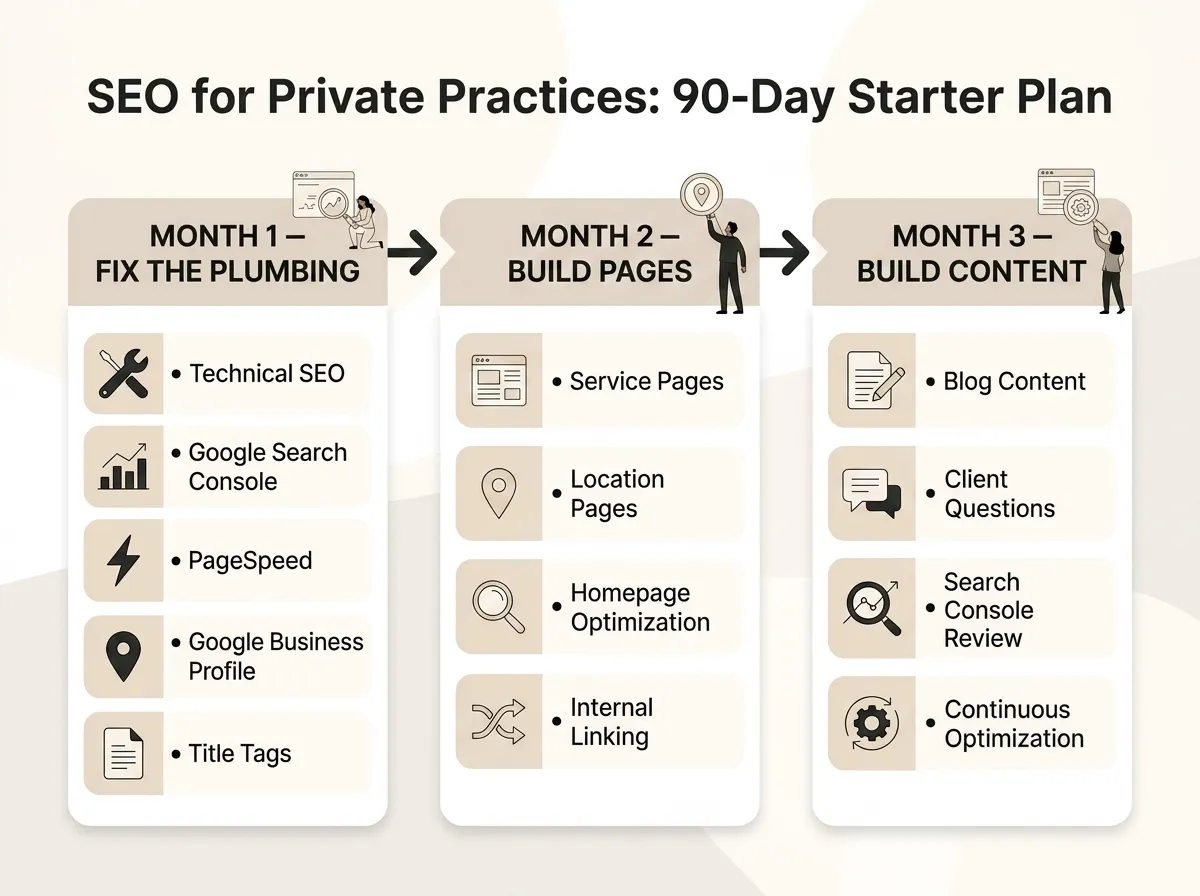
SEO strategies are vital for therapists looking to improve their online visibility. Key techniques include keyword optimization, which involves researching and integrating relevant keywords into website content. Content marketing is another essential strategy, as it allows therapists to share valuable information that positions them as experts in their field. Additionally, local SEO techniques help therapists target clients in their geographic area, increasing the likelihood of attracting local clients.
Website Features
Incorporating key features into therapy websites can significantly enhance client engagement. Essential features include online booking systems, which streamline the appointment process for clients. Engaging content, such as blog posts and informative articles, can also attract potential clients and establish trust. A user-friendly design is crucial, as it ensures that visitors can navigate the site easily and find the information they need.
Comparative Advantages
Understanding the comparative advantages of personalized websites versus directory listings is essential for therapists aiming to optimize their client acquisition strategies. Personalized websites offer greater control over branding and messaging, while directory listings provide immediate visibility.
Personalized Websites
Personalized websites build trust and credibility with potential clients. By showcasing unique services and client testimonials, therapists can create a compelling narrative that resonates with visitors. Furthermore, ongoing SEO optimization allows these websites to maintain high visibility in search engine results, leading to long-term growth potential. Therapists have better control over their messaging, enabling them to tailor their content to their target audience effectively.
Directory Listings
Directory listings can facilitate immediate visibility for therapists, allowing them to reach potential clients quickly. However, this advantage is often short-lived, as the effectiveness of directory listings can diminish over time. Therapists may find that while they gain initial exposure, they lack the ability to cultivate long-term relationships with clients through these platforms.
Potential Outcomes for Therapists
The outcomes for therapists utilizing SEO and personalized websites can be significant. By focusing on these strategies, therapists can expect increased client bookings and the development of long-term client relationships. Additionally, these methods can prove to be more cost-effective in the long run, as they foster a sustainable approach to client acquisition.
Directory Listings vs. SEO: Guide to 2026 Therapy Client Acquisition
Directory listings are online platforms that aggregate information about therapists and their services, allowing potential clients to search for providers in their area. These listings can support therapy client acquisition by providing a centralized location for clients to find and compare therapists. However, the effectiveness of directory listings can vary based on the platform’s reach and the therapist’s ability to stand out among competitors.
How Do Directory Listings Provide Online Visibility for Therapists?
Directory listings enhance online visibility by allowing therapists to be featured in search results when potential clients look for services in their area. These platforms often have established traffic, which can lead to increased exposure for therapists. However, the visibility gained through directory listings may not be as targeted or sustainable as that achieved through personalized websites optimized for SEO.
What Are the Benefits and Limitations of Therapy Directory Listings?
Therapy directory listings offer several benefits, including immediate visibility and the ability to reach a broad audience. However, they also come with limitations, such as a lack of control over branding and messaging. Additionally, therapists may find that directory listings do not provide the same level of engagement or relationship-building opportunities as personalized websites.
How Does SEO Enhance Therapy Client Acquisition in 2026?
SEO enhances therapy client acquisition by improving a therapist’s online visibility and search engine rankings. In 2026, effective SEO strategies will focus on optimizing website content for relevant keywords, enhancing user experience, and ensuring that websites are mobile-friendly. By implementing these strategies, therapists can attract more clients and establish a strong online presence.
What SEO Techniques Are Most Effective for Therapists and Mental Health Professionals?
Effective SEO techniques for therapists include keyword research, on-page optimization, and local SEO strategies. By identifying relevant keywords and incorporating them into website content, therapists can improve their search engine rankings. Additionally, optimizing website structure and ensuring mobile compatibility can enhance user experience and increase client engagement.
How Does Semantic SEO and Local SEO Improve Search Rankings and Client Engagement?
Semantic SEO and local SEO improve search rankings by focusing on the context and relevance of content. Semantic SEO involves optimizing content to align with user intent, while local SEO targets clients in specific geographic areas. By implementing these strategies, therapists can enhance their visibility in search results and engage more effectively with potential clients.
Which Method Brings More Therapy Clients: Directory Listings or SEO?
While both directory listings and SEO can contribute to client acquisition, SEO is often more effective in the long term. Personalized websites optimized for search engines provide therapists with greater control over their branding and messaging, leading to more meaningful client relationships. In contrast, directory listings may offer immediate visibility but lack the depth and engagement necessary for sustained client acquisition.
What Do Recent 2024-2026 Statistics Reveal About Client Acquisition Effectiveness?
Recent statistics indicate that therapists utilizing SEO strategies experience higher client acquisition rates compared to those relying solely on directory listings. Studies show that personalized websites can lead to a 30% increase in client bookings, while directory listings often result in lower engagement rates. These findings underscore the importance of investing in SEO and personalized web design for effective client acquisition.
How Do Conversion Rates and Client Retention Compare Between SEO and Directory Listings?
Conversion rates and client retention are generally higher for therapists with personalized websites optimized for SEO. Research indicates that clients who engage with personalized websites are more likely to book appointments and return for follow-up sessions. In contrast, directory listings may lead to lower retention rates, as clients often do not develop a strong connection with therapists listed on these platforms.
What Role Does Professional Web Design Play in Maximizing SEO Success for Therapists?
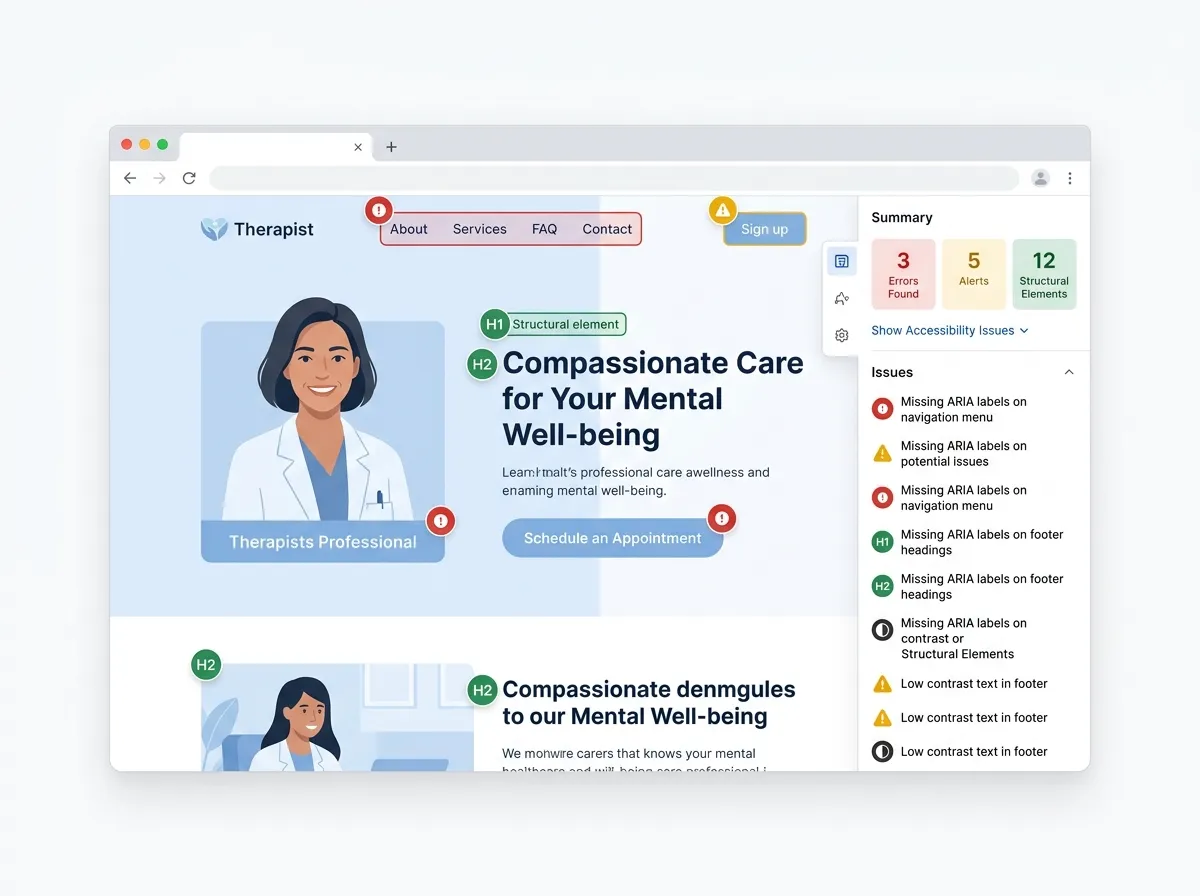
Professional web design plays a critical role in maximizing SEO success for therapists. A well-designed website enhances user experience, making it easier for potential clients to navigate and find information. Additionally, professional web design incorporates SEO best practices, such as fast loading times and mobile responsiveness, which are essential for improving search engine rankings.
How Does Conversion Architecture and Clinical UX Improve Therapy Website Performance?
Conversion architecture and clinical UX (user experience) are essential for improving therapy website performance. By focusing on user-centered design principles, therapists can create websites that guide visitors toward taking action, such as booking an appointment. Effective conversion architecture ensures that key information is easily accessible, while clinical UX enhances the overall experience for potential clients.
Why Is Semantic Structuring and Structured Data Implementation Critical for SEO?
Semantic structuring and structured data implementation are critical for SEO as they help search engines understand the context and relevance of website content. By using structured data markup, therapists can enhance their visibility in search results and improve click-through rates. This approach allows search engines to display rich snippets, which can attract more potential clients to a therapist’s website.
How Can Therapists Measure and Optimize Their Marketing ROI in 2026?
Therapists can measure and optimize their marketing ROI by tracking key performance indicators (KPIs) such as website traffic, conversion rates, and client retention. By analyzing these metrics, therapists can identify which strategies are most effective and make data-driven decisions to enhance their marketing efforts. Regularly reviewing and adjusting marketing strategies will ensure that therapists maximize their return on investment.
Further insights into effectively measuring and improving digital marketing ROI for healthcare providers, including therapists, can be found in specialized resources.
Measuring Digital Marketing ROI for Healthcare SEO & Websites
This chapter explains how healthcare providers can measure and improve the return on investment (ROI) from digital marketing campaigns. It introduces the ROI formula and applies it to healthcare-specific settings, showing how to align marketing efforts with clinical and business goals. The chapter covers strategic planning using the SMART framework, understanding patient preferences, and selecting appropriate digital marketing channels such as SEO, PPC, social media, email, mobile apps, and websites. Strategies for optimizing ROI in each channel are detailed, along with guidance on using key performance indicators (KPIs) to track outcomes.
Measuring ROI in Digital Marketing for Healthcare Providers, 2025
Which Key Performance Indicators Best Reflect Therapy Client Acquisition Success?
Key performance indicators that reflect therapy client acquisition success include the number of new client bookings, website traffic, and conversion rates. Additionally, tracking client retention rates and engagement metrics can provide valuable insights into the effectiveness of marketing strategies. By focusing on these KPIs, therapists can assess their performance and make informed decisions to improve client acquisition efforts.
What Tools and Strategies Support Ongoing SEO and Directory Listing Performance Monitoring?
Several tools and strategies can support ongoing SEO and directory listing performance monitoring. Utilizing analytics platforms, such as Google Analytics, allows therapists to track website traffic and user behavior. Additionally, SEO tools can provide insights into keyword performance and search rankings. Regularly reviewing directory listing performance and making necessary adjustments will ensure that therapists maintain a competitive edge in client acquisition.