How to Edit Pages and Optimize for SEO
Optimizing Your Therapist Website for SEO and Client Growth
Editing and optimizing therapist pages for SEO is crucial for enhancing online visibility and attracting potential clients. This article will guide you through essential practices, keyword research strategies, on-page SEO techniques, and local optimization methods tailored specifically for therapists. Many therapists struggle to effectively present their services online, leading to missed opportunities for client engagement. By implementing the right strategies, you can significantly improve your page rankings and connect with your ideal audience. We will explore best practices for editing therapist pages, conducting keyword research, optimizing on-page elements, and leveraging local SEO strategies to enhance your online presence.
What Are the Essential Therapist Page Editing Best Practices for SEO?
Effective editing of therapist pages involves several best practices that enhance SEO and improve user experience. A well-structured page not only attracts search engines but also engages visitors, encouraging them to explore your services further. Key elements include maintaining a clear content structure, using relevant keywords, and regularly updating content to reflect current practices and offerings. These practices ensure that your pages remain relevant and informative, ultimately leading to better client engagement.
How to Structure Therapist Profiles for Maximum SEO Impact
Structuring therapist profiles effectively is vital for maximizing SEO impact. Profiles should include:
- Headings and Subheadings: Use clear headings to break up content, making it easier for both users and search engines to navigate.
- Credentials and Specialties: Highlight your qualifications and areas of expertise to build trust and authority.
- Client-Centric Language: Use language that resonates with potential clients, addressing their needs and concerns directly.
By following these guidelines, you can create profiles that not only rank well but also convert visitors into clients.
Which Content Elements Should Be Optimized on Therapist Pages?
Several key content elements should be optimized on therapist pages to enhance SEO:
- Meta Descriptions: Craft unique and compelling meta descriptions that include target keywords to improve click-through rates.
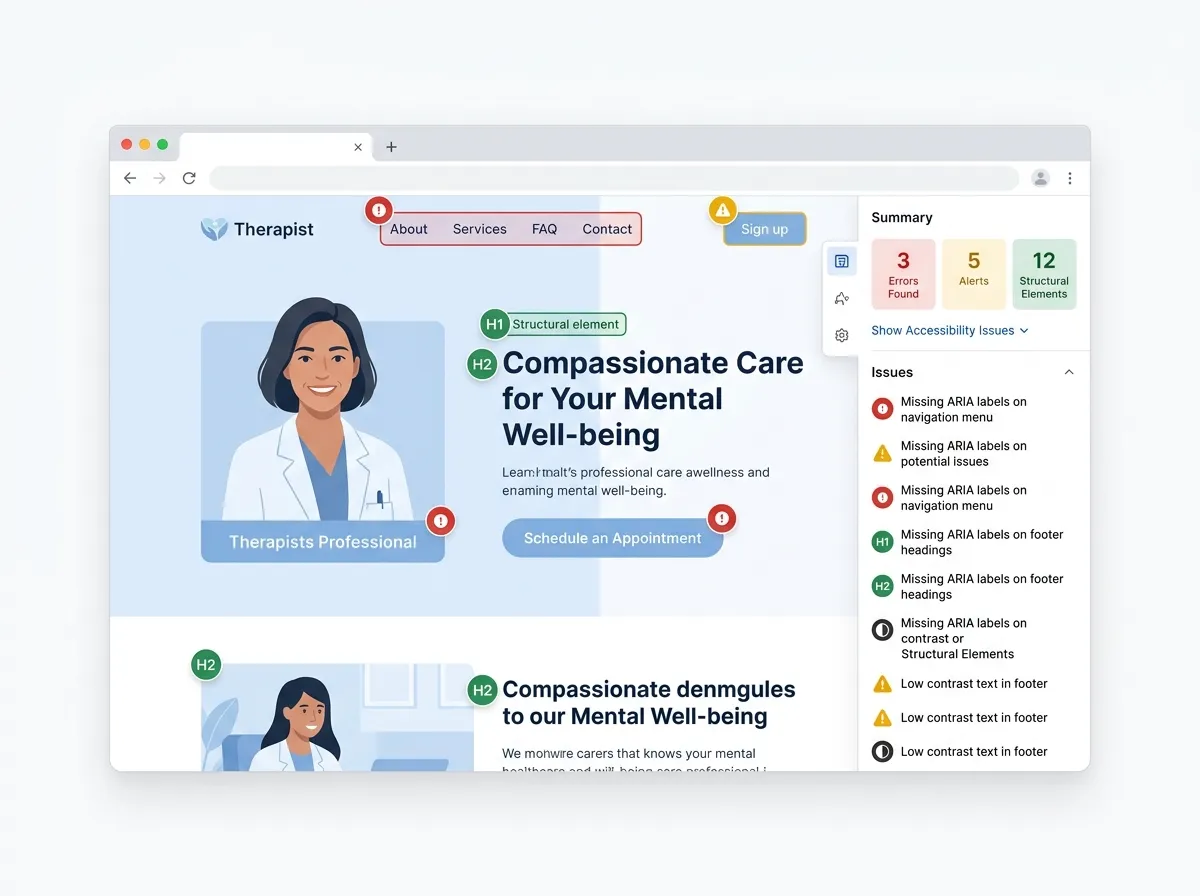
- Image Alt Texts: Use descriptive alt texts for images to enhance accessibility and provide context for search engines.
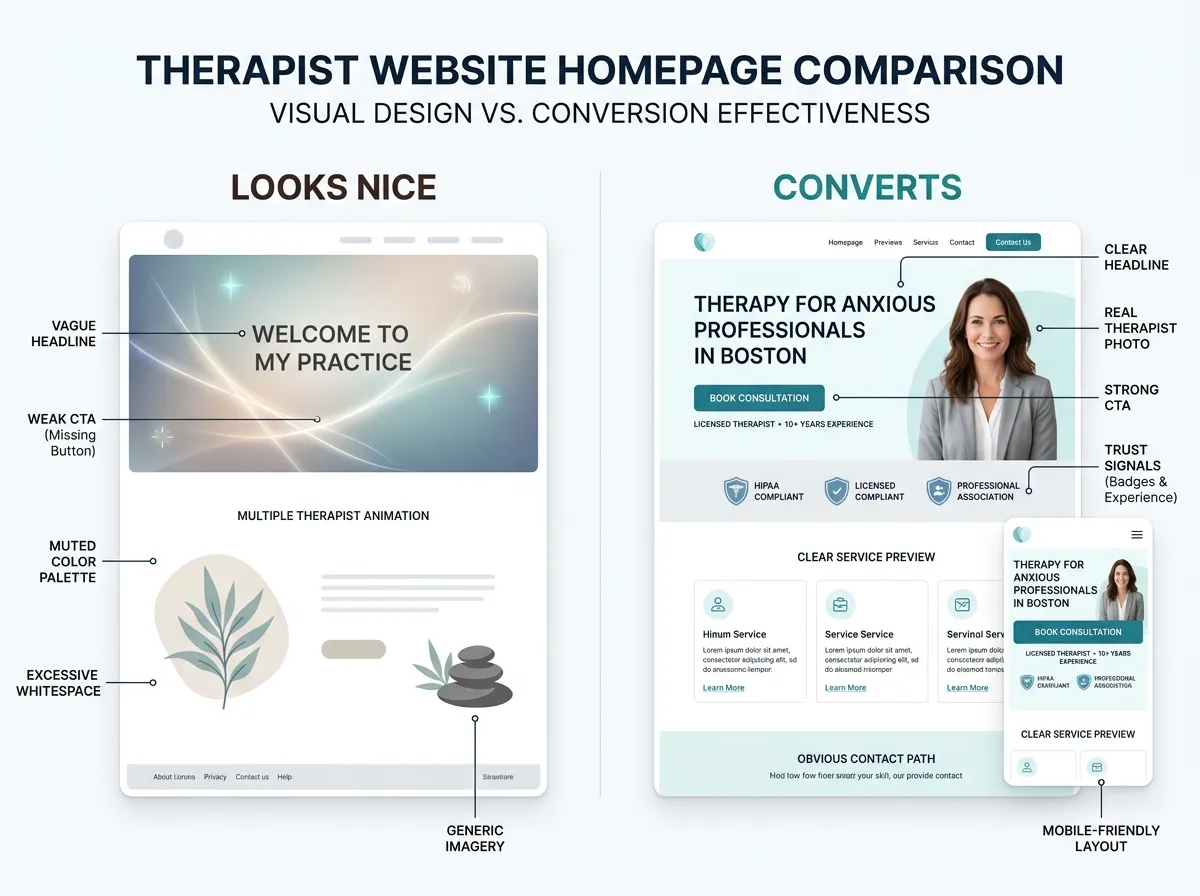
- Call-to-Action Buttons: Ensure that call-to-action buttons are clear and strategically placed to guide users toward booking appointments or contacting you.
Optimizing these elements can significantly improve your page’s visibility and user engagement.
Optimizing Your Therapist Website for SEO and Client Growth
Conducting keyword research is essential for optimizing therapist website content. This process involves identifying the terms and phrases potential clients use when searching for therapy services. By understanding these keywords, you can tailor your content to meet their needs and improve your search engine rankings.
What Keywords Should Therapists Target to Attract Ideal Clients?
Therapists should focus on several types of keywords to attract ideal clients:
- Long-Tail Keywords: Phrases like “anxiety therapy for adults” are specific and often have less competition.
- Local Keywords: Incorporate location-based keywords such as “therapist in [City]” to target clients in your area.
- Service-Specific Keywords: Use keywords related to specific services offered, like “couples therapy” or “child psychologist.”
Targeting these keywords can help you connect with clients actively seeking your services.
How to Integrate Keywords Seamlessly into Therapist Page Content?
Integrating keywords into your content should be done naturally to avoid keyword stuffing. Here are some best practices:
- Natural Language Use: Write in a conversational tone that incorporates keywords without forcing them into the text.
- Avoiding Keyword Stuffing: Use keywords strategically in headings, subheadings, and throughout the content without overusing them.
- Placement in Headings and Subheadings: Include keywords in headings and subheadings to signal their importance to search engines.
By following these strategies, you can enhance your content’s relevance and improve its chances of ranking well.
What On-Page SEO Strategies Enhance Therapist Page Ranking?
On-page SEO strategies are crucial for improving the ranking of therapist pages. These strategies focus on optimizing individual web pages to rank higher and earn more relevant traffic in search engines.
How to Optimize Meta Tags and Headings for Therapist Profiles
Optimizing meta tags and headings is essential for effective on-page SEO. Key practices include:
- Unique Meta Tags: Ensure each page has a unique title and meta description that accurately reflects its content.
- Keyword Usage in Headings: Incorporate primary keywords into headings to enhance relevance and improve search visibility.
- Character Limits for Meta Descriptions: Keep meta descriptions within 150-160 characters to ensure they display fully in search results.
These optimizations can significantly impact how your pages are indexed and displayed in search results.
Why Is Mobile Optimization and Page Speed Critical for Therapist Websites?
Mobile optimization and page speed are critical factors in SEO. A mobile-friendly website ensures that users have a positive experience on all devices, while fast-loading pages reduce bounce rates. Key considerations include:
- Impact on User Experience: A responsive design enhances usability, making it easier for clients to navigate your site on mobile devices.
- Google Ranking Factors: Google prioritizes mobile-friendly sites in its rankings, making optimization essential for visibility.
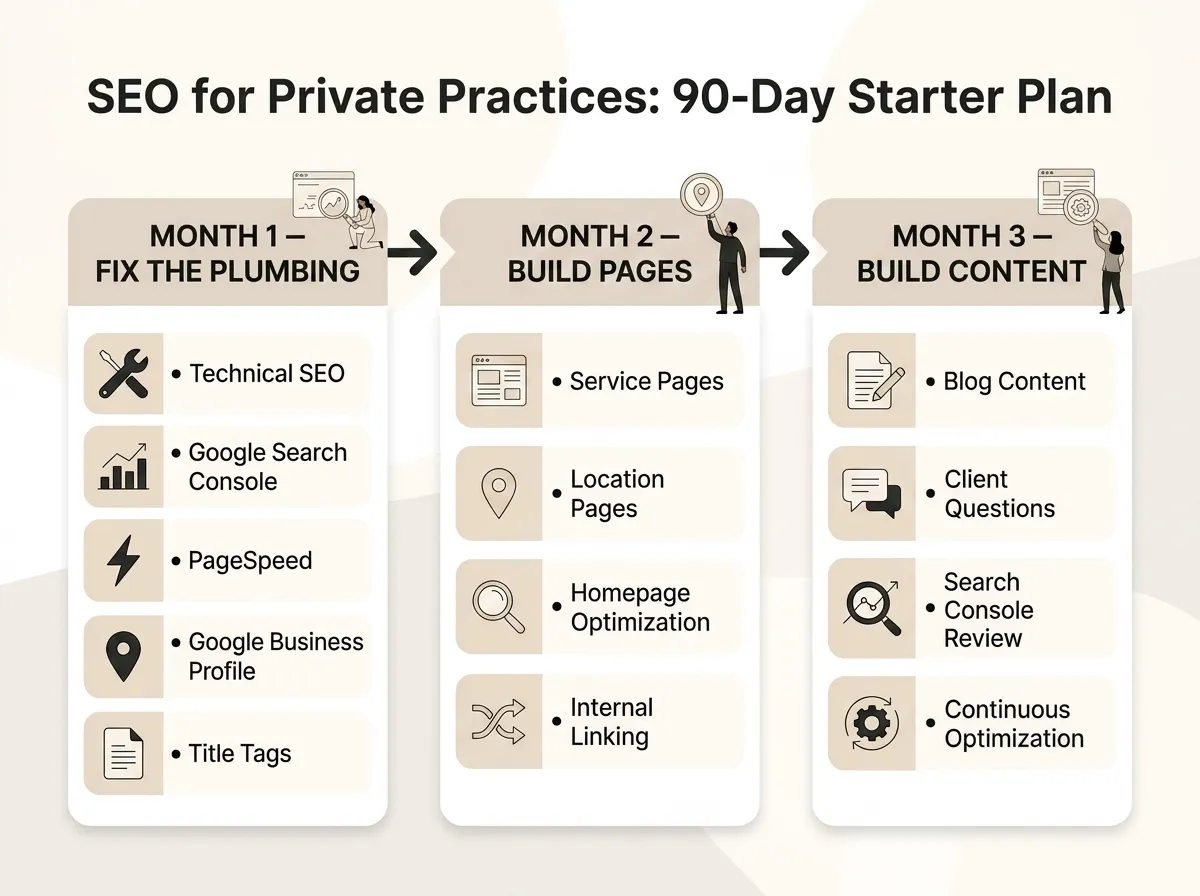
- Tools for Testing Page Speed: Utilize tools like Google PageSpeed Insights to analyze and improve your site’s loading speed.
By focusing on these aspects, you can enhance user experience and improve your search engine rankings.
How to Implement Local SEO Optimization for Therapy Services?
Local SEO optimization is vital for therapists looking to attract clients in their geographic area. This involves strategies that enhance visibility in local search results.
What Structured Data and Schema Markup Should Therapists Use?
Structured data and schema markup help search engines understand your content better. Therapists should consider using:
- Local Business Schema: This markup provides search engines with information about your practice, including location and services offered.
- Review Schema: Displaying client reviews can enhance credibility and attract more clients.
- Service Schema: Use this to specify the types of therapy services you offer, improving relevance in search results.
Implementing these strategies can improve your visibility in local searches and attract more clients.
How to Leverage Local Business Listings and Reviews for SEO?
Local business listings and reviews play a significant role in local SEO. Here are some strategies to leverage them effectively:
- Creating and Optimizing Listings: Ensure your practice is listed on platforms like Google My Business, Yelp, and local directories.
- Responding to Reviews: Engage with clients by responding to reviews, showing that you value their feedback.
- Encouraging Satisfied Clients to Leave Reviews: Ask happy clients to share their experiences, as positive reviews can enhance your online reputation.
These practices can significantly boost your local SEO efforts and attract more clients.
This comprehensive guide to local SEO for medical practices further reinforces the importance of strategic optimization for attracting patients.
Mastering Local SEO for Medical Practices: A Comprehensive Guide
1. This chapter provides a comprehensive guide to local SEO for medical practices, emphasizing how healthcare providers can improve online visibility and attract more patients through strategic optimization. It explains key concepts such as keyword targeting, metadata use, structured data tags, and directory listings. The chapter also introduces emerging challenges in AI-powered search results and offers practical tools, including a physician SEO readiness checklist, to help practices adapt. Real-world examples and step-by-step instructions ensure that providers without technical backgrounds can take actionable steps to enhance their digital presence and remain competitive in a rapidly evolving search landscape.
Mastering Local SEO for Medical Practices, 2025
Which Content Editing Techniques Improve Therapist Website Usability and SEO?
Content editing techniques are essential for improving both usability and SEO on therapist websites. A well-edited site enhances user experience and encourages visitors to engage with your content.
How to Streamline Patient Navigation and Reduce Friction on Therapist Pages
Streamlining navigation is crucial for enhancing user experience. Consider the following techniques:
- Simplifying Menu Structures: Use clear and concise menu options to help users find information quickly.
- Using Clear Calls to Action: Ensure that calls to action are prominent and guide users toward desired actions, such as booking an appointment.
- Reducing Unnecessary Clicks: Minimize the number of clicks required to access important information, improving overall usability.
By implementing these strategies, you can create a more user-friendly website that encourages client engagement.
What Are Best Practices for Updating and Auditing Therapist Page Content?
Regularly updating and auditing your content is vital for maintaining relevance and SEO performance. Best practices include:
- Setting a Content Audit Schedule: Regularly review your content to ensure it remains accurate and up-to-date.
- Identifying Outdated Information: Remove or update any information that is no longer relevant to your practice.
- Incorporating Client Feedback: Use feedback from clients to improve content and address common questions or concerns.
These practices help ensure that your website remains a valuable resource for potential clients.
How to Measure and Monitor SEO Performance for Therapist Pages?
Measuring and monitoring SEO performance is essential for understanding the effectiveness of your strategies. This involves tracking key metrics and making data-driven decisions.
Which KPIs and Tools Track Therapist Page SEO Success?
Key performance indicators (KPIs) are essential for tracking SEO success. Important metrics include:
- Organic Traffic Metrics: Monitor the number of visitors coming from search engines to gauge the effectiveness of your SEO efforts.
- Keyword Ranking Tools: Use tools like SEMrush or Ahrefs to track your rankings for target keywords.
- Conversion Tracking: Measure how many visitors take desired actions, such as booking appointments or filling out contact forms.
By focusing on these KPIs, you can gain valuable insights into your SEO performance and make necessary adjustments.
How Often Should Therapist Pages Be Audited and Updated for SEO?
Regular audits and updates are crucial for maintaining SEO performance. Consider the following guidelines:
- Quarterly Audits: Conduct comprehensive audits every three months to assess content relevance and SEO effectiveness.
- Adapting to SEO Changes: Stay informed about changes in SEO best practices and adjust your strategies accordingly.
- Incorporating New Trends: Regularly update your content to reflect new trends and developments in the therapy field.
By adhering to these practices, you can ensure that your website remains competitive and effective in attracting clients.