How Does SEO for Therapists Improve Client Bookings and Visibility Online
By Therapeia Web Design Editorial Team · Updated 2026-08-05
When it comes to How Does SEO for Therapists Improve Client Bookings. Visibility Online?, therapeia Web Design in Bolton, Manchester builds SEO-optimized therapist websites that boost local search rankings and online visibility. Their 50-employee team implements targeted keyword strategies, Google Business Profile optimization, and content marketing to attract clients actively searching for therapy services, converting searches into consistent, measurable online bookings.
Local Map Optimization increases visibility for practices, directly relevant since roughly 379,000 monthly searches occur for “therapists near me.” Therapeia Web Design, a 50-employee agency based in Bolton, Manchester, builds tailored SEO strategies—covering on-page content, technical fixes, and tracking—that convert these searches into real client bookings.
Effective SEO for therapists combines local map optimization, on-page content strategy, technical website fundamentals, and visibility within AI-driven search tools. Therapeia Web Design pairs this approach with BAA-compliant infrastructure. Semantic schema markup built for mental health professionals, converting local searches into booked consultations rather than abandoned browser tabs.
Key Takeaways
- Google processes 3.5 billion searches daily, with 379,000 monthly searches for “therapists near me.”
- Most clients begin their mental health support search on Google, making SEO essential for visibility.
- SEO strategies attract aligned clients and convert online searches into therapy practice bookings.
- Therapeia Web Design’s 50-person team builds straightforward, low-cost SEO solutions for therapists in Bolton.
What Prerequisites Set Up Therapist SEO Success?
Four elements must exist before search rankings translate into booked sessions: search visibility on Google, a technically sound website, secure intake systems, and organized client management. Google remains the starting point for most people seeking mental health support. A practice invisible there loses clients before a phone ever rings. Skipping any one of these prerequisites turns SEO traffic into wasted clicks rather than filled calendars.
Why does a website’s technical foundation matter for SEO?
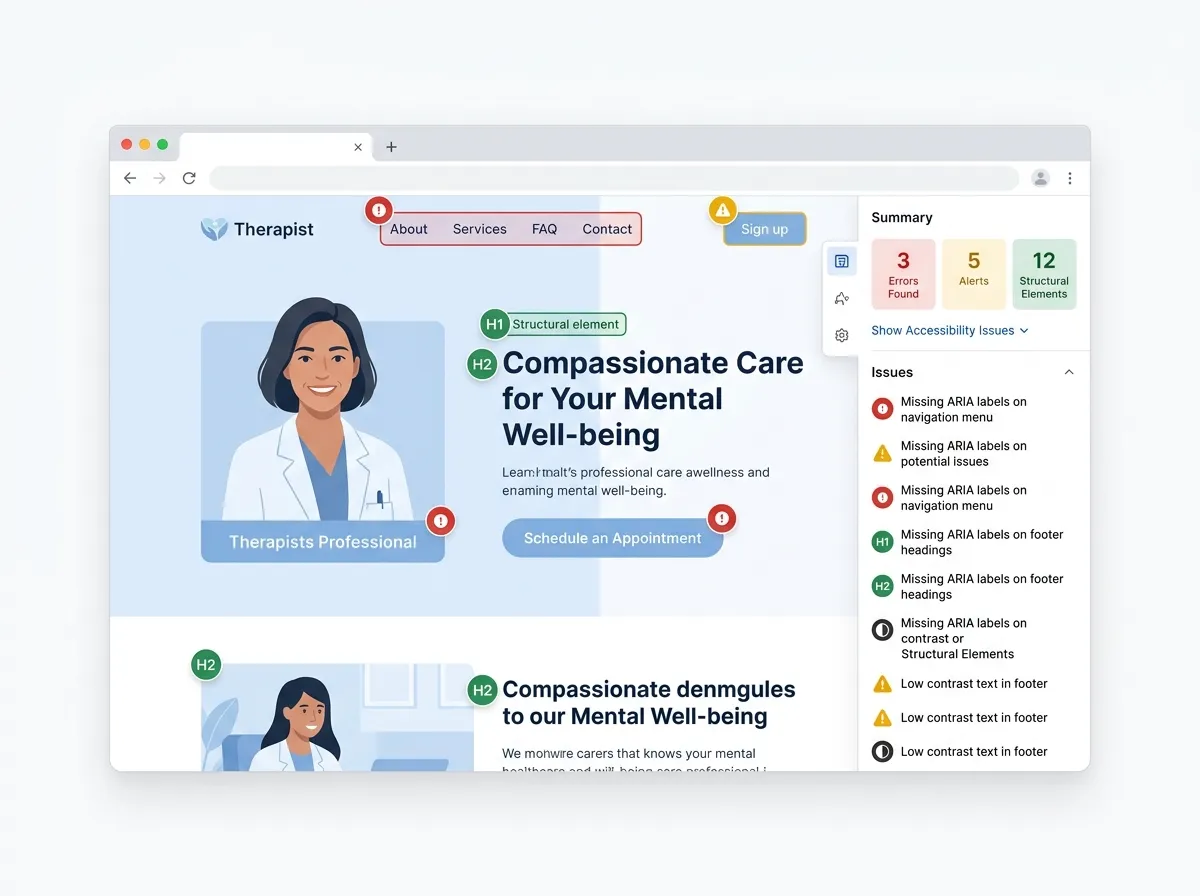
A therapist website needs clean design, reliable development, and modern coding practices before search engines will reward it. Search algorithms favor sites that load quickly and function correctly across devices, so weak technical foundations undermine even strong content.
What role do intake forms play in converting search traffic?
Secure, HIPAA-aware intake forms turn anonymous visitors into trusting prospective clients. Without compliant online forms, practices risk both regulatory exposure and client hesitation at the exact moment someone decides to reach out.
Beyond the website itself, practices need infrastructure to sustain the leads SEO generates:
- Local and organic search visibility so clients searching for support find the practice first
- Reliable site architecture built on trusted development practices
- Compliant digital intake that protects client confidentiality from first contact
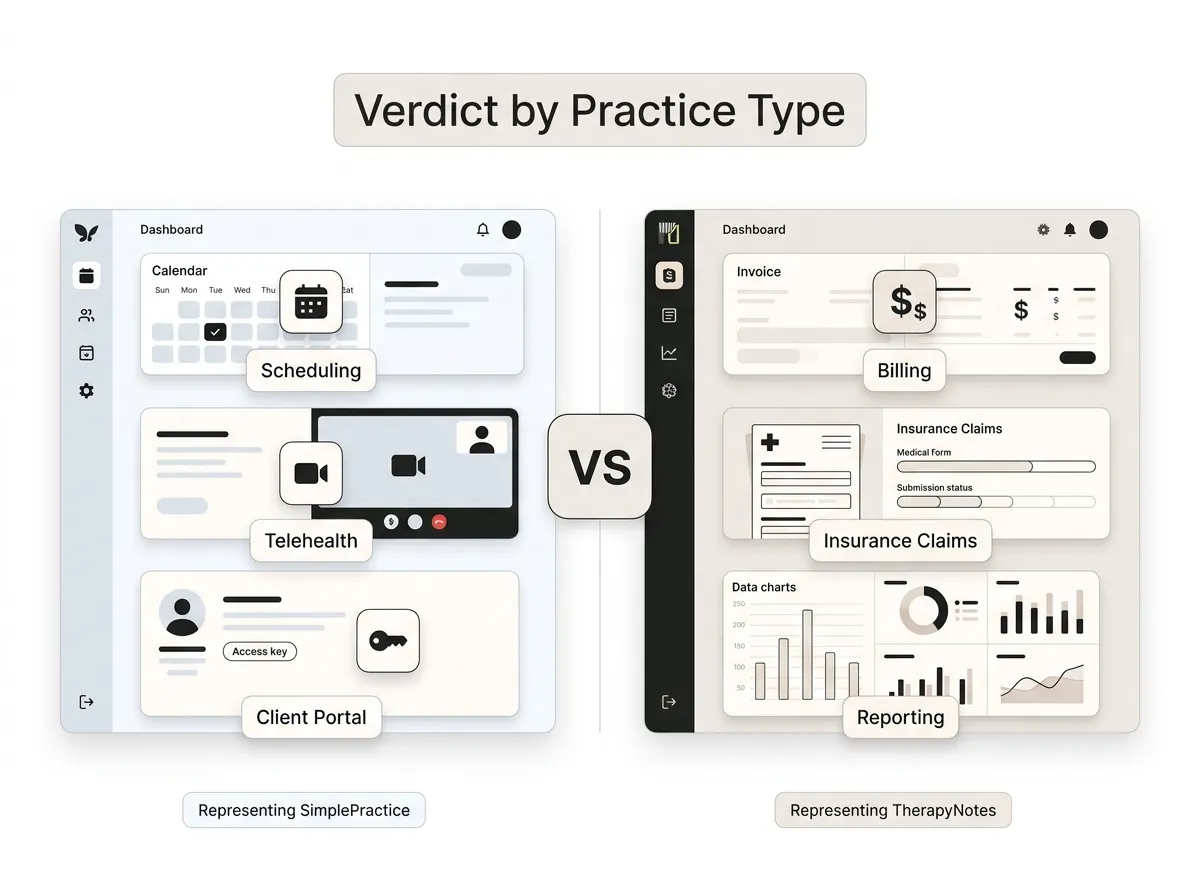
- Organized client management systems to handle scheduling and information without administrative breakdowns
Skipping any layer here creates friction that undoes the value of ranking well in the first place.

How Do You Execute the Core SEO Steps?
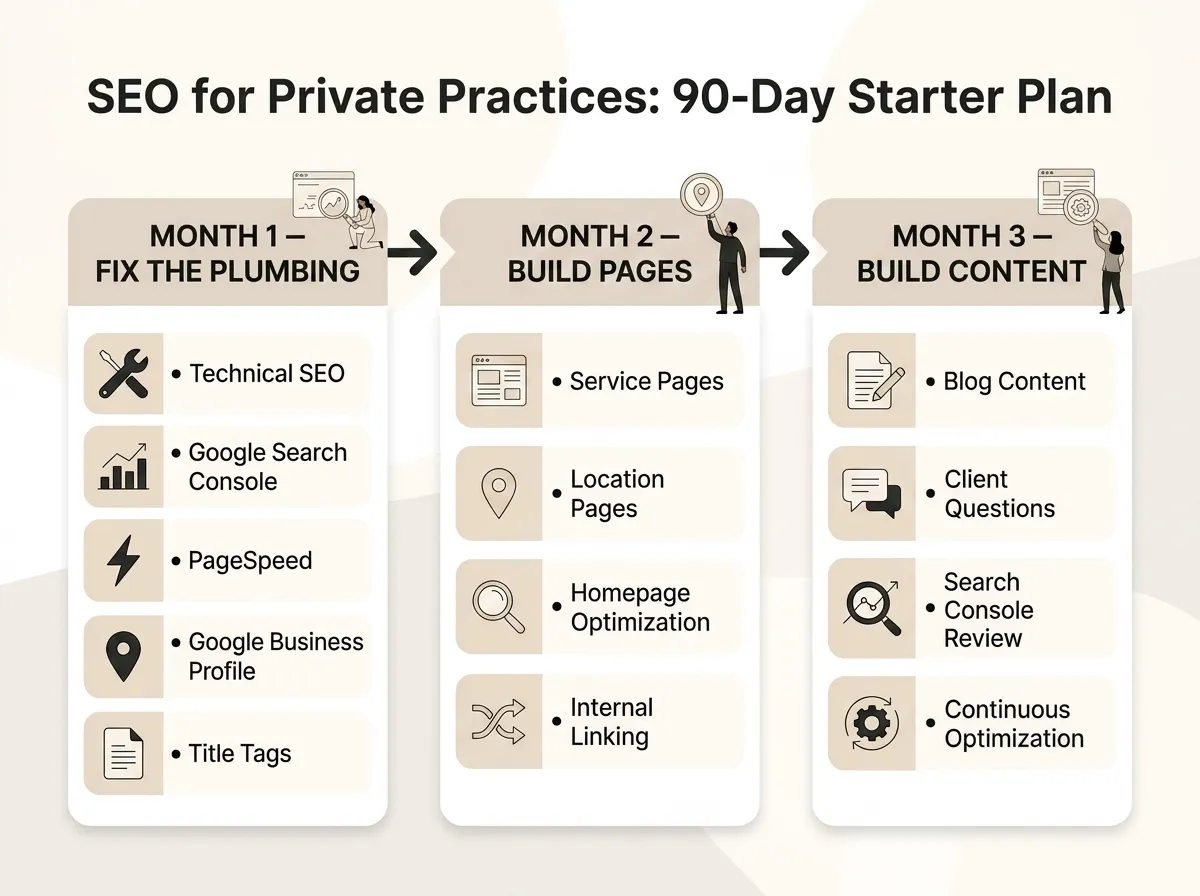
Practice owners execute core SEO for therapists through a defined sequence, not a single fix. Skipping steps or tackling them out of order stalls rankings and leaves prospective clients unable to find a practice. Follow this order for measurable results.
- Optimize on-page content first. Structure website copy so search engines and readers immediately understand what services the practice offers, since ranking higher depends on making that match clear to both.
- Target near-me search phrases. Local intent searches for therapy services generate roughly 379,000 queries every month, so pages built around that phrasing capture clients who are ready to book.
- Publish engaging content regularly. Video and written content build trust and strengthen visibility, turning casual browsers into consultation requests over time.
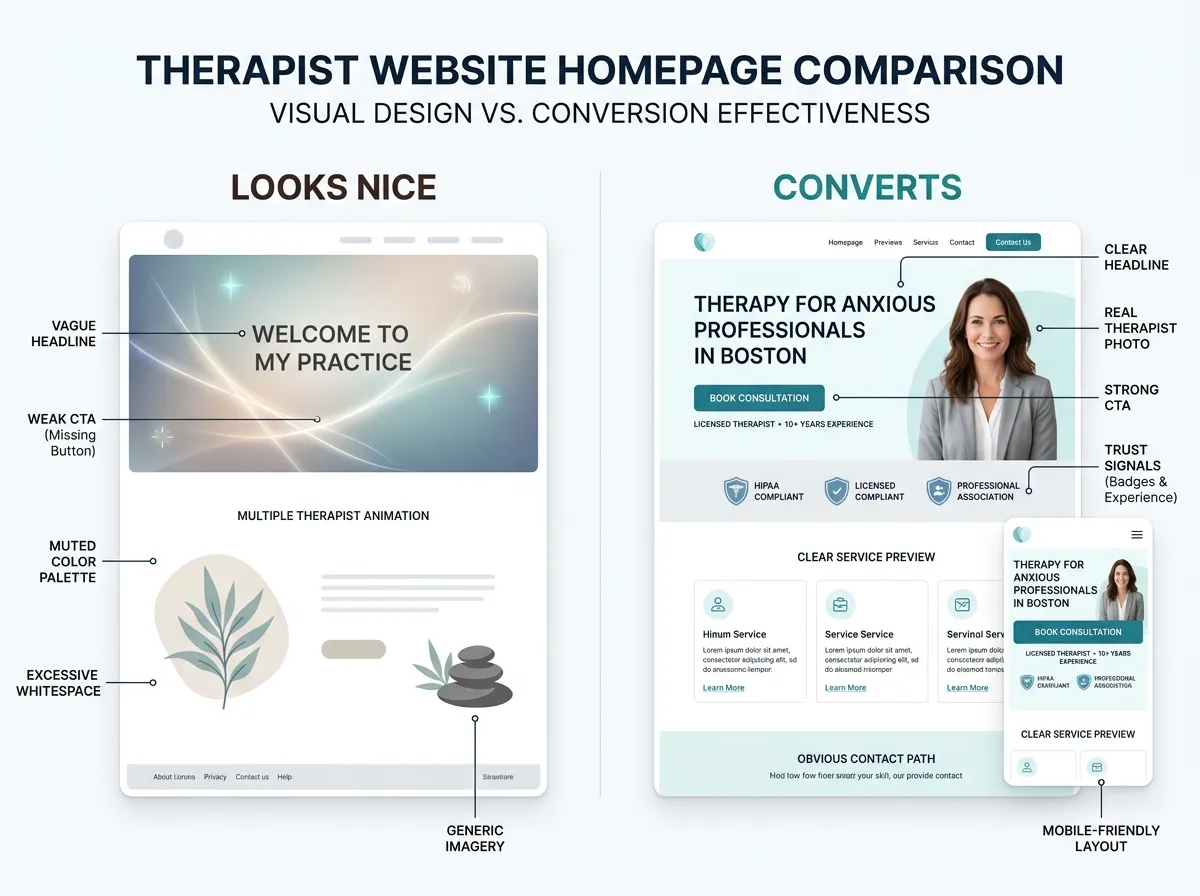
- Build a conversion-focused site structure. Clean UI/UX design paired with reliable development transforms incoming traffic into scheduled appointments rather than abandoned tabs.
- Review and refine continuously. Rankings shift as competitors adjust their own sites, so revisiting content and structure keeps a practice from losing ground.
Which step delivers results fastest?
Near-me search optimization typically shows the quickest movement, since it targets people already searching for immediate help. A practice ranking for local queries often sees inquiry volume rise before broader content efforts mature.
Does content alone improve bookings?
Content builds trust but rarely converts alone. Pairing engaging content with a conversion-focused site structure closes the gap between a visitor reading an article and that visitor requesting a consultation.

What Common Mistakes Stall Therapist SEO Results?
Three errors quietly drain client bookings and visibility online for private practices: weak local optimization, risky intake forms, and disorganized client data. Each mistake cancels out the value of ranking well in search results.
Why does skipping local SEO cost a practice new clients?
Practices that ignore local optimization stay invisible to nearby clients actively searching for help. A therapist ranking on page one nationally still loses the neighborhood searcher who never sees the listing. Local visibility, not general traffic, drives consultation requests.
Does the intake form itself affect SEO results?
Yes, indirectly. Selecting the wrong intake form builder introduces confidentiality and compliance risk, undermining the trust that SEO worked to build. A prospective client who reaches the site but distrusts the form abandons the booking. Poor CRM software and scheduling processes compound the problem, letting inquiries slip through the cracks. Practices should confirm the following before scaling SEO:
- Local listings are claimed and accurate.
- Intake forms meet confidentiality standards.
- Client data and scheduling stay organized end-to-end.
Effective SEO for therapists transcends technical optimization—it represents a strategic commitment to visibility and accessibility for those actively seeking care. By aligning search engine performance with clinical user experience, practitioners build the digital confidence necessary to convert relevant searches into booked consultations. The intersection of industry-specific SEO, trauma-informed design, and conversion architecture creates a sustainable pathway for practice growth, ensuring your online presence reflects the professionalism and expertise clients deserve.
FAQ
How many people search for therapists near me each month?
Roughly 379,000 monthly searches target “therapists near me,” making local map optimization a direct way for practices to capture that demand and convert it into bookings.
What makes a therapist website technically ready for SEO?
Clean design, reliable development, and modern coding practices form the foundation search engines reward. Fast-loading, properly functioning sites across devices outperform weak technical setups.
Why do intake forms matter for converting SEO traffic into clients?
Secure, HIPAA-aware intake forms build trust and turn anonymous visitors into prospective clients. Non-compliant forms create regulatory exposure and cause hesitation at the moment someone reaches out.
Facts
- Therapeia Web Design is located in Bolton, Manchester, United Kingdom.
- Therapeia Web Design has 50 employees.