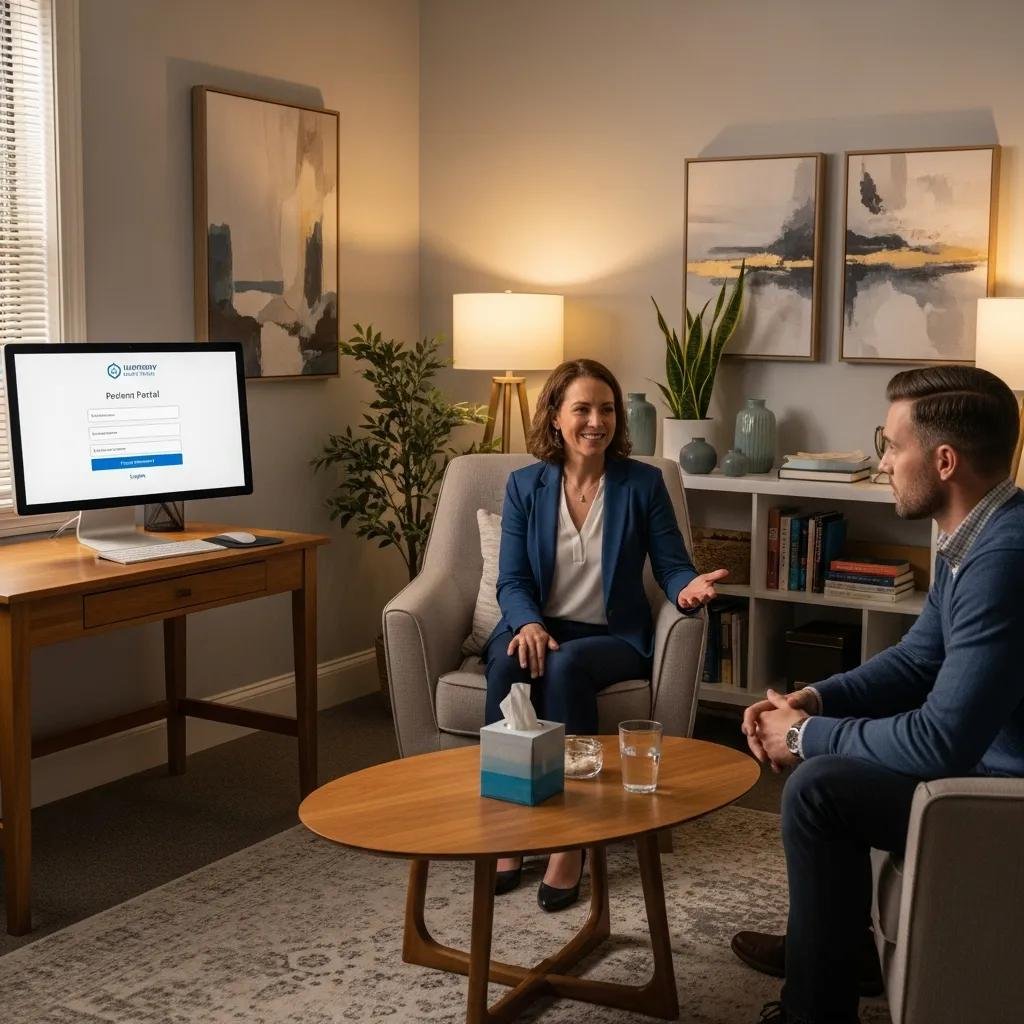
Best HIPAA Forms: A Review of Secure Online Form Builders
Review of Secure Online Form Builders for Therapists: Choosing HIPAA Compliant Intake Solutions
In the digital age, secure online forms have become essential for therapists to manage client intake efficiently while ensuring compliance with HIPAA regulations. This article provides a comprehensive review of secure online form builders tailored for therapists, focusing on their features, benefits, and how they can enhance client interactions. Therapists often face challenges in maintaining client confidentiality and streamlining administrative tasks, making the choice of the right form builder crucial. By exploring the importance of HIPAA compliance, key features to look for, and the best available tools, this guide aims to empower mental health professionals in their practice. We will also discuss how to integrate these forms into websites seamlessly and highlight complementary tools that enhance client communication.
The ethical considerations surrounding technology use in counseling, particularly concerning HIPAA and HITECH, are paramount for mental health professionals.
Ethical Technology Use in Counseling: HIPAA & HITECH Best Practices
The use of technology in counseling is expanding. Ethical use of technology in counseling practice is now a stand-alone section in the 2014 American Counseling Association “Code of Ethics.” The Health Insurance Portability and Accountability Act (HIPAA) and the Health Information Technology for Economic and Clinical Health (HITECH) Act provide a framework for best practices that counselor educators can utilize when incorporating the use of technology into counselor education programs. This article discusses recommended guidelines, standards, and regulations of HIPAA and HITECH that can provide a framework through which counselor educators can work to design policies and procedures to guide the ethical use of technology in programs that prepare and train future counselors.
Technology in Counselor Education: HIPAA and HITECH as Best Practice., 2015
Why Are HIPAA Compliant Online Forms Essential for Therapists?
HIPAA compliant online forms are vital for therapists as they ensure the protection of sensitive patient information while adhering to legal requirements. These forms help maintain client confidentiality, which is crucial for building trust in therapeutic relationships. By utilizing secure online forms, therapists can streamline their intake processes, reduce paperwork, and enhance overall practice efficiency. The integration of these forms into practice not only safeguards patient data but also improves the client experience by making the intake process more accessible and user-friendly.
What Does HIPAA Compliance Mean for Therapist Intake Forms?
HIPAA compliance for therapist intake forms means that these forms must meet specific standards set by the Health Insurance Portability and Accountability Act. This includes ensuring that all patient information is stored securely, transmitted using encryption, and accessed only by authorized personnel. Compliance also requires that therapists have a Business Associate Agreement (BAA) with any third-party service providers handling patient data. By adhering to these regulations, therapists can protect their clients’ privacy and avoid potential legal repercussions.
Understanding the multifaceted nature of HIPAA compliance reveals its significance not just as a legal mandate, but also as an ethical and business imperative for therapists.
HIPAA Compliance for Therapists: Ethical, Legal, and Business Aspects
HIPAA compliance is an ethical issue, a risk management issue, a legal dictate, and a business issue for couple and family therapists. Next we discuss the uses and disclosures of PHI, the HIPAA definition of psychotherapy notes, the HIPAA Security Rule, and the HIPAA Enforcement Rule.
The impact of HIPAA and HITECH regulations on the couple and family therapist, 2016
How Do Secure Online Forms Protect Patient Health Information?
Secure online forms protect patient health information through various mechanisms, including encryption and strict access controls. Encryption ensures that data is scrambled during transmission, making it unreadable to unauthorized users. Additionally, secure forms often include features such as password protection and user authentication, which further safeguard sensitive information. By implementing these security measures, therapists can significantly reduce the risk of data breaches and maintain compliance with HIPAA regulations.
What Key Features Should Therapists Look for in Secure Form Builders?
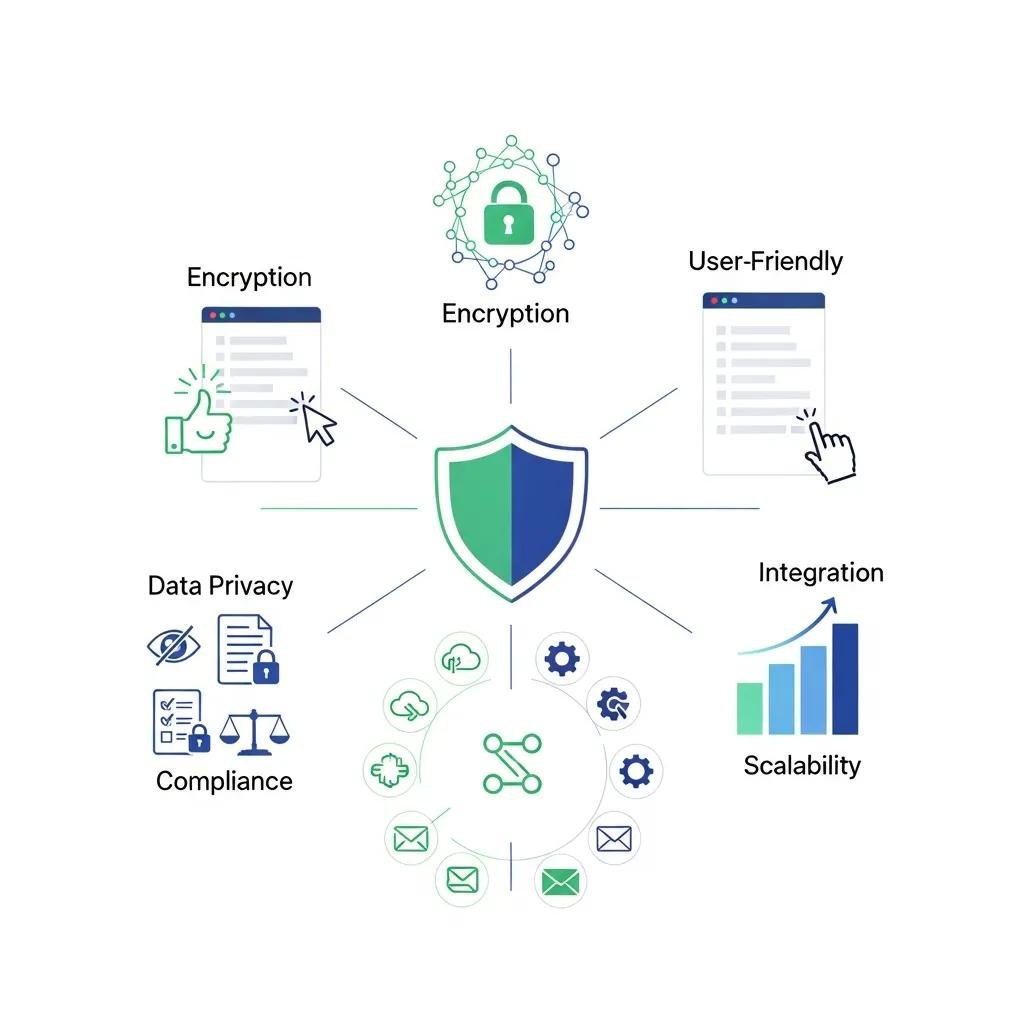
When selecting a secure form builder, therapists should prioritize features that ensure both security and usability. Key features to consider include encryption capabilities, compliance with HIPAA regulations, and user-friendly interfaces that allow for easy customization. Additionally, integration options with other tools, such as electronic health records (EHR) systems, can enhance workflow efficiency. By focusing on these essential features, therapists can choose a form builder that meets their specific needs while ensuring the security of client data.
Which Security and Compliance Features Ensure HIPAA Adherence?
To ensure HIPAA adherence, therapists should look for form builders that offer robust security features such as encryption in transit and at rest, secure data storage, and the ability to generate audit logs. These features help track who accessed patient information and when, providing an additional layer of security. Furthermore, the availability of a Business Associate Agreement (BAA) is crucial, as it legally binds the service provider to maintain the confidentiality of patient data.
How Do Usability Features Like Customization and E-Signatures Enhance Therapist Workflows?
Usability features such as customization options and e-signatures significantly enhance therapist workflows by simplifying the intake process. Customizable forms allow therapists to tailor questions to their specific practice needs, ensuring that they gather all necessary information from clients. E-signatures facilitate a seamless process, enabling clients to sign documents electronically, which saves time and reduces the need for physical paperwork. These features not only improve efficiency but also enhance the overall client experience.
Which Are the Best HIPAA Compliant Form Builders for Mental Health Professionals?
Several form builders stand out for their HIPAA compliance and features tailored for mental health professionals. These tools offer a range of functionalities that cater specifically to the needs of therapists, ensuring secure and efficient client intake.
How Does Jotform Support Secure Therapist Intake and Client Communication?
Jotform is a popular choice among therapists due to its user-friendly interface and robust security features. It offers HIPAA compliance, allowing therapists to create secure forms that protect patient data. Jotform also provides customizable templates specifically designed for mental health professionals, making it easy to gather necessary information from clients while ensuring compliance with regulations.
What Are the Benefits of IntakeQ and FormDr for Private Practice Intake?
IntakeQ and FormDr are both excellent options for private practice intake, offering features that streamline the onboarding process. IntakeQ provides a comprehensive platform that includes secure forms, scheduling, and billing integration, all while maintaining HIPAA compliance. FormDr, on the other hand, focuses on creating customizable forms that can be easily integrated into existing websites, ensuring a seamless client experience. Both platforms enhance practice efficiency and client communication.
How Do Formsort and Hushmail Compare for Secure Online Therapy Forms?
Formsort and Hushmail are two additional options for secure online therapy forms. Formsort excels in its customization capabilities, allowing therapists to create highly tailored forms that meet their specific needs. Hushmail, known primarily for its secure email services, also offers HIPAA-compliant forms that integrate with its email platform. Both tools provide essential features for therapists looking to enhance their client intake processes while ensuring data security.
How Can Therapists Integrate Secure Online Forms Seamlessly into Their Websites?
Integrating secure online forms into therapist websites is crucial for enhancing client accessibility and streamlining the intake process. By embedding these forms directly into their websites, therapists can provide clients with a convenient way to complete necessary paperwork before their first appointment.
What Are Best Practices for Embedding HIPAA Compliant Forms on Therapist Websites?
Best practices for embedding HIPAA compliant forms on therapist websites include ensuring that the forms are easily accessible and mobile-friendly. Therapists should also provide clear instructions on how to complete the forms and ensure that they are visually appealing to encourage client engagement. Additionally, using secure hosting services and SSL certificates can further enhance the security of the forms.
How Does Therapeia Web Design Facilitate Secure Form Integration and Branding?
Therapeia Web Design specializes in crafting secure, responsive, and user-friendly websites tailored for therapists, counselors, and coaches. Their core mission is to empower mental health professionals to establish a robust online presence, fostering credibility and streamlining client interactions. A key offering, the ‘Website in a Week’ service, underscores their commitment to rapid, stress-free website deployment. By integrating secure online forms into therapist websites, Therapeia ensures that client data is protected while enhancing the overall user experience.
What Complementary Tools Enhance Secure Client Intake and Communication?
In addition to secure form builders, several complementary tools can enhance client intake and communication for therapists. These tools can streamline workflows and improve client engagement, making the overall process more efficient.
How Do HIPAA Compliant Client Portals Improve Therapist-Client Interaction?
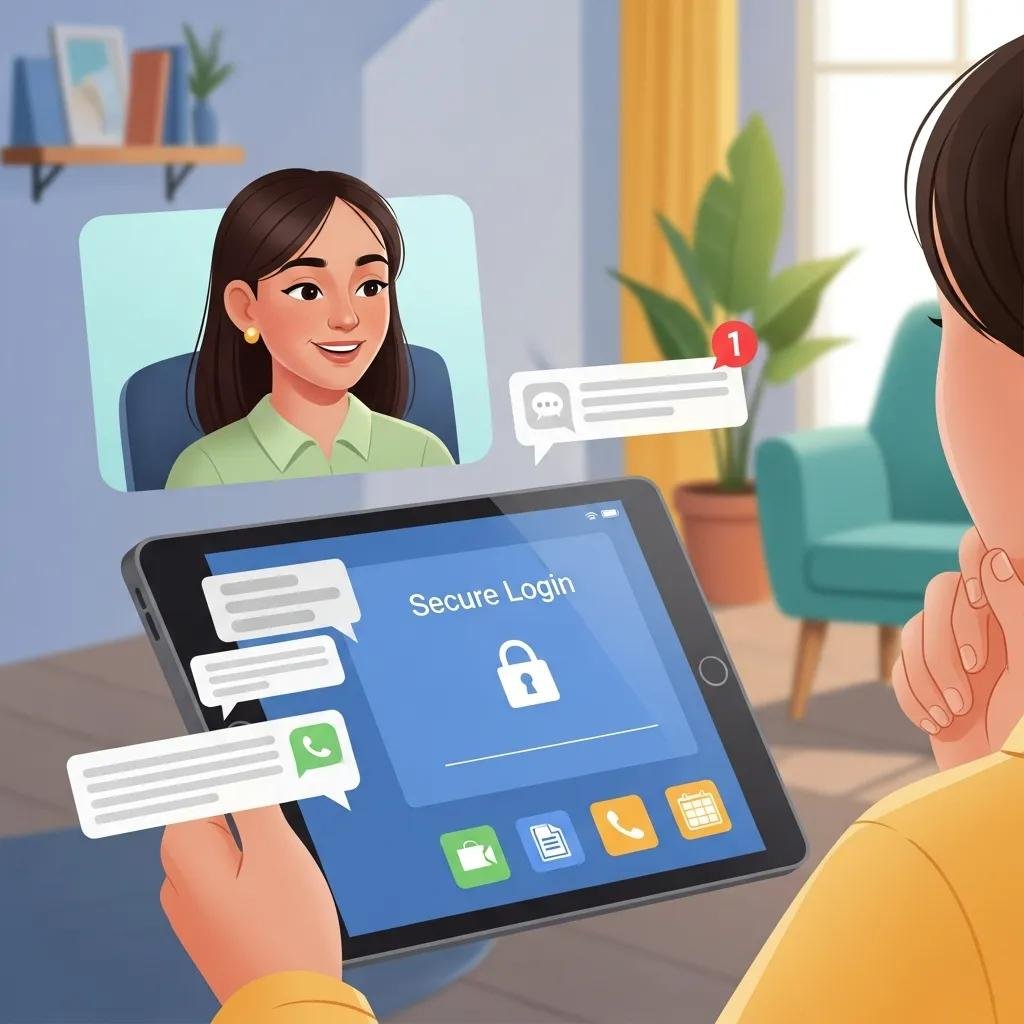
HIPAA compliant client portals provide a secure platform for therapists and clients to communicate and share information. These portals allow clients to access their records, schedule appointments, and complete forms securely. By facilitating direct communication, client portals enhance the therapeutic relationship and improve overall client satisfaction.
Which Scheduling Solutions Integrate Securely with Online Intake Forms?
Several scheduling solutions integrate securely with online intake forms, allowing therapists to manage appointments efficiently. Tools like Calendly and Acuity Scheduling offer HIPAA compliant features when used with appropriate plans and configurations that include a BAA, ensuring client data remains secure while providing a seamless scheduling experience. By integrating these solutions, therapists can streamline their administrative tasks and focus more on client care.
What Are Common Questions About Secure Online Forms for Therapists?
As therapists explore secure online forms, several common questions arise regarding their use and compliance with regulations. Addressing these questions can help clarify the importance of choosing the right tools for client intake.
What Makes an Online Form HIPAA Compliant?
An online form is considered HIPAA compliant if it meets specific security standards, including data encryption, secure storage, and access controls. Additionally, the form must be hosted by a service provider that offers a Business Associate Agreement (BAA) to ensure compliance with HIPAA regulations. By understanding these criteria, therapists can make informed decisions when selecting form builders.
Can Therapists Use Google Forms for HIPAA Compliant Intake?
While Google Forms is a popular tool for creating online forms, it is not HIPAA compliant by default. Google does offer a BAA for Google Workspace customers, but Google Forms itself is not covered under this agreement, making it unsuitable for collecting protected health information (PHI) in a HIPAA compliant manner. For this reason, it is advisable for therapists to choose dedicated HIPAA compliant form builders that offer the necessary security features.
How Do Therapists Choose the Right Secure Form Builder for Their Practice?
When choosing a secure form builder, therapists should consider factors such as HIPAA compliance, ease of use, customization options, and integration capabilities with other tools. Additionally, reading reviews and seeking recommendations from peers can help therapists identify the best options for their specific needs. By carefully evaluating these factors, therapists can select a form builder that enhances their practice while ensuring client data security.