How Do Your SEO Efforts Impact Patient Booking Rates for Therapy Practices
By Therapeia Web Design Editorial Team · Updated 2026-08-05
When it comes to How Do Your SEO Efforts Impact Patient Booking Rates for Therapy Practices?, therapeia Web Design, based in Bolton, Manchester, boosts patient booking rates through local SEO, optimized service pages, and mobile-friendly site design. Their 50-employee team targets high-intent keywords, builds Google Business Profile authority, and improves page speed, driving qualified traffic that converts visitors into scheduled therapy appointments consistently.
Local map optimization, on-page content, and technical website fixes drive higher booking rates by capturing clients searching Google for immediate mental health support. Therapeia Web Design, a 50-employee agency based in Bolton, Manchester, builds these SEO foundations specifically for therapy practices seeking consistent, qualified patient inquiries.
Effective SEO for therapy practices combines local map optimization, on-page content strategy, and technical website fundamentals with clinical UX design and mental-health-specific schema markup. Local SEO for therapists ensures practices appear when prospective clients search nearby. BAA-compliant contact forms and conversion-focused layouts turn that visibility into booked consultations rather than abandoned inquiries.
Key Takeaways
- Most therapy clients begin their mental health support search on Google, making online visibility critical.
- Therapeia Web Design’s 50-person team in Bolton delivers SEO strategies specifically for mental health practices.
- Implementing 10 core SEO steps directly increases therapy practice rankings and patient booking rates.
- Local SEO optimization helps therapists capture nearby patients actively searching for mental health support.
How Do Your SEO Efforts Impact Patient Booking Rates for Therapy Practices?
Search engine optimization for therapy practices raises booking rates by placing a practice in front of people already searching for mental health support. That visibility matters because most prospective clients begin their search on Google before they ever call a front desk or fill out a contact form. A practice absent from those results loses the booking before the conversation even starts.
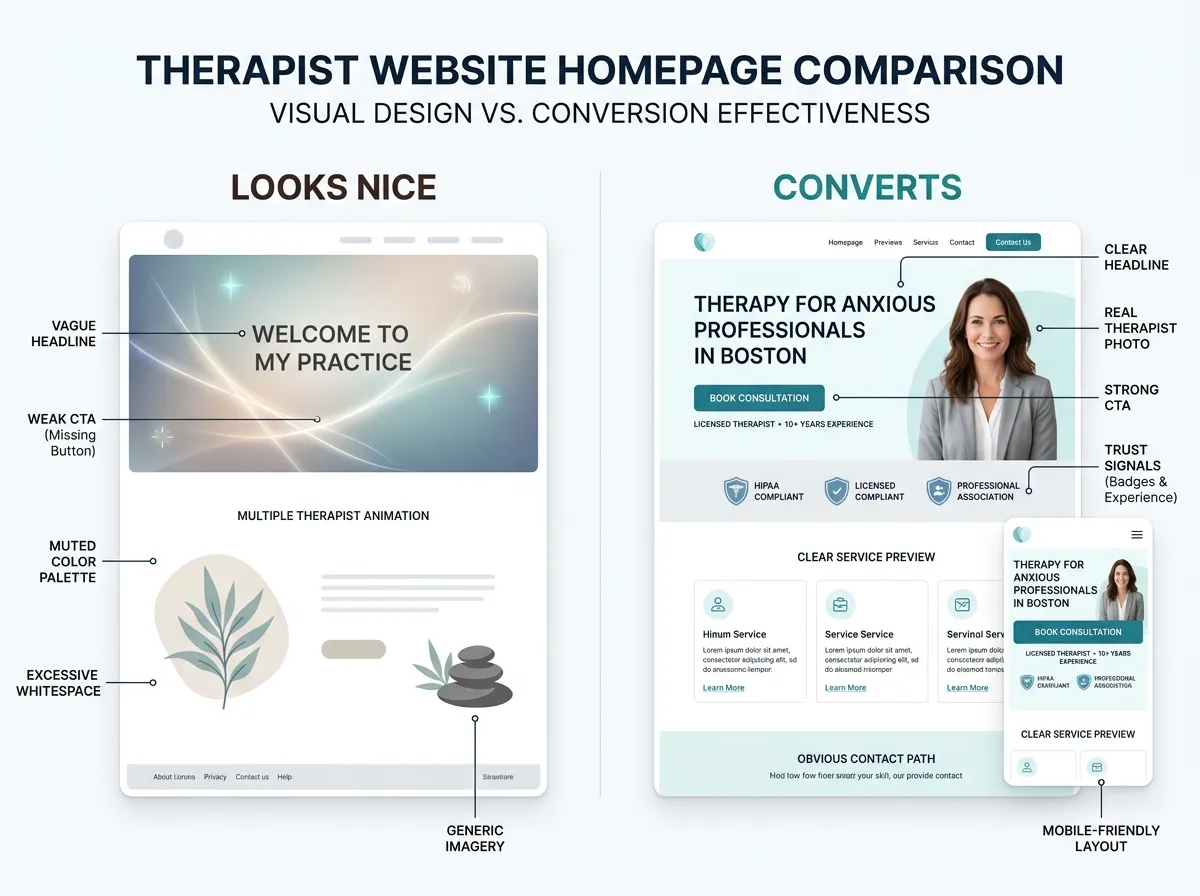
Visibility alone doesn’t fill a caseload, though. Once a searcher lands on the site, the experience has to carry them toward scheduling. Clean design, reliable development, and thoughtful conversion-focused website architecture turn that initial click into a booked consultation rather than an abandoned tab.
Does better website design actually increase bookings?
Yes. A site built with intuitive navigation and dependable technical performance keeps prospective clients moving toward the scheduling page instead of bouncing to a competitor. Design and development work together here — one without the other stalls the booking process.
What happens after a client finds the practice online?
Administrative systems take over. The right practice-management tools reduce friction behind the scenes, freeing staff to respond to inquiries quickly instead of drowning in paperwork.
Three factors typically shape booking outcomes together:
- Search visibility — determines whether the practice appears at all
- Site conversion architecture — determines whether visitors act
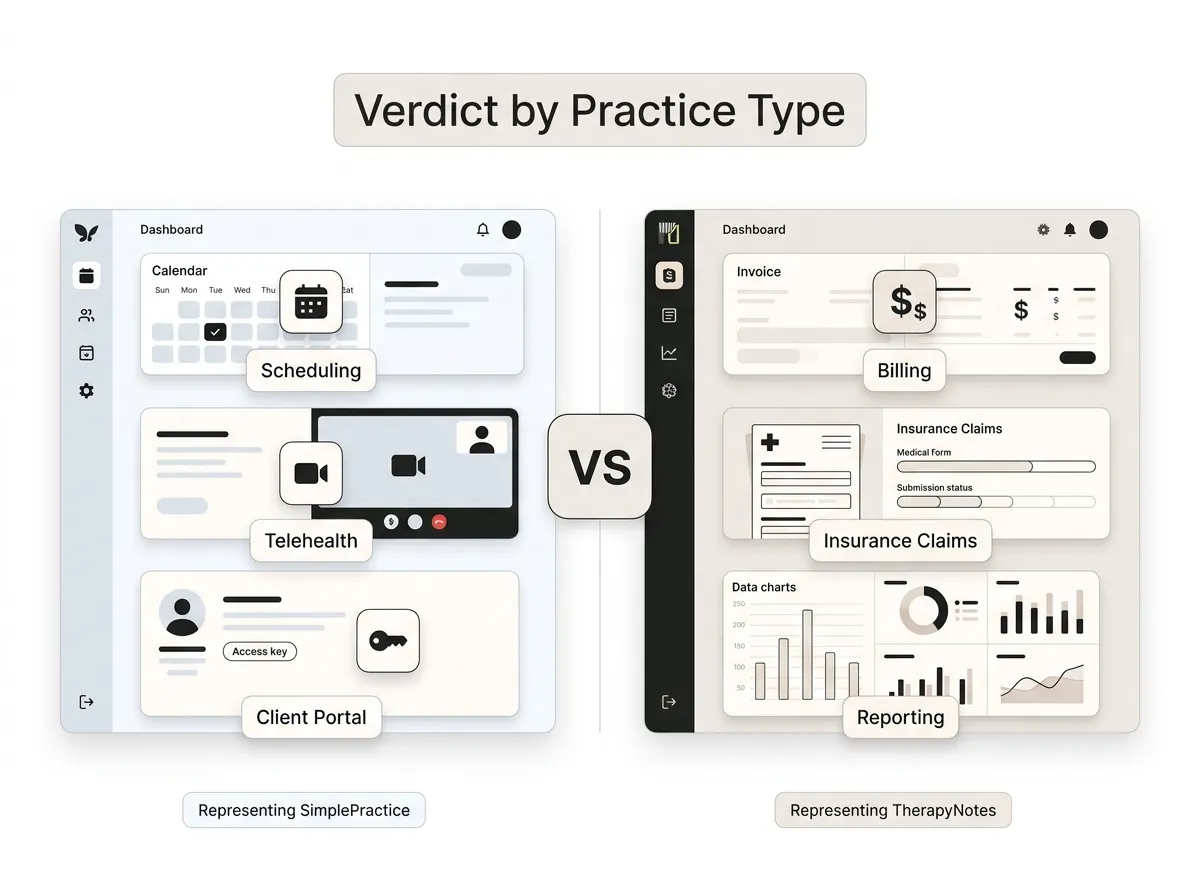
- Operational tools, including EHR and CRM systems — determine whether inquiries become confirmed sessions
Choosing the right EHR platform, in particular, affects operational performance broadly enough to influence how efficiently booking requests get processed.

What Local SEO Tactics Fill Your Caseload Fastest?
Local map optimization fills a caseload faster than any other tactic available to therapy practices. Practices that strengthen their presence on Google Maps. Local directories appear directly in front of prospective clients searching nearby, cutting through the noise that buries generic listings. Skipping this step costs practices visibility precisely when a searcher is ready to book.
Ranking locally also depends on the technical foundation underneath it. Local SEO for therapists works best paired with low-friction EHR integrations. A fast, functional booking path keeps newly discovered clients from abandoning the process. Visibility without operational follow-through wastes the traffic gained.
What else belongs in a complete local SEO plan?
Map presence alone doesn’t sustain rankings. A durable strategy also covers:
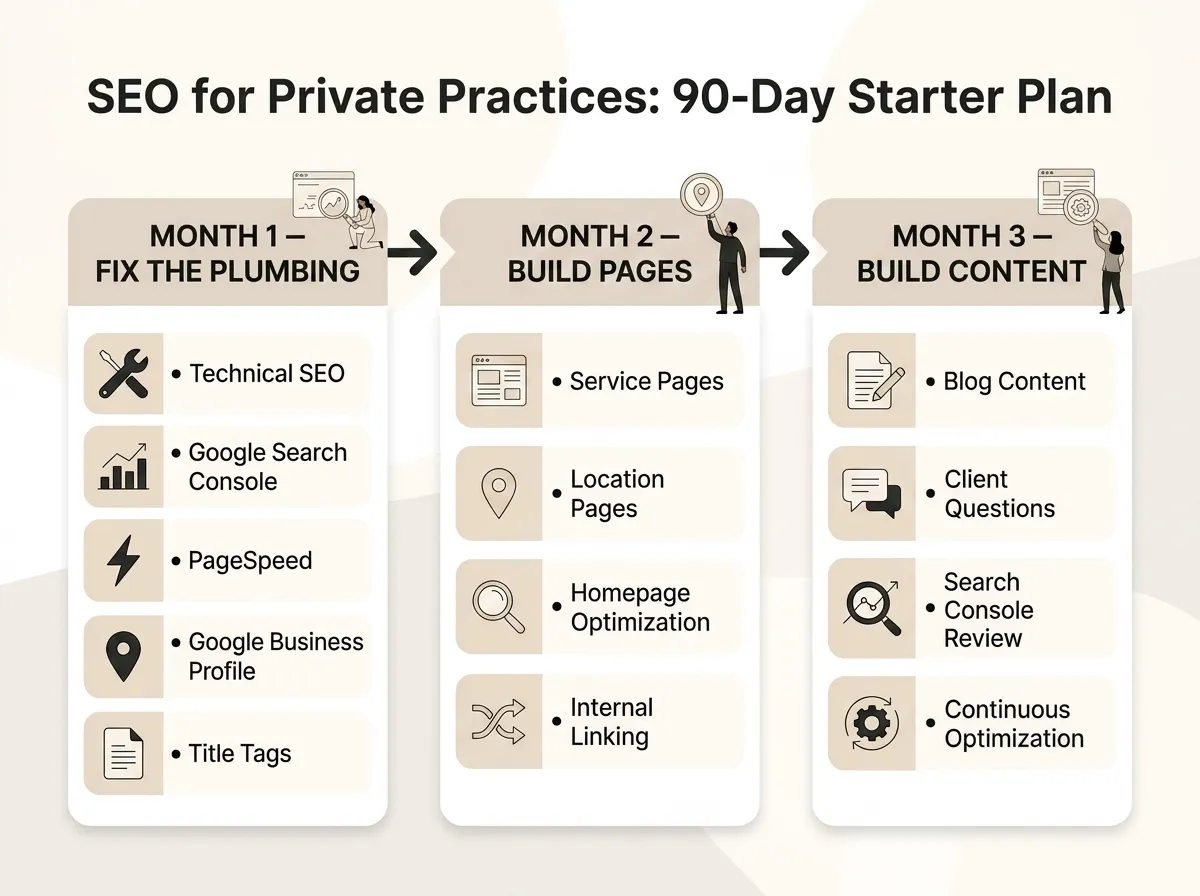
- Technical website basics, including site speed and mobile usability
- On-page content built around real client search terms
- Ongoing metrics tracking to catch ranking drops early
- Visibility within newer AI-driven search tools
Does ethical SEO matter for mental health providers?
Ethical local SEO practices protect professional standing while expanding reach. Providers who avoid manipulative tactics build sustainable visibility, supporting digital growth strategies like online resource sales and member communities without risking client trust or licensing compliance.

Which On-Page and Technical Fixes Convert Searches Into Consultations?
Four technical fixes turn casual searchers into booked consultations: precise keyword targeting, schema markup, secure intake forms, and accessibility compliance. Each addresses a distinct point where prospective clients drop off before scheduling a session. Neglecting any one of them widens the gap between search visibility and a filled caseload.
Strategic keyword use built around the exact phrases prospective clients type. “anxiety therapist near me” or “trauma-informed counseling” — anchors on-page SEO. Search engines cannot match a practice to a query without that language present on the page.
Does schema markup actually help therapy websites rank?
Yes. Semantic SEO and schema markup for mental health professionals structure practice data. Services, credentials, location — so search engines connect the right query to the right page. This structured signaling clarifies relevance well beyond plain text.
What technical barriers quietly kill bookings?
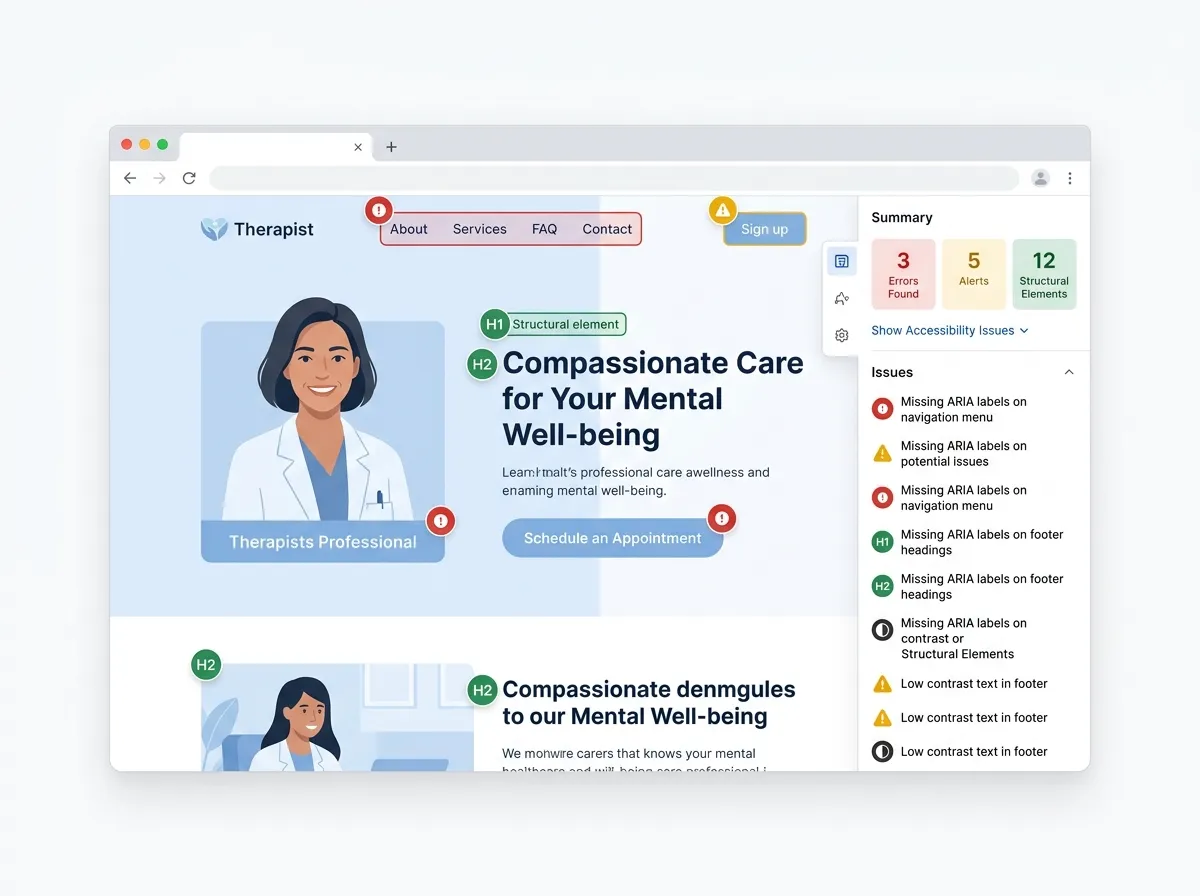
Two issues do the most damage. Secure, BAA-compliant intake forms remove friction that causes prospects to abandon booking mid-process. Clients hesitate to share sensitive information on unsecured pages. WCAG 2.1 accessibility standards optimized for neurodiverse patients clear navigation barriers that would otherwise suppress conversion, particularly for visitors who need clear structure and reduced sensory overload to complete a form.
- Keyword alignment with client search language
- Schema markup for service and provider data
- BAA-compliant, encrypted intake forms
- WCAG 2.1 accessibility for neurodiverse visitors
Effective SEO for therapy practices transcends technical optimization—it represents a commitment to meeting prospective patients where they search and guiding them confidently toward care. By aligning search visibility with clinical user experience, practitioners establish trust before the first consultation. The convergence of strategic keyword targeting, conversion-focused architecture, and trauma-informed design transforms organic traffic into meaningful bookings, ultimately strengthening both practice growth and patient outcomes.
FAQ
How does SEO improve booking rates for therapy practices?
SEO combines local map optimization, on-page content, and technical fixes to capture clients actively searching Google for mental health support, turning that visibility into consistent, qualified patient inquiries.
Does website design influence patient bookings?
Yes, intuitive navigation and dependable technical performance guide prospective clients toward the scheduling page. Conversion-focused layouts and BAA-compliant contact forms prevent abandoned inquiries.
What role does local SEO play in filling a caseload?
Local map optimization puts practices directly in front of nearby prospective clients searching Google Maps. Local directories, cutting through the noise that buries generic listings.

Facts
- Therapeia Web Design is located in Bolton, Manchester, United Kingdom.
- Therapeia Web Design has 50 employees.