Your Therapist Website: Strategic Asset for Practice Growth and ROI
A professional website is a strategic asset that supports practice growth and client engagement. Thoughtful design improves visibility, strengthens credibility, and creates clear pathways for client enquiries and bookings. This article summarises the benefits, essential features, website equity, and how to measure digital return on investment.
What Are the Key Benefits of Professional Therapist Website Design?
A professional site enhances discoverability, improves user experience, and increases operational efficiency for a therapy practice.
- Enhanced Client Acquisition: Better visibility in search and social channels attracts new clients.
- Improved User Engagement: Clear, usable design encourages visitors to explore services and book.
- Greater Return on Investment (ROI): Automations like online booking reduce admin and boost capacity.
These advantages help convert interest into booked consultations more reliably.
How Does Customized Web Design Enhance Therapy Practice Credibility?
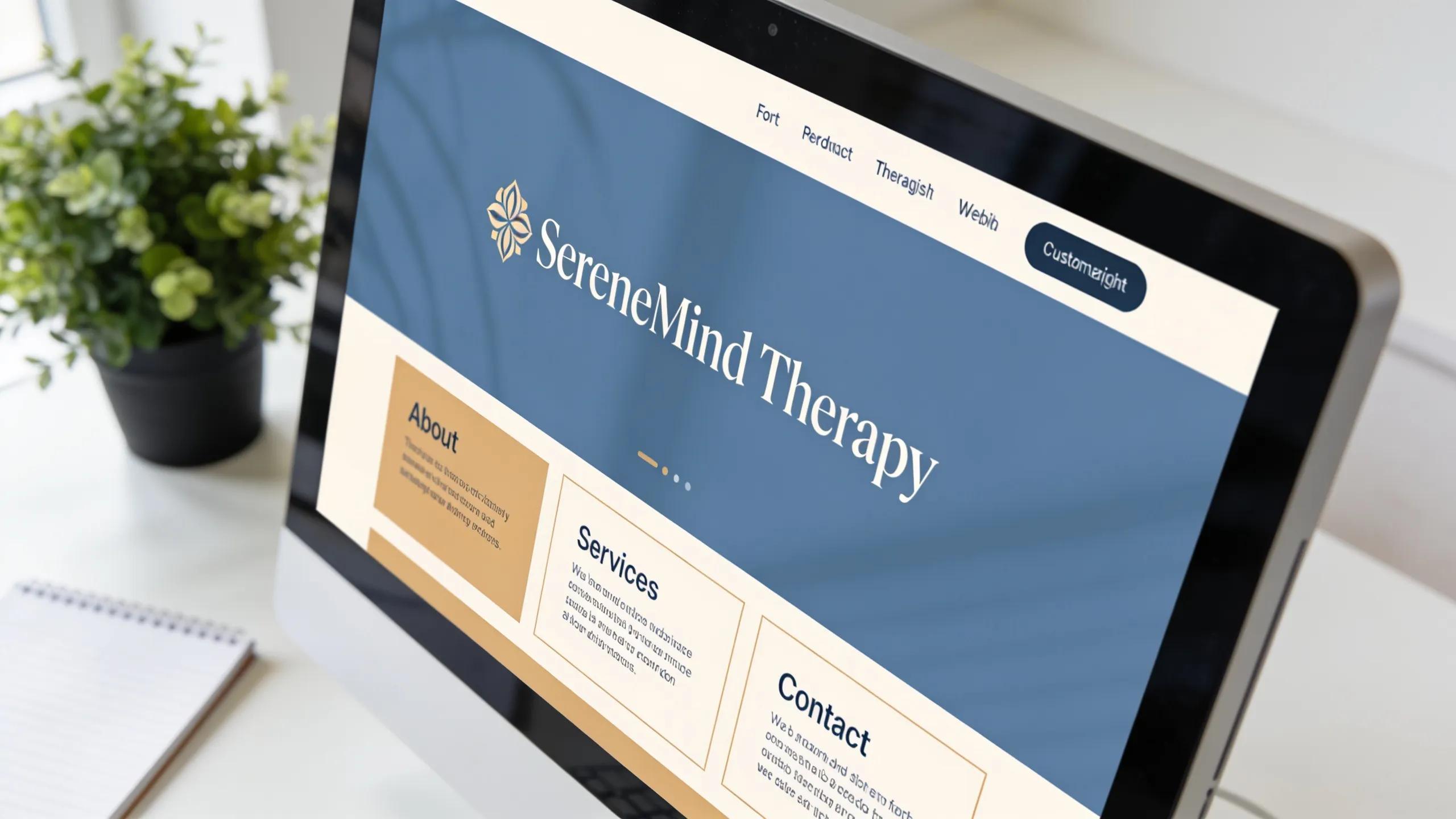
Customized design communicates competence and aligns the website with your clinical specialism and client expectations.
- Unique Brand Identity Creation: Showcases your approach and specialties to build trust.
- Enhanced User Experience: Intuitive layouts reduce friction and improve client confidence.
- SEO Optimization: Well-structured content positions you as a qualified local expert.
Prioritising these elements supports a credible online presence that appeals to prospective clients.
Which Features Improve User Experience and Lead Conversion for Therapists?
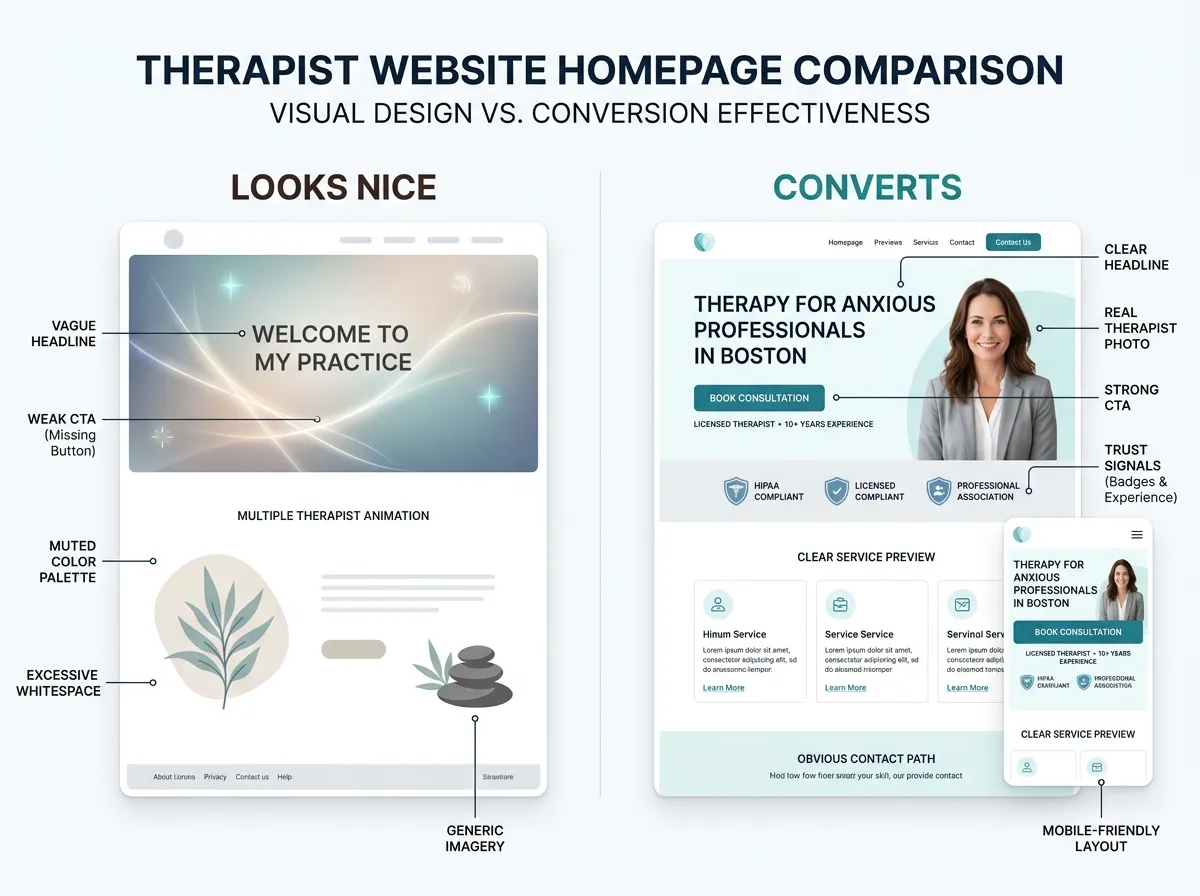
Targeted features reduce friction for visitors and make contacting or booking straightforward.
- User-Friendly Navigation: Help visitors find services, fees, and contact details quickly.
- Online Booking Systems: Allow clients to schedule without phone calls or delays.
- Clear Calls to Action: Guide visitors to book, call, or enquire with minimal steps.
When implemented well, these features increase conversions and client engagement.
How Does Your Therapist Website Function as a Digital Asset for Practice Value?
Your website lowers acquisition costs, extends marketing reach, and formalises intake workflows, creating lasting practice value.
- Client Acquisition Cost Reductions: Organic traffic and targeted content can reduce ad spend per client.
- Building Brand Reputation: A consistent online presence fosters trust and repeat interest.
- Measurable Returns on Investment: Analytics show which pages and campaigns deliver bookings.
Optimising design and content strengthens this digital asset over time. For practices seeking specialised support, Lead Generation & Information Hub offers tailored web design services for therapists.
What Is Website Equity and Its Role in Therapy Practice Growth?
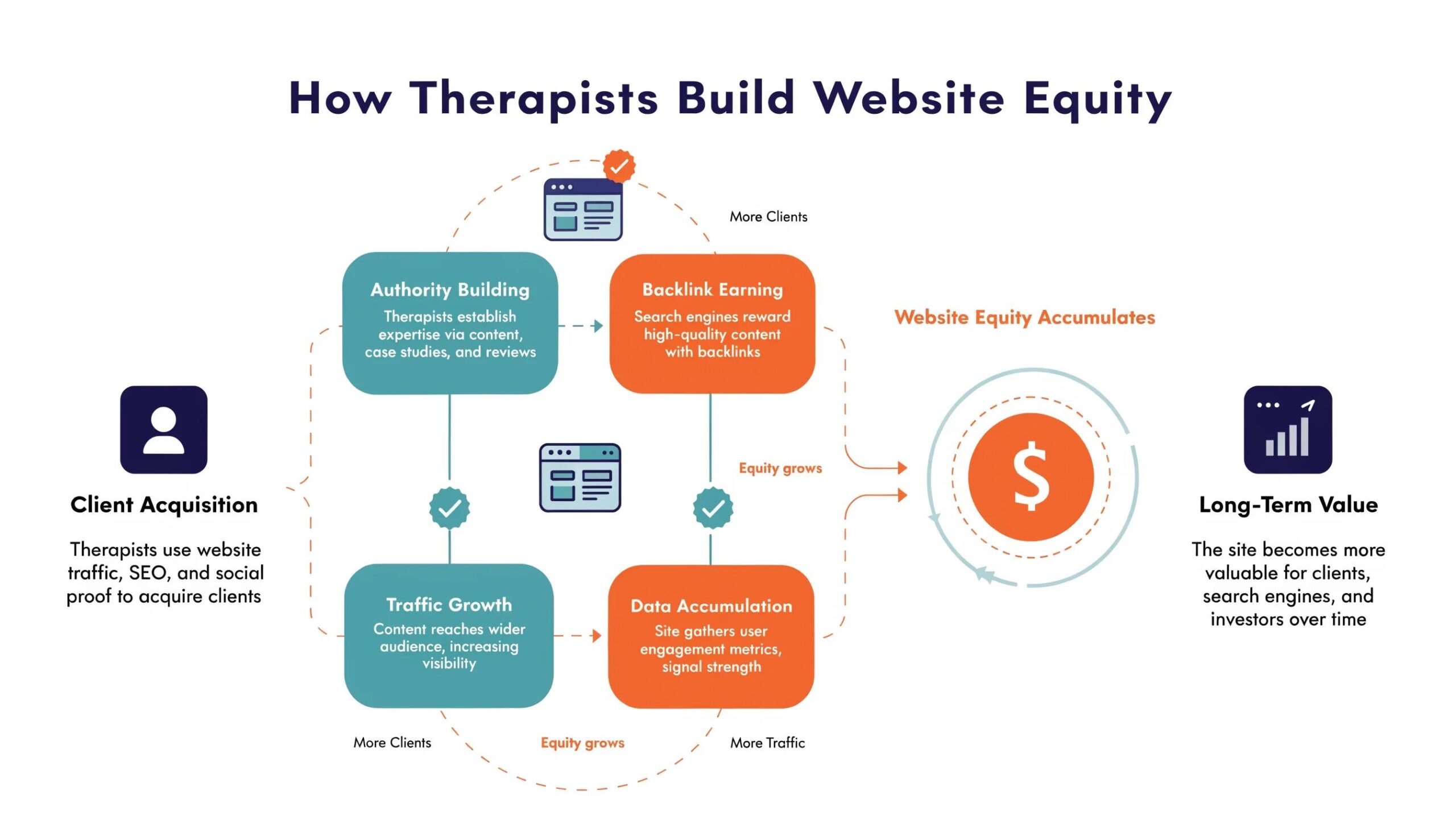
Website equity is the cumulative value created by quality content, returning visitors, and search visibility. It supports sustained digital performance and client trust.
- Impact on Client Acquisition: Strong equity lowers the cost to acquire clients as trust and rankings improve.
- Establishing Authority: Useful content positions you as an informed practitioner in your niche.
- Long-Term Value Compared to Directory Listings: A well-maintained site builds lasting value beyond transient listings.
Recognising website equity helps prioritise investments that yield steady growth and improved acquisition efficiency.
How Can Investing in Your Website Increase Therapy Practice Revenue and Reputation?
Strategic investment attracts clients organically and improves retention, both of which support revenue and reputation.
- Lower Client Acquisition Costs: Organic visibility reduces reliance on paid ads.
- Improvement in Client Retention: Clear information and resources support ongoing client relationships.
- Automation Leading to Operational Efficiency: Scheduling and billing automations free time for clinical work.
These elements combine to produce measurable financial and operational benefits.
What Is the Measurable Return on Investment from a Professional Therapy Website?
ROI is determined by tracking metrics that link site activity to bookings and revenue.
- Tracking Client Acquisition Costs: Compare marketing costs to revenue from new clients.
- Evaluating Lead Conversion Rates: Measure what proportion of enquiries become bookings.
- Measuring Overall Revenue Generated: Attribute income to online sources to assess value.
Regular monitoring enables data-driven optimisation of the website and campaigns.
Which Metrics Demonstrate Therapy Website Impact on Client Acquisition?
Focus on a few actionable metrics to evaluate website impact on client growth.
- Client Acquisition Cost Metrics: Track cost per new client by channel.
- Lead Conversion Rates: Monitor visitor-to-booking ratios for key pages.
- Revenue Generated from Website Clients: Calculate income attributable to online-sourced clients.
Using these metrics guides marketing priorities and website improvements.
How Do Case Studies Prove Business Value of Therapy Website Development?
Case studies show practical outcomes—more enquiries, bookings, and increased revenue after focused site improvements.
- Impact of Website Development on Client Inquiries: Redesigned sites commonly yield notable inquiry increases.
- Long-Term Benefits Illustrated Through Examples: Sustained traffic and bookings often follow targeted optimisations.
- Comparison to Traditional Marketing Methods: Digital-first strategies can outperform conventional channels on reach and retention.
These examples help set realistic expectations for web development projects.
What Should Therapists Consider When Investing in Website Development Services?
Evaluate costs, features, and expected returns before commissioning a site to ensure alignment with practice goals.
- Analyzing Setup Costs and Maintenance: Balance upfront fees with ongoing hosting and updates.
- Essential Features for Professional Websites: Include booking, contact forms, and clear service pages.
- Understanding Expected Returns on Investment: Set measurable goals for enquiries and bookings.
Careful evaluation prior to engagement helps ensure the chosen solution supports strategic objectives and budgets.
How to Choose Professional Therapy Website Design Services Aligned With Practice Goals?
Select a partner who understands required features, cost structures, and healthcare compliance.
- Assessing Needs for Essential Features: Confirm the provider can deliver necessary functionality.
- Comparing Quotes from Design Services: Get multiple proposals to balance cost and quality.
- Ensuring Compliance with Regulations: Verify the team understands confidentiality and legal standards.
These steps help you choose a compliant, scalable provider aligned with growth objectives.
Which Strategic Frameworks Support Maximizing Digital Asset Value for Therapy Practices?
Structured frameworks guide goal setting, SEO, and content planning to maximise website value.
- Strategic Planning for Website Goals: Set clear performance and engagement objectives.
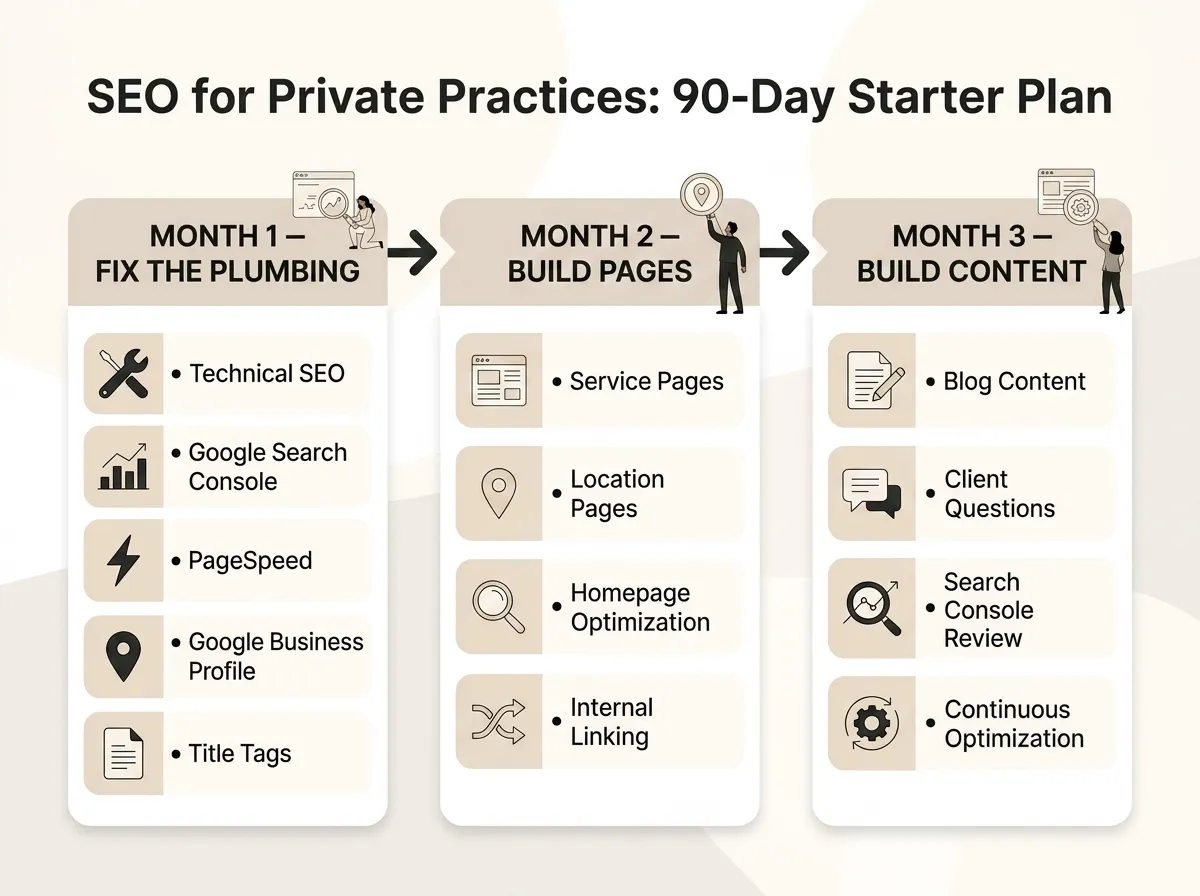
- SEO and Marketing Implementation Frameworks: Apply consistent SEO and content practices to boost visibility.
- Content Marketing Strategies for Engagement: Update content regularly and act on client feedback.
These frameworks support focused decision-making and sustained client engagement.
Frequently Asked Questions
1. What should I consider when choosing a domain name for my therapy website?
Pick a short, memorable domain that reflects your practice and, if useful, a location or keyword. Check spelling ease and social availability for consistency.
2. How often should I update the content on my therapist website?
Update active content every few months and perform an annual review to keep information accurate and current.
3. How can I optimize my therapy website for local SEO?
Use local keywords, claim your Google listing, embed a map, and encourage client reviews to improve local visibility.
4. What are the essential legal and ethical considerations for therapist websites?
Follow confidentiality and data-protection requirements, include disclaimers, list credentials, and publish a clear privacy policy.
5. How can I utilize social media to complement my therapist website?
Share authoritative content that links back to your site, engage professionally, and use social posts to amplify resources.
6. What are some effective ways to measure the success of my therapy website?
Use analytics to track traffic, bounce rates, and conversions like contact form completions or bookings; review trends regularly.
7. Can a blog on my therapy website really help my practice?
Yes. A concise, well-maintained blog demonstrates expertise, supports SEO, and attracts clients who value your insights.
Conclusion
Investing in a professional therapist website produces measurable benefits—from improved client acquisition to stronger credibility. Optimising design, features, and content creates a durable digital asset that supports sustained practice growth. Explore tailored web design services to elevate your practice’s online presence.