Why Your Website Is Your Best Referral Source: Website Referral Strategies for Therapists to Convert Visitors Into Clients
A therapist’s website acts as a referral engine when it is intentionally designed and optimised for conversion. Beyond representing your practice, the site must move prospective clients from discovery to booking with minimal friction. This article summarises practical strategies—user-focused design, SEO, and targeted content—that improve connection rates, simplify the client journey, and support practice growth. The sections below describe the core components that make a website a reliable referral source.
User-Friendly Design
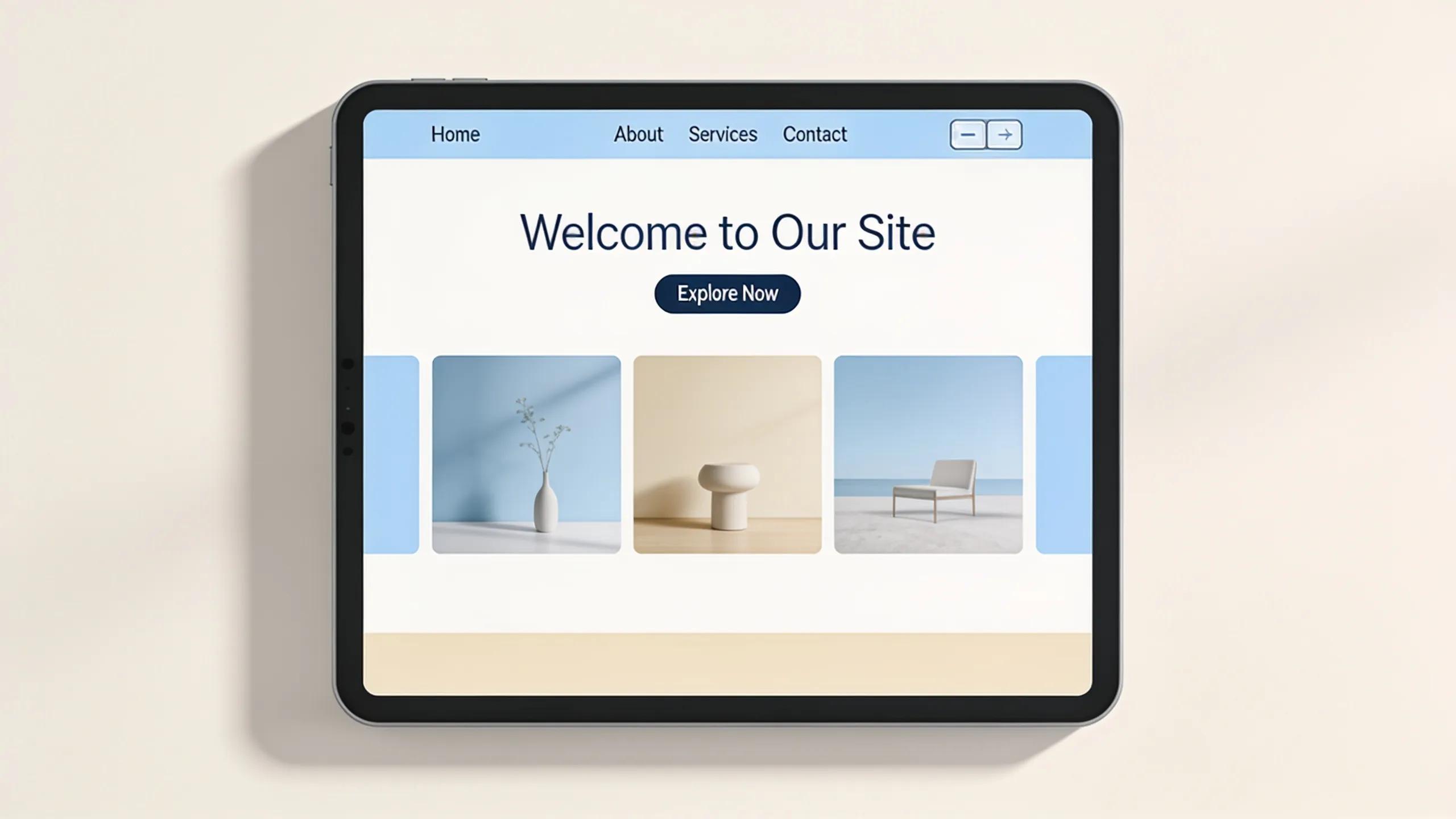
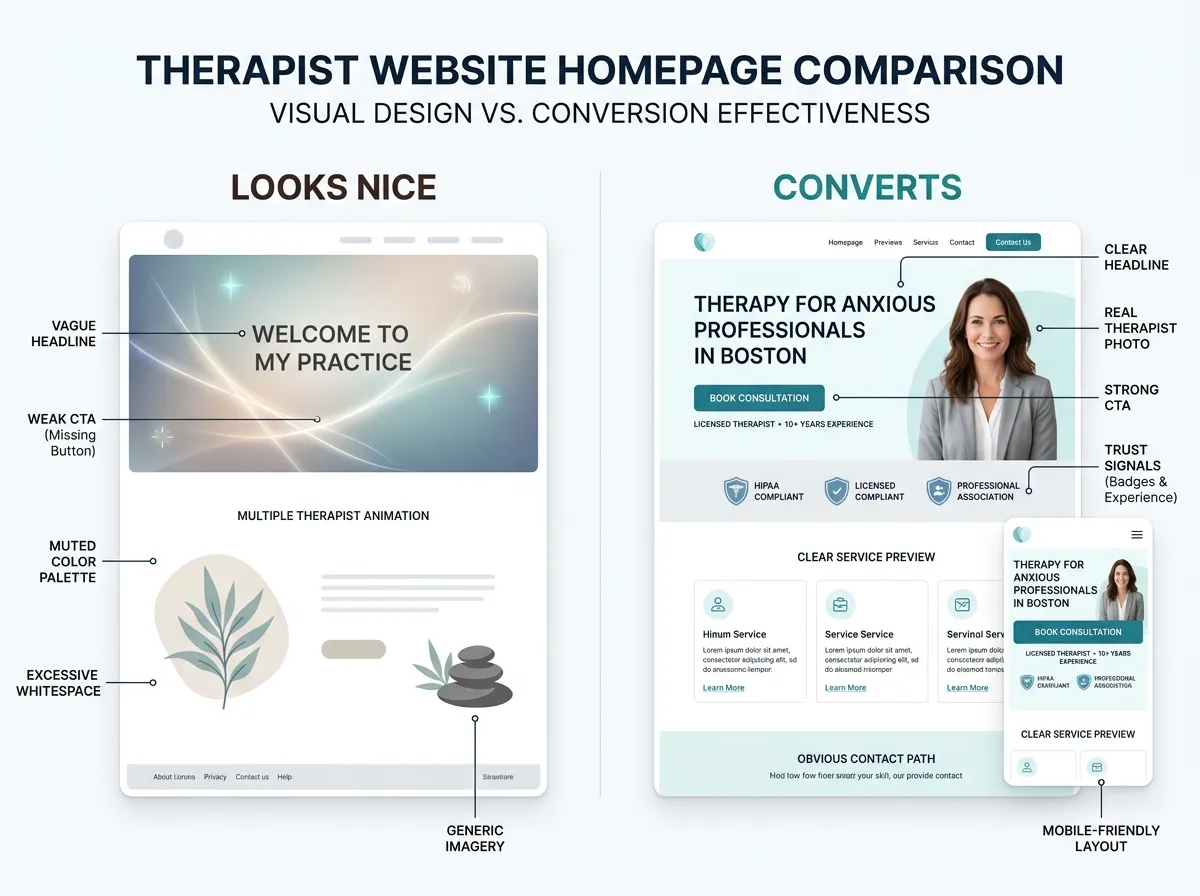
User-focused design shapes perception and engagement. Calm, professional layouts and a clear information hierarchy build trust, while intuitive structure reduces friction for visitors seeking services. Mobile responsiveness ensures consistent access across devices. Together these choices increase the chance that visitors stay and take the next step toward contact or booking.
Therapeia Web Design applies clinical UX and conversion-focused frameworks so your site reflects clinical competence and supports referral generation. A refined web presence provides a dependable base for attracting and converting clients.
Clear Navigation
Clear navigation shortens the path to important information, lowering bounce rates and improving engagement. Logical menus, obvious calls to action, and predictable flows help visitors find services, fees, and contact options quickly. When information is easy to locate, users are more likely to initiate contact or schedule an appointment.
Compelling Calls to Action (CTAs)
Effective CTAs use direct, action-oriented language and appear where visitors expect guidance. Place CTAs alongside content that addresses visitor concerns so they feel relevant and helpful. Strategically placed CTAs turn interest into measurable actions like contact requests or appointment bookings.
Online Booking Systems
Integrated booking systems reduce friction by allowing clients to schedule appointments without phone or email exchanges. This convenience improves conversion rates and lessens administrative load, letting clinicians focus on care instead of scheduling.
Engaging Content
Content that addresses common client concerns and reflects clinical perspective builds credibility and encourages return visits. Regularly published, useful material positions the therapist as an expert and supports SEO, driving more qualified traffic that is likelier to convert.
Client Testimonials

Testimonials provide social proof that reinforces trust and reduces uncertainty for prospective clients. Presenting them clearly and in context amplifies their effect and encourages new inquiries by illustrating real experiences and outcomes.
SEO Optimization
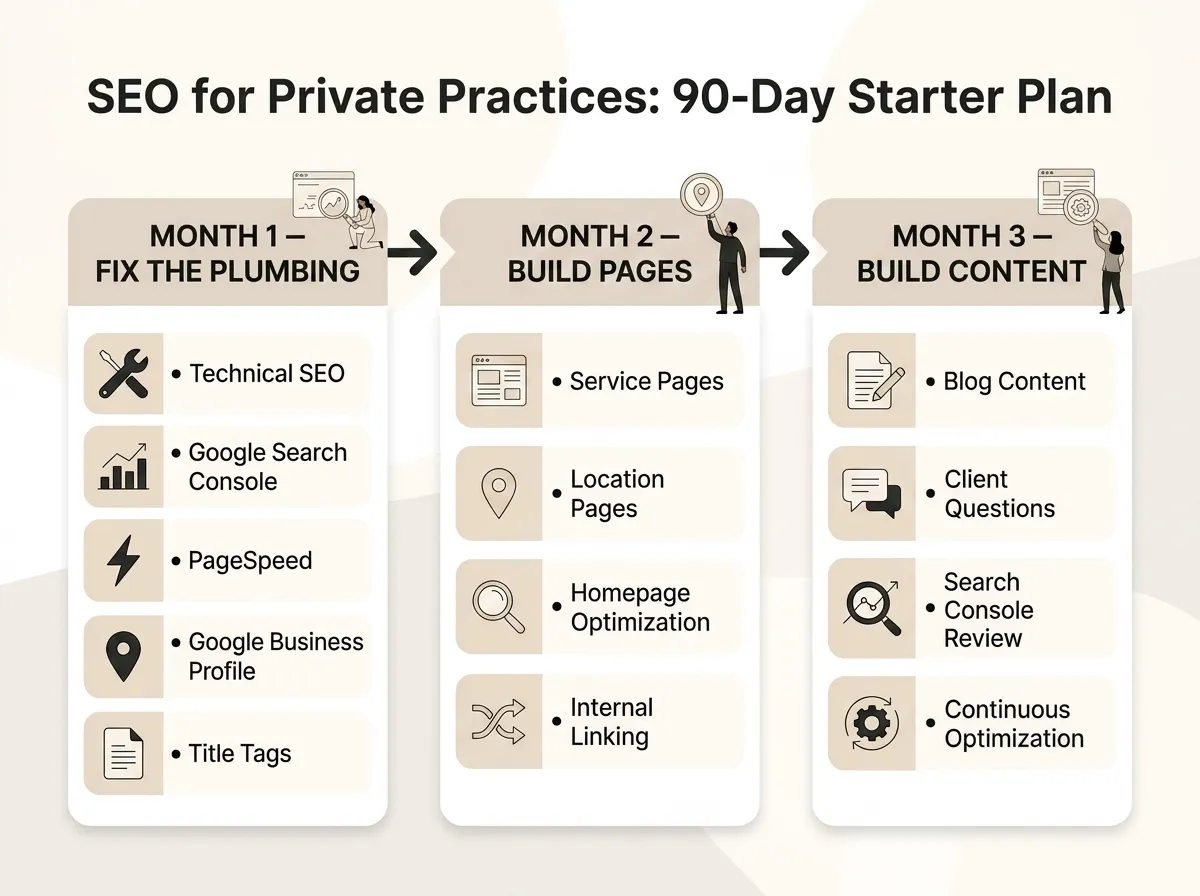
SEO improves discoverability by aligning site content with how potential clients search for services. Use relevant keywords, structured content, and local optimisation to increase visibility. Prioritising site quality alongside local signals helps therapists appear for nearby clients seeking care.
Therapeia Web Design specialises in SEO strategies for therapists, focusing on lead generation through optimised web content.
Trust-Building Features
Visible privacy policies, secure contact forms, and clear service descriptions reassure visitors about data handling and professional standards. Communicating these features increases perceived safety and reduces barriers to contact.
Regular Content Updates
Keeping content current sustains engagement and supports search performance. Regular updates—new articles, refreshed resources, or timely guidance—signal expertise to visitors and search engines, encouraging repeat visits and improving referral potential.
Analytics Tracking
Analytics tools provide measurable insight into visitor behaviour and conversion paths. Tracking traffic sources, page performance, and conversion funnels enables data-driven adjustments that improve website effectiveness over time.
How Does a Professional Website Build Client Trust and Boost Referrals for Therapists?
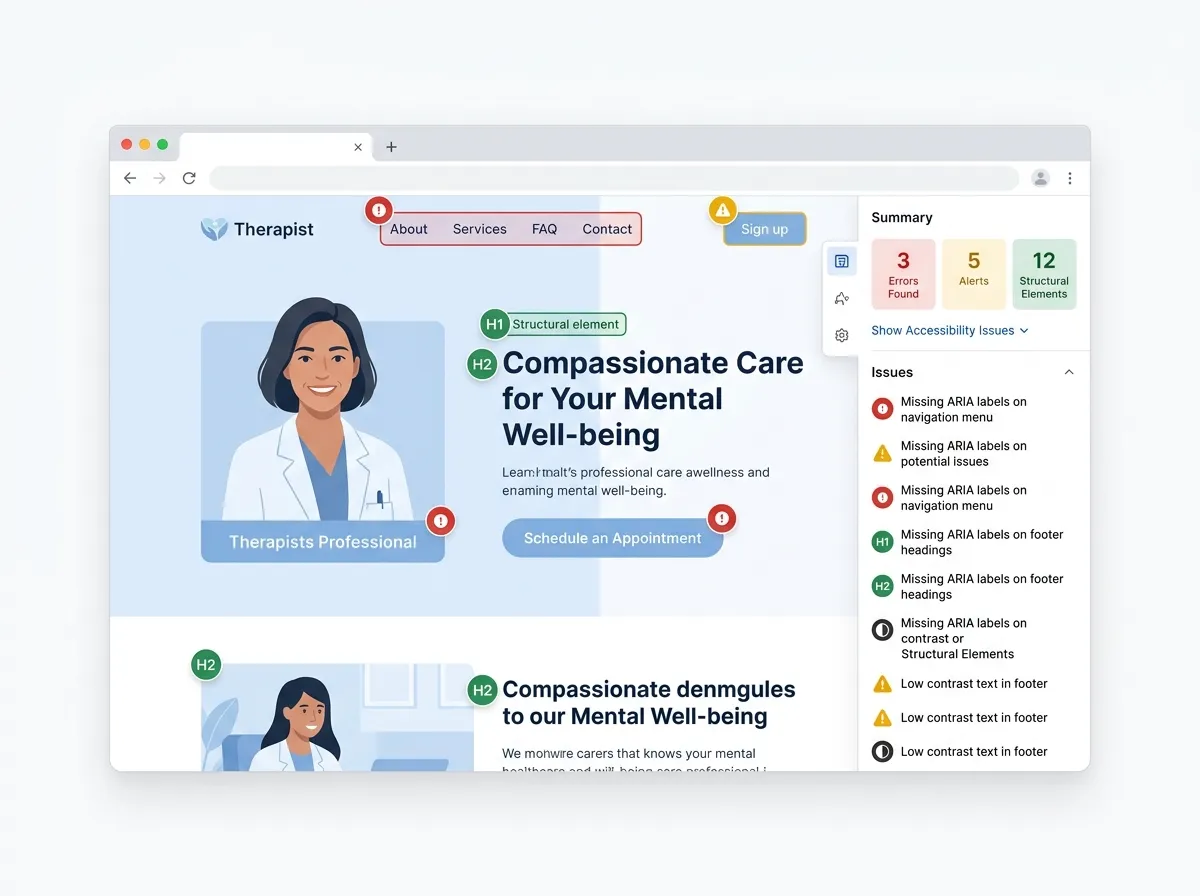
A professional website creates a credible first impression that matters in healthcare. A well-organised, visually coherent site increases perceived competence and makes potential clients more comfortable initiating contact, which supports higher referral rates. Investing in professional design is a strategic step for practice growth.
What Website Features Enhance Therapist Credibility and Confidence?
Credibility is enhanced by secure contact mechanisms, clear privacy policies, and precise, professionally written service descriptions. These elements reduce uncertainty and help clients feel confident engaging with the therapist.
How Does Intuitive Navigation Streamline Patient Referral Experiences?
Intuitive navigation lowers cognitive load and helps visitors reach relevant pages quickly. When users find what they need without frustration, their experience improves and the likelihood of referrals or bookings rises.
What Are the Key Website Strategies to Increase Patient Referrals and Online Visibility?
Core strategies include a professional, user-centred website, consistent SEO, and content that addresses client needs directly. Together these elements increase visibility, build authority, and attract referral-ready traffic.
How Can SEO and Local Search Optimize Therapist Website Referral Sources?
Local SEO and targeted keywords help therapists appear in searches by nearby clients. Optimising location signals and directory listings alongside quality content improves discoverability and channel-specific referral performance.
Which Website Content and Calls-to-Action Convert Visitors Into Booked Consultations?
Clear service descriptions, purposeful CTAs, and content aligned with visitor concerns convert interest into bookings. CTAs placed in context guide visitors toward scheduling and contact actions.
Why Is a Tailored Therapist Website Design Essential for Sustained Practice Growth?
A tailored website aligns visual and content strategy with clinical services, reinforcing professionalism and trust. A focused user experience encourages engagement and repeat visits, helping the site serve as an ongoing referral source.
How Does Professional Web Design Reflect Clinical Expertise and Foster Practice Authority?
Professional design signals that the therapist invests in their practice and client experience. Consistent aesthetics and reliable functionality convey competence and bolster professional authority.
What Role Do Testimonials and Case Studies Play in Strengthening Website Referral Power?
Testimonials and case studies show outcomes and client satisfaction, serving as persuasive social proof. Highlighting real experiences helps visitors evaluate fit and increases willingness to book services.
Which Metrics Should Therapists Track to Monitor Website Referral Effectiveness?
Track conversion rates, bounce rates, and engagement metrics to evaluate referral performance. These indicators show how visitors interact with the site and which areas need optimisation to improve referrals.
How to Use Website Analytics to Measure Lead Conversion and Referral Growth?
Tools like Google Analytics reveal traffic sources, user journeys, and conversion touchpoints. Use these insights to prioritise channels and optimise pages that drive the most referrals and booked consultations.
What Are Best Practices for Updating Website Content to Maximize Referral Impact?
Refresh existing pages and add timely, client-focused material on a regular schedule. Follow SEO best practices when updating pages and publishing resources to maintain relevance and support referral growth.
Frequently Asked Questions
How important is mobile optimization for a therapist’s website?
Mobile optimisation is essential because many users access sites on smartphones. A responsive design ensures text, forms, and navigation display correctly, improving usability and increasing the chance that visitors will engage or book.
What role does content play in drawing visitors to a therapist’s website?
Quality content informs and builds credibility while improving search visibility. Content that answers client questions attracts targeted traffic and encourages returns, supporting long-term client acquisition.
How can therapists leverage social media to enhance website referrals?
Share informative content and practice updates on social media to drive traffic back to the site. Targeted posts and consistent engagement increase visibility and can generate referrals as followers share useful resources.
What analytics tools are most effective for tracking website performance?
Google Analytics offers comprehensive insights into traffic sources, user behaviour, and conversion metrics. Complementary tools like SEMrush for SEO research or Hotjar for heatmaps provide additional data to inform optimisation.
How can therapists ensure their websites adhere to privacy and security standards?
Use HTTPS, maintain clear privacy policies, and employ secure, compliant contact forms. Regular audits and updates protect client data and demonstrate professional responsibility, which supports trust.
What is the importance of showcasing professional qualifications on a therapist’s website?
Displaying education, licences, and specialisations verifies expertise and reassures visitors. Transparent qualifications increase confidence and help convert prospects into clients.
How frequently should therapists update their website content?
Aim to update content at least monthly to keep information current and maintain SEO momentum. Regular additions or revisions signal active practice management and encourage repeat visits.
Conclusion
Optimising a therapist’s website with user-focused design, targeted content, and consistent SEO increases its effectiveness as a primary referral source. These measures reduce friction for prospective clients and support measurable practice growth. Implementing the strategies outlined here will strengthen your site’s ability to attract and convert clients—consider tailored web design services to elevate your practice’s referral performance.