Why Therapists Need More Than Psychology Today: Websites & Marketing
In the digital age, having a robust online presence is crucial for therapists seeking to attract and retain clients. While platforms like Psychology Today have served as valuable resources for many professionals, they are no longer sufficient on their own. This article explores the limitations of relying solely on such profiles and highlights the importance of professional therapy website design and effective online marketing strategies. Readers will learn about the best practices for creating a compelling online presence, the latest trends in digital marketing for therapists, and how to effectively engage potential clients. By understanding these elements, therapists can enhance their visibility and client acquisition efforts in a competitive landscape.
Why a Psychology Today Profile is No Longer Sufficient
Relying solely on a Psychology Today profile for client acquisition presents several limitations. First, visibility is a significant concern; with thousands of therapists listed, standing out becomes increasingly difficult. Second, therapists have limited control over their branding and messaging, which can hinder their ability to convey their unique value propositions. Lastly, the dependence on subscription fees can be a financial burden, especially for new practitioners. These factors underscore the necessity for therapists to invest in their own professional websites to establish a more personalized and effective online presence.
Best Practices for Therapy Website Design

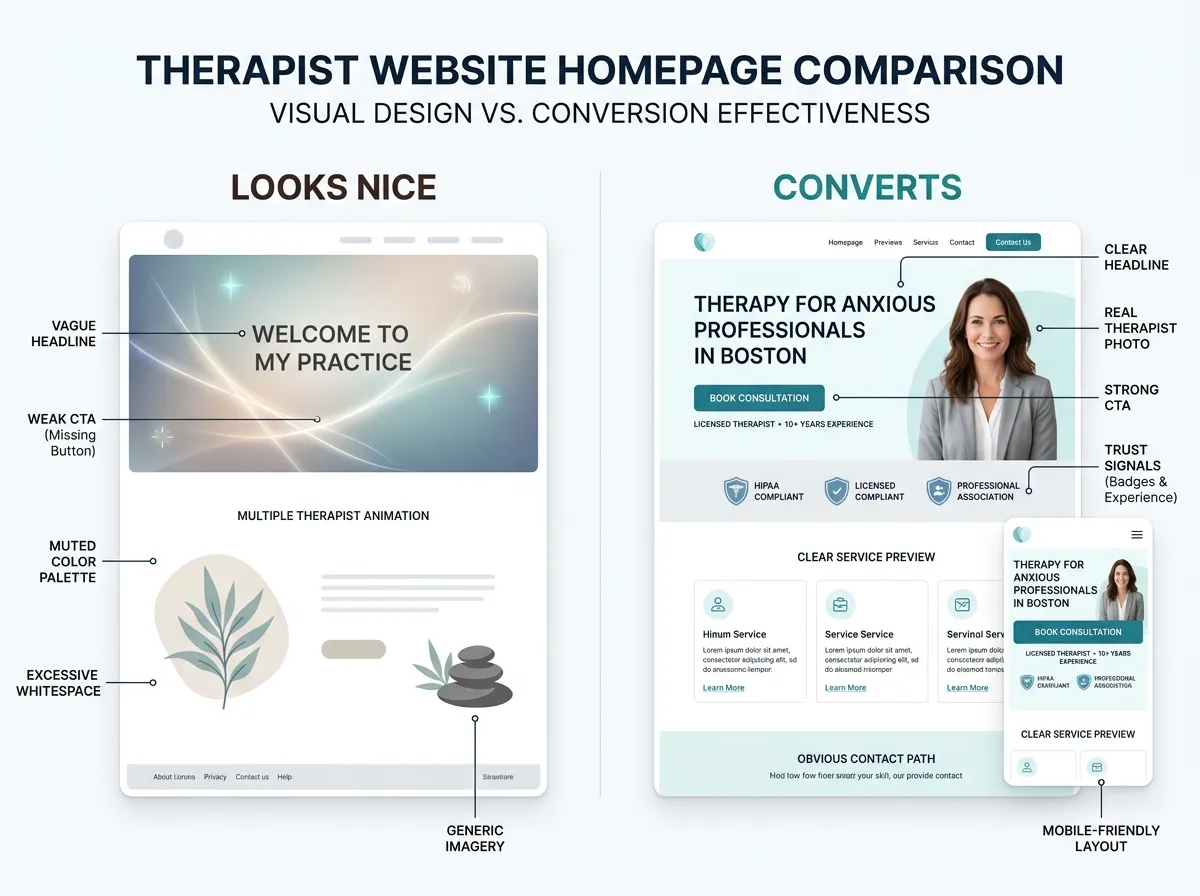
Creating an effective therapy website involves several best practices that enhance user experience and engagement. Here are key strategies to consider:
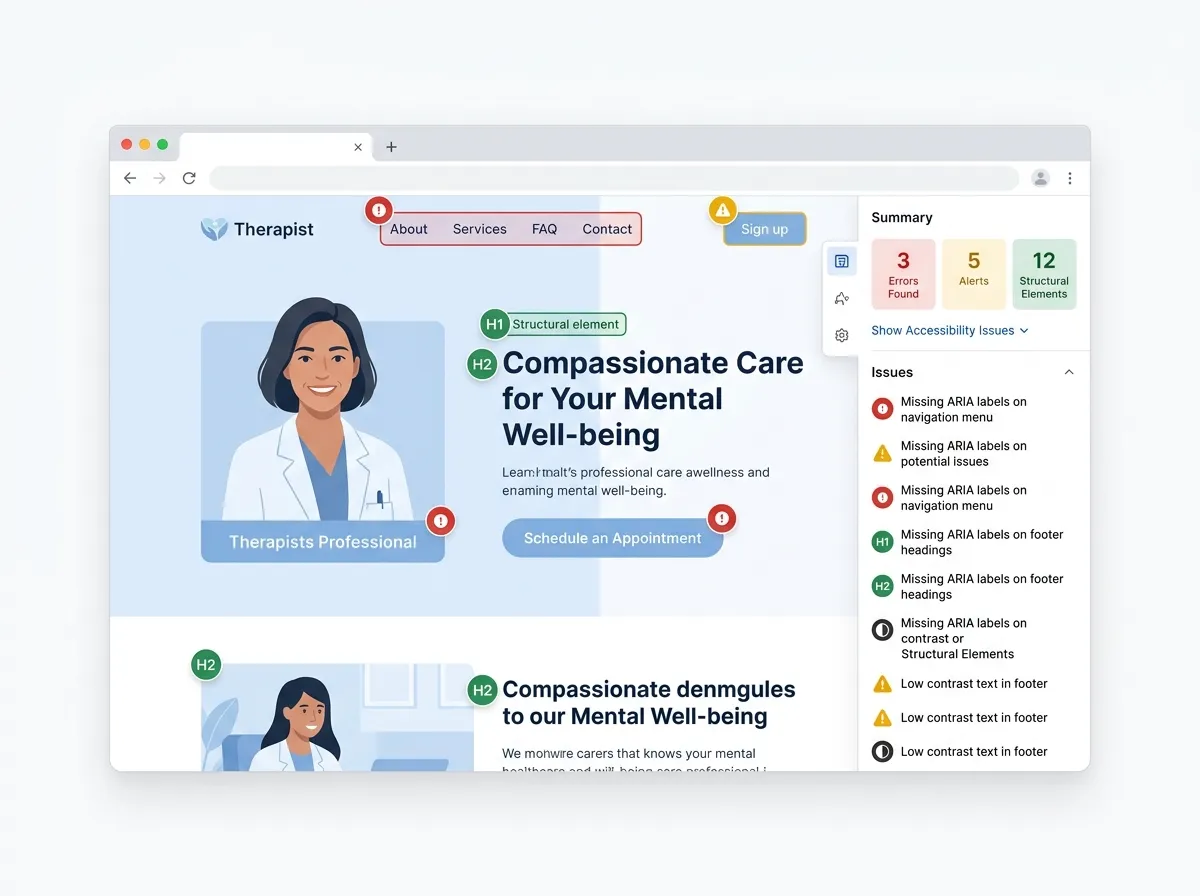
- User-Friendly Navigation: A well-structured website allows potential clients to find information easily, which is crucial for retaining their interest.
- Mobile Responsiveness: With an increasing number of users accessing websites via mobile devices, ensuring that your site is mobile-friendly is essential for reaching a broader audience.
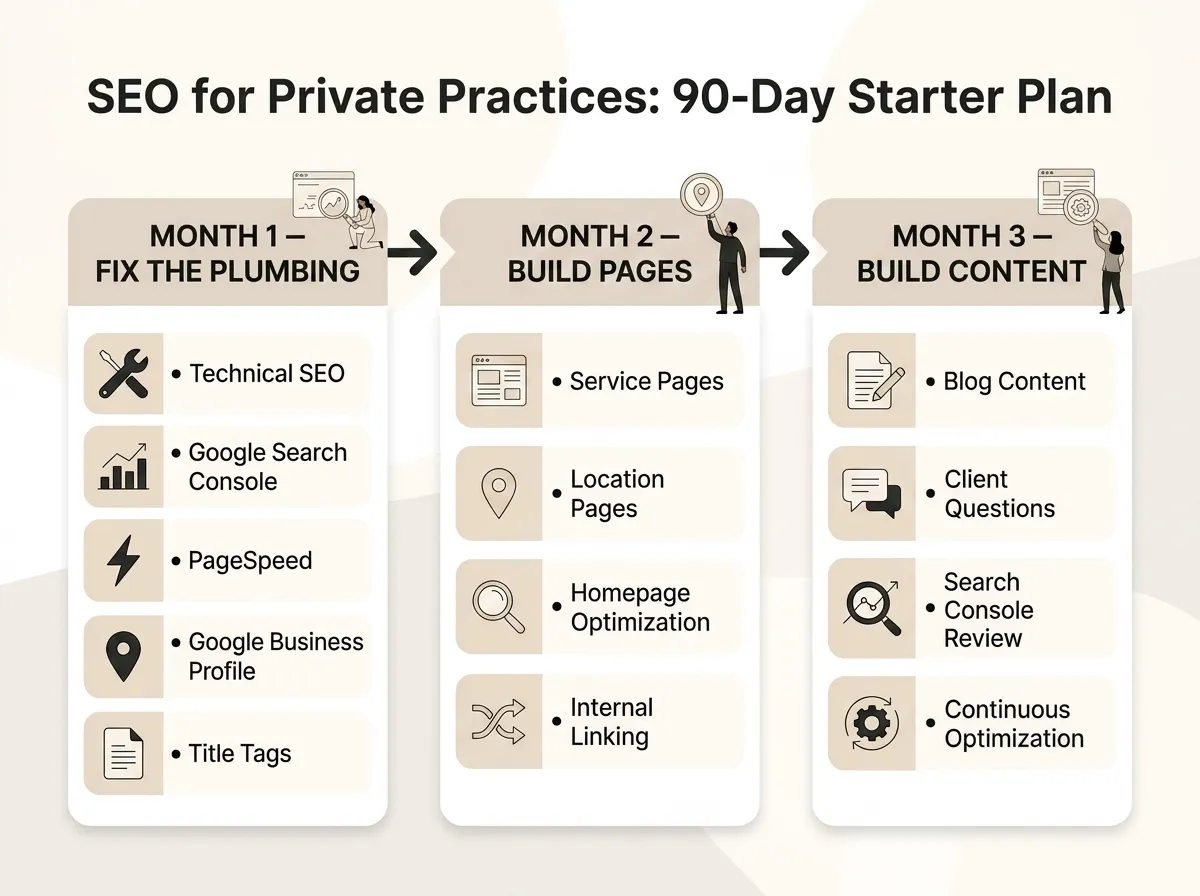
- SEO Optimization: Implementing SEO strategies helps improve your website’s visibility on search engines, making it easier for potential clients to find your services.
Further research emphasizes the importance of optimizing health-related websites for search engine visibility to attract more clients.
Optimizing Medical & Health Websites for Google SERP Rankings
Objective:This study describes a method of evaluating material for new medical/health care websites, or for assessing those already in existence, which is correlated with higher rankings on Google’s Search Engine Results Pages (SERPs).
A method for the design and development of medical or health care information websites to optimize search engine results page rankings on Google, S Dunne, 2013
Incorporating these elements not only improves user experience but also enhances the overall effectiveness of your online presence. For therapists looking to elevate their practice, professional web design services from companies can provide tailored solutions that meet these best practices.
Developing a robust online presence often benefits from a structured approach to web design, as highlighted by frameworks for allied health professionals.
Web Design Framework for Allied Health Professionals
This article offers a framework for the rehabilitation professional to develop their website. Essentials of Web Design for Vocational Rehabilitation Counselors and Other Allied Health Professionals, 2025
Effective Online Marketing Strategies

To maximize the reach and effectiveness of your therapy practice, consider implementing the following online marketing strategies:
- Social Media Marketing: Engaging with potential clients through platforms like Facebook and Instagram can help build a community and foster relationships.
- Email Marketing: Regular newsletters can keep your audience informed about your services, special offers, and valuable content, encouraging them to engage with your practice.
- Content Marketing: Providing valuable content, such as blog posts or videos, can position you as an authority in your field and attract clients seeking your expertise.
These strategies not only enhance your visibility but also create opportunities for meaningful connections with potential clients. A professional website serves as the foundation for these marketing efforts, allowing for seamless integration of various online strategies.
Effective marketing is crucial for therapists to acquire new patients and nurture existing leads, a process that benefits from well-defined strategies.
Marketing Strategies for Therapists: Patient Acquisition & Lead Nurturing
This article outlines a patient acquisition strategy which any physical or manual therapist can adopt to generate new leads and nurture these and existing leads through the sales funnel, A MARKETING STRATEGY FOR THERAPISTS., 2017
Emerging Trends in Digital Marketing for Therapists
As the digital landscape evolves, therapists must stay informed about emerging trends that can impact their marketing strategies. Some notable trends include:
- Personalized Content: Tailoring content to meet the specific needs and preferences of your audience can significantly enhance engagement and conversion rates.
- Video Marketing: Utilizing video content can provide a more personal touch, allowing potential clients to connect with you on a deeper level.
- Analytics and Performance Measurement: Leveraging analytics tools to track the performance of your marketing efforts can help you make informed decisions and optimize your strategies.
Staying ahead of these trends will enable therapists to adapt their marketing approaches and maintain a competitive edge in the industry.
For detailed pricing information, Ahrefs offers transparent tier-based plans that can help therapists optimize their SEO efforts effectively.
Additionally, many therapists find that integrating Semrush into their marketing strategy provides comprehensive tools for keyword research and competitive analysis.
Research from Psychology Today indicates that therapists with a strong, personalized online presence tend to attract more clients than those relying solely on directory listings.