Therapist Directory Algorithm Updates: How to Prevent Losing Visibility When Algorithms Change
Directory algorithms shape how prospective clients find therapists and can change visibility with little warning. This article summarises the main risks and gives practical, actionable steps to protect online presence and maintain client intake.
Understanding the Impact of Directory Algorithm Changes
Algorithm updates can quickly shift which profiles are visible. Proprietary ranking rules affect placement and therefore inbound inquiries; recognising this impact is the first step in mitigation.
Risk of Dependency
Relying mainly on directory leads creates a single point of failure: ranking changes can cause sudden drops in inquiries and revenue if alternative channels are absent.
Lack of Control
Directories limit profile customization and presentation, which can hinder branding and leave service descriptions incomplete. That lack of control reduces clarity for prospective clients.
Strategies to Maintain Visibility and Adapt

Responding to algorithm volatility requires proactive, measurable steps so visibility persists even when third‑party rankings shift.
Diversify Online Presence
Own a professional website and use targeted social channels to reach referrals directly. Multiple channels reduce reliance on any one directory.
Implement SEO Best Practices
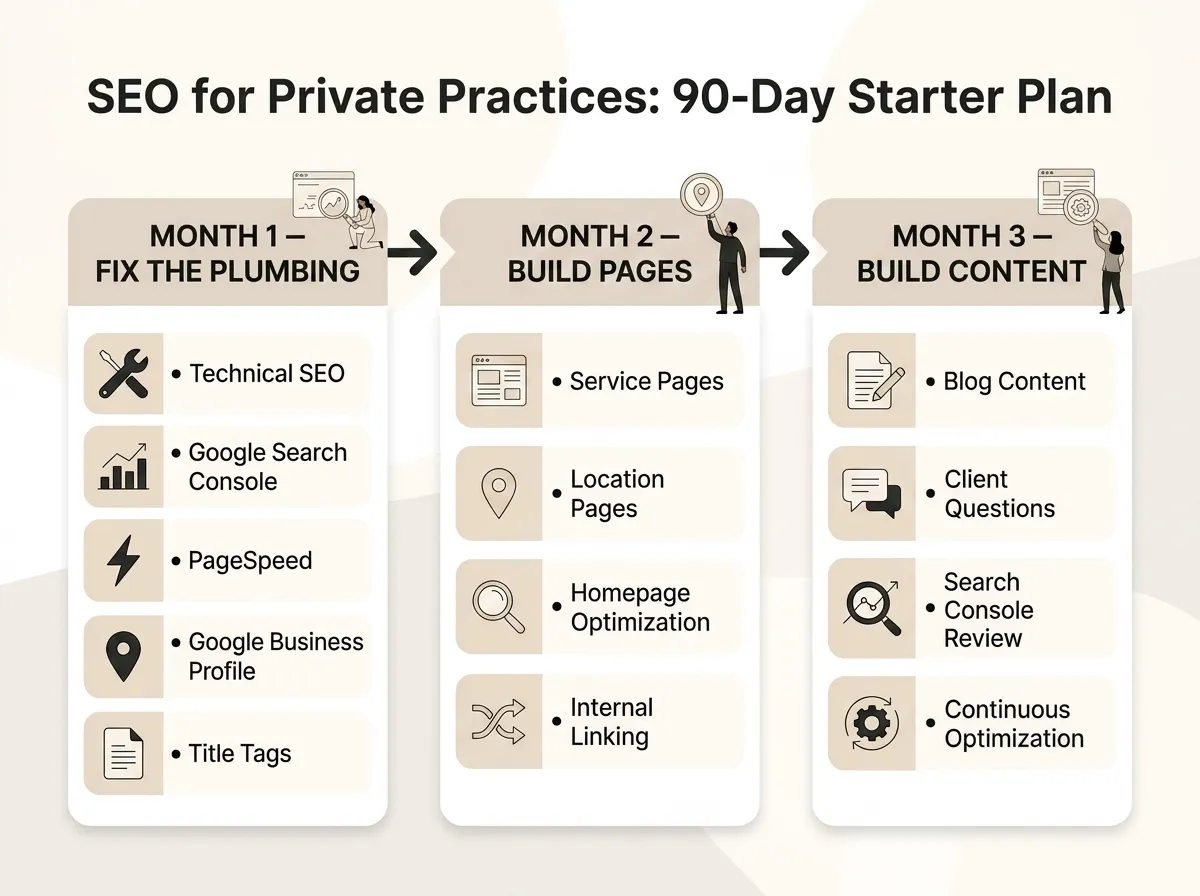
Optimize profile and site content for relevant keywords, ensure fast load times, and apply local SEO where relevant. These measures support discoverability outside directories.
Engage with Clients

Regular outreach — newsletters, informative posts, and consistent social updates — builds trust, keeps clients informed, and reinforces credibility.
Monitor and Adapt
Use analytics to track inquiry sources and user behaviour. Review metrics regularly to spot declines early and make data-driven content or marketing adjustments.
Build Backlinks
Relevant backlinks and community collaborations increase domain authority and support long‑term search performance.
Stay Informed
Follow industry updates, attend workshops, and participate in professional forums so you can anticipate changes and adjust strategy promptly.
What Are Therapist Directory Algorithm Changes and Why Do They Matter?
Algorithm changes alter ranking factors that determine how listings are shown. Such modifications can materially change visibility and the volume of incoming client enquiries.
How Do Psychology Today Ranking Factors Affect Therapist Listings?
Directory placement typically reflects profile completeness, responsiveness, and engagement. Higher placement usually brings more client contacts.
Why Does Directory Algorithm Volatility Impact Mental Health Professionals?
Volatility causes unpredictable visibility shifts, which can reduce client contact and destabilise practice intake if no mitigation plan exists.
How Can Therapy Directory SEO Strategies Mitigate Visibility Loss?
Optimise directory profiles with relevant keywords, accurate service descriptions, and tracked interactions to help maintain or improve placement despite updates.
Which Web Design Approaches Build Algorithm-Resilient Therapist Websites?
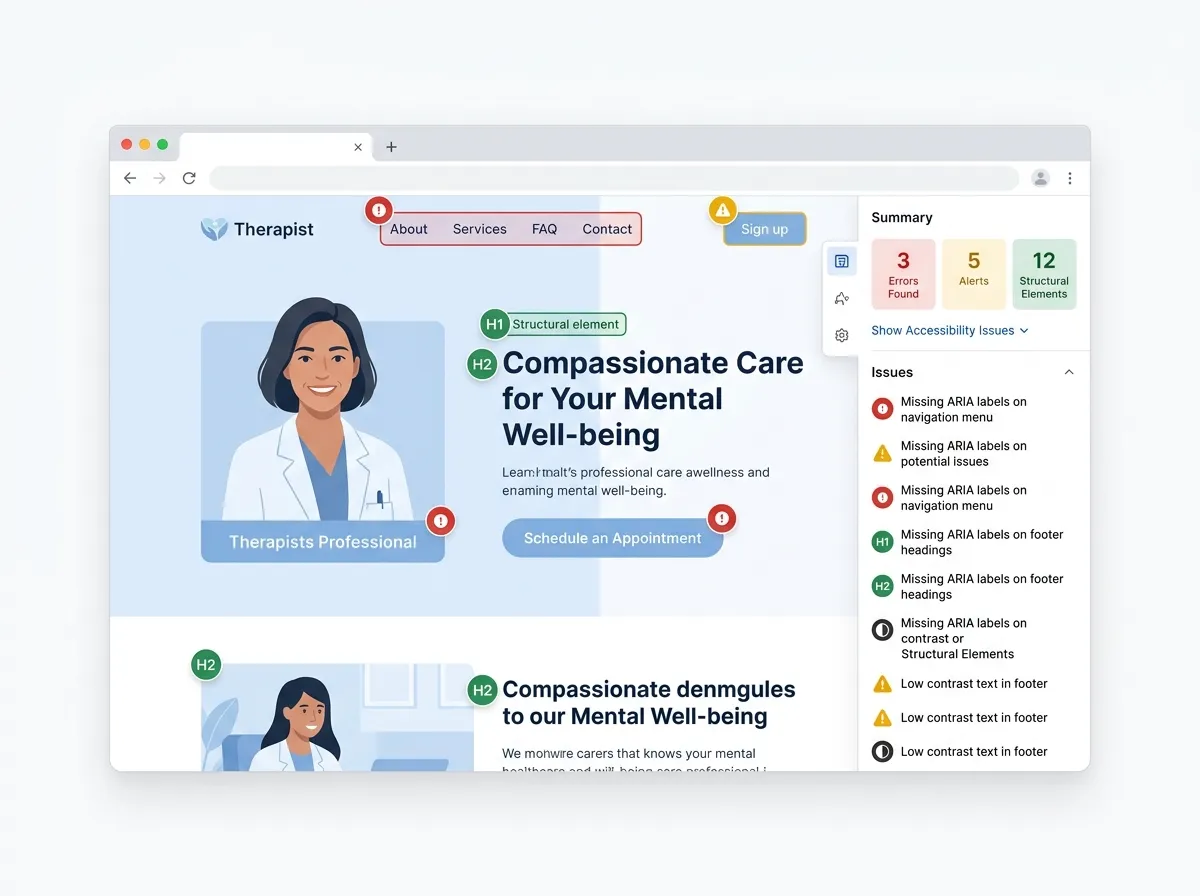
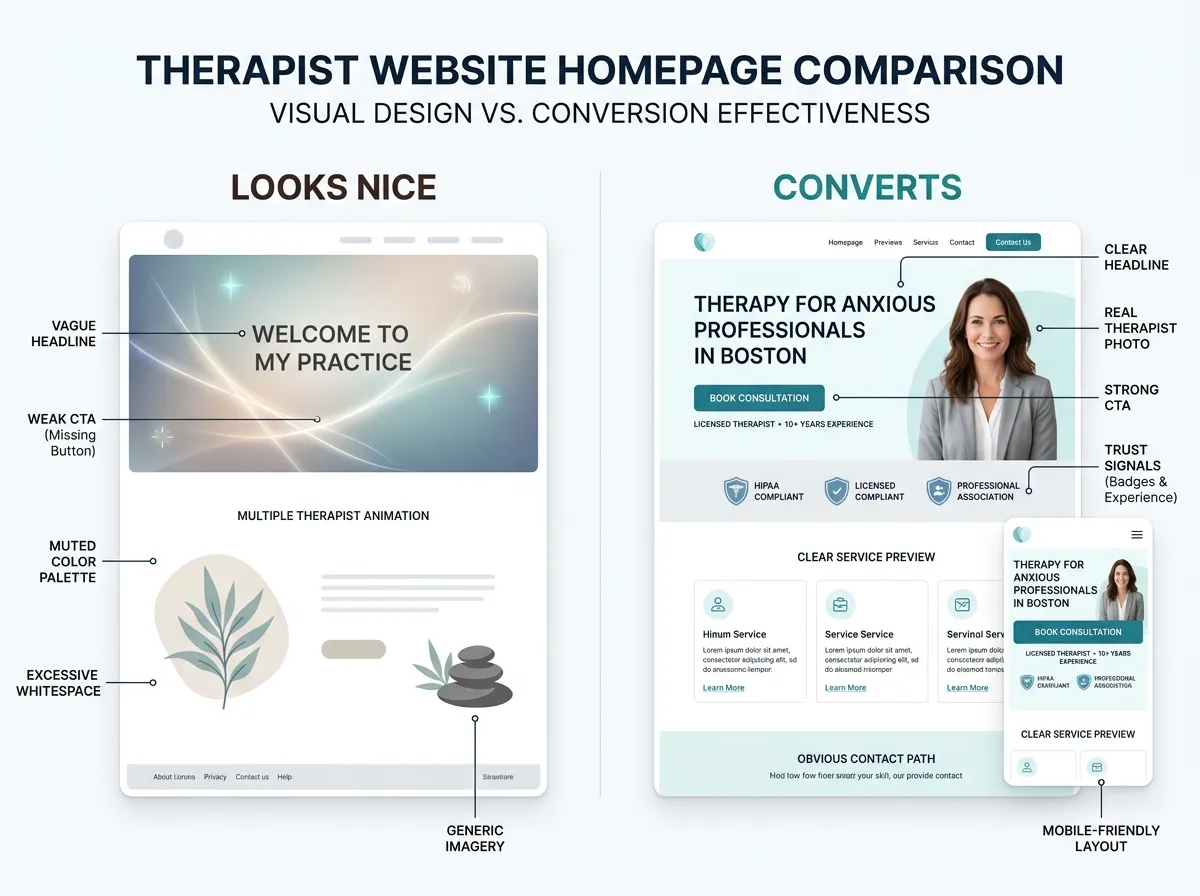
User-centred design, fast performance, mobile friendliness, and clear navigation support direct client acquisition and better search performance independent of directories.
What Role Does Semantic Structuring and Entity Markup Play in Directory Optimization?
Semantic HTML and structured data (schema) help search engines and directories understand your services, improving the chance that listings reach relevant users.
What Are Effective Strategies to Maintain Visibility Amid Directory Algorithm Volatility?
Adopt a multi-layered approach. Core strategies include:
- Diversified Online Presence: Use a personal website and social profiles to reach clients directly.
- SEO Best Practices: Keep content optimized and focus on local signals.
- Regular Client Engagement: Maintain consistent communication to retain and attract clients.
- Utilization of Analytics: Monitor sources and trends to inform timely responses.
Together these measures create a resilient online profile that reduces the impact of directory shifts.
How Can Mental Health Professionals Build Independent, Strong Online Presences?
Start with a clear, professional website that reflects your services. Back it with a content plan, an active blog, and email outreach to develop direct client relationships.
What Are Alternatives to Relying Solely on Therapist Directories for Lead Generation?
Pursue other lead sources through consistent content, strategic social engagement, and professional networking.
- Content Marketing: Produce helpful material that addresses client needs.
- Social Media Engagement: Use platforms like Instagram and LinkedIn to build awareness.
- Networking: Cultivate referrals from other health professionals.
These channels diversify referrals and support a steadier client pipeline.
How Do Case Studies Illustrate the Impact of Algorithm Changes and Web Design Solutions?
Case studies show how algorithm shifts disrupted intake and how targeted website improvements restored and grew client acquisition, offering practical, real‑world evidence.
Which Examples Show Transition from Directory Dependence to Website-Driven Client Acquisition?
Examples describe therapists who expanded their web presence and content, which led to steadier inquiries and more control over client pathways.
What Quantifiable Results Demonstrate Practice Growth After Implementing Optimization Strategies?
Practices that applied comprehensive optimisation commonly report measurable increases in enquiries within months, underscoring the value of resilience and ongoing work.
Frequently Asked Questions
What should therapists do if they notice a sudden drop in inquiries due to algorithm changes?
Audit performance with analytics to locate declines, then act: strengthen SEO, broaden channels beyond directories, and increase outreach via social or email to recover visibility.
How often should therapists update their SEO strategies?
Review SEO every few months or after notable algorithm changes—check keywords, content, and technical SEO to stay aligned with search behaviour.
Is it necessary for therapists to have a personal website even if they are listed on directories?
Yes. A personal website gives full control of messaging, service details, credentials, and direct contact, reducing dependency on directory rankings.
What role do client reviews play in improving therapist visibility?
Reviews affect rankings and client choice. Encourage satisfied clients to leave reviews and respond professionally to strengthen reputation.
How can therapists effectively engage clients through content marketing?
Produce content that addresses common concerns and demonstrates expertise. Share posts, videos, or podcasts on your site and social channels to drive engagement.
What are the benefits of networking with other health professionals?
Networking expands referral sources, supports collaboration, and introduces therapists to clients seeking integrated care.
Can attending workshops and industry events help therapists stay informed about algorithm changes?
Yes. Events offer practical updates on directories and SEO and provide peer learning that helps adapt strategies.
Conclusion
Sustaining visibility through directory algorithm changes requires a deliberate mix of channel diversification, solid SEO, analytics tracking, and direct client engagement. Keep refining these elements to protect and grow client acquisition.