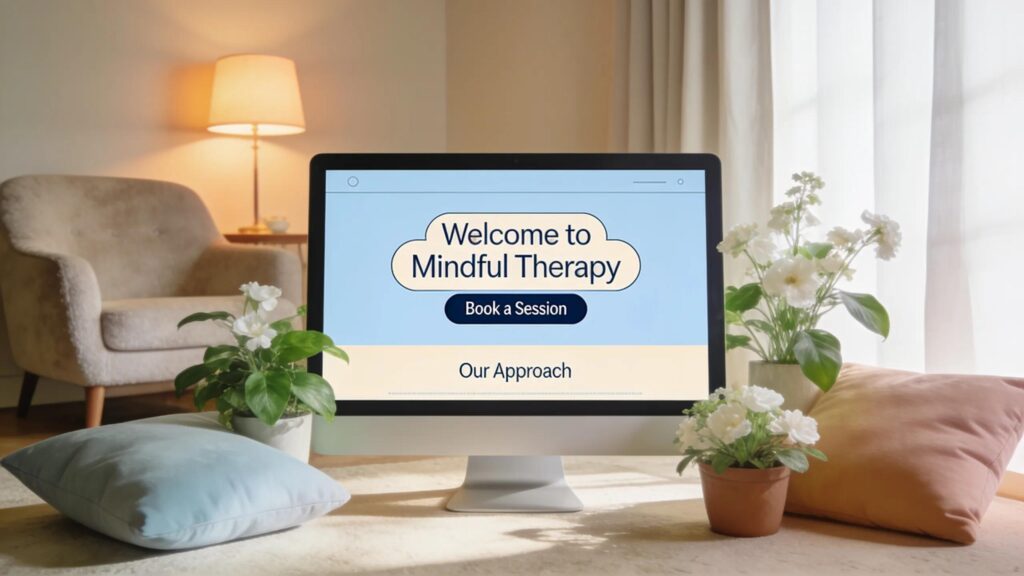
UX Design for Therapy Websites: Enhancing Patient Navigation and User Engagement
A thoughtfully designed website materially affects how therapy practices connect with prospective clients. Effective UX for therapy sites focuses on optimising user interactions to improve patient navigation and promote engagement. This article examines UX considerations specific to therapy professionals, covering best practices, core principles and targeted design strategies. As many clients seek mental health support online, therapists must present a clear, usable digital presence; this guide addresses patient journey design, intuitive navigation, accessibility and conversion optimisation tactics.
Best Practices
Delivering a practical user experience for therapy websites requires adherence to established best practices that improve usability and accessibility while supporting client engagement.
- Intuitive Navigation: Ensures users can easily find the information they need without confusion, creating a seamless experience.
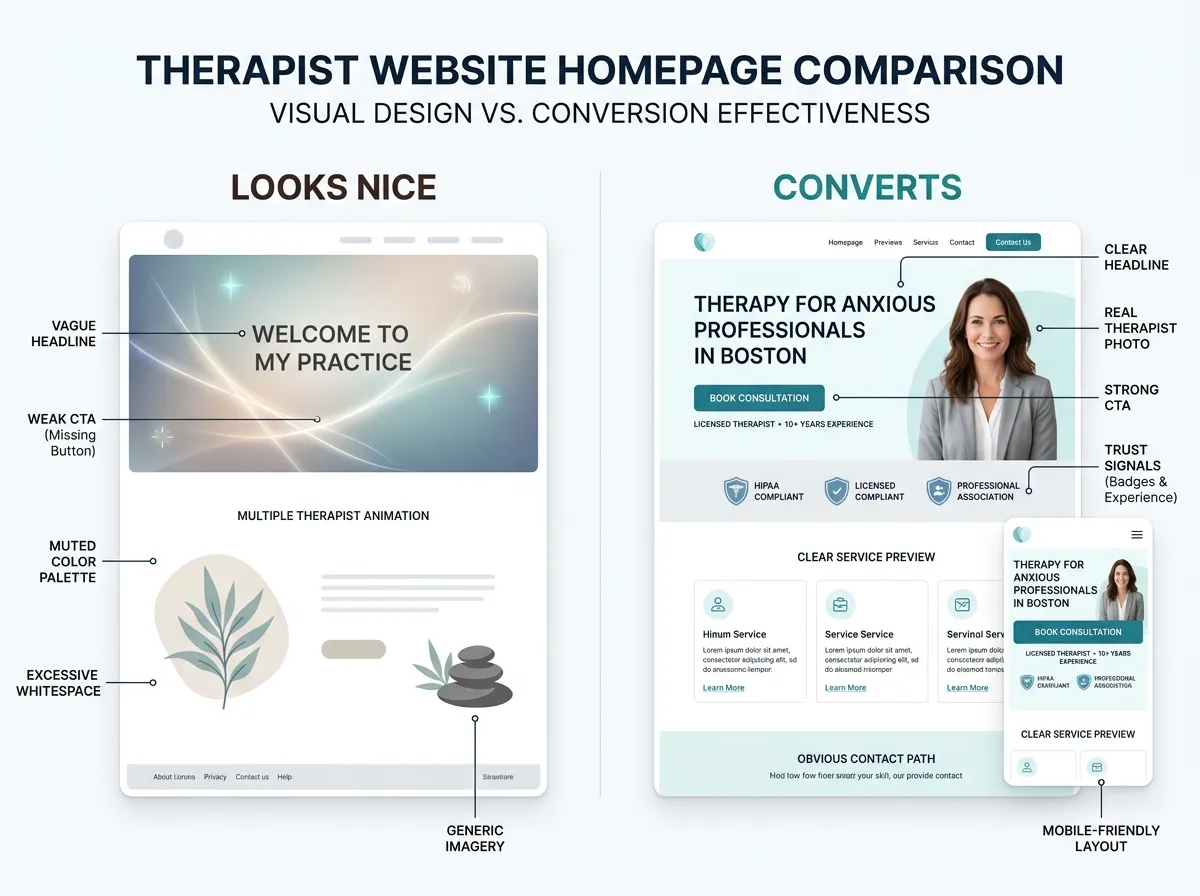
- Mobile Responsiveness: With an increasing number of users accessing websites via mobile devices, having a responsive design is crucial for maintaining accessibility at all times.
- Emotional Design: Incorporating warmth and empathy into the visual design can help foster trust and comfort for prospective clients.
Therapeia Web Design develops tailored UX solutions for therapy-focused websites, enabling therapists to connect with clients effectively and compassionately.
User Experience Principles
Grasping key user experience principles is essential when designing therapy websites. These principles steer design decisions and shape user interactions across the site.
- Visual Hierarchy: Properly ordered content guides user attention where it’s needed most, establishing a clear path for navigation and engagement.
- Readability: Ensuring that content is easy to read encourages users to spend more time engaging with the material rather than struggling to decipher it.
- Feedback Mechanisms: Implementing features that provide instant feedback can enhance user experience by reinforcing positive interactions.
Applying these principles improves the client journey across digital touchpoints and raises the probability of meaningful engagement.
Effective Design Strategies
Applying targeted strategies is necessary to optimise user experience on therapy websites. These approaches yield a cohesive, client-focused design.
- Personalized Content: Tailoring website content to meet the specific needs and preferences of potential clients can create a more engaging experience.
- Interactive Elements: Including questionnaires or chatbots encourages users to interact with the website, providing a more dynamic experience.
- Content Marketing: Publishing relevant articles and resources can establish authority and provide valuable insights to users, encouraging longer site visits.
These strategies ensure therapy websites function as both informative resources and engaging platforms that support client acquisition.
How Does Patient Journey Design Improve Therapy Website Usability?
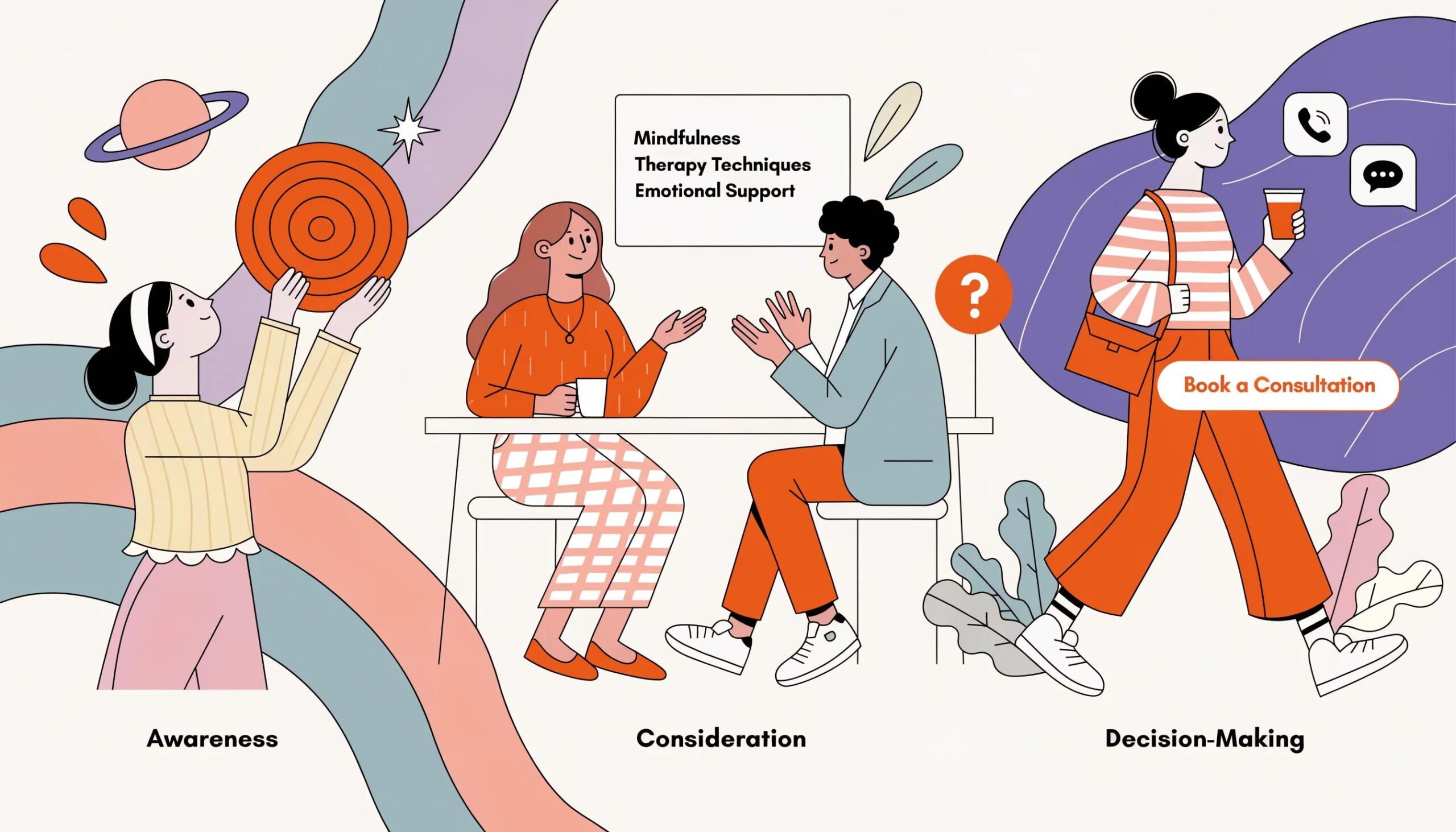
Patient journey design is central to improving website usability. The method involves mapping the client experience from initial contact through to becoming a client, then aligning site structure to that flow.
By adopting a user-centred design approach, therapy websites can ensure each touchpoint addresses client needs and expectations, using optimised navigation and engagement techniques throughout the journey.
What Are the Key Phases of Patient Journey Mapping for Therapy Sites?
Patient journey mapping typically follows distinct phases that inform the development of effective therapy websites and their features:
- Awareness Stage: Identifying the initial contact point where potential clients first learn about the therapist’s services.
- Consideration Stage: Engaging clients through helpful content and detailed information about services offered to facilitate informed decisions.
- Decision-Making Stage: Providing clear calls to action and next steps to encourage clients to reach out or book an appointment.
These phases align website functionality with user expectations and thereby improve overall usability.
How Does Intuitive Navigation Streamline the Therapy Client Experience?
Intuitive navigation is essential for helping users effortlessly explore therapy websites. Its core elements minimise confusion and create a seamless browsing experience.
Frequently Asked Questions
1. What role does emotional design play in enhancing therapy websites?
Emotional design shapes both the initial impression and the ongoing experience on therapy websites. Integrating warmth and empathetic visual cues helps establish trust and comfort, which is particularly important when users feel vulnerable. A considered emotional design reduces anxiety, encourages deeper engagement with content and supports the development of a therapeutic connection.
2. How can accessibility be improved on therapy websites?
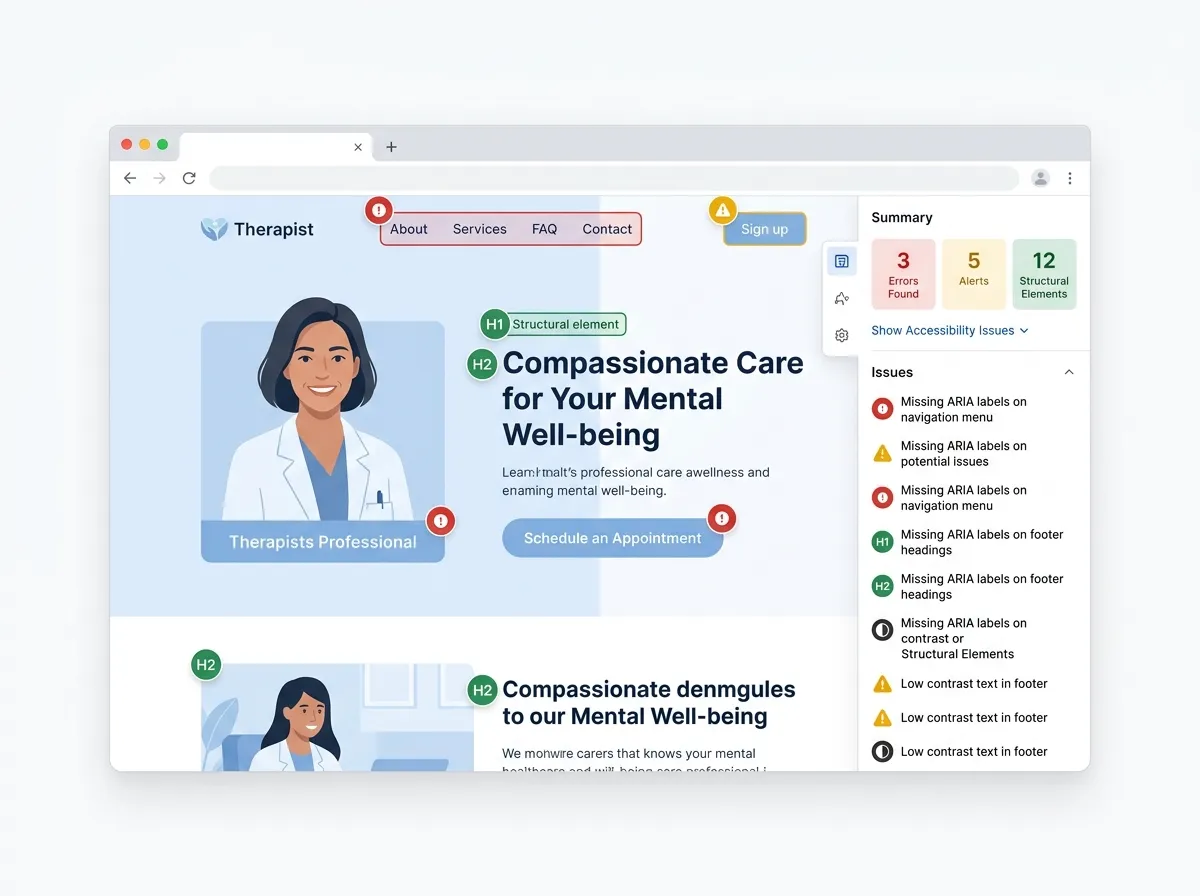
Accessibility improvements include using clear, plain language, providing alt text for images and ensuring keyboard navigability. Implementing screen reader compatibility and adjustable contrast enhances usability for people with different abilities. Offering content in multiple formats, such as video and audio, broadens access and creates a more inclusive platform.
3. What types of interactive elements are beneficial for therapy websites?
Interactive elements like chatbots, quizzes and feedback forms increase user engagement. Chatbots deliver prompt responses to routine inquiries, quizzes help users assess needs, and feedback forms capture client experience data. Together, these features make the website more dynamic and responsive to visitor needs.
4. What is the impact of personalized content on user engagement?
Personalised content increases relevance for visitors by addressing particular needs and interests. Tailored articles, resources and service descriptions foster a sense of being understood, which is vital in mental health contexts. Such relevance encourages users to spend more time on the site and take next steps toward care.
5. Why is mobile responsiveness essential for therapy websites?
Mobile responsiveness ensures the site adapts to various screen sizes, delivering a consistent experience on smartphones and tablets. For users seeking timely support or information, a mobile-friendly design reduces friction and improves access—especially when immediate assistance or rapid contact is required.
6. How can content marketing enhance the effectiveness of a therapy website?
Content marketing builds authority and trust by regularly publishing relevant, informative material. Quality content educates visitors on mental health topics, attracts prospective clients and encourages longer site visits. Additionally, well-crafted content supports search visibility and drives targeted traffic to the site.
7. How does user feedback influence the design of therapy websites?
User feedback is instrumental in refining therapy websites. Listening to client experiences reveals pain points and improvement opportunities, informing adjustments to navigation, content layout and interactive features. Iterating based on real user input maintains a user-centred design that better meets client needs.
Conclusion
Optimising UX for therapy websites improves patient navigation, engagement and overall access to services. Through intuitive navigation and emotional design, therapists can build trust and foster meaningful client interactions. Applying the best practices outlined here strengthens a practice’s digital presence and supports measurable client outcomes; explore our expert solutions tailored for therapy professionals to advance your site’s performance.