The Ultimate Private Practice Tech Stack: Integrating Your EHR with a High-Converting Website for Optimal Client Acquisition
In the evolving landscape of healthcare, private practices are increasingly recognizing the importance of integrating technology to enhance client acquisition and streamline operations. This article delves into the essential tech stack for private practices, focusing on the integration of Electronic Health Records (EHR) integration with high-converting websites. Readers will learn how EHR integration can improve operational efficiency, enhance patient experiences, and ensure compliance with regulations. The discussion will also highlight the best EHR software options available for therapists in 2023, the benefits of effective website design, and the critical compliance considerations when merging these technologies. By understanding these elements, private practices can position themselves for success in a competitive market.
What Is EHR Integration and Why Is It Essential for Private Practice Success?
EHR integration refers to the process of connecting electronic health record systems with other digital platforms, such as practice management software and websites. This integration is crucial for private practices as it enhances operational efficiency, improves patient engagement, and ensures compliance with healthcare regulations. By streamlining workflows, practices can reduce administrative burdens and focus more on patient care.
Integrating EHR systems with a high-converting website allows practices to provide a seamless experience for clients, from appointment scheduling to accessing health information. This holistic approach not盂only improves patient satisfaction but also drives client acquisition through enhanced online visibility and engagement.
How Does EHR Integration Streamline Practice Management?
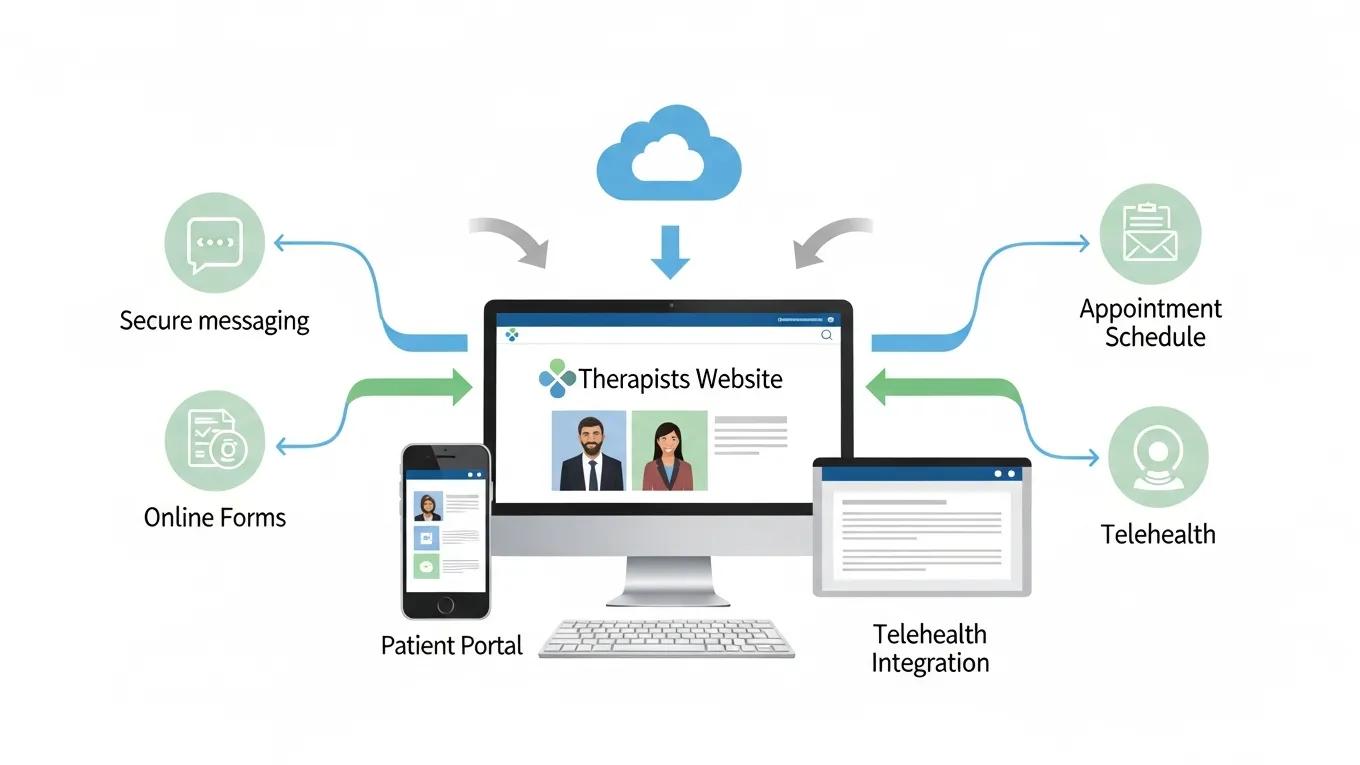
EHR integration significantly streamlines practice management by automating various administrative tasks. For instance, it reduces the time spent on manual data entry, allowing staff to focus on more critical functions. Improved patient engagement is another benefit, as integrated systems enable better communication between providers and patients through features like patient portals and appointment reminders.
The development of secure, HIPAA-aware patient portals is vital for facilitating real-time data exchange and enhancing patient access to their health information.
Secure HIPAA Patient Portals for Real-Time Data
This paper is an attempt to provide a safe architectural design of developing HIPAA-aware patient portals to be used to facilitate real-time data synchronization across clouded clinical systems. The paper discusses secure frontend-backend integration, use of encrypted APIs, role-based access controls, and asynchronous data processing methods to guarantee timely and secure delivery of sensitive patient data, e.g. lab results and appointment updates.
A secure architecture for real-time data exchange in HIPAA-aware patient portals, 2022
Moreover, streamlined workflows lead to enhanced operational efficiency, which can result in cost savings for the practice. By minimizing administrative overhead, practices can allocate resources more effectively, ultimately improving the quality of care provided to patients.
Which Are the Best EHR Software Options for Therapists in 2023?
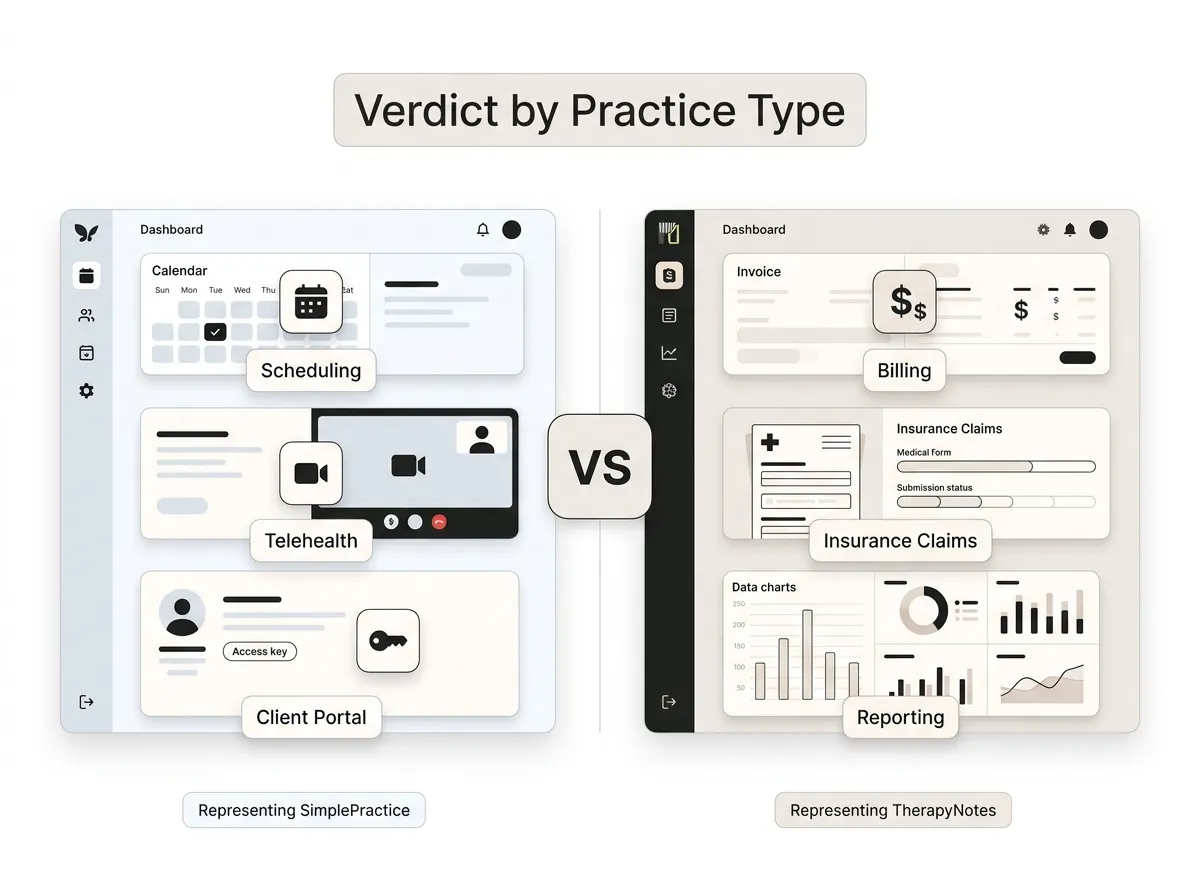
When selecting an EHR system, therapists should consider various factors, including features, pricing, and compliance with regulations. The following table compares some of the best EHR software options available for therapists in 2023:
These options provide a range of functionalities tailored to the needs of mental health professionals, ensuring that practices can find a solution that fits their specific requirements. For detailed pricing information, SimplePractice offers transparent tier-based plans that cater to different practice sizes and needs.
How Do Top EHR Systems Support HIPAA-aware and Security?
Top EHR systems prioritize HIPAA compliance by implementing robust security measures, including data encryption and access control protocols. These systems regularly undergo audits to ensure they meet the stringent requirements set forth by HIPAA, protecting patient information from unauthorized access.
Additionally, many EHR providers offer training resources to help practices understand compliance requirements and best practices for safeguarding sensitive data. This proactive approach not only protects patient privacy but also enhances the overall trust between clients and providers.
What Features Differentiate Leading EHR Solutions for Mental Health Practices?
Leading EHR solutions for mental health practices often include unique features that cater specifically to the needs of therapists. These may include user-friendly interfaces that simplify navigation, integration capabilities with other software, and dedicated support services to assist practices in optimizing their use of the system.
Furthermore, some EHRs offer specialized tools for mental health assessments and treatment planning, which can significantly enhance the therapeutic process. By choosing an EHR that aligns with their practice’s needs, therapists can improve both operational efficiency and client outcomes.
How Can High-Converting Therapist Website Design Enhance Client Engagement?

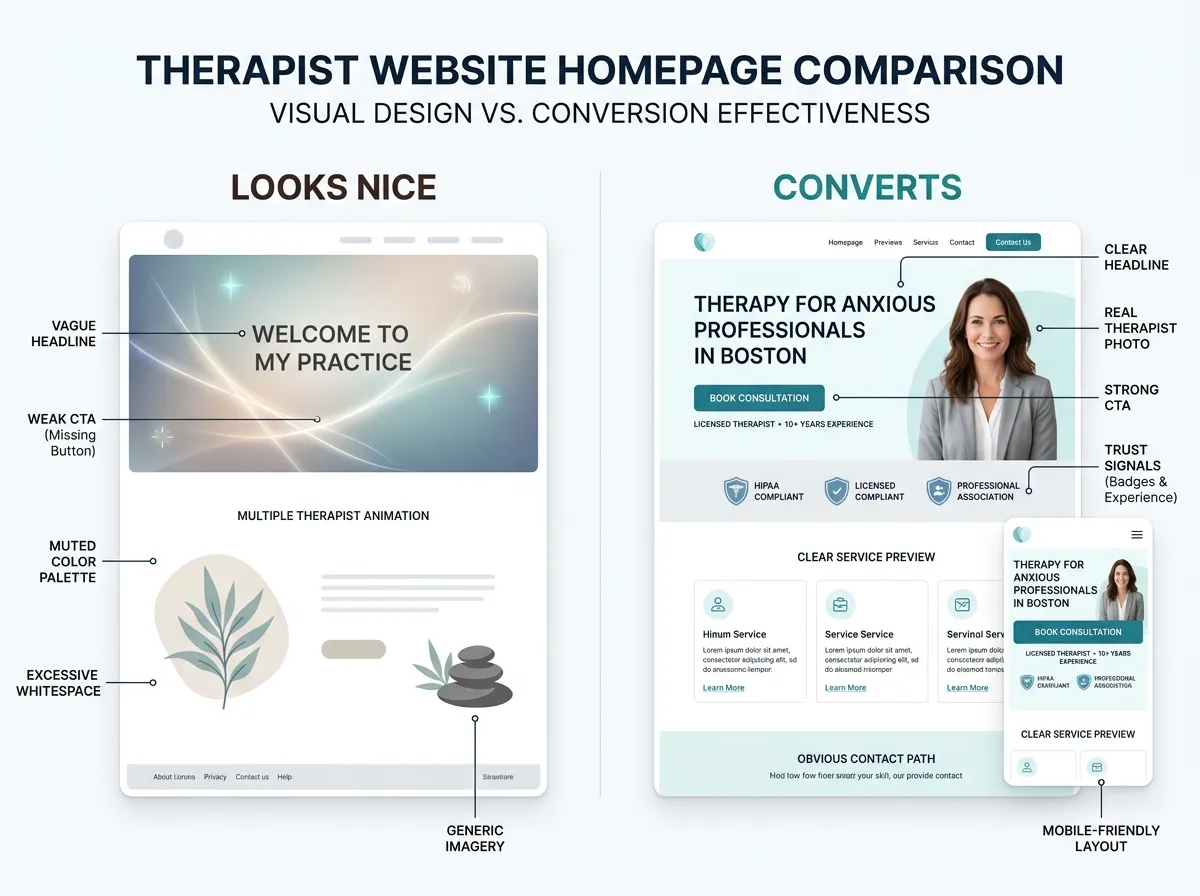
A well-designed therapist website plays a crucial role in enhancing client engagement. Effective website design incorporates elements that attract potential clients and facilitate easy navigation. Key design features include clear calls to action, visually appealing layouts, and user-friendly interfaces that encourage visitors to book consultations.
Moreover, integrating EHR functionalities into the website can further enhance client engagement by allowing patients to access their health information and schedule appointments online. This convenience not only improves the user experience but also increases the likelihood of converting website visitors into clients.
What Design Elements Increase Booked Consultations and Practice Growth?
Several design elements can significantly impact the number of booked consultations and overall practice growth:
- Visual Appeal: Aesthetically pleasing designs create a positive first impression and encourage visitors to explore further.
- User-Friendly Navigation: Simplified navigation helps potential clients find the information they need quickly, reducing frustration and increasing engagement.
- Clear Calls to Action: Strategically placed calls to action guide visitors toward booking appointments, making it easier for them to take the next step.
By focusing on these design elements, therapists can create websites that not only attract visitors but also convert them into clients. For inspiration on effective website design, Smashing Magazine offers comprehensive guides tailored to therapy practices.
How Does Clinical UX Reduce Patient Navigation Friction on Therapy Websites?
Clinical user experience (UX) is essential for reducing navigation friction on therapy websites. A well-structured website that prioritizes intuitive navigation allows patients to find relevant information without confusion. This includes easy access to appointment scheduling, contact information, and educational resources.
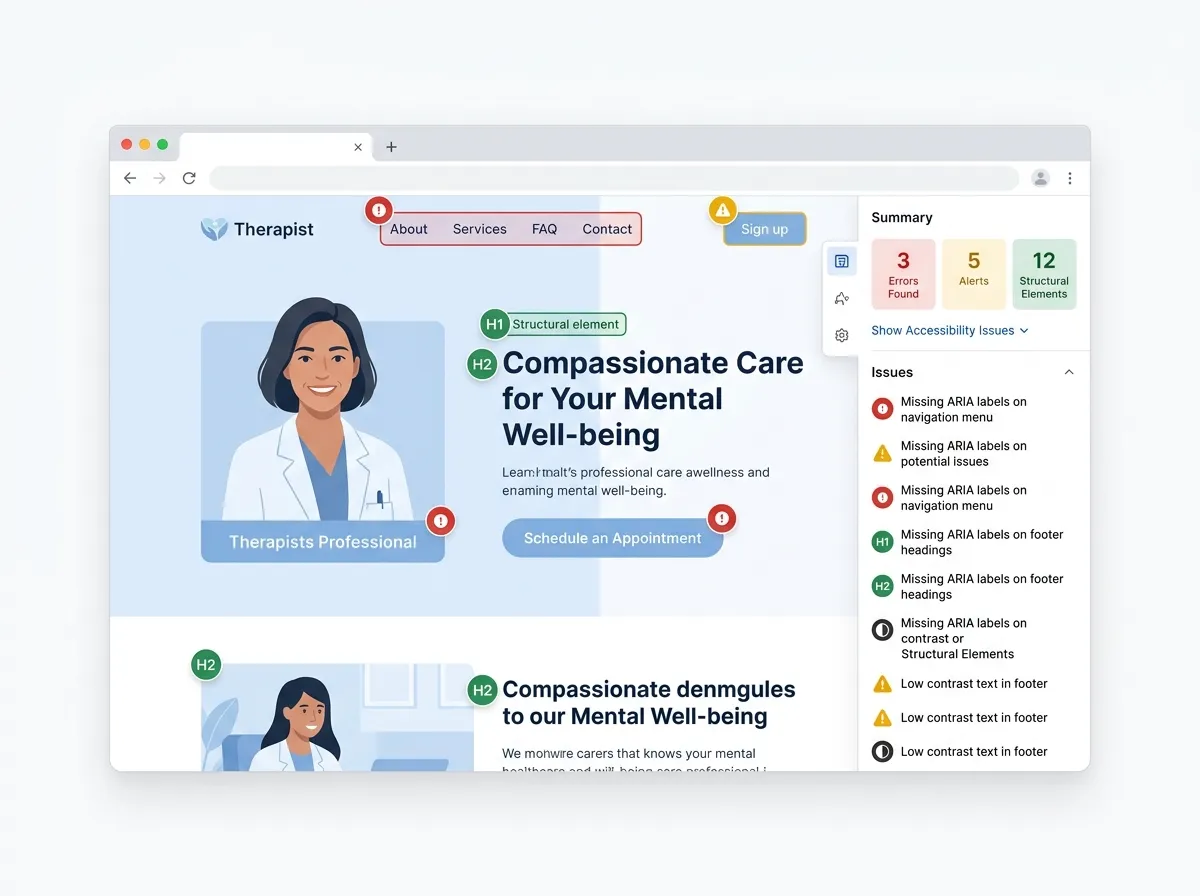
Incorporating emotional design elements, such as calming colors and relatable imagery, can also enhance the user experience. Additionally, ensuring that the website is accessible to individuals with disabilities further broadens the reach and inclusivity of the practice.
Research further supports the idea that thoughtful UI/UX design can significantly boost patient engagement with digital health interventions.
UI/UX Design for Enhanced Digital Treatment Engagement
Our findings indicate that an optimized UI based on UX design principles, in comparison to usability or treatment credibility but increases some measures of behavioral engagement with
The effect of user interface on treatment engagement in a self-guided digital problem-solving intervention: A randomized controlled trial, E Forsell, 2021
What Are the Compliance and Security Considerations When Integrating EHR with Your Website?
Integrating EHR systems with a therapist’s website involves several compliance and security considerations. Ensuring that both platforms adhere to HIPAA regulations is paramount to protect patient information. This includes implementing strong encryption methods and access controls to safeguard sensitive data.
Practices must also establish clear protocols for data handling and storage to mitigate risks associated with data breaches. Regular training for staff on compliance requirements and security best practices is essential to maintain a secure environment for patient information.
Developing a robust, HIPAA-aware web application framework is crucial for telehealth systems, encompassing various security measures to protect sensitive patient data.
HIPAA-Compliant Web Framework for Telehealth Systems
This paper proposes a comprehensive, HIPAA-aware web application design framework specifically tailored for next-generation telehealth systems, addressing critical requirements including data encryption, access control, audit logging, secure communication protocols, and breach notification mechanisms (Seh et al., 2020).
A HIPAA-aware web application design framework for next-generation telehealth systems, SS Akib Rahman, 2024
How Does HIPAA-aware Impact EHR and Website Integration?
HIPAA compliance significantly impacts how EHR systems and websites are integrated. Practices must ensure that any data shared between the two platforms is encrypted and that access is restricted to authorized personnel only. Failure to comply with HIPAA regulations can result in severe penalties and damage to the practice’s reputation.
Additionally, practices should conduct regular audits of their systems to ensure ongoing compliance and identify any potential vulnerabilities. By prioritizing HIPAA compliance, practices can protect patient information and build trust with their clients.
What Best Practices Ensure Data Security in Mental Health Practice Tech Stacks?
To ensure data security in mental health practice tech stacks, several best practices should be followed:
- Regular Security Audits: Conducting audits helps identify vulnerabilities and ensures compliance with security protocols.
- User Education: Training staff on data security measures and best practices is crucial for maintaining a secure environment.
- Incident Response Plans: Establishing clear protocols for responding to data breaches can minimize damage and protect patient information.
By implementing these best practices, mental health practices can create a secure tech stack that safeguards sensitive data while enhancing operational efficiency.