The Real Math: Cost Per Client Calculation and Marketing ROI for Therapists
Client acquisition cost (CAC) is a core metric for therapists and wellness professionals who want to optimise marketing spend. This article explains how to measure CAC, the factors that drive it, and what it means for marketing ROI and practice operations. It also outlines digital marketing and professional design tactics that can improve acquisition outcomes and operational efficiency.
What Is Client Acquisition Cost in Therapy?
Client acquisition cost is the total expense to acquire a new client, including direct marketing (ads, promotions) and onboarding-related costs. As a financial indicator, CAC helps therapists evaluate marketing effectiveness and the sustainability of growth plans.
Calculation of Client Acquisition Cost
Compute CAC by dividing total acquisition-related costs by the number of new clients acquired in the same period. The formula can be represented as follows:
For example, $1,500 in marketing spend divided by 15 new clients yields a CAC of $100, illustrating the link between marketing expense and client intake.
Factors Influencing Client Acquisition Cost
Common drivers of CAC include:
- Marketing Strategy: Channels and messaging affect engagement and conversions.
- Target Audience: Precise targeting lowers wasted spend.
- Service Offerings: Niche or complex services can change conversion dynamics.
- Referral Networks: Referrals typically reduce CAC versus paid acquisition.
Identifying the primary drivers lets practices focus on the most cost-effective tactics.
Implications for Marketing ROI

CAC is directly tied to marketing ROI: if CAC exceeds average client lifetime value, the practice can become unprofitable. Reducing CAC through targeted marketing and optimisation improves ROI and ensures marketing spend supports sustainable growth.
How Do Therapists Calculate Cost Per Client?
Compile marketing and acquisition costs for a period—paid ads, materials, outreach—and divide by the number of new clients in that period. Use the result to compare channels and adjust strategy.
Why Is Understanding Client Acquisition Cost Critical for Therapy Practices?
Tracking CAC matters because it affects:
- Financial Health: Informs budgeting and forecasts.
- Resource Allocation: Guides where to invest marketing dollars.
- Strategic Planning: Informs growth priorities and service mix.
Regular CAC tracking supports smarter budgeting and strategy decisions.
How Does Marketing ROI Affect Therapy Lead Cost?
Marketing ROI measures revenue relative to marketing spend. Higher ROI yields more revenue per dollar and reduces cost per lead, lowering overall CAC and improving practice profitability.
What Are Key Metrics for Measuring Marketing ROI in Mental Health?
Focus on a few core metrics:
- Client Lifetime Value (CLV): Expected total revenue from a client.
- Conversion Rate: Share of leads that become paying clients.
- Cost Per Lead (CPL): Cost to acquire a lead, which informs CAC.
Tracking CLV, conversion rates, and CPL reveals which channels deliver the best returns.
How Can Therapists Improve Marketing ROI to Reduce Client Acquisition Costs?
Effective tactics include:
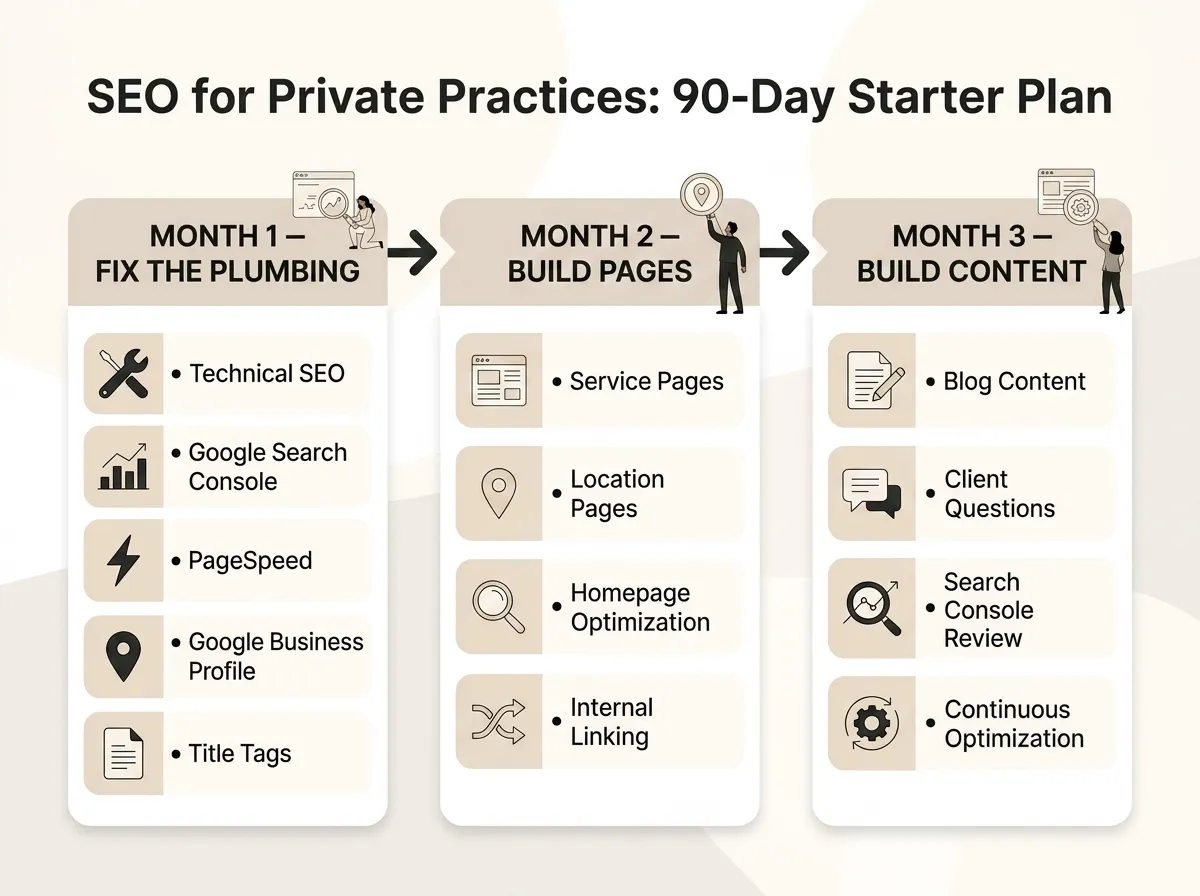
- Optimizing Online Presence: Better website content and SEO to attract organic traffic.
- Leveraging Social Media: Targeted campaigns to engage relevant audiences.
- Implementing Referral Programs: Incentivise referrals to lower paid acquisition needs.
Applied consistently, these approaches reduce CAC and improve marketing outcomes.
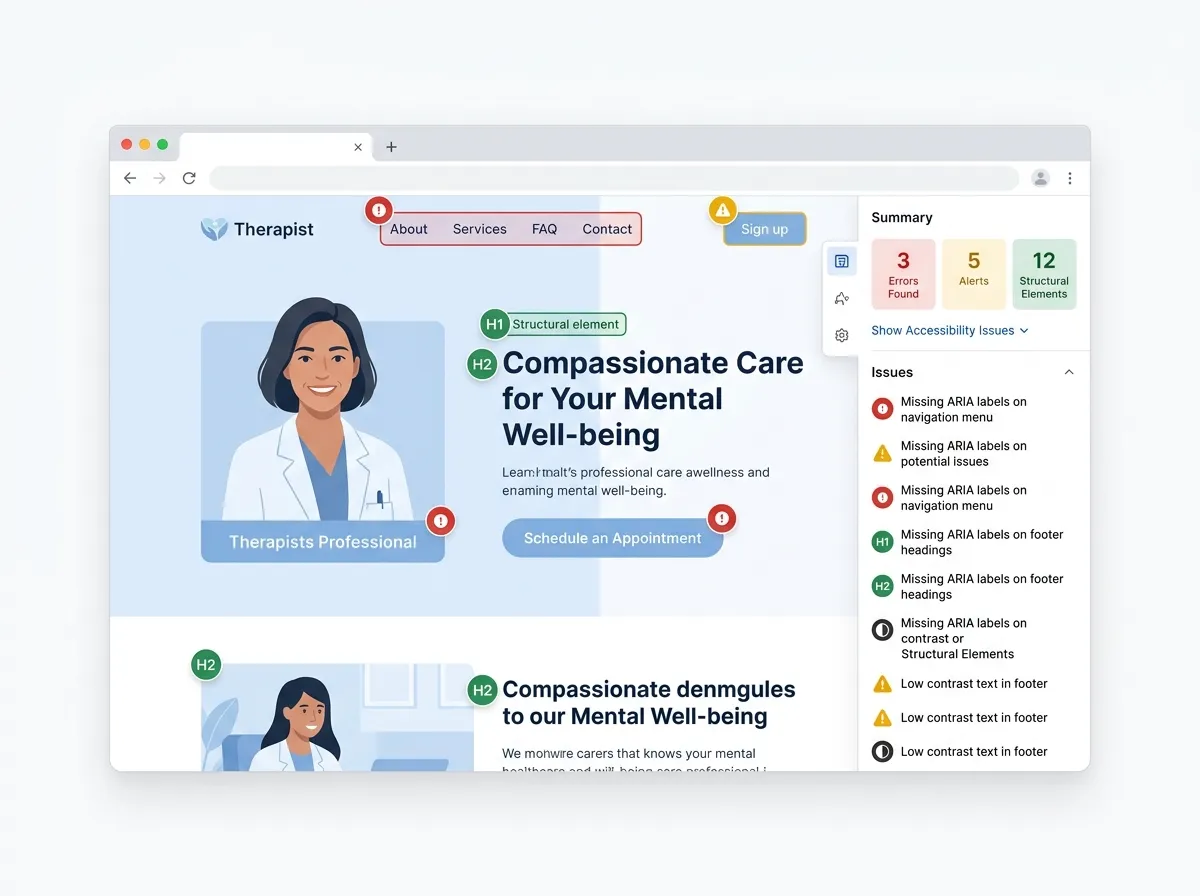
What Role Does Professional Web Design Play in Lowering Therapy Lead Costs?
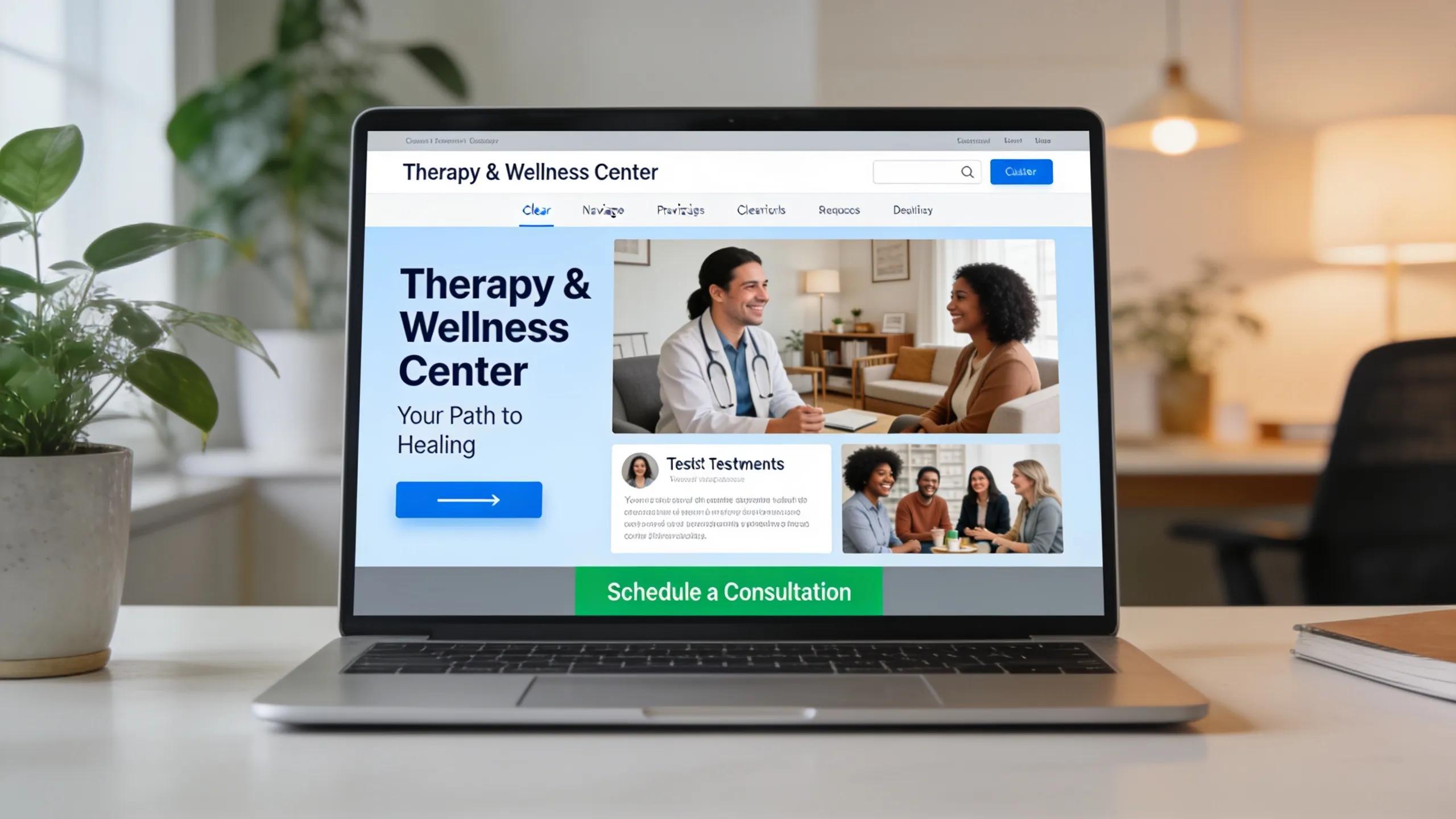
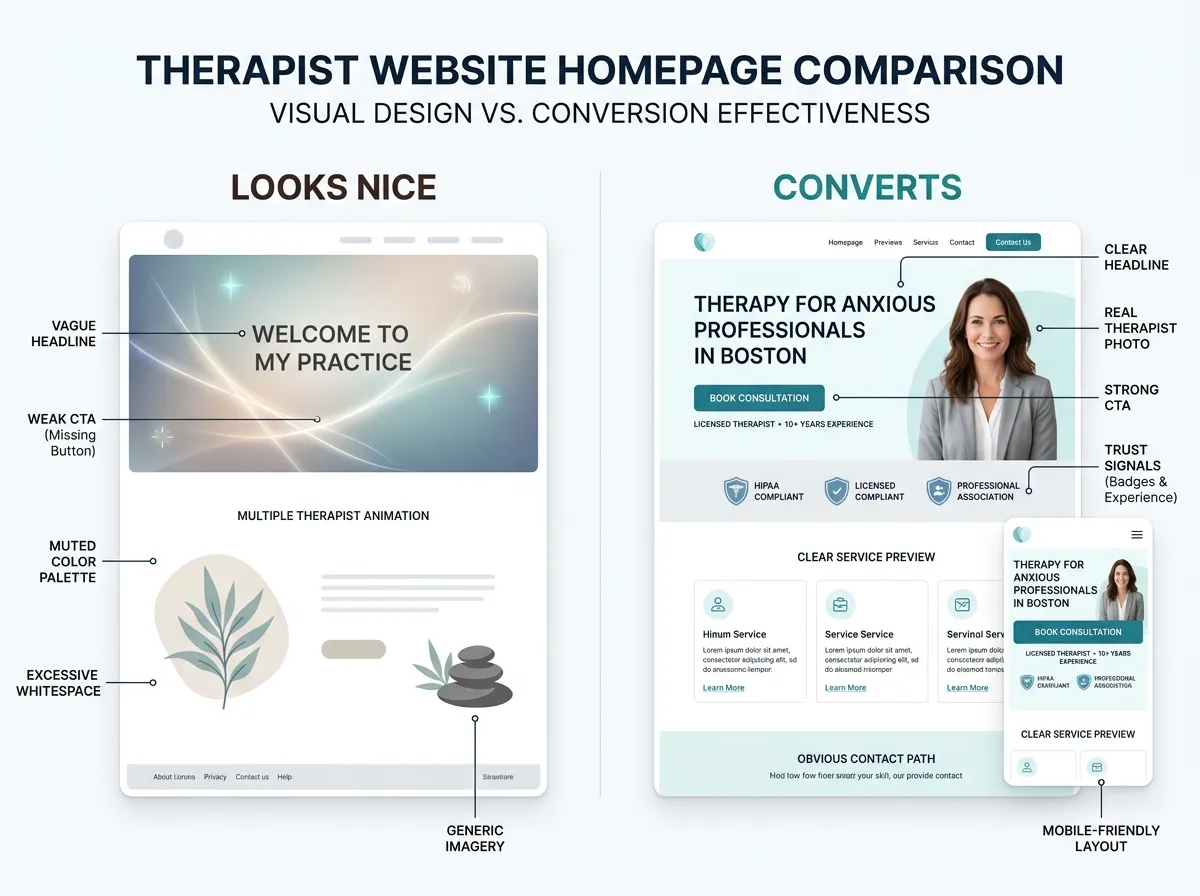
Good web design lowers lead costs by improving usability and conversion paths. Clear, intuitive interfaces reduce friction and raise the likelihood that visitors become clients.
How Does Conversion Architecture Optimize Client Acquisition?
Conversion architecture means building a site to convert visitors into clients. Key elements are:
- Clear Calls-to-Action (CTAs): Guide visitors to book or enquire.
- Optimized Landing Pages: Align pages with specific campaigns or ads.
- A/B Testing: Test variants to find the best-performing elements.
These steps improve lead acquisition and the client experience.
What Are Industry-Specific Web Design Features That Drive ROI for Therapists?
Helpful features include:
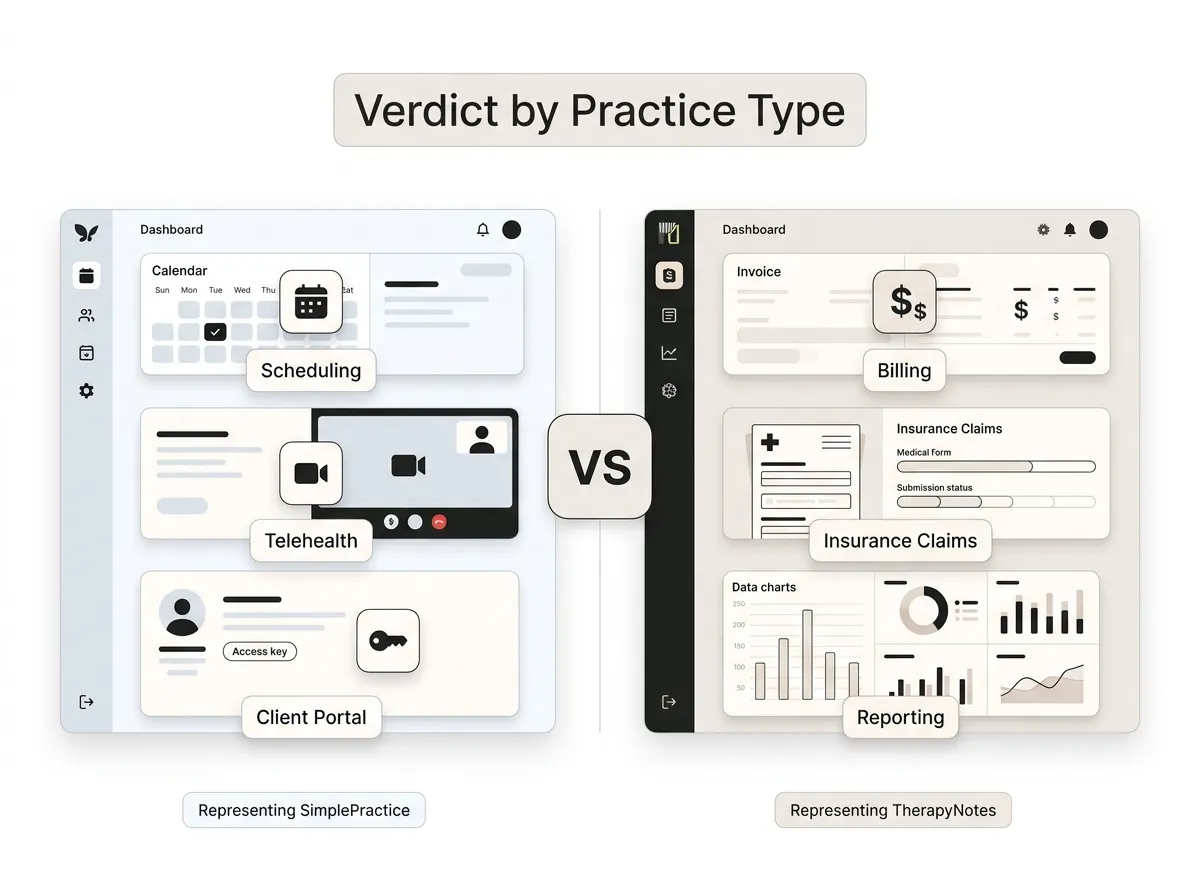
- Appointment Scheduling Tools: Simplify booking to raise conversions.
- Client Testimonials: Build trust and credibility.
- Secure Client Portals: Improve client satisfaction and retention.
These elements streamline journeys and boost ROI.
Which Tools and Case Studies Illustrate Cost Per Client Optimization for Therapy Practices?
Useful tools include:
- Google Analytics: Track traffic and conversions.
- CRM Software: Manage leads and client relationships.
- A/B Testing Tools: Compare approaches to find higher-performing tactics.
How Do Real Therapy Practices Calculate and Monitor Cost Per Client Effectively?
Practices combine analytics and client feedback in platforms that consolidate interactions and costs. This streamlines CAC tracking and supports iterative improvements.
What Tools Facilitate Accurate Client Acquisition Cost Tracking?
Common tools include:
- HubSpot: CRM and campaign measurement.
- Salesforce: Robust analytics and lead reporting.
- Pipedrive: Pipeline management for prospect tracking.
Using CRM, analytics, and testing tools helps practices monitor financial metrics and adjust quickly.
Frequently Asked Questions
What are the long-term benefits of reducing client acquisition costs?
Lower CAC improves profitability and frees budget to enhance client experience, retention, and referrals. Over time this builds a more loyal client base and steadier revenue.
How can understanding client acquisition costs improve client retention?
Knowing which channels bring valuable clients lets therapists prioritise nurturing those relationships. Savings from lower CAC can be reinvested in follow-up care and loyalty initiatives that boost lifetime value.
Is there a standardized benchmark for client acquisition costs in therapy?
There’s no universal benchmark. Many practices aim for CAC well below CLV; a common guideline is CAC around 20–30% of lifetime value, but targets should match each practice’s service mix and market.
Can referral programs effectively lower client acquisition costs?
Yes. Referrals usually convert at higher rates, reducing the need for paid ads and supporting steady, lower-cost growth.
What role does client feedback play in reducing acquisition costs?
Feedback reveals service gaps and improvement opportunities. Positive testimonials lower acquisition friction, while ongoing feedback informs service tweaks that improve retention and reduce CAC.
How does digital marketing impact client acquisition costs?
Digital channels enable precise targeting and measurement, so practices can shift spend to higher-performing tactics and lower CAC through continual optimisation.
Conclusion
Understanding client acquisition costs is key to a practice’s financial health. By tracking CAC and improving marketing, design, and referral systems, therapists can increase ROI and support sustainable growth. Use the tools and tactics described here to make data-informed improvements to your practice.