Owned Media Strategy: Unlocking the Compound Effect for Long Term Therapy Practice Growth
The compound effect in marketing for therapy practices shows how steady investment in owned media produces measurable growth. Using owned channels—websites, email lists, and social profiles—therapists can increase visibility, build trust, and attract clients over time. This article outlines the essential elements of an owned media strategy, practical steps to implement it, and the outcomes to expect.
Key Components of an Owned Media Strategy
A strong owned media strategy combines website optimisation, purposeful content, SEO, social engagement, email marketing, and regular measurement to create a consistent, discoverable presence that attracts and retains clients.
Website Optimization

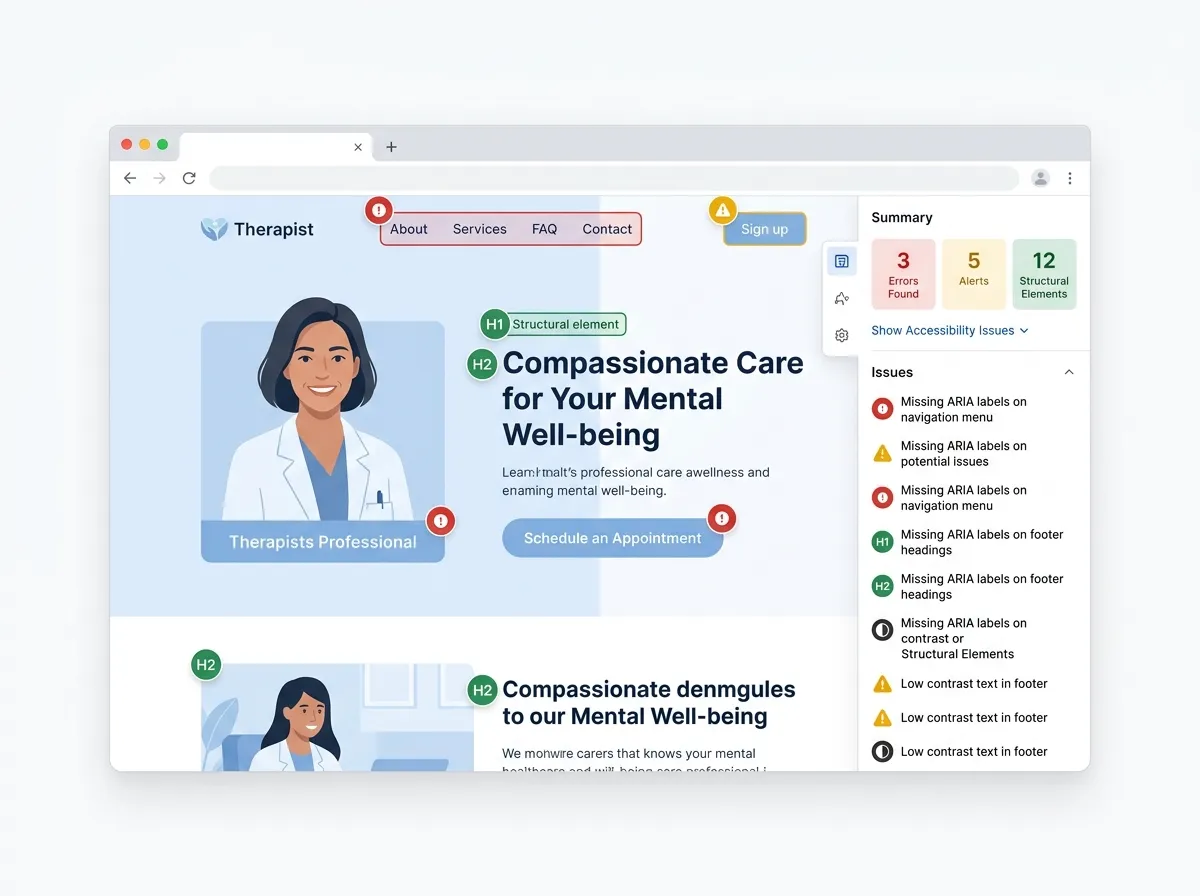
Ensure mobile responsiveness, fast load times, clear navigation, and well-structured on-page SEO (meta tags, headings, and content). A professional, user-centered site reduces friction and helps convert visitors into enquiries.
Content Creation
Create useful content that answers client questions and demonstrates expertise—regular blog posts, short videos, and downloadable resources. A content calendar keeps publication consistent and amplifies search visibility.
SEO Strategies
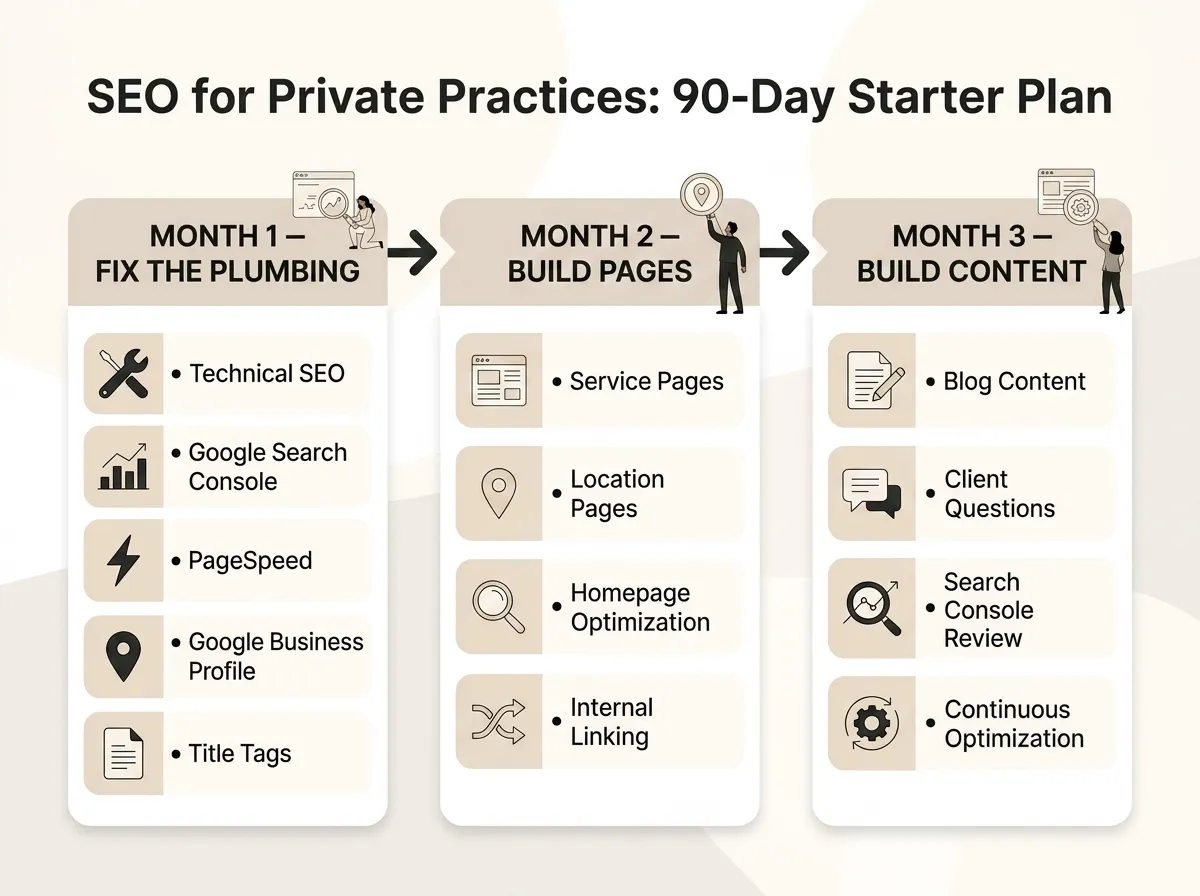
Use keyword research and local optimisation to match search intent, and keep business listings and reviews accurate. These tactical steps improve discoverability for prospective clients in your area.
Social Media Engagement

Use social platforms to share supportive, informative content and to foster community. Regular, responsive interaction and varied formats (posts, short video, polls) maintain interest and extend reach.
Email Marketing
Grow a subscriber list with lead magnets such as guides or newsletters. Regular, helpful emails nurture prospects, reinforce expertise, and keep your practice top of mind.
Performance Measurement
Track metrics like website traffic, social engagement, and email open rates. Frequent audits and simple experiments help refine what works and where to prioritise effort.
Implementation Strategies
Align owned media activities with practice goals by focusing on content marketing, local SEO, community outreach, client testimonials, and continuous learning to improve results over time.
Content Marketing
Publish practical content that answers common client concerns and offers actionable tips. Over time, consistent useful content builds credibility and organic traffic.
Local SEO
Keep business profiles accurate, verify location details, and encourage reviews. Local optimisation increases visibility among nearby clients and strengthens community credibility.
Community Outreach
Participate in local events, run workshops, and collaborate with other professionals to raise your profile and expand referral networks.
Client Testimonials
Showcase authentic testimonials (video or written) to provide social proof and help prospects evaluate your services.
Continuous Learning and Adaptation
Stay current with marketing and clinical practice through courses and industry reading, and adopt tools and techniques that improve owned media outcomes.
Expected Outcomes
With consistent execution, owned media produces higher visibility, improved engagement, and steady client acquisition—compounding benefits that support long-term practice growth.
What Is the Compound Effect of Owned Media in Therapy Practice Marketing?
The compound effect is the cumulative benefit from repeated, focused owned media actions—consistent content and engagement that grow brand visibility and client acquisition over time.
How Owned Media Supports Long Term Client Acquisition
Owned media builds trust and demonstrates expertise; prospects who find helpful content are more likely to book, refer others, and stay longer as clients.
Which Strategies Maximize Owned Media Benefits for Therapy Practices?
The best results come from combining quality content, strategic SEO, and deliberate community engagement while monitoring performance and adjusting tactics.
How to Implement Conversion Architecture in Therapist Websites
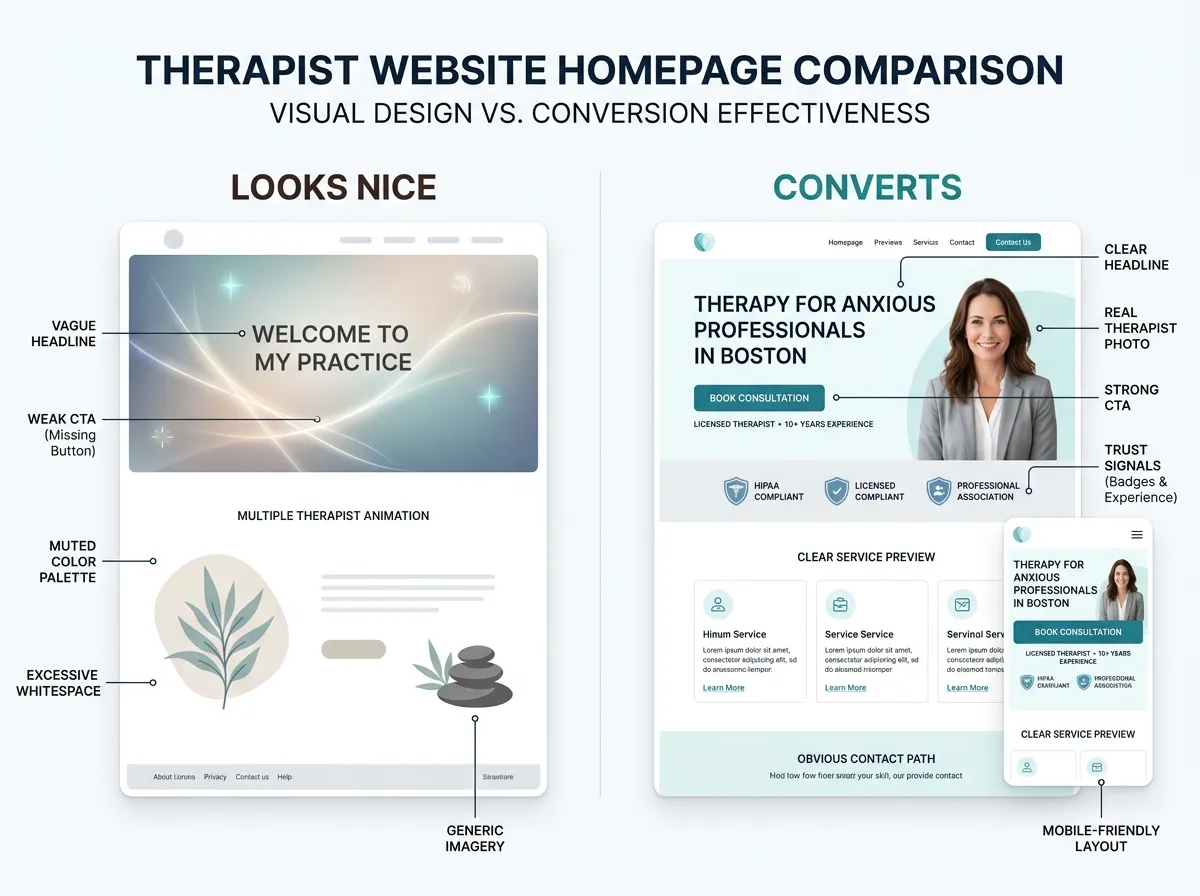
Conversion architecture focuses on clear CTAs, targeted landing pages, and a user-friendly design to guide visitors toward bookings or enquiries.
- Clear Call-to-Actions (CTAs): Encourage visitors to book consultations or subscribe to newsletters with visible and compelling CTAs throughout the site.
- Compelling Landing Pages: Create focused landing pages that provide clear benefits and value propositions tailored to specific services.
- User-Friendly Design: Ensure that the website layout promotes easy navigation and encourages visitors to explore various services offered.
These elements simplify the visitor journey and increase the likelihood of conversion.
What Content Marketing Techniques Drive Organic Growth for Wellness Businesses?
Educational blog posts, webinars, and client success stories attract search traffic and engage audiences; focus on practical answers to common questions.
How Does Owned Media Enhance Therapy Practice Digital Marketing Outcomes?
Owned channels provide a stable platform for consistent messaging, improving brand recognition, client interaction, and measurable KPIs over time.
What Are Proven Case Studies Demonstrating the Compound Effect?
Examples show that coordinated blog and email programs, maintained over months, produce steady increases in engagement and client acquisition—demonstrating the value of long-term commitment.
Which Metrics Measure Owned Media Effectiveness in Practice Growth?
Key metrics include:
- Client Acquisition Rates: New clients attributed to owned media efforts.
- Engagement Metrics: Social likes, shares, comments, and other interaction measures.
- Website Traffic: Visits, referral sources, and changes after content publication or campaigns.
Regularly review these metrics to refine priorities and improve impact.
What Are Best Practices for Maintaining and Evolving Owned Media Over Time?
Run regular content audits, keep engaging your audience, and monitor market changes so your content stays relevant and effective.
How to Use Structured Data and Semantic SEO to Boost Therapy Website Visibility
Implement schema markup and write content that clarifies intent and context to search engines, which can improve search listings and click-through rates.
Why Ongoing Content Auditing and Industry Monitoring Matter for Wellness Marketing
Routine audits and industry monitoring help you update content for accuracy and relevance, and let you react to shifting client needs and standards.
Frequently Asked Questions
What are the benefits of implementing an owned media strategy in therapy practices?
An owned media strategy increases visibility, strengthens engagement, and builds professional authority—driving retention and referrals over time.
How can therapists measure the success of their owned media efforts?
Track website traffic, social engagement, email metrics, and client acquisition to see which activities generate results and deserve more investment.
What types of content should therapists focus on creating for their audiences?
Prioritise informative formats: short blog posts, videos, guides, and testimonials that answer common client questions and offer practical support.
How important is local SEO for therapy practices?
Local SEO is vital for attracting nearby clients—keep profiles accurate, verify locations, and encourage reviews to improve local visibility.
What role do client testimonials play in an owned media strategy?
Testimonials provide social proof that helps prospective clients assess your effectiveness and decide to reach out.
How often should therapists update their content and strategies?
Review and refresh content and tactics regularly—typically every few months—to keep information current and aligned with client needs.
Conclusion
A deliberate owned media strategy—consistent content, local optimisation, and ongoing measurement—builds authority, attracts clients, and compounds growth over the long term. Start with small, consistent actions to improve your owned channels and track progress.