Best Lightweight EHR Tools for Solo Therapists to Streamline Practice
Managing a solo therapy practice efficiently supports better care and work–life balance. Lightweight Electronic Health Record (EHR) software reduces administrative tasks, improves client communication, and helps meet compliance requirements. This article summarizes essential features, HIPAA and security considerations, the role of “web design“ in adoption, and affordable EHR options for solo therapists.
Selecting an EHR system is a critical decision that affects patient care and daily efficiency.
Choosing the Right EHR for Therapy Practices: Efficiency & Patient Care
Choosing the appropriate Electronic Health Record (EHR) can be challenging for therapy practices, yet it substantially influences care quality and operational efficiency. Therapists routinely manage patient records, scheduling, and billing; the right system reduces administrative burden and supports clinical workflows. This guide compares therapy EHRs to help practices select the most suitable solution.
Therapy EHR Comparison: Choosing the Right System for Your Practice
What Are the Essential Features of Lightweight EHR Software for Solo Therapists?

Lightweight EHRs focus on core practice needs with simple, intuitive interfaces and helpful integrations. Evaluate systems for:
- Usability : Clear interfaces, minimal training.
- Integration Capabilities : Billing and telehealth connectivity.
- Cost-Effectiveness : Plans suitable for single practitioners.
These features let therapists spend more time on clinical work and less on administration.
Which Practice Management Capabilities Support Solo Therapist Workflows?
Smooth operations rely on practical management tools that reduce routine tasks and client friction.
- Online Scheduling : Direct client booking to cut administrative work.
- Automated Reminders : Reduce no-shows with scheduled notifications.
- Client Portal Functionalities : Secure access to records and appointments.
Combined, these features improve efficiency and client satisfaction.
How Do Lightweight EHRs Enhance Scheduling and Client Communication?
Common features make scheduling and billing more efficient:
- Online Appointment Booking : Lets clients self-book and reduces back-and-forth.
- Automated Reminders : Improve attendance with automated alerts.
- Integration with Billing : Simplifies invoicing and payments.
These tools cut administrative time so therapists can focus on care.
How Does HIPAA-aware and Data Security Impact Mental Health EHR Solutions?
HIPAA compliance and robust security are non-negotiable for mental health records. Key controls include encryption, access controls, and regular audits.
Security and confidentiality are particularly important for behavioral health, which often requires a digital infrastructure tailored to longitudinal care rather than episodic medical records.
Next-Gen EMR for Behavioral Health: Scalable & Integrated Care
There is a growing demand among behavioral health providers to have digital infrastructure, which promotes the elements of integrated care, data interoperability, and scalable service provision. Conventional Electronic Medical Record (EMR) systems were developed to address acute and episodic medical events instead of longitudinal, in-depth behavioral health processes, which would encompass psychotherapy, psychiatry, case management, telehealth, pharmacotherapy, as well as Integrated Social Services.
Scalable Architecture for Next-Gen Behavioral Health EMRs, D Jagarlamudi, 2025
- Data Encryption : Protects data in transit and at rest.
- Access Control Measures : Limit records to authorized users.
- Regular Security Audits : Identify and fix vulnerabilities.
These controls build client trust and meet legal obligations.
What Security Standards Must Therapy Practice Software Meet?
Therapy software should implement encryption, strict access controls, and audit trails to ensure accountability.
- Data Encryption : Encrypt data at rest and in transit.
- Access Controls : Role-based permissions and secure logins.
- Audit Trails : Track access and changes for accountability.
Meeting these standards protects clients and the practice’s reputation.
How Do EHR Tools Ensure Confidentiality for Solo Therapists?
EHR tools support confidentiality through secure hosting, patient portals, and audits.
- Secure Hosting : Encrypted, managed servers.
- Client Portals : Controlled access for clients.
- Regular Security Audits : Ongoing compliance checks.
Research indicates that patient portals are central to secure communication and controlled data access.
EHR Patient Portals: Enhancing Therapist-Client Communication & Secure Data Access
The electronic health record (EHR) portal or an EHR patient portal is a technology that combines an EHR system and a patient portal where patients can communicate with their health care providers (eg, send messages, schedule medical appointments, and request prescription refills online) and access their EHR and medical exams results [1-3]. EHR is a repository of patient data in a digital form, stored and exchanged securely.
New integrated model approach to understand the factors that drive electronic health record portal adoption: cross-sectional national survey, J Tavares, 2018
These basic protections are essential to maintain client confidentiality.
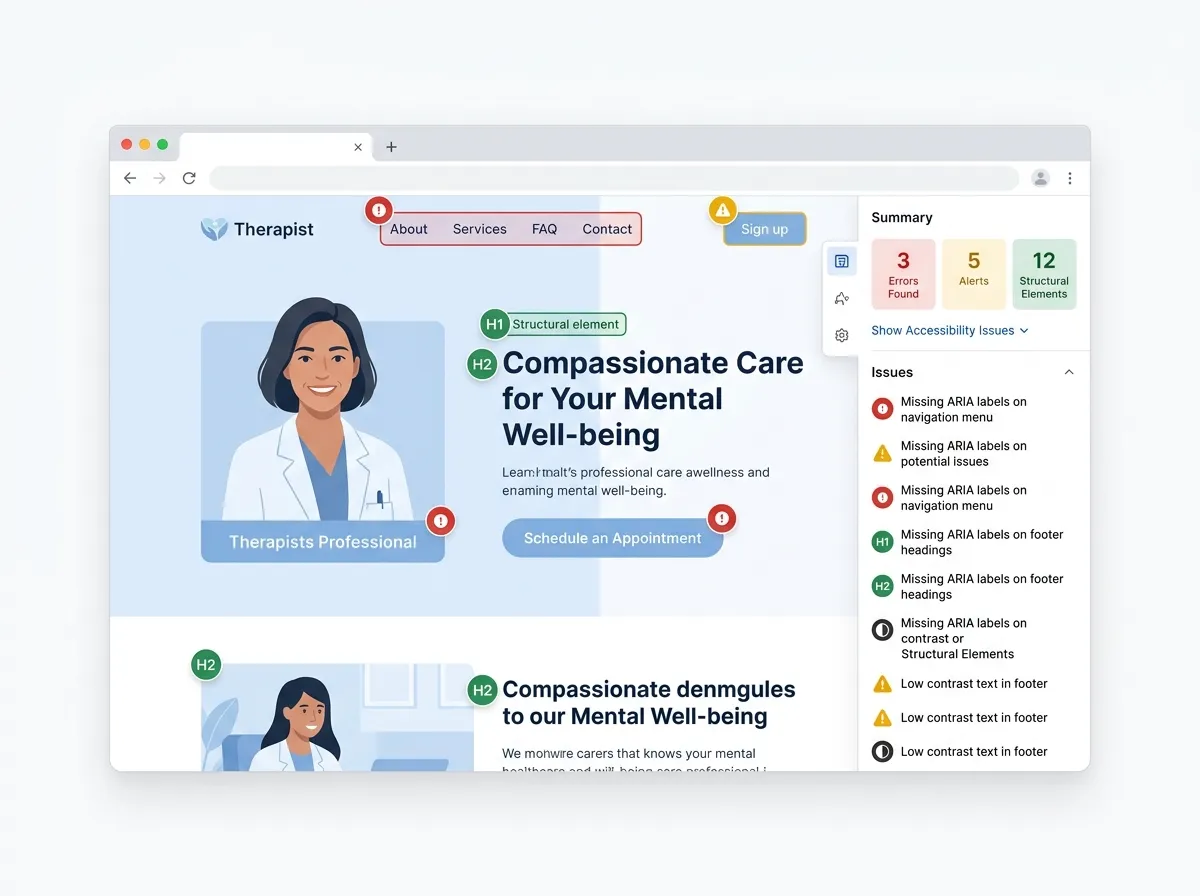
In What Ways Can Web Design Integration Improve EHR Adoption for Solo Therapists?
Thoughtful web design increases EHR adoption by simplifying navigation and centralizing access.
- User-Friendly Navigation : Easier workflows encourage use.
- Centralized Access to EHR Features : Single sign-on and unified dashboards.
- Mobile Responsiveness : Access on phones and tablets.
Better UX increases regular EHR use among therapists.
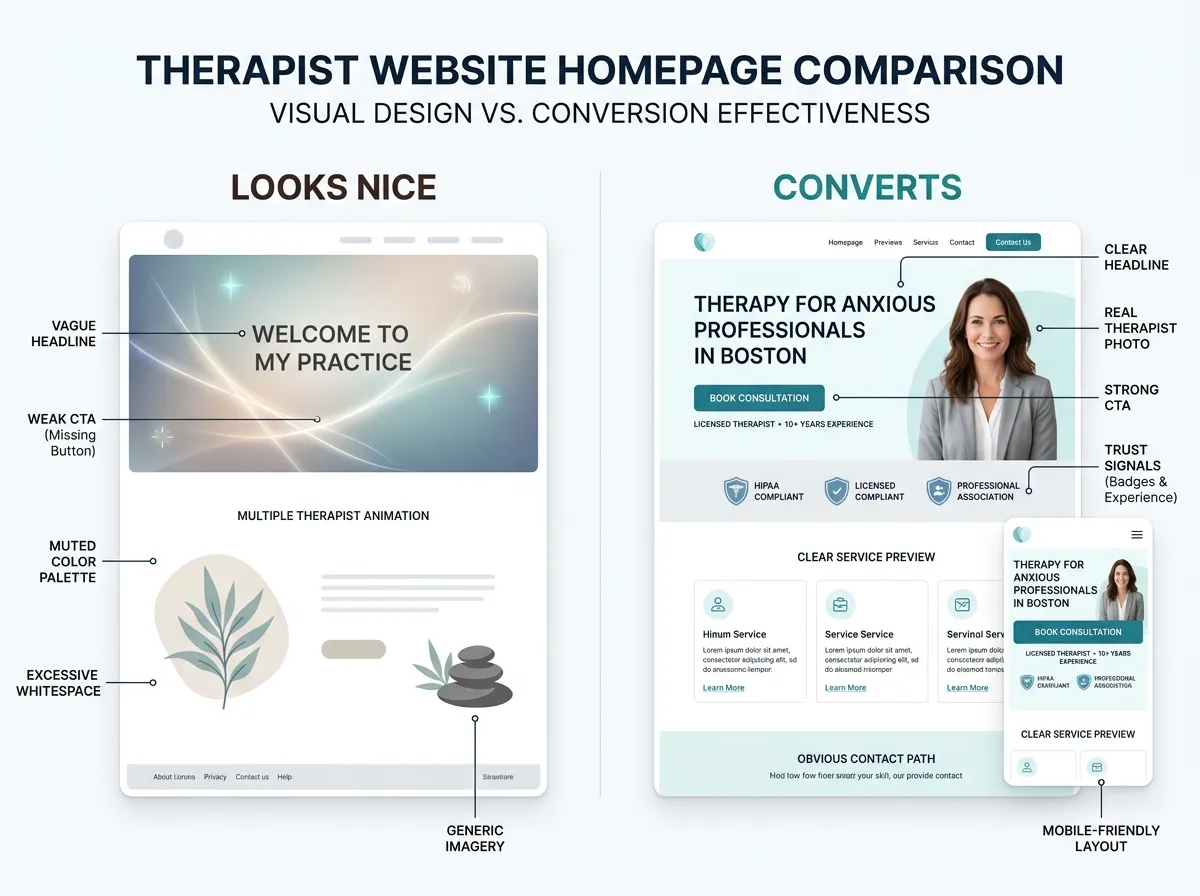
How Does Professional Web Design Streamline Patient Navigation and Reduce Friction?
Clean design helps clients find information and schedule care with minimal friction.
- Clear Navigation : Simple menus and prominent actions.
- Secure Patient Portals : Easy, private access to records.
- Online Scheduling : Quick booking flow.
These elements improve engagement and satisfaction.
What Are Best Practices for Embedding EHR Features into Therapist Websites?
Embed EHR features using well-chosen systems, APIs, and mobile-first design.
- Choosing the Right EHR System : Pick a system that fits your workflow.
- Utilizing API Integration : Use APIs for secure data flow.
- Ensuring Mobile Responsiveness : Verify mobile usability for clients.
These steps improve site functionality and client interactions.
What Are Affordable and Effective EHR Options for Solo Therapy Practices?
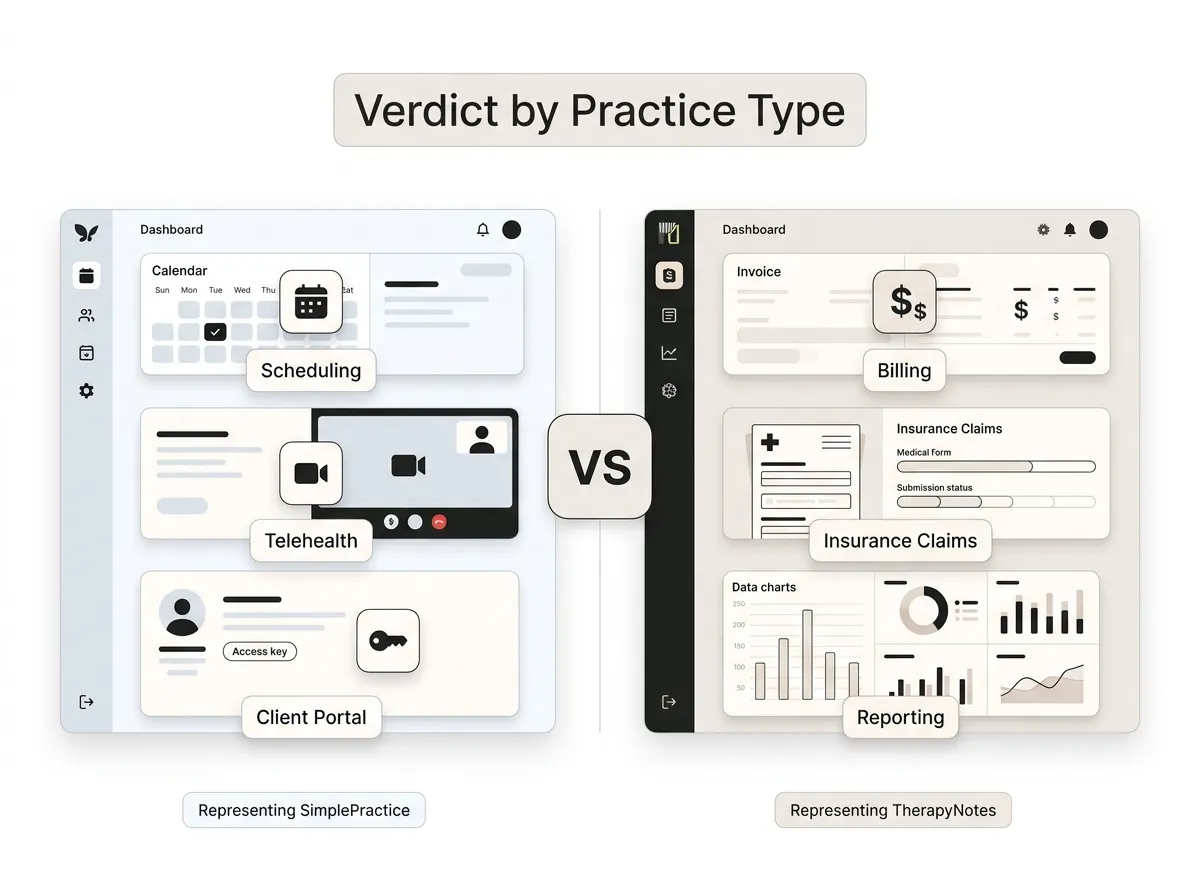
Several budget-conscious EHRs offer the core features solo therapists need. Notable options include:
- SimplePractice : User-friendly interface and integrated features.
- TherapyNotes : Strong documentation and billing tools.
- TheraNest : Feature-rich for small practices.
Each option supports solo practices seeking straightforward practice management.
How Do Pricing Models Vary Among Lightweight Therapy Practice Software?
Pricing typically uses tiers or per-user plans; review included features to determine value.
- Tiered Pricing Models : Choose the tier that matches needs.
- Cost-Effectiveness for Solo Practitioners : Look for solo-friendly plans.
- Value for Features Offered : Compare what each tier includes.
Understanding pricing makes it easier to balance cost and functionality.
Which EHR Solutions Offer the Best Value for Solo Therapists?
Assess affordability, feature sets, and user satisfaction when choosing an EHR.
- Affordability : Fit within your budget.
- Feature Set Comparison : Compare core features across vendors.
- User Satisfaction Ratings : Review user feedback and ratings.
Prioritizing these factors helps identify the best overall value.
Frequently Asked Questions
What should solo therapists consider when choosing EHR software?
Prioritise usability, integrations (billing and telehealth), and cost; choose a system that minimizes setup time and supports your workflow.
How can EHR software improve client engagement for solo therapists?
Client portals and automated reminders simplify communication and scheduling, improving engagement and reducing no-shows.
What are the potential challenges of implementing EHR systems for solo therapists?
Expect initial setup, data migration, and a learning curve; pick a vendor with good support and training to ease transition.
How do EHR systems support telehealth services for solo therapists?
Many EHRs integrate secure video, messaging, scheduling, and billing to enable efficient virtual sessions.
What role does customer support play in the effectiveness of EHR software?
Timely support and training reduce downtime and help you get the most value from the system.
Are there specific EHR solutions designed for niche therapy practices?
Yes. Some systems include specialised documentation and billing workflows for areas like addiction counseling or child therapy; match features to your specialty.
Conclusion
The right lightweight EHR can simplify administration, maintain security compliance, and improve client engagement for solo therapists. Compare features, pricing, and usability to find a system that fits your practice and begin optimizing your workflow and client experience.