
Mastering Local SEO to Attract Your Ideal Therapy Clients
Therapists face challenges in local search; mastering local SEO helps attract ideal clients and present a professional, trustworthy practice online. This guide summarises practical, actionable steps—optimizing Google Business Profiles, targeting local keywords, building citations, creating local content, encouraging reviews, and using social media—to improve local visibility and client engagement.
Google Business Profile Optimization
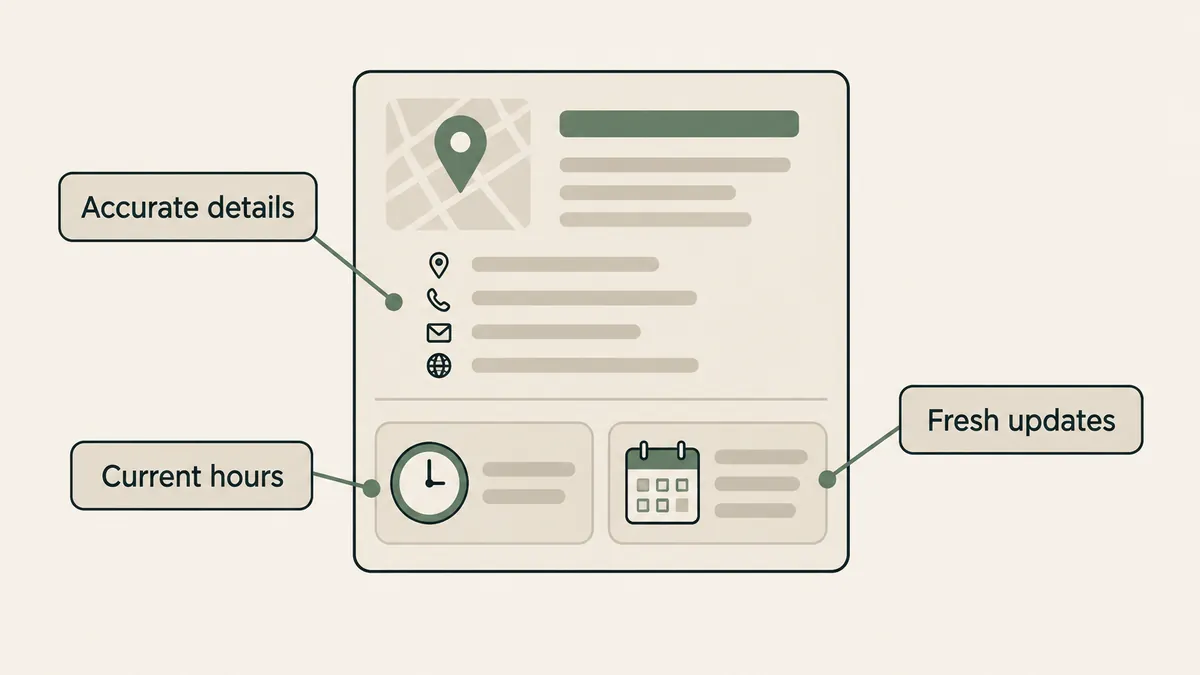
Claim, verify, and complete your Google Business Profile. Accurate details, timely posts, and thoughtful review responses improve visibility and conversion.
Prioritise completeness and clarity to convert searchers into clients.
Incorporating Local Keywords

Identify local search phrases and use them naturally in site copy, blog posts, and metadata to boost relevance.
- Identify local keywords: Research common search phrases in your area and specialty.
- Optimize website content: Fold phrases into service pages and blogs without forcing them.
- Metadata optimization: Include location and service keywords in titles and meta descriptions.
Consistent, natural keyword use helps local clients find your practice.
Building Local Citations
Consistent NAP (name, address, phone) listings across directories and platforms reinforce credibility and local search signals.
- List in reputable directories: Add your practice to trusted local and industry listings.
- Maintain NAP consistency: Audit listings regularly to correct discrepancies.
- Leverage local partnerships: Use partnerships to earn additional mentions and links.
Accurate citations build authority and aid verification for prospective clients.
Creating Relevant Local Content
Publish localised content addressing community concerns and events to show expertise and connect with nearby clients.
- Write about local events: Cover workshops, seminars, or community mental health topics.
- Establish authority: Produce clear, helpful articles answering common local questions.
- Utilize community resources: Highlight collaborations and local referral options.
Local content strengthens your footprint and client relationships.
Encouraging Online Reviews
Reviews influence reputation and local rankings. Encourage and respond to feedback to build trust.
- Request reviews post-session: Invite satisfied clients to review you on Google or relevant platforms.
- Feature testimonials: Use selected testimonials on your site for social proof.
- Engage with reviews: Reply professionally to both positive and negative feedback.
A proactive review approach improves credibility and search performance.
Monitoring and Measuring Success
Track traffic, keyword positions, and client interactions to refine local SEO tactics.
- Use Google Analytics: Monitor referral sources and user behavior.
- Check rankings: Review target keyword performance and adjust content.
- Review engagement: Measure bookings, contact forms, and calls to evaluate impact.
Regular measurement keeps your practice competitive and adaptive.
Mastering Local SEO to Attract Your Ideal Therapy Clients

Most local searches occur on mobile—ensure a responsive, fast site that makes booking and contacting easy.
- Ensure mobile-friendliness: Use responsive design and clear layout for small screens.
- Focus on site speed: Compress assets and optimise images.
- Streamline navigation: Make key actions (call, book) obvious and reachable.
Good mobile UX reduces friction and aids conversions.
Utilizing Social Media
Social media extends reach and drives local interest when used to share useful content and community updates.
- Share valuable content: Post tips, articles, and event notices.
- Engage locally: Interact with community members and local groups.
- Promote events: Use posts to boost workshop or webinar attendance.
An active social presence supports referrals and site visits.
How Can Therapists Optimize Their Google My Business Profiles for Better Local Rankings?
Complete profile details, engage with reviews, and post updates regularly to keep your listing relevant.
- Complete profile information: Fill services, hours, and categories.
- Engage with reviews: Respond promptly and professionally.
- Utilize posts and updates: Share timely announcements or resources.
These actions improve discoverability and ease of contact.
How Do NAP Consistency and Business Categories Impact Therapy Practice Visibility?
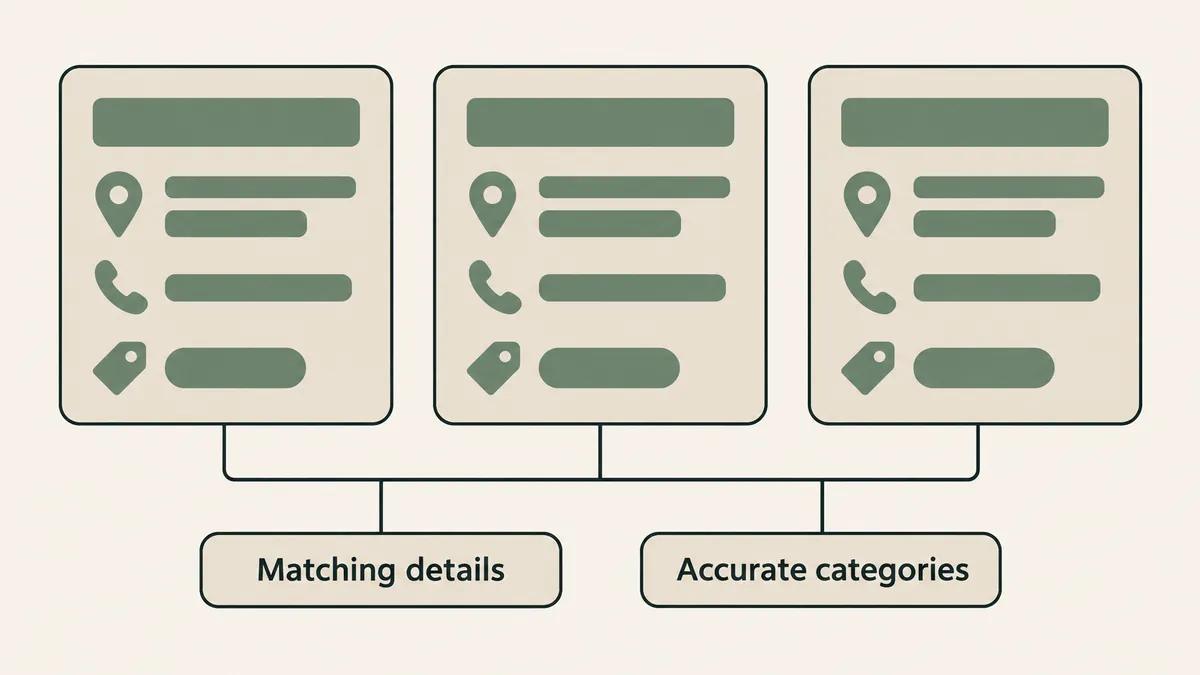
Consistent NAP prevents confusion and helps search engines match queries to your practice; accurate categories ensure correct representation.
- Impact of NAP: Inconsistencies harm rankings and confuse clients.
- Correct categories: Choose categories that reflect your services precisely.
Reliable listings and categories build trust with search engines and clients.
What Local SEO Strategies for Therapists Drive Private Practice Growth?
Focus on an optimised GMB, targeted local keywords, and active review management to grow local visibility.
- Optimize GMB: Keep your profile current and complete.
- Target local keywords: Update content based on local search behavior.
- Manage reviews: Solicit and respond to client feedback.
These core tactics help attract more local clients when applied consistently.
Why Is Mobile Optimization Critical for Therapist Website Performance in Local Search?
Mobile-friendliness and quick loading lower bounce rates and increase conversions from local searches.
- Mobile-friendly design: Make content readable and actions clear on phones.
- Quick loading times: Improve performance to retain visitors.
Better mobile UX increases booking and contact rates.
How Should Therapists Optimize Their Websites to Convert Local Visitors into Booked Consultations?
Make booking easy with clear CTAs and an intuitive scheduling flow.
- Implement an online booking system: Offer convenient, secure appointment booking.
- Create clear CTAs: Use prominent buttons and next-step prompts.
Simplifying the journey raises conversion rates.
How Does Clinical UX Reduce Friction and Build Patient Confidence Online?
Good clinical UX simplifies navigation and uses welcoming design to reduce anxiety before first contact.
- Intuitive navigation: Help users find critical information quickly.
- Emotional design: Use tone and visuals that convey warmth and safety.
These design choices foster trust and encourage contact.
Which Content Ideas Drive Visibility and Engagement for Therapists in Local Search?
Create content tied to local events, common community concerns, and resource guides to increase discoverability.
- Local event posts: Promote and recap workshops or outreach.
- Community-focused articles: Address local mental health topics.
- Resource guides: Compile local support services and referrals.
Relevant local content attracts searchers and builds authority.
How Can FAQs and Schema Markup Boost Therapist Website SEO Performance?
FAQ pages with schema can generate rich results and improve click-through rates.
- Implementing FAQ schema: Add structured data to surface Q&A in search results.
- Benefits of rich snippets: Increase visibility and organic clicks.
Structured FAQs make listings more prominent and useful to searchers.
Frequently Asked Questions
What role does social media play in local SEO for therapists?
It increases visibility and community engagement; use it to share helpful content and event updates.
How important is content marketing for therapists in local SEO?
Essential: local, practical content positions your practice as a trusted resource.
How can therapists utilize analytics to improve their local SEO strategy?
Track traffic, referrals, and keyword performance to see what attracts local visitors and refine content.
What are some common mistakes therapists make with local SEO?
Inconsistent NAP, ignoring GMB, not requesting reviews, and not using local keywords.
Can online reviews impact a therapist’s ranking in local search results?
Yes; positive reviews and active responses improve credibility and can influence local rankings.
How does mobile optimization affect client outreach for therapists?
Mobile-friendly sites make booking and contact easier, reducing bounce rates and improving outreach.
What is the importance of participating in local events for therapists?
Events build trust, create citation opportunities, and raise both online and offline visibility.
Conclusion
Targeted local SEO—completed profiles, localised content, consistent citations, review management, mobile optimisation, and measured improvements—strengthens visibility and helps connect your practice with suitable clients. Seek expert help if needed to refine and scale these efforts.