Psychology Today vs. Your Own Therapist Website in 2026: Strategic Investment for Practice Growth
In the evolving landscape of mental health services, therapists face a critical decision regarding their online presence. As the digital world continues to expand, the choice between utilizing platforms like Psychology Today and investing in a personal therapist website becomes increasingly significant. This article explores the advantages and disadvantages of both options, providing insights into where therapists should focus their resources for optimal practice growth in 2026. Readers will learn about the importance of a professional website, effective SEO strategies, and the role of content marketing in attracting clients. Additionally, we will discuss how social media engagement, email marketing, and paid advertising can enhance visibility and client acquisition. By the end of this article, therapists will have a clearer understanding of how to strategically invest in their online presence.
Building a Professional Website
A professional website serves as a central hub for therapists, establishing credibility and attracting potential clients. Unlike directory listings, which can be generic and limiting, a custom therapist website allows for personalized branding and direct client engagement. Research indicates that client acquisition costs are significantly lower with a personal website, averaging around $100 per client compared to approximately $200 for directory listings. This cost-effectiveness, combined with the ability to showcase unique therapeutic approaches, makes a professional website an essential investment for therapists aiming for sustainable growth.
Indeed, effective digital marketing strategies, particularly those centered around a dedicated website, are proving to be the most efficient way for private practices to attract new clients.
Digital Marketing for Private Practice Patient Acquisition
Digital marketing in the hearing profession can be confusing, difficult, and make any private practice owner or manager frustrated with the results they are or are not getting. This article provides a digital marketing plan for getting new patients to contact your office for hearing healthcare services. Practitioners and managers are frustrated and confused by what they should be doing online. This article will give each reader a plan for getting results online and attracting new patients to their practice for less money than any other marketing medium available today.
Digital marketing for private practice: how to attract new patients, 2019
For therapists looking to create a standout online presence, partnering with a specialized web design company like Therapeia Web Design can be beneficial. They focus on lead generation and creating information hubs tailored to the needs of mental health professionals.
Psychology Today vs. Therapist Website: 2026 Growth Strategies

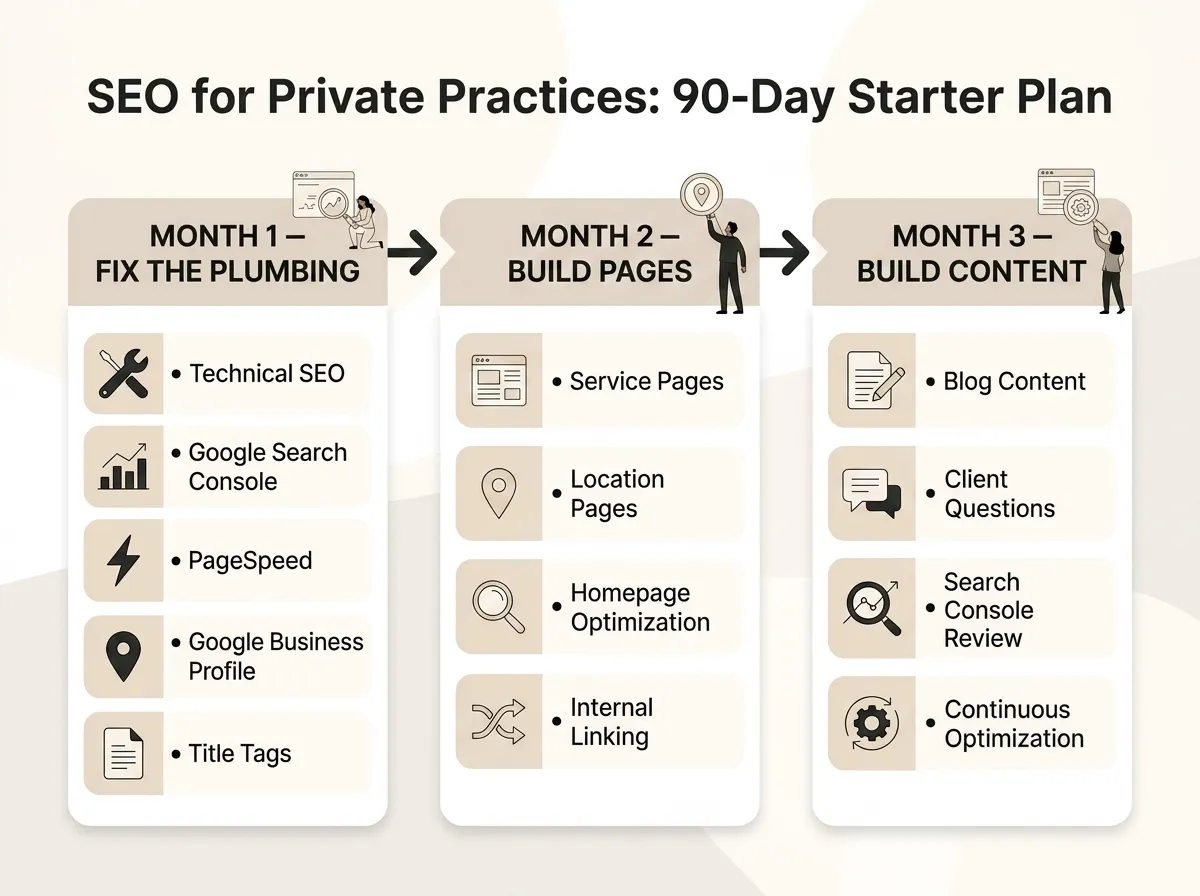
Effective SEO strategies are crucial for enhancing a therapist’s online visibility. Optimizing website content for search engines involves several key techniques, including keyword research, on-page optimization, and local SEO strategies. Regularly updating the site with fresh content not only improves search rankings but also keeps potential clients engaged.
Therapeia Web Design emphasizes the importance of professional web design in SEO, ensuring that therapists’ websites are not only visually appealing but also optimized for search engines. This dual focus can significantly enhance a therapist’s online presence and client acquisition efforts.
Content Marketing
Content marketing plays a vital role in establishing authority and attracting clients. By developing a content-rich blog, therapists can engage visitors with valuable insights and resources related to mental health. Regular publishing of informative articles not only improves SEO but also positions therapists as thought leaders in their field.
Social Media Engagement

Leveraging social media platforms is essential for reaching a broader audience. Engaging content on platforms like Facebook and Instagram can foster community interaction and enhance visibility. By sharing valuable insights and updates, therapists can build a loyal following and encourage potential clients to reach out for services.
Email Marketing
Email marketing remains a powerful tool for client retention and engagement. Building an email list allows therapists to maintain ongoing communication with clients, providing valuable resources and updates. Effective email strategies can significantly increase retention rates and foster long-term relationships with clients.
Paid Advertising
Targeted advertising can drive traffic to a therapist’s website and increase client inquiries. Utilizing platforms like Google Ads and social media advertising allows therapists to reach specific demographics, ensuring that their services are visible to those who need them most.
Analytics and Performance Measurement
Tracking performance metrics is essential for understanding user behavior and optimizing marketing strategies. By analyzing website analytics, therapists can identify areas for improvement and adapt their strategies accordingly. Continuous improvement based on data insights can lead to more effective client acquisition and retention efforts.
Integration of Technology
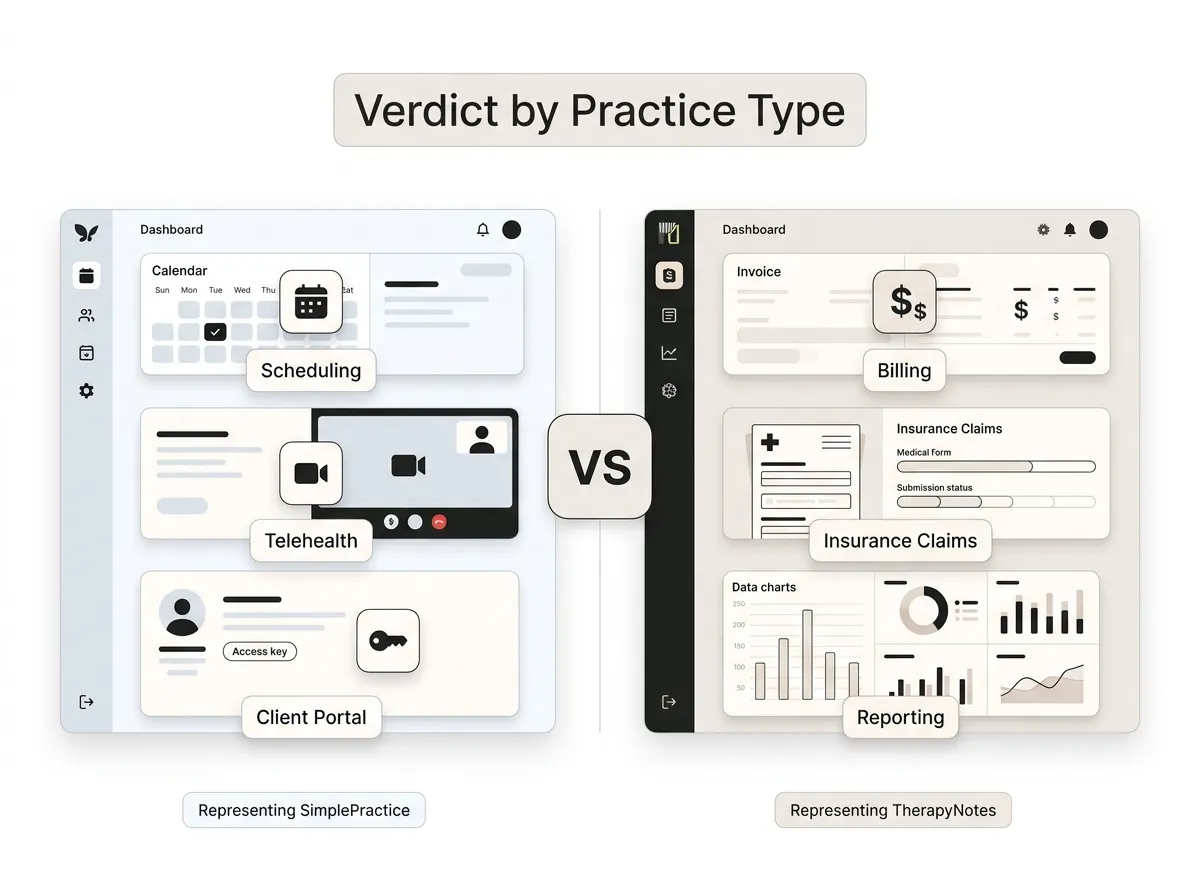
Incorporating technology into practice management can enhance the client experience. Features such as online booking systems and teletherapy options streamline the process for clients, making it easier for them to access services. This technological integration not only improves efficiency but also positions therapists as modern and accessible professionals.
What Are the Key Benefits of Owning a Professional Therapist Website?
Owning a professional therapist website offers several key benefits that can significantly impact practice growth:
- Client Engagement: A well-designed website enhances client engagement through personalized content and user-friendly navigation, encouraging actions like booking appointments.
- Branding: A custom website allows therapists to showcase their unique approach and philosophy, attracting clients who align with their values.
- Practice Management: Websites can streamline practice management by integrating online booking and payment options, ensuring ongoing maintenance and updates.
Client Engagement
A professional website enhances client engagement by providing personalized content and user-friendly navigation. Features such as appointment booking and resource sections encourage potential clients to take action, ultimately leading to higher conversion rates.
Branding
A therapist’s website is a powerful branding tool. It showcases their unique therapeutic approach and philosophy, helping to attract clients who resonate with their values. This personalized branding fosters a deeper connection with potential clients.
Practice Management
Websites can significantly improve practice management by integrating functionalities such as online booking and payment options. This streamlining of processes not only enhances the client experience but also allows therapists to focus more on their practice.
How Does a Custom Therapy Website Enhance Brand Identity and Client Trust?
A custom therapy website plays a crucial role in building brand identity and client trust. By presenting a professional image and expressing a unique therapeutic approach, therapists can enhance their credibility and foster trust with potential clients.
Credibility and Trust
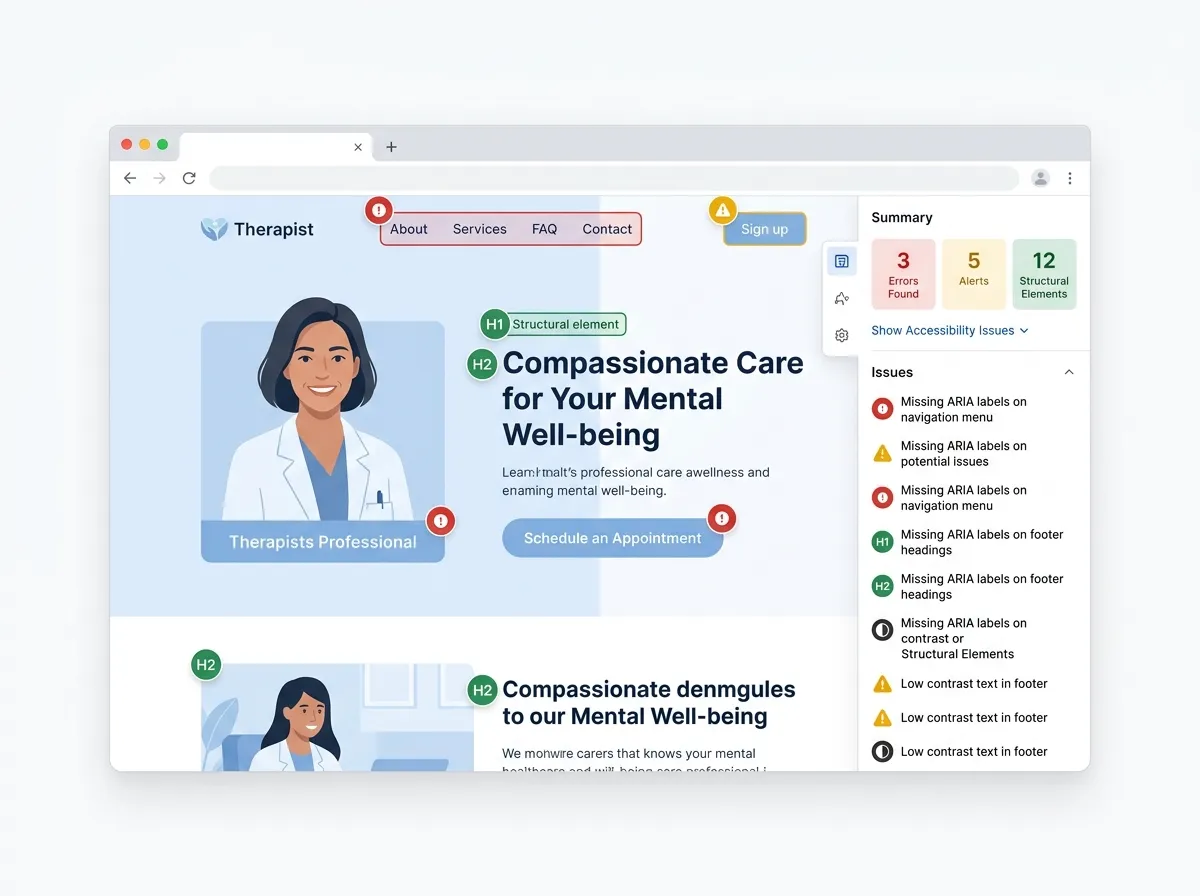
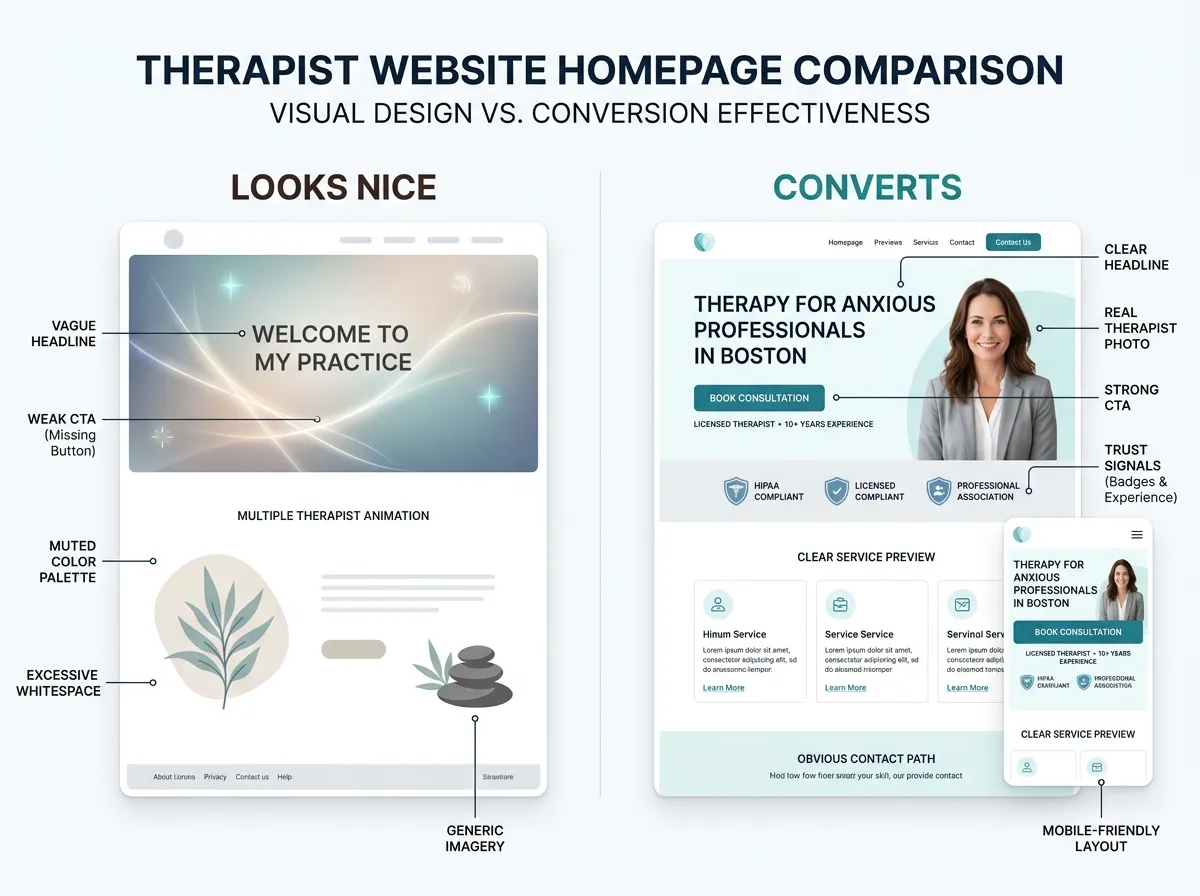
A well-designed website enhances credibility through professional photographs, clear contact information, and the incorporation of client testimonials. These elements build trust and reassure potential clients of the therapist’s qualifications and expertise.
Unique Branding
A custom website allows therapists to express their unique approach and philosophy, differentiating them from competitors. This unique branding attracts clients who align with their values and therapeutic style.
Improved User Experience
A tailored website improves user experience by offering seamless navigation and clear calls to action. This user-friendly design guides visitors toward booking appointments, increasing the likelihood of conversion.
In What Ways Does a Therapist Website Improve Client Conversion Rates?
A therapist website can significantly enhance conversion rates through various mechanisms that build trust and improve user experience.
- Credibility and Trust: A professional image instills confidence in potential clients, while testimonials and credentials further enhance trust.
- User Experience: An intuitive website design ensures accessibility on any device, making it easy for clients to navigate and find information.
- Clear Calls to Action: Effective calls to action guide visitors toward booking appointments, increasing the likelihood of conversion.
Credibility and Trust
A therapist’s website enhances credibility by showcasing a professional image and incorporating testimonials. These trust-building elements reassure potential clients of the therapist’s qualifications and expertise.
User Experience
A personalized website improves user experience through intuitive navigation and responsive design. Ensuring accessibility on any device allows potential clients to easily find the information they need.
Clear Calls to Action
Effective calls to action are crucial for guiding visitors toward booking appointments. Strategically placed and well-designed CTAs increase the likelihood of conversion, turning website visitors into clients.
How Do Psychology Today Profiles Compare in Cost and Limitations?
Psychology Today profiles come with monthly fees ranging from $29.95 to $60, depending on the features selected. While these profiles can provide visibility, they often have limitations in branding and client engagement.
What Are the Pricing Structures and Fees for Psychology Today Listings?
The basic listing on Psychology Today costs approximately $29.95 per month. Enhanced and premium listings offer additional features, but cumulative costs can add up significantly over time.
What Branding and Control Limitations Exist with Therapy Directory Profiles?
Therapy directory profiles often present branding limitations, as they provide a generic representation of therapists. Control over visibility is dependent on the platform, which can hinder the ability to build a unique brand identity.
What Are Effective SEO Strategies for Therapist Websites in 2026?
Effective SEO strategies for therapists in 2026 include keyword optimization for relevant search terms, local SEO strategies to attract clients, and content marketing to build authority. These strategies are essential for improving online visibility and attracting potential clients.
How Can Therapists Optimize Their Websites for Therapy-Related Keywords?
Therapists can optimize their websites for therapy-related keywords by conducting thorough keyword research, optimizing meta tags and headers, and utilizing local SEO techniques. These practices enhance search engine rankings and increase visibility.
What Role Does Conversion Architecture Play in Enhancing Online Presence?
Conversion architecture plays a vital role in website design by ensuring clear calls to action and user-friendly layouts. This approach reduces bounce rates and enhances credibility through trust-building elements.
Understanding the underlying structure of a website, or its information architecture, is crucial for creating an effective and user-friendly online experience that guides visitors to the desired actions.
Information Architecture for Effective Therapist Websites
ABSTRACT: With the rise of new technology and digitization of our physical information environments, it is important to understand the role of digital information organization on user outcomes. This may be particularly important for the information architecture (IA) of Web content [1]. While no one definition of IA exists, it generally encompasses the organization of digital information, the labeling of information, and the navigation and search capabilities within a digital information space. The goal of IA is to build digital sites that enhance the user experience—in particular, the user’s ability to find and use content [2].
Information architecture of web-based interventions to improve health outcomes: systematic review, S Surla, 2018
Which Therapy Directory Alternatives Should Therapists Consider?
Therapists should consider alternatives to Psychology Today, such as GoodTherapy, which emphasizes ethical practices, and TherapyDen, which focuses on inclusivity. Zocdoc is another option that allows for direct appointment booking.
What Are the Leading Online Platforms Besides Psychology Today?
Leading therapy directory platforms include Zocdoc, which provides appointment booking, GoodTherapy, which emphasizes ethical practices, and TherapyDen, which caters to diverse populations.
How Do These Alternatives Compare in Terms of Cost and Client Reach?
While Psychology Today has a low monthly fee, it also faces high competition. GoodTherapy offers similar pricing but with less traffic, while personal websites can be more cost-effective in the long run.
What Do Case Studies Reveal About Therapist Website Success Stories?
Case studies demonstrate that client acquisition costs are lower with personal websites, and therapists with custom sites report higher conversion rates. The long-term benefits of SEO equity further underscore the value of investing in a personal website.
How Should Therapists Plan Their Online Presence Investment for 2026 and Beyond?
Therapists should prioritize building personal websites, focusing on SEO and branding while utilizing social media for engagement. This strategic approach will enhance their online presence and client acquisition efforts.
What Are the Long-Term Benefits of Owning Versus Renting Online Profiles?
Owning a website provides control over branding and content, proving to be more cost-effective in the long run. Additionally, it allows therapists to build authority and trust with their clients.
How Can Therapists Integrate Website and Directory Strategies Effectively?
Therapists can effectively integrate website and directory strategies by using directories for initial visibility while developing a professional website over time. Monitoring performance and adjusting strategies will ensure continued success.