Owning Your Online Presence and Brand: Essential Benefits of Therapist Website Design for Client Growth
A robust online presence is essential for therapists seeking practice growth and stronger client connections. A purpose-built therapist website does more than list services: it guides prospective clients from search to contact. This article summarises the main advantages of a professional therapist website—better visibility, higher engagement, and clearer brand control—and how they support client acquisition and brand management.
What Are the Key Benefits of Professional Therapist Website Design?
A well‑designed website delivers measurable benefits that support growth: it increases discoverability, communicates credibility, and raises engagement by offering useful resources and easy contact paths.
Consider the following:
Applying these elements helps therapists maximise online reach and capture potential client interest more effectively.
How Does Custom Web Design Enhance Therapist Credibility and Trust?

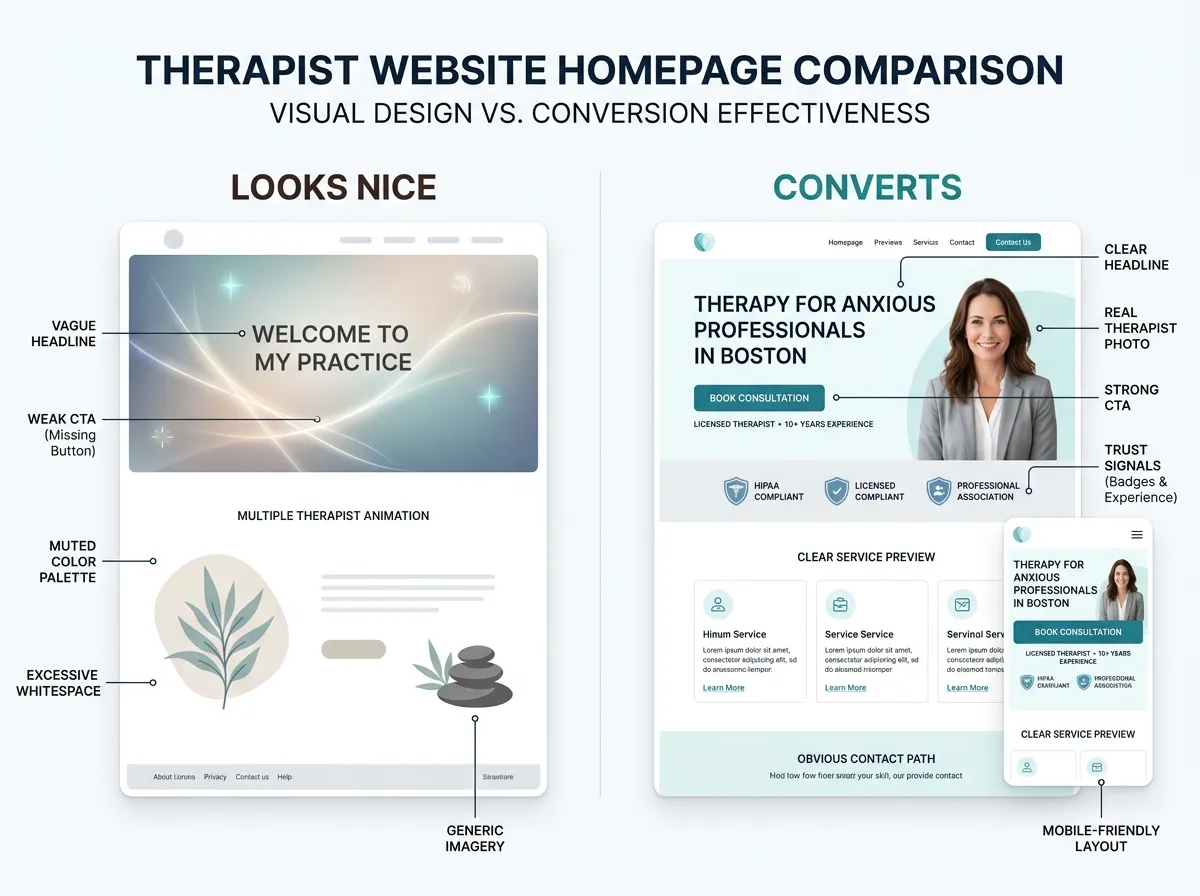
Custom design creates a consistent brand impression that signals professionalism. When visuals, messaging, and site structure align with the practice, visitors perceive greater reliability.
Good UX reduces friction: clear structure, concise content, and visible contact options make it easier for visitors to engage. Client testimonials displayed clearly add social proof and reinforce trust.
The Role of Professional Aesthetics
Deliberate aesthetics form an inviting environment that reflects the practitioner’s style and values, improving first impressions and encouraging visitors to stay.
Importance of User Experience
Accessible information and intuitive navigation prevent frustration and help clients find relevant details quickly and confidently.
In What Ways Does Website Design Improve Client Engagement and Appointment Bookings?
Design can guide visitors toward booking by integrating functional features—online scheduling, clear service pages, and strong calls to action—that simplify the path from inquiry to appointment.
Improved Booking Capabilities
Streamlined booking systems reduce friction and let clients schedule at their convenience, increasing conversion for initial consultations.
Ongoing Support and Maintenance
Sites require regular updates, accuracy checks, and UX tuning. Proactive maintenance preserves functionality, keeps content relevant, and signals quality service.
How Can Therapists Build and Control Their Professional Online Brand Effectively?
Building a distinct online brand means aligning messaging, visuals, and services so the practice attracts the right clients and supports steady growth.
- Develop a Strong Brand Identity: Define core values, mission, and vision, and reflect them across content.
- Build a Professional Website: Invest in design that matches the brand and includes contact forms and resources.
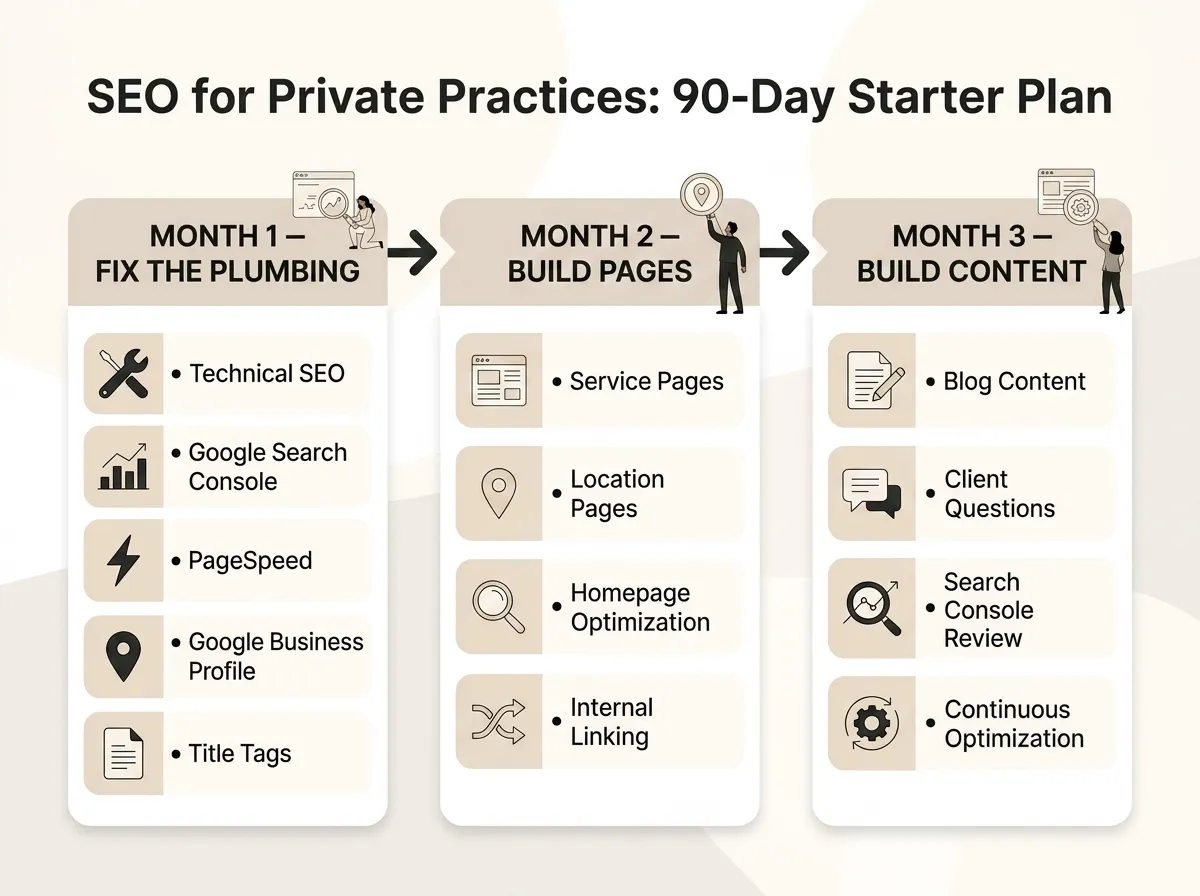
- Implement SEO Strategies: Use relevant keywords, create valuable content, and apply local SEO to reach nearby clients.
Consistent application of these steps improves visibility, trust, and engagement.
What Strategies Support Consistent Digital Identity and Brand Ownership?
Consistent digital identity requires coordinated messaging across platforms, active collection of endorsements, and regular engagement that reinforces the practice’s values.
Collecting and Showcasing Testimonials
Gather and display client testimonials on the website and social channels to demonstrate satisfaction and outcomes.
Engaging with Clients
Regular, relevant interactions—blog posts, newsletters, and social updates—maintain visibility and foster a community around the practice.
Why Is Managing Your Therapist Digital Footprint Critical for Practice Growth?
Active management protects reputation and ensures prospective clients see accurate information. Monitoring mentions and responding to feedback preserves trust and limits the impact of negative content.
Visibility and Credibility
A well-managed presence increases discoverability and supports credibility; consistent search results and listings make enquiries and bookings more likely.
Which Digital Marketing and SEO Strategies Drive Lead Conversion for Therapists?
Targeted marketing and SEO turn interest into enquiries. Practical methods include:
- Regular Content Updates: Post helpful material to demonstrate expertise.
- Engaging Social Media: Use social channels to share insights and drive traffic.
- Email Marketing: Use newsletters to keep the practice top of mind.
Applied consistently, these methods strengthen referral channels and improve client acquisition.
How Does SEO Target Ideal Clients in Mental Health Niches?
SEO aligns site content with the language prospective clients use in searches, helping therapists attract people actively seeking services.
Keyword Optimization
Research relevant search terms and integrate them into pages and meta tags to match user intent and improve ranking.
Local SEO
Optimise directory listings and secure local backlinks so the practice appears in nearby searches, increasing booking likelihood from the local area.
What Are Effective Methods to Monitor and Improve Online Reputation for Counselors?
Reputation management combines monitoring, structured responses, and tactics to encourage positive visibility.
- Regularly check review platforms.
- Respond promptly to reviews.
- Encourage satisfied clients to leave testimonials online.
Prioritising reputation management builds reliability and supports higher enquiry and conversion rates.
What Client Success Outcomes Result from Owning Your Therapist Online Presence?

Control of the online presence yields tangible outcomes: improved visibility connects the practice to a larger, relevant audience and drives measurable engagement.
Enhanced Client Engagement
A strategic presence increases engagement, supports retention, and strengthens the therapeutic relationship by improving accessibility and trust.
How Do Customized Websites Increase Booked Consultations and Practice Growth?
Websites tailored to the brand and client needs improve conversion by presenting key information clearly, easing navigation, and highlighting booking paths.
Client Engagement and SEO Optimization
Combining engaging design with SEO captures prospective clients by making information clear and booking easy, which supports growth in enquiries and bookings.
Which Case Studies Demonstrate Improved Client Acquisition Through Web Design?
Many practitioners report measurable client-acquisition gains after targeted design and optimisation. Case studies often summarise strategy, implementation, and outcomes to illustrate impact.
Frequently Asked Questions
1. How can a therapist measure the effectiveness of their website?
Track KPIs: traffic sources, user behaviour, conversion rates, and bookings. Use analytics and booking records to review performance and guide improvements.
2. What are the best practices for maintaining a therapist’s website?
Schedule content reviews, test links/forms, backup regularly, use SSL, and ensure mobile optimisation. Keep service and contact details current and perform periodic UX checks.
3. What role does responsive design play in therapist websites?
Responsive design ensures consistent functionality across devices, reducing bounce rates and supporting search visibility so more visitors convert to enquiries or bookings.
4. How does social media presence support therapist website effectiveness?
Social media drives referral traffic and reinforces professional engagement; sharing useful content directs interested users to the website and can increase enquiries.
5. What are common pitfalls to avoid in therapist website design?
Avoid cluttered layouts, unclear navigation, poor mobile optimisation, and neglecting basic SEO. A clean, well-structured, optimised site reduces friction and improves conversions.
6. How often should therapists update their website content?
Review core content at least quarterly; update blogs and news more often. Regular updates support relevance, SEO, and returning-visitor engagement.
7. What is the impact of client testimonials on therapist websites?
Testimonials offer social proof that boosts credibility and can increase the likelihood of contact and booked appointments when displayed prominently.
Conclusion
Investing in professional website design strengthens visibility and credibility—key drivers of client acquisition and retention. A strategic online presence clarifies engagement pathways and simplifies booking, delivering measurable benefits for practice growth. Review resources and adopt a structured approach to optimise your digital presence and client outcomes.