Marketing Budget Allocation for Therapists: Strategic Planning to Maximize Practice Growth and ROI
Allocating a marketing budget effectively is essential for therapists pursuing measurable practice growth and stronger ROI. A disciplined, goal‑driven approach helps reach the right clients, streamline operations, and improve performance. This article outlines core marketing budget components for therapy practices, from planning to digital tactics, with practical guidance on email marketing, analytics, and spending decisions aligned to revenue goals.
Comprehensive Business Planning
A clear business plan anchors marketing decisions. Tie budget choices to growth targets and competitive analysis so funds focus on the highest‑value activities and avoid wasted spend.
Budgeting for Growth
Separate fixed and variable costs and set fees that reflect your market position. Allocate a revenue percentage to marketing based on growth objectives and cash flow.
- Identify Fixed and Variable Costs: Know which expenses are essential and which can be adjusted as revenue changes.
- Set Competitive Fees: Review pricing periodically to match market expectations and outcomes.
- Allocate Marketing Funds Appropriately: Commit a revenue percentage to marketing tied to your growth plan.
The table shows potential ROI across channels to guide targeted allocations.
Digital Presence and Marketing Strategy
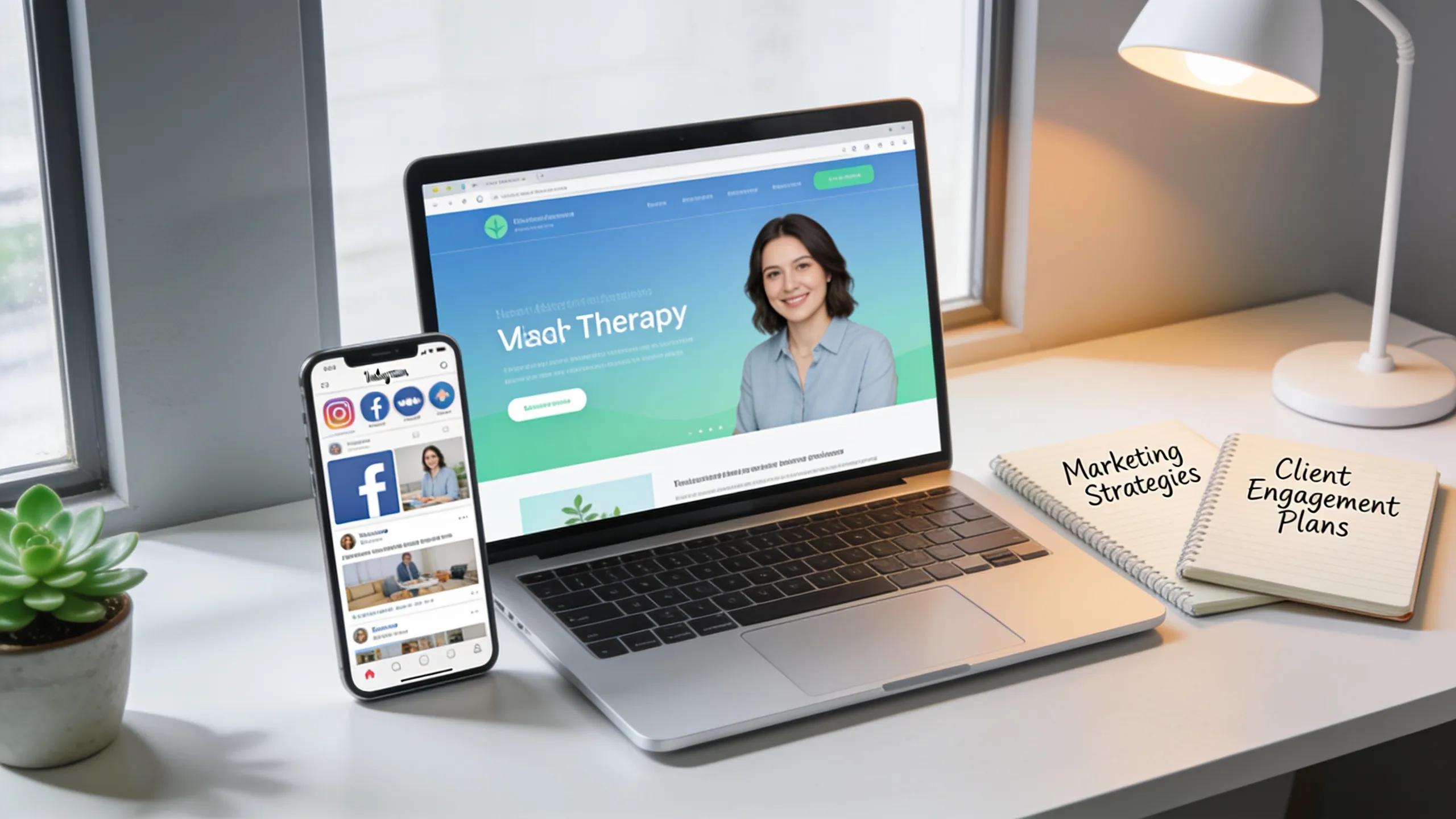
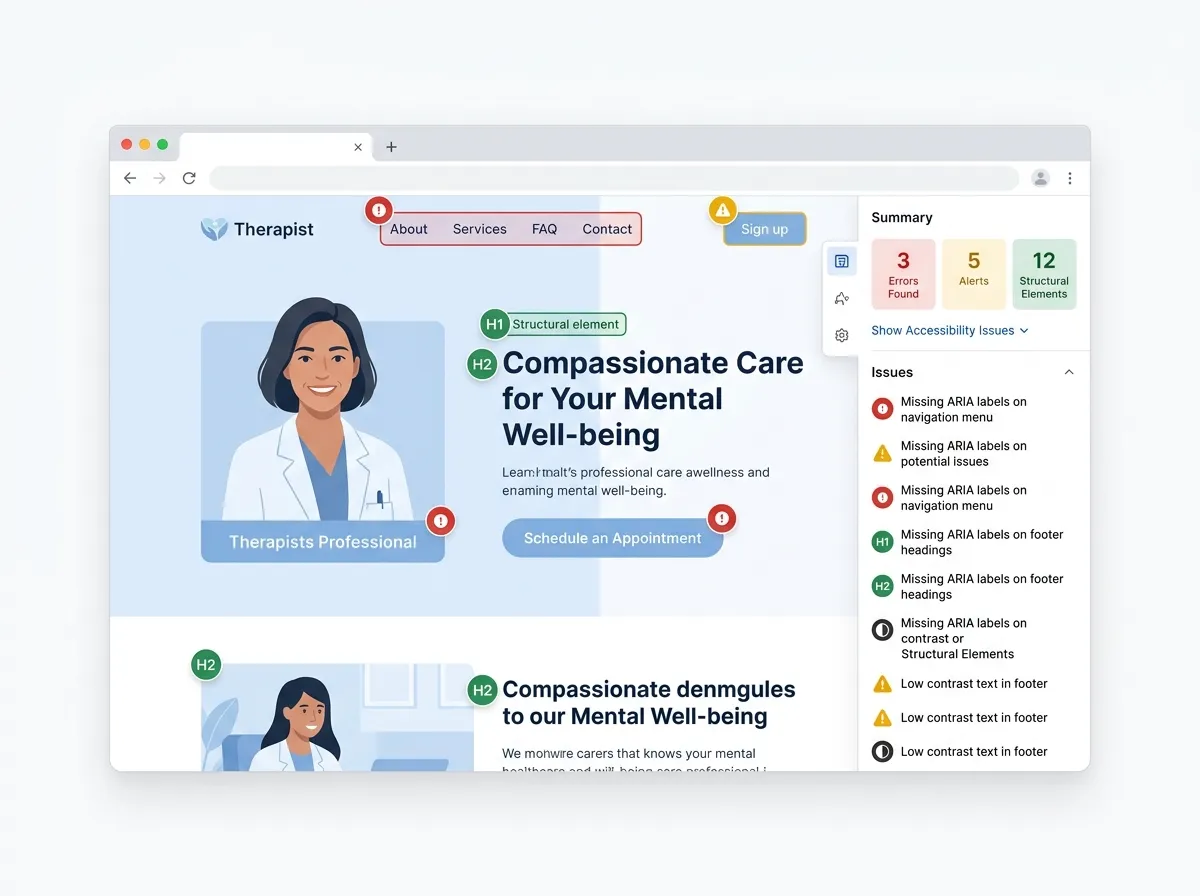
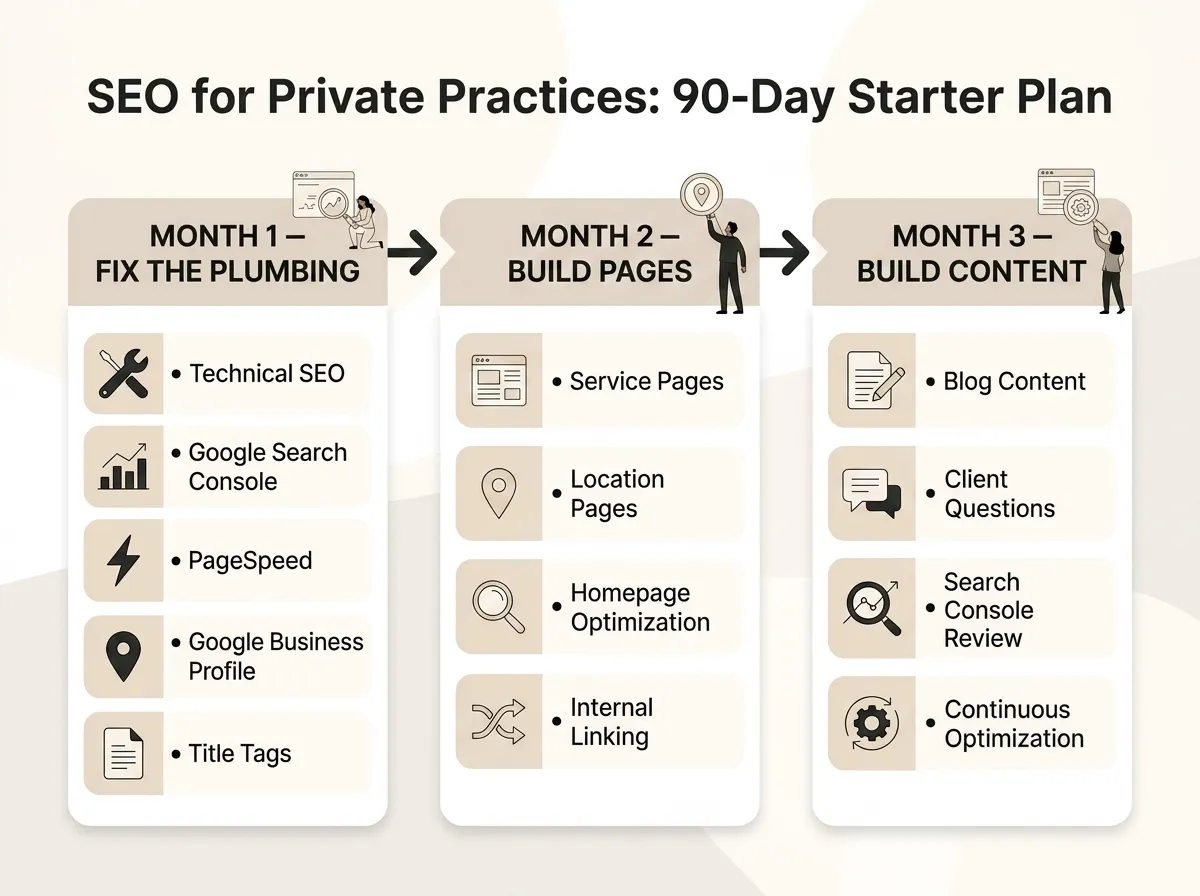
A strong digital presence drives client acquisition. Invest in an SEO‑optimised website, maintain professional social profiles, and manage online reputation to increase visibility and trust.
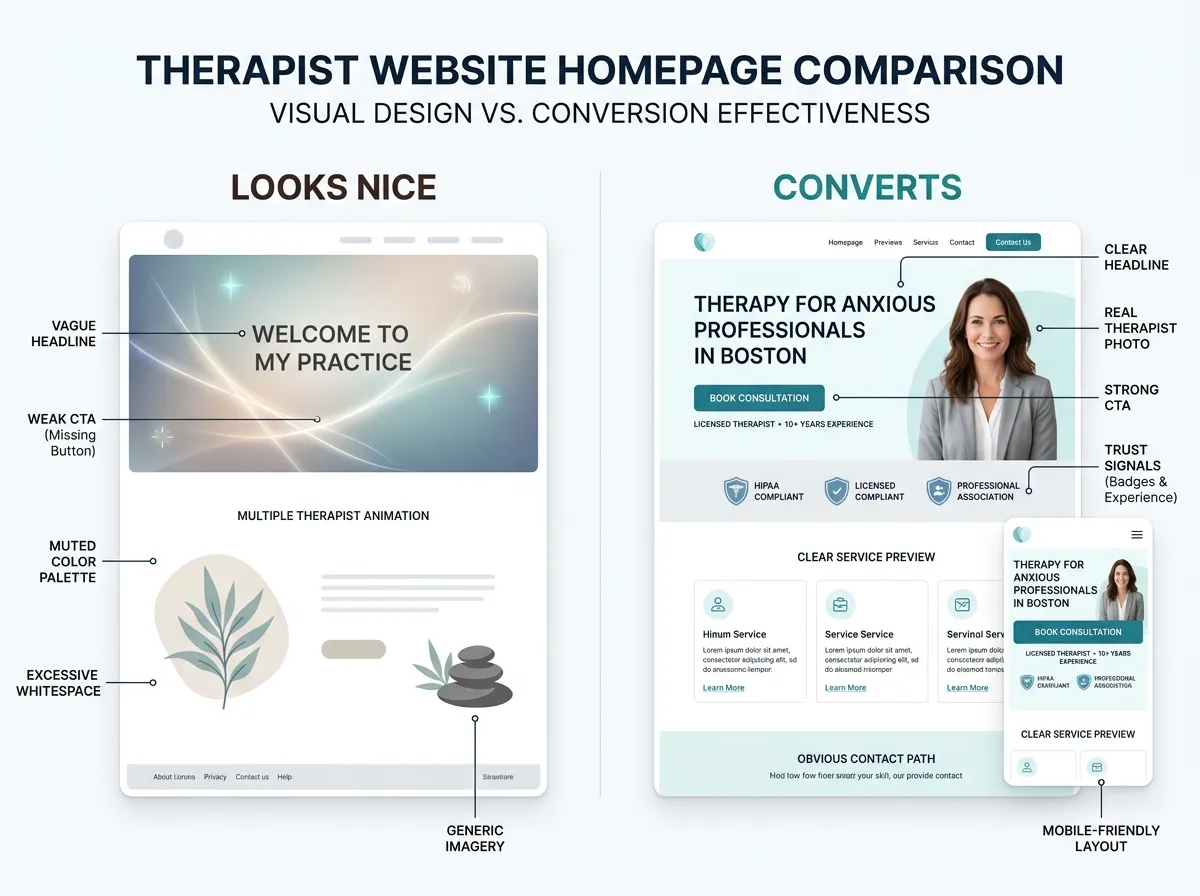
Design your site for clear calls to action and simple navigation to improve conversions; regular social updates sustain engagement.
Content Marketing
Targeted content builds authority and attracts suitable clients. Use blogging, short videos, and webinars to educate and extend reach.
- Types of Valuable Content: Blogs, videos, infographics, and podcasts meet different audience needs.
- Audience Engagement: Regular, useful updates encourage interaction and community connection.
- Addressing Mental Health Topics Effectively: Focus content on common concerns to provide practical insight and support.
Email Marketing
Email is efficient for nurturing prospects and keeping clients engaged. Use personalization and relevant resources to increase retention.
- Importance of Personalized Communication: Tailored messages add value and strengthen relationships.
- Utilization of Lead Magnets: Offer free resources to grow your mailing list.
- Regular Updates to Clients: Consistent communication maintains engagement and trust.
Utilizing Analytics

Measure campaign performance to guide spending. Track client acquisition cost, conversion rates, and traffic sources to see which tactics deliver the best return.
- Data-Driven Decisions: Use analytics to refine strategies and improve results.
- Key Analytics Tools for Therapists: Utilize platforms like Google Analytics to monitor traffic, behavior, and campaign outcomes.
- Adjustments Based on Performance Metrics: Review outcomes regularly and reallocate budget to top-performing tactics.
Diversifying Income Streams
Supplement session fees with workshops, online courses, or consulting to build resilience and broaden reach.
- Workshops and Online Courses: Educational offerings attract new clients and add value for existing ones.
- Consulting as an Additional Service: Provide expertise to organizations or schools for extra income.
- Enhancing Financial Stability: Multiple revenue sources reduce risk from demand fluctuations.
Cost-Effective Marketing Strategies
Prioritise low-cost, high-impact tactics: organic social, SEO, and tightly monitored paid campaigns. Reallocate funds to channels with the best performance.
- Focus on Social Media and SEO: Organic strategies require less spend and build steady engagement.
- Reviewing Ad Performance Regularly: Monitor and pause or refine underperforming ads.
- Adjusting Budget Allocations: Move budget quickly to channels showing higher ROI.
Professional Development
Investing in ongoing training improves clinical skills and strengthens your practice reputation, which supports retention and referrals.
- Investing in Skills and Services: New methods and certifications can differentiate your practice.
- Impact on Client Satisfaction: Better service quality leads to higher satisfaction.
- Building Long-Term Client Relationships: Professional growth fosters trust and loyalty.
What Are the Best Marketing Channels for Therapists to Optimize Budget Allocation?
Focus on channels that generate qualified leads: content marketing for authority, social media for engagement, and a mix of email and PPC for direct outreach and scaling.
- Content Marketing: Educates and attracts the right clients.
- Social Media Strategies: Builds engagement and awareness.
- Email Marketing and PPC Advertising: Combine for direct conversion and faster audience growth.
How Does Digital Marketing Compare to Offline Channels for Therapy Practices?
Compare reach, cost, and engagement. Digital typically offers broader visibility and lower per-contact cost; offline provides personal interaction. Use both as appropriate, prioritising digital for scalable acquisition.
- Reach and Cost Comparison: Digital often reaches more people at lower cost.
- Engagement Differences: Digital enables interactive experiences.
- Long-Term Effects on Client Acquisition: A sustained digital presence can reduce client acquisition costs over time.
Which Therapy Practice Advertising Strategies Deliver the Most Qualified Leads?
Target platforms where users express intent. Search ads capture active seekers, demographic social ads refine reach, and email nurtures prospects toward booking.
- Google Ads Effectiveness: Captures high‑intent searchers.
- Facebook Advertising Strategies: Tailors messaging by demographic and interest.
- Role of Email Marketing: Nurtures leads cost‑effectively into consultations.
How Should Therapists Determine the Ideal Marketing Budget Percentage?
Set a marketing percentage that supports growth and cash flow. Common guidance is about 5–10% of revenue, with temporary increases during scaling phases. Adjust based on channel performance and objectives.
- Common Allocation Percentages: Many practices allocate 5–10% of revenue to marketing.
- Adjusting Based on Business Growth: Scaling practices may raise this temporarily.
- Focus Areas for Marketing Spend: Prioritise channels with the clearest ROI.
What Industry Data Guides Marketing Budget Allocation for Mental Health Professionals?
Use industry benchmarks and trends to set realistic budgets and KPIs. Compare your performance to averages to spot reallocation opportunities.
How Can Therapists Align Marketing Spending with Practice Revenue and Growth Goals?
Align spend to defined growth targets, review expenditures regularly, and concentrate resources on channels that reliably drive client acquisition and revenue.
- Setting Clear Growth Targets: Define measurable goals to guide budgeting.
- Reviewing Expenditures Regularly: Routine reviews prevent waste and allow timely adjustments.
- Focusing on High-Performing Channels: Invest more where acquisition is most effective.
How to Measure and Improve ROI in Therapy Marketing Efforts?
Track client acquisition cost and conversion rates, and prioritise retention. Use these metrics to refine campaigns and shift investment to higher‑yield activities.
- Defining Client Acquisition Cost: Calculate the average spend to gain a new client.
- Tracking Conversion Rates: Measure how leads become paying clients.
- Encouraging Client Retention: Retention lowers acquisition needs and improves ROI.
Which Metrics Best Reflect Client Acquisition Success and Marketing Efficiency?
Key metrics include client acquisition cost, conversion rates, and website engagement. Together they show how marketing spend converts into clients and revenue.
- Client Acquisition Costs: Balance spending against revenue return.
- Conversion Rates: High rates indicate effective messaging and funnels.
- Importance of Website Traffic and Engagement Metrics: Monitor behavior to improve content and conversion paths.
How Does Therapist-Specific Website Design Enhance Lead Conversion Rates?
Design affects conversion through clear layout, intuitive navigation, and credibility cues. Strong information architecture and calls to action reduce friction and increase bookings.
- Intuitive Navigation Benefits: Easier navigation boosts user engagement.
- Impact of Clear Calls to Action: Well-placed CTAs prompt immediate steps.
- Role of Professional Visuals in Credibility: Quality visuals build trust.
What Tools and Templates Support Effective Marketing Budget Planning for Therapists?
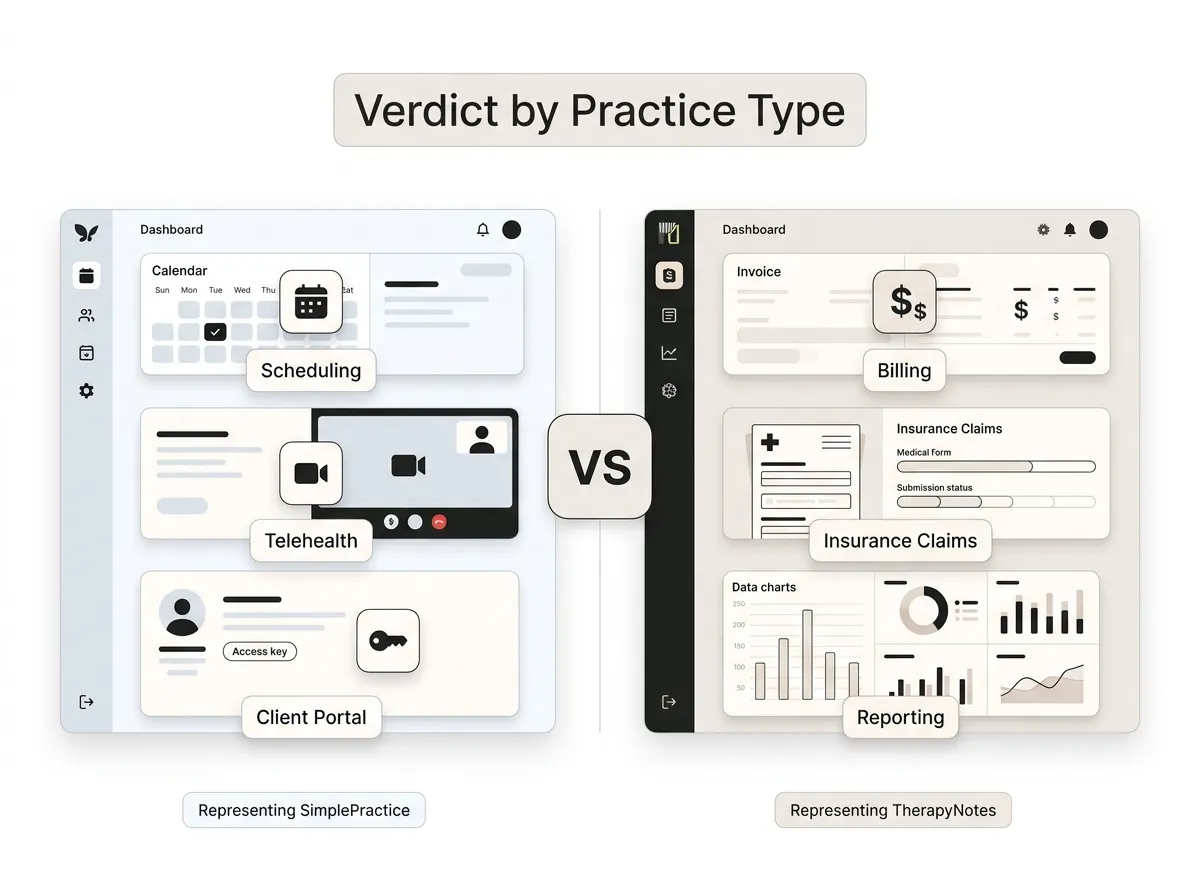
Spreadsheets, budgeting apps, and practice-specific templates simplify planning and tracking. Use templates to forecast outcomes and monitor ROI.
- Identifying Useful Budgeting Tools: Choose tools that match your reporting needs.
- Templates Specifically for Therapy Practices: Tailored templates clarify priorities and allocations.
- Best Practices for Implementation: Set rules for budget use and regular reviews.
How to Use Budget Planning Templates Tailored for Therapy Practices?
Map expenses, forecast marketing outcomes, and review templates monthly. Customize fields to reflect revenue streams and track performance against goals.
- Benefits of Structured Budgeting: Organization supports strategic allocation.
- Examples of Templates Available: Many platforms offer specialized templates for practices.
- Implementation Tips for Therapists: Adjust templates to fit your cash flow and objectives.
What Case Studies Demonstrate Successful Marketing Budget Allocation in Therapy?
Case studies show how targeted allocations and measurement drive growth. Study examples that matched strategy to channels, measured outcomes, and adjusted spend to increase bookings and revenue.
- Highlighting Successful Examples: Learn from practices that achieved growth with focused marketing.
- Linking Theory and Practice: See how strategy translates into execution.
- Providing Measurable Outcomes: Use clear results to guide your decisions.
This overview summarises the components therapists should consider when allocating marketing budgets to support growth, improve conversions, and increase ROI.
Frequently Asked Questions
What are some low-cost marketing strategies therapists can implement?
Invest in SEO, create consistent content (blogs, short videos), engage on relevant social platforms, network professionally for referrals, and monitor ads to reallocate toward top performers.
How can therapists use client feedback to improve their marketing strategies?
Collect feedback via surveys and conversations to identify client needs, then refine messaging, adjust services, and streamline client pathways to boost satisfaction and referrals.
What role does branding play in therapy marketing?
Branding defines your professional identity and differentiates your practice. Consistent messaging and visuals build credibility and make your services recognisable.
How often should therapists reassess their marketing budgets?
Reassess at least quarterly; faster-growing practices may review monthly. Regular checks align spending with objectives and reveal underperforming channels.
What metrics should therapists focus on for successful marketing evaluation?
Prioritise client acquisition cost, conversion rates, website traffic, and retention to see how spend converts into clients and where optimizations are most effective.
Why is professional development important for therapy marketing?
Professional development raises service quality and credibility, supports better outcomes, and provides material for marketing that attracts informed clients.
Conclusion
Strategic marketing budget allocation supports practice growth and measurable ROI. Use digital tactics, measure performance, and shift spend to high‑performing channels. Review budgets regularly and use tools and templates to refine your approach.