
Local SEO helps therapists reach clients nearby who are actively searching for care. When implemented correctly, it improves visibility in local results, signals credibility, and increases appointment inquiries. This article outlines practical local SEO tactics, emphasising Google Business Profile optimisation and sustainable best practices.
Your specialty matters here too: a therapy niche shapes your SEO strategy because it decides which local searches you can realistically win.
Local SEO increases discoverability for nearby clients, drives more relevant inquiries, and enables direct community engagement. Client reviews build social proof and boost trust, helping prospective clients choose your practice.
Therapeia Web Design creates sites tailored for local SEO, combining content and design choices that strengthen presence, encourage contact, and improve conversions.
Local SEO Strategies to Attract More Therapy Clients
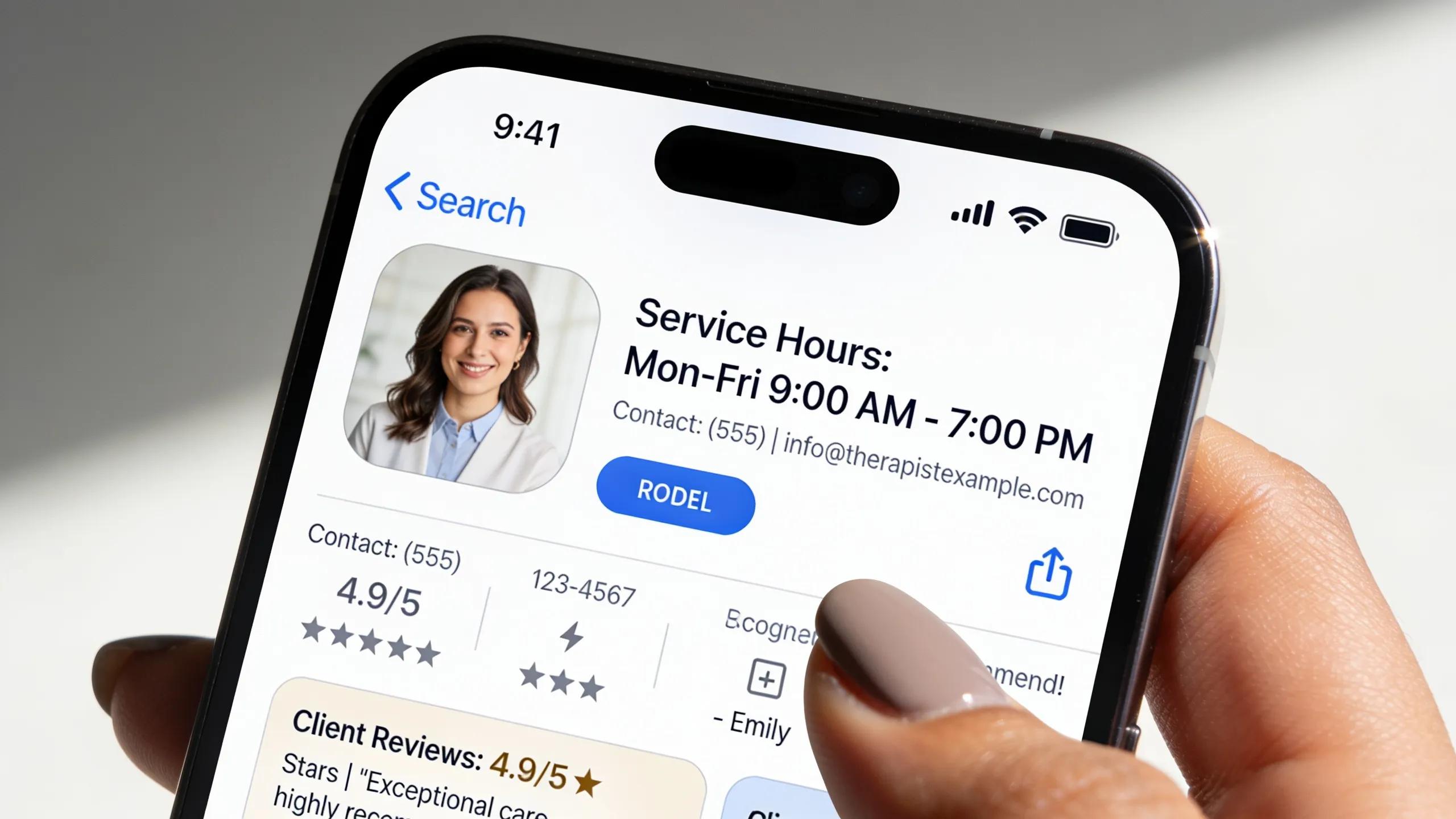
A complete Google Business Profile (address, hours, services, contact details) helps search engines and clients find your practice. Use localised keywords in descriptions to signal relevance.
Collecting and responding to reviews improves credibility and can encourage higher bookings when managed consistently.
Why Is Local Search Marketing Critical for Therapist Practice Growth?
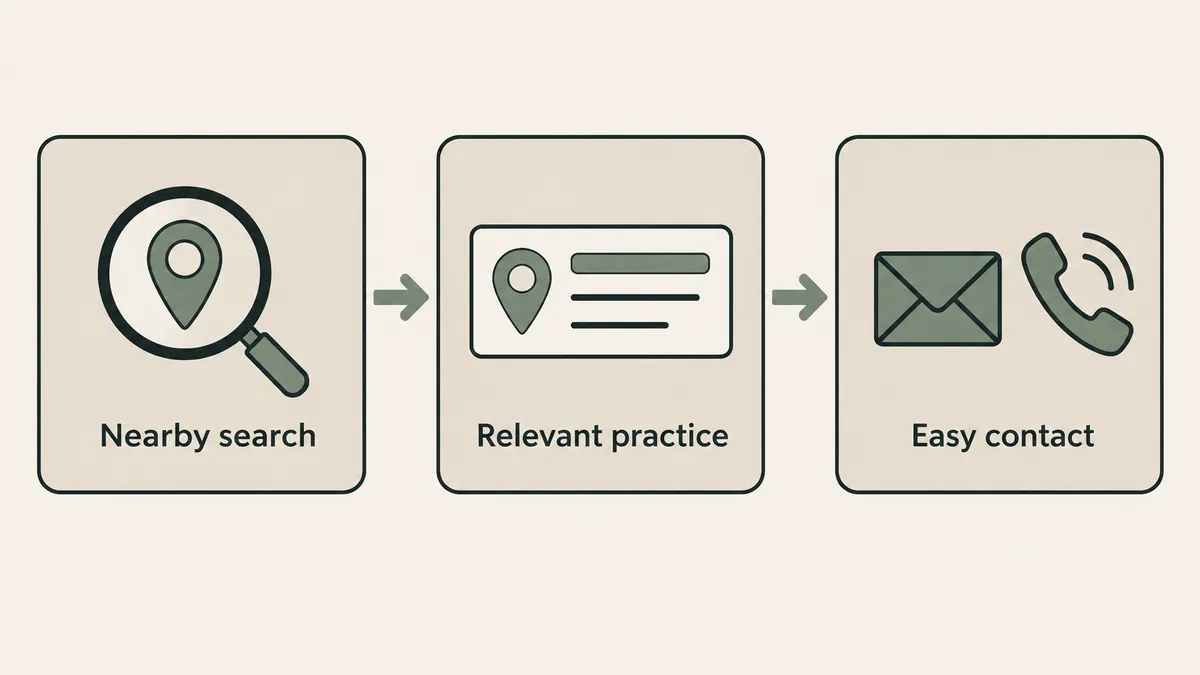
Local search marketing delivers targeted, cost-efficient reach by focusing on people in your service area. This increases the relevance of traffic and often leads to higher engagement and more appointments.
Keeping information accurate across listings reinforces trust and positions your practice as a reliable local option.
How Do Therapists Optimize Local Listings and Manage Client Reviews Effectively?
Therapists should adopt these core practices to optimise listings and manage reviews:
- Complete Google Business Profile: Keep details current—services, URLs, hours, and contact information.
- Use of Location-Based Keywords: Add location and specialty phrases naturally in site copy and profile descriptions.
- Encouragement of Client Reviews: Ask satisfied clients for reviews and respond thoughtfully to feedback.
These steps create a resilient online presence that supports client interaction and growth.
What Are Best Practices for Local Listings Optimization for Counselors and Life Coaches?
Counselors and coaches can improve discoverability by following simple, consistent processes:
- Claiming and Optimizing Google Business Profile: Accurately reflect services and unique offerings.
- Encouraging Client Reviews: Build social proof through satisfied-client feedback.
- Building Local Citations: List your practice in reputable directories with consistent NAP data.
Consistency across listings makes it easier for local clients to find and contact your practice.
How Do Positive Client Reviews Influence Mental Health Local SEO Performance?
Reviews contribute to trust and can impact local rankings; higher-quality and more numerous reviews often correlate with better visibility. Timely, professional responses reinforce reputation and client engagement.
How Does a Therapy Niche Impact Your SEO Strategy and Local Reach?
Prioritise these strategies to reach your geographic niche:
- Google Business Profile Optimization: Full, accurate listings with clear services and locations.
- Use of Local Keywords: Include neighbourhood or city modifiers and specialty terms in content.
- Leveraging Online Reviews and Local Citations: Maintain consistent citations and manage testimonials actively.
Applied consistently, these tactics improve relevance and conversions.
How to Conduct Local Keyword Research for Therapist Directory Search Optimization?

Follow a simple keyword workflow:
- Identifying Local Keywords: Brainstorm phrases local clients use, including conditions and locations.
- Utilizing Keyword Research Tools: Use tools to check search intent, volume, and competition.
- Focusing on Long-Tail Keywords: Target specific, lower-competition phrases that convert better.
Use chosen keywords in profiles, service pages, and directory listings to boost visibility.
What Web Design Features Support Conversion Architecture and Clinical UX for Therapists?
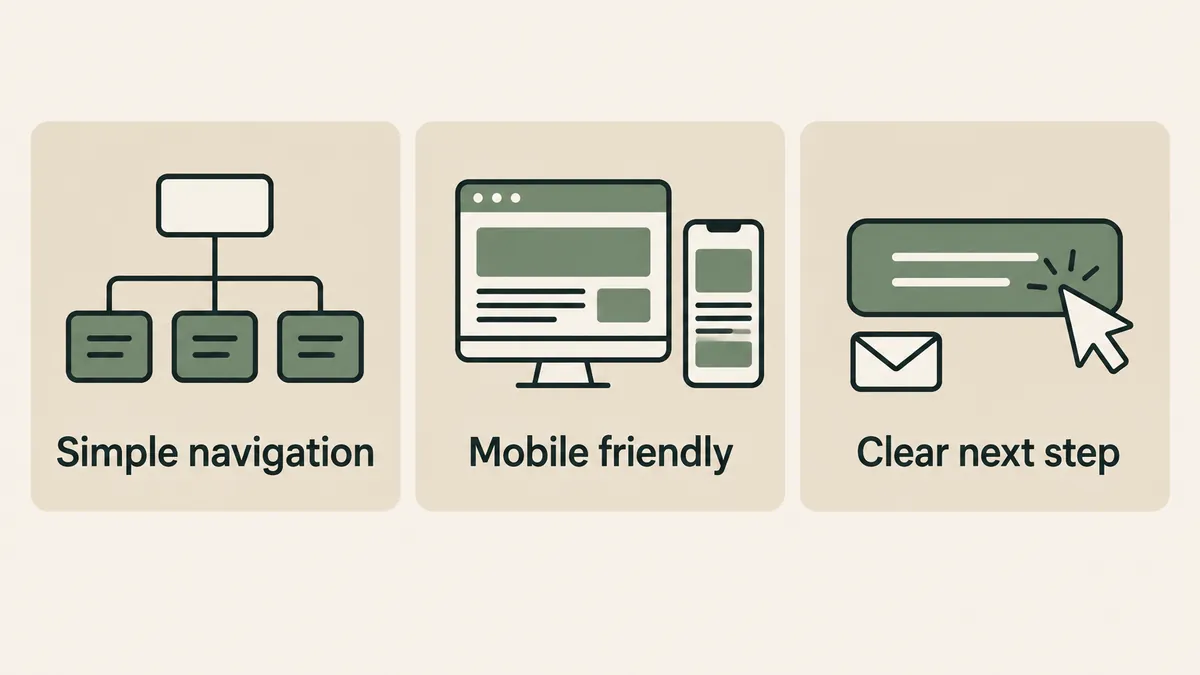
Design choices that support conversions include:
- User-Friendly Design: Clear navigation and easy access to services and contact details.
- Responsive Design: Fast, mobile-friendly pages for all devices.
- Clear Calls to Action: Prominent booking or contact prompts on each key page.
These elements improve experience and increase appointment bookings.
How Do Therapists Measure Success and Maintain Effective Local SEO Over Time?
Local SEO requires monitoring and iteration. Key actions include:
- Monitoring Key Performance Indicators: Track traffic, inquiries, and conversions to evaluate impact.
- Regular Updates to Google Business Profile: Keep details current and post timely updates.
- Continuous Keyword Integration: Refresh content with trending local keywords to stay relevant.
Regular review of data guides ongoing improvements.
Which KPIs Are Most Relevant for Local SEO Monitoring in Mental Health Practices?
Track actionable KPIs:
- Organic Traffic: Volume and source of visitors from search.
- Conversion Rates: Percentage of visitors who inquire or book.
- Client Retention Rates: Repeat engagement indicating service satisfaction.
Use these metrics to make evidence-based adjustments.
What Are the Best Practices for Updating Local SEO Content and Structured Data in 2026?
Maintain competitiveness with a few routine practices:
- Regular Content Updates: Refresh service pages and local resources periodically.
- Structured Data Markup: Add schema to improve how your listings appear in search results.
- Monitoring Performance Metrics: Review data to prioritise changes and test improvements.
Consistent maintenance preserves visibility and local authority.
Frequently Asked Questions
1. What are some common mistakes therapists make with local SEO?
Inconsistent NAP data, neglected GBP updates, not soliciting reviews, and missing location keywords are common issues.
2. How can therapists utilize social media for local SEO?
Share local content, use location-based tags, link to your site and GBP, and post events to engage the community.
3. What role do citations play in local SEO for therapists?
Accurate citations across directories verify legitimacy to search engines and improve local discoverability.
4. How often should therapists update their Google Business Profile?
Update promptly when details change and post quarterly or for new services; regularly engage with reviews and media.
5. What items should therapists include in their local SEO strategy?
Optimise your GBP, use location-based keywords, manage reviews, engage the community, maintain citations, and add structured data.
6. How can local events or workshops improve a therapist’s SEO?
Events create local content, attract backlinks, and generate testimonials and media that signal community involvement.
7. What are the benefits of using long-tail keywords for therapist SEO?
Long-tail keywords match specific intent, face less competition, and often convert at higher rates.
Conclusion
Focused local SEO improves visibility and helps therapists connect with clients in their area. Start by optimising your Google Business Profile, managing reviews consistently, and applying the practical steps above to grow your local presence.