Escaping the Directory Trap: Reclaiming Your Practice Brand
Therapists often rely on directories, yet lead dilution can undermine lead quality and overall marketing effectiveness. This article explains how directory exposure can erode brand identity and increase competition, and it offers practical strategies to reclaim your professional presence through a comprehensive online marketing approach that does not depend solely on directories. We examine common directory challenges, the mechanics of lead dilution, and actionable steps to reduce its impact.
Key Issues Faced by Therapists

Therapists encounter specific challenges when using therapy directories that can affect practice sustainability and client acquisition. The primary issues are:
- Hidden Costs and Dependency: Many therapists find themselves paying for listings that do not yield effective results, creating a dependency on directory platforms.
- Branding Risks: Association with a directory can dilute brand identity, making it harder to establish a distinct presence in the marketplace.
- Visibility Limitations: In a crowded directory, standing out is difficult, as therapists compete with other practitioners and with the directory’s own advertising initiatives.
- Long-Term Consequences: Overreliance on directories can weaken client relationships and harm practice growth over time.
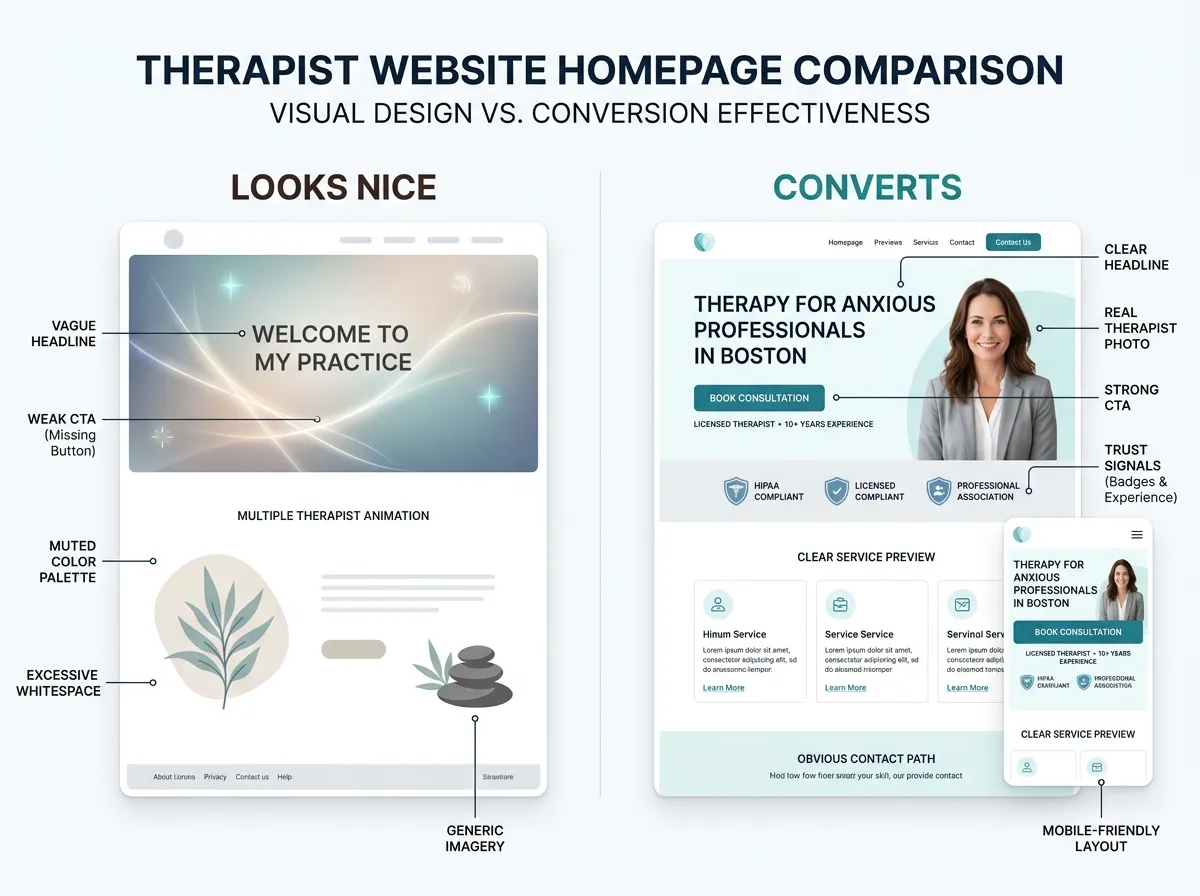
Professional web design is a central component of tailored marketing solutions. At Therapeia Web Design, we create digital interfaces that clarify your services, reduce friction in client journeys, and help you attract direct clients without the limits of directory listings.
Understanding Lead Dilution in Therapy Directories
Lead dilution in therapy directories happens when individual lead generation is weakened by competition and shared directory branding. Recognizing the contributing factors helps therapists maintain visibility and grow their practice.
- Brand Identity Erosion: Many therapists may find their unique therapeutic message lost within a generic branding landscape, reducing their ability to connect with potential clients authentically.
- Increased Competition: As directories expand, therapists face a larger pool of competitors, which lowers visibility for individual practices.
- Variable Quality of Leads: Leads from directories vary in intent and quality; many are casual inquiries rather than high-intent prospects, which lowers conversion rates.
- Client Relationship Mediation: Directories can act as intermediaries rather than facilitators, potentially undermining the early trust-building process between therapist and client.
Recognizing these factors enables therapists to adopt personalized marketing strategies that strengthen their market position and improve client reach.
Strategies to Mitigate Impact

To counter lead dilution, therapists should shift focus from directory dependence to owned channels. The following practical measures can help:
- Invest in a Personal Website: A dedicated website serves as a central hub for your services, showcasing expertise and personality outside the constraints of directories.
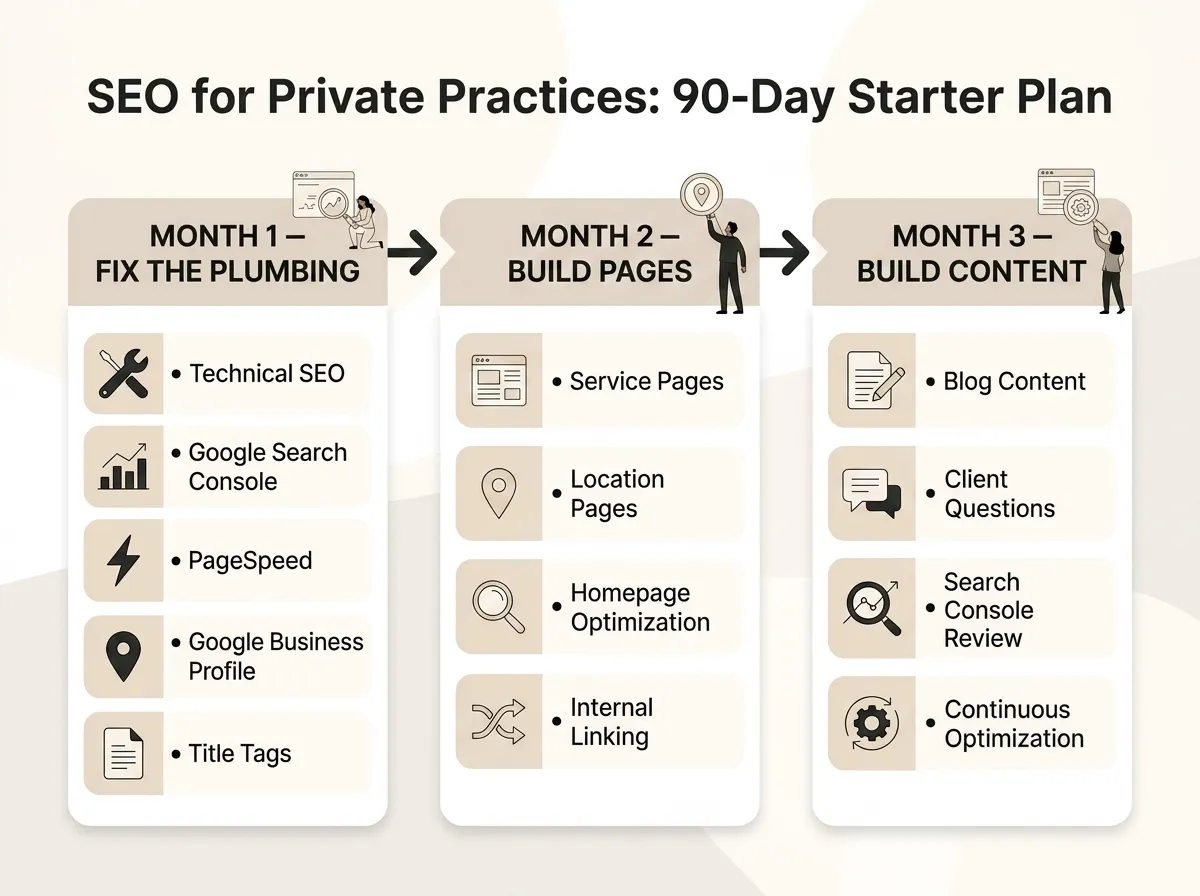
- Implement SEO Strategies: Properly optimized sites improve search visibility so potential clients can find your practice for relevant keywords and phrases.
- Engage in Content Marketing: Regular articles and resources position therapists as thought leaders while supporting SEO performance.
- Utilize Social Media: A consistent social presence creates direct connections with clients and reduces reliance on directories.
The following web design services support therapist marketing objectives:
Together, these services reinforce an independent online presence and contribute to better client acquisition and retention.
Frequently Asked Questions
What are the signs that I am experiencing lead dilution?
Signs include a decline in high-quality inquiries, an increase in casual or low-intent leads, weakened brand differentiation, and difficulty standing out within directory listings. If prospective clients struggle to articulate what makes your practice different or engagement has stalled, lead dilution may be occurring.
How much should I invest in a personal website compared to therapy directories?
A personal website is a long-term investment in visibility and brand control. Costs vary, typically from $500 to several thousand dollars depending on complexity. Ongoing directory fees can accumulate without yielding comparable, personalized branding. A well-designed website often produces a stronger return through direct client engagement and better-aligned leads.
Can SEO strategies really help improve my visibility over therapy directories?
Yes. Implementing SEO improves visibility beyond directories by optimising your site for relevant keywords, producing useful content, and ensuring strong mobile performance. These practices increase organic rankings so potential clients find your practice directly rather than through generic listings.
What role does content marketing play in overcoming lead dilution?
Content marketing builds authority and trust. Publishing useful articles, videos, or resources demonstrates expertise, engages your audience, and prompts direct inquiries. This improves search presence and fosters authentic connections that counteract directory-driven lead dilution.
How can I effectively use social media to attract clients without relying on directories?
Choose platforms that match your target audience, share consistent, informative content, and actively engage followers. Participation in relevant conversations and targeted advertising can drive inquiries outside directory channels.
What long-term strategies should I consider to prevent future lead dilution?
Prevent lead dilution by building a cohesive brand: develop an owned website, apply SEO best practices, maintain consistent content marketing, and create a referral program. Regular outreach via social media and newsletters preserves direct communication channels and reinforces your professional identity.
Escaping the Directory Trap: Reclaiming Your Practice Brand
Therapists can markedly improve marketing effectiveness by reducing directory dependence and strengthening a personal brand. Strategies such as SEO optimization and consistent content marketing boost visibility while building direct client relationships. By taking proactive steps now, you can reclaim your professional identity and thrive in a competitive landscape. Explore our expert web design services to elevate your practice’s online presence.