How to Migrate Your Therapy Practice from Directory-First to Website-First in 90 Days for Optimal Client Acquisition
Transitioning from a directory-first approach to a website-first strategy is essential for therapists aiming to enhance their client acquisition efforts. This comprehensive guide will walk you through the necessary steps to successfully migrate your practice within 90 days. By focusing on building a robust online presence, you can attract more clients and establish credibility in your field. Many therapists struggle with visibility and client engagement when relying solely on directories. A website-first strategy not only addresses these challenges but also empowers you to control your narrative and showcase your services effectively. This article will cover the phases of assessment, building your website, establishing authority, and optimizing your online presence, ensuring a smooth transition to a website-first model.
Phase 1: Assessment (Weeks 1 2)
The first phase of migrating your therapy practice involves a thorough assessment of your current online presence and defining your ideal client. This foundational step is crucial for understanding where you stand and what changes are necessary to attract your target audience effectively.
- Audit Current Online Presence: Evaluate your existing listings on directories and social media platforms. Identify what information is accurate and what needs updating. This audit will help you understand your current visibility and areas for improvement.
- Define Your Ideal Client: Create a detailed profile of your ideal client, including demographics, needs, and preferences. This clarity will guide your website content and marketing strategies, ensuring they resonate with your target audience.
Effective digital marketing, particularly in the mental health sector, relies heavily on understanding and targeting the right audience with culturally appropriate messaging.
Digital Marketing for Mental Health Client Acquisition
The study explores the usefulness of digital marketing strategies (DMS) in promoting the awareness of mental health in Asia as it investigates relationships between DMS, ethics, feedback processes, target audiences, and marketing aims. The results indicate that successful mental health marketing is based on proper targeting of audience and a need to use culturally suitable language.
Effective Use of Digital Marketing in the Mental Health Industry, İS Mert, 2025
Phase 2: Build (Weeks 3 8)
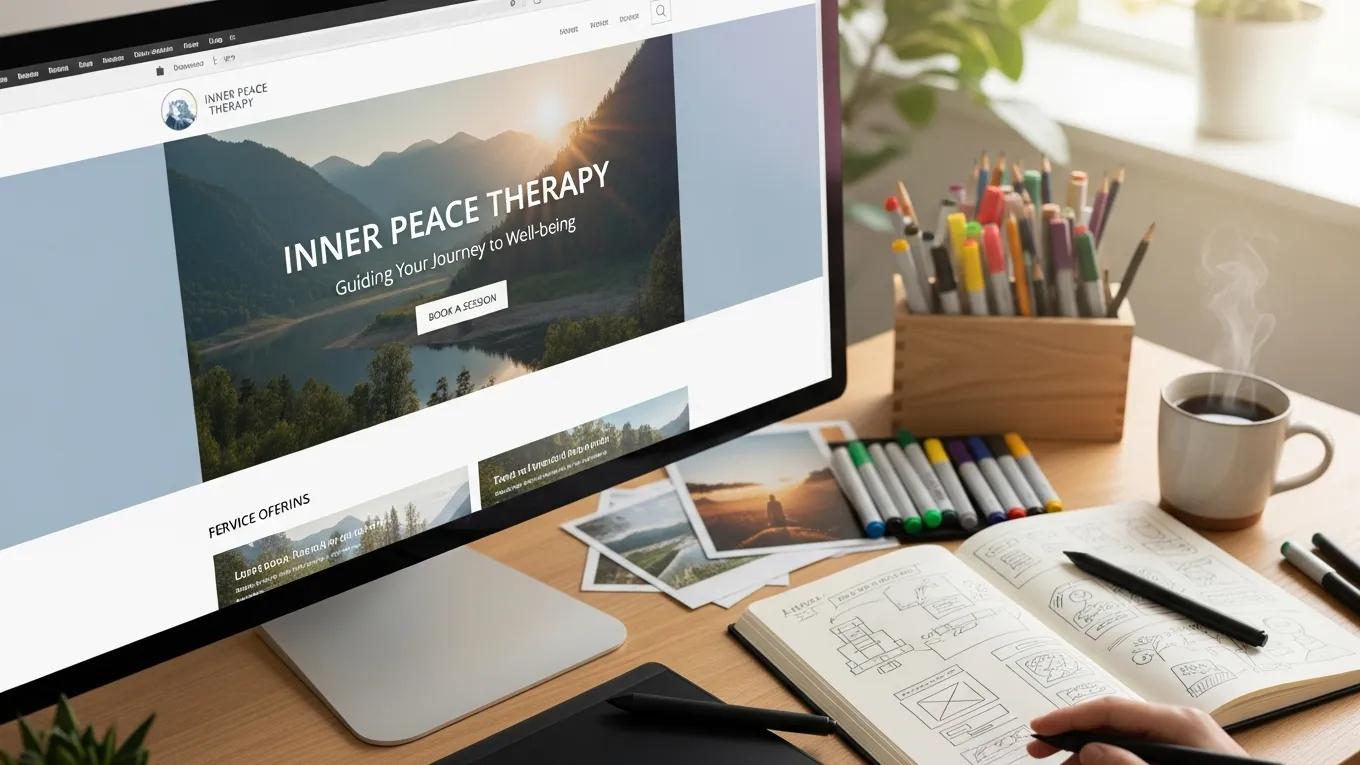
In this phase, you will develop your professional website and implement essential SEO strategies to enhance your online visibility. A well-designed website serves as the cornerstone of your digital marketing efforts.
- Develop a Professional Website: Invest in a user-friendly website that reflects your brand and services. Ensure it is mobile-responsive and easy to navigate, as these factors significantly impact user experience.
- Implement SEO Strategies: Optimize your website for search engines by incorporating relevant keywords, meta tags, and high-quality content. This will improve your search rankings and make it easier for potential clients to find you.
Therapeia Web Design specializes in professional web design services tailored for therapists, counselors, life coaches, mental health professionals, and wellness businesses. Their expertise can help you create a website that not only looks great but also functions effectively to attract clients.
Phase 3: Build Authority (Months 2 6)

Building authority in your field is essential for establishing trust with potential clients. This phase focuses on creating valuable content and engaging with your audience.
- Content Creation Strategies: Develop informative blog posts, articles, and resources that address common questions and concerns of your ideal clients. This content will position you as an expert in your field and improve your website’s SEO.
- Email List Building: Start collecting email addresses from visitors to your website. Use this list to share valuable content, updates, and promotions, keeping your audience engaged and informed.
Phase 4: Measure and Optimize (Months 4 12)
The final phase involves tracking your progress and making necessary adjustments based on data insights. This ongoing process ensures that your website continues to meet the needs of your clients and adapts to changing market conditions.
- Track Inquiries: Use analytics tools to monitor website traffic, user behavior, and conversion rates. Understanding how visitors interact with your site will help you identify areas for improvement.
- Optimize Based on Data: Regularly review your website’s performance and make adjustments to your content, SEO strategies, and user experience based on the data collected.
Tools and Best Practices
Utilizing the right tools and best practices can significantly enhance your website management and SEO efforts. Here are some essential tools to consider:
- Website Builders: Platforms like WordPress or Squarespace offer user-friendly interfaces for building and managing your website.
- SEO Tools: Tools such as Google Analytics and SEMrush can help you track your website’s performance and optimize your content for search engines.
90-Day Website-First Migration Strategy for Therapists
Adopting a website-first strategy offers numerous benefits for therapists looking to enhance their practice. Here are some key advantages:
- Improved Client Acquisition: A well-optimized website attracts more potential clients through search engines, increasing your visibility.
- Enhanced Online Presence: A professional website allows you to showcase your services, credentials, and client testimonials, building trust with potential clients.
- Control Over Your Narrative: Unlike directories, a website gives you full control over the information presented about your practice, allowing you to highlight your unique approach and services.
How Does a Website-First Approach Enhance Client Trust and Practice Growth?
A website-first approach significantly enhances client trust and supports practice growth through several mechanisms:
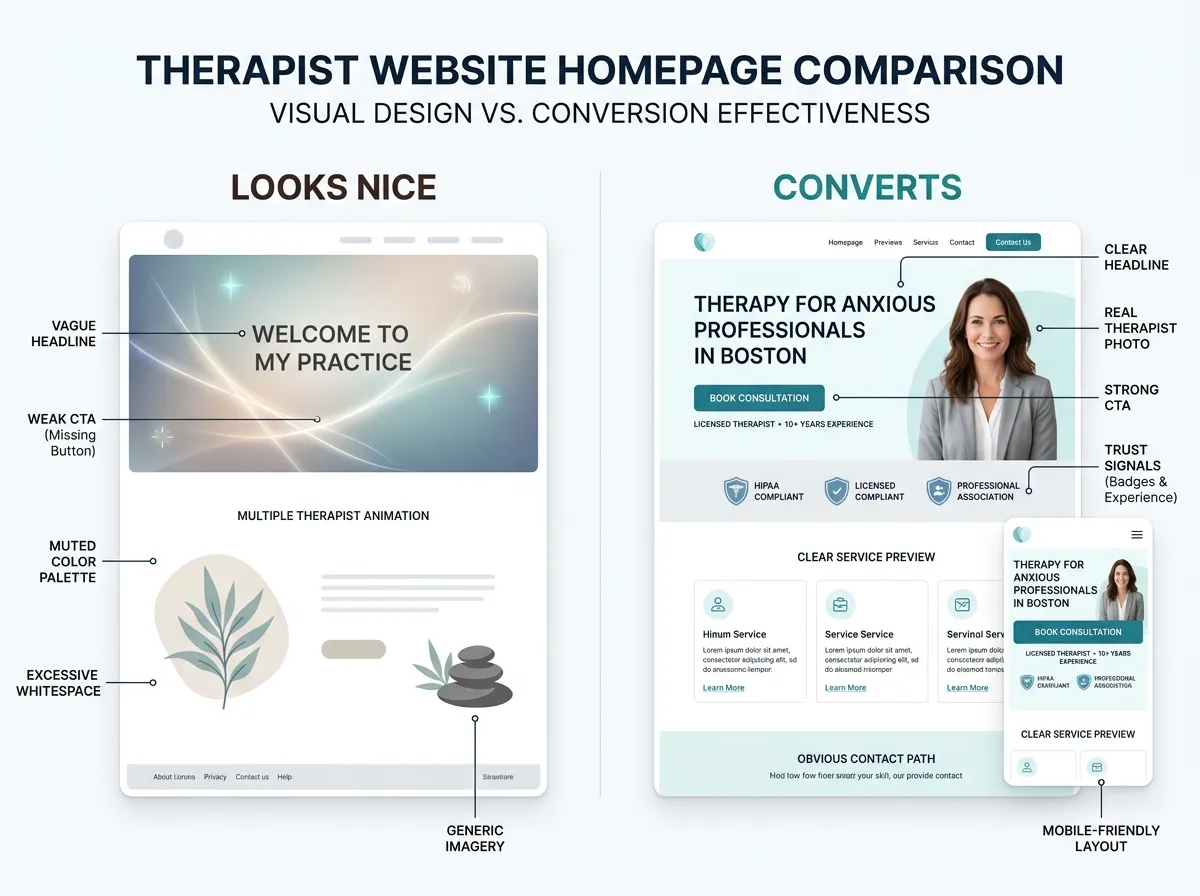
- Professional Design: A well-designed website conveys professionalism and competence, making potential clients more likely to choose your services.
- Control Over Content: You can curate the information presented on your website, ensuring it aligns with your brand and values, which fosters trust among visitors.
What Is the Step-by-Step 90-Day Roadmap to Migrate Your Practice Website?
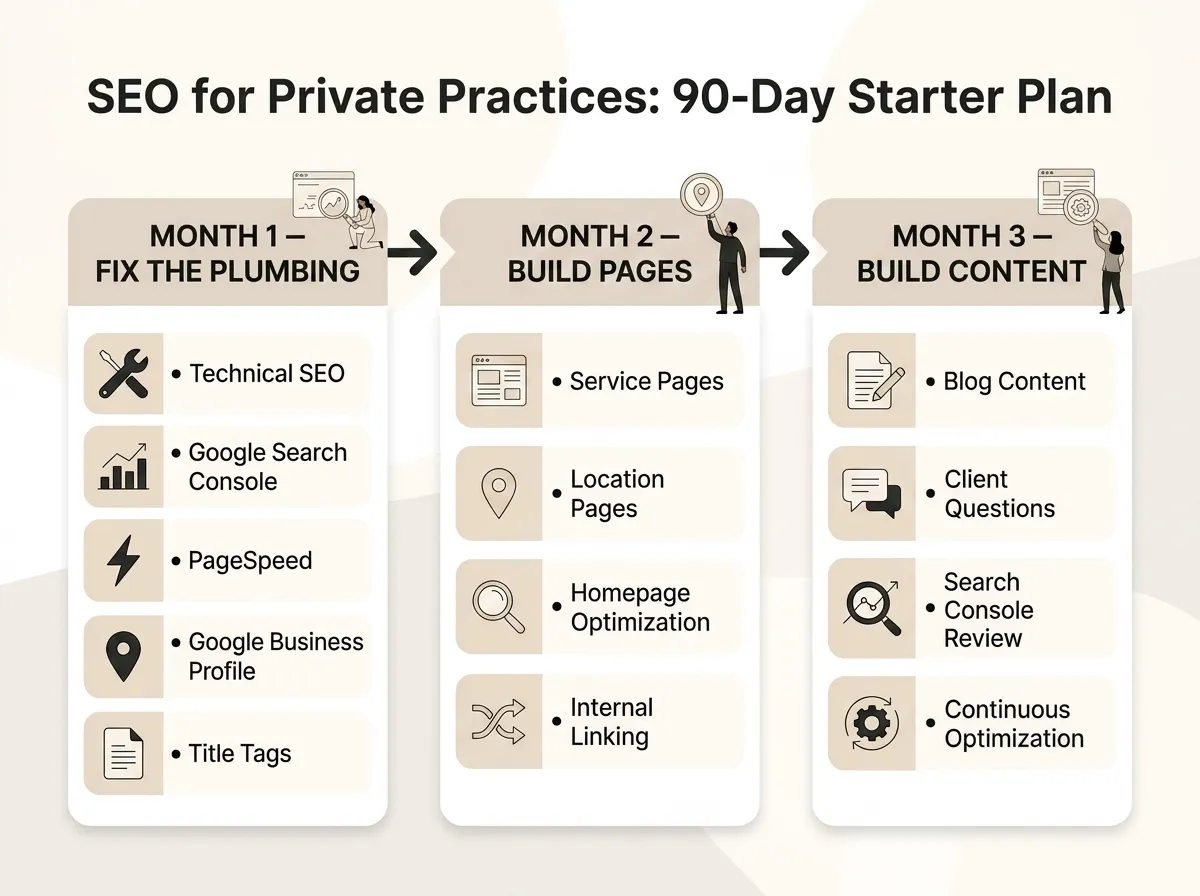
Migrating your practice to a website-first model can be broken down into a clear 90-day roadmap:
- Weeks 1-2: Conduct an assessment of your current online presence and define your ideal client.
- Weeks 3-8: Build your professional website and implement SEO strategies.
- Months 2-6: Focus on content creation and building authority in your field.
- Months 4-12: Measure your progress and optimize your website based on data insights.
How Can Therapists Manage Content and UX During the Migration Process?
Managing content and user experience (UX) during the migration process is crucial for maintaining client engagement. Here are some strategies:
- Intuitive Navigation: Ensure your website is easy to navigate, allowing visitors to find information quickly and efficiently.
- Emotional Design: Use design elements that resonate with your target audience, creating a welcoming and supportive online environment.
How to Implement SEO Transition Best Practices for Therapy Websites?
Implementing SEO best practices during your transition to a website-first strategy is essential for maximizing visibility. Here are some key practices:
- Local SEO Optimization: Focus on local keywords and optimize your Google My Business listing to attract clients in your area.
- Content Marketing: Regularly update your website with fresh, relevant content that addresses the needs of your audience.
What Are the Essential SEO Checklist Items for Therapy Website Migration?
When migrating your therapy website, consider the following essential SEO checklist items:
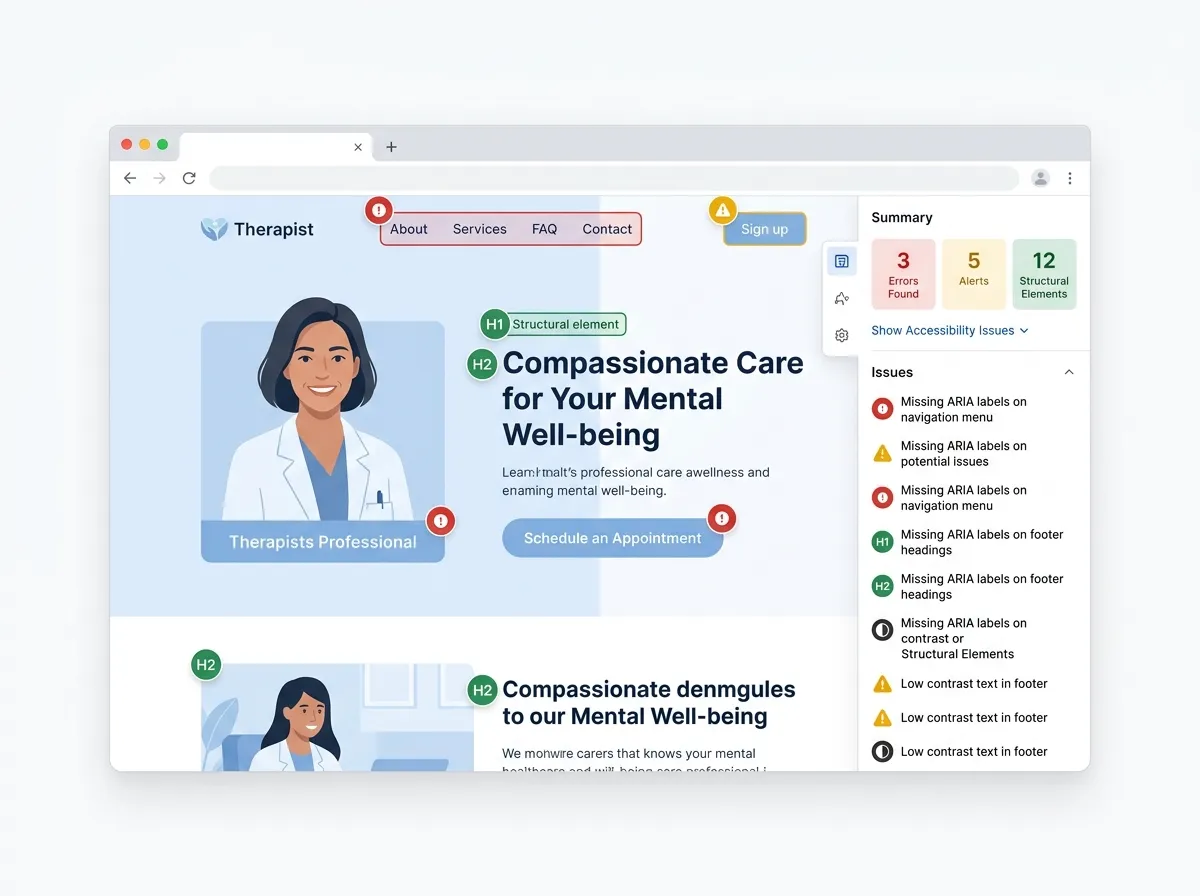
- On-Page SEO Strategies: Ensure that each page is optimized with relevant keywords, meta descriptions, and alt tags for images.
- Technical SEO Considerations: Check for broken links, ensure fast loading times, and implement SSL certificates for security.
How Does Mobile-First Indexing and Core Web Vitals Impact Therapy Website SEO?
Mobile-first indexing and Core Web Vitals are critical factors in determining your website’s SEO performance. Here’s how they impact your site:
- Importance of Mobile Optimization: With more users accessing websites via mobile devices, ensuring your site is mobile-friendly is essential for maintaining visibility.
- Core Web Vitals Metrics: Google uses Core Web Vitals to assess user experience, including loading speed, interactivity, and visual stability. Optimizing these metrics can improve your search rankings.
Further research emphasizes the importance of a user-centered, mobile-first approach combined with robust SEO for optimal website performance.
Website Redesign, SEO, and Mobile-First Strategies
This thesis presents a comprehensive redesign and technical optimization of the existing website BoardOnAir, focusing on creating a user-centered, inclusive, and performance-optimized digital experience. In parallel, the project enhances the website’s responsiveness and adaptability across devices by applying mobile-first design strategies. Search engine optimization (SEO) plays an integral role in the project as well.
User experience-led redesign and SEO optimisation of a website. A case study on a technologically augmented teaching system
What Content Creation and User Experience Strategies Optimize Therapist Websites?
To optimize your therapist website, consider the following content creation and UX strategies:
- Client-Centric Content: Develop content that addresses the specific needs and concerns of your clients, enhancing engagement and trust.
- User Experience Best Practices: Implement best practices such as clear calls to action and easy navigation to improve overall user satisfaction.
How to Develop Client-Centric Content That Streamlines Patient Navigation?
Creating client-centric content is vital for streamlining patient navigation on your website. Here are some strategies:
- Intuitive Navigation: Organize your content logically, making it easy for clients to find the information they need.
- Emotional Design: Use design elements that resonate with your audience, creating a supportive and welcoming online environment.
Which UX Design Principles Build Confidence and Reduce Friction for Therapy Clients?
Implementing effective UX design principles can significantly enhance client confidence and reduce friction. Key principles include:
- Clear Calls to Action: Ensure that your website has clear and compelling calls to action that guide visitors toward taking the next step.
- Mobile Responsiveness: Design your website to be fully responsive, ensuring a seamless experience across all devices.
What Tools, Resources, and Structured Data Enhance Your Website Migration Success?
Utilizing the right tools and resources can enhance your website migration success. Here are some essential tools to consider:
- SEO Tools: Tools like Moz and SEMrush can help you track your website’s performance and optimize your content for search engines.
- Content Management Systems: Platforms like WordPress offer user-friendly interfaces for managing your website content effectively.
How to Use Schema.org HowTo and FAQ Markup to Improve Search Visibility?
Implementing Schema.org markup can improve your website’s search visibility. Here s how to do it:
- Implementing FAQ Schema: Use FAQ schema to mark up common questions and answers on your website, enhancing your chances of appearing in rich snippets.
- Using HowTo Schema: Mark up instructional content with HowTo schema to provide search engines with structured information about your content.
Which Multimedia Assets and Monitoring Tools Support Ongoing SEO and Content Updates?
Incorporating multimedia assets and monitoring tools can support ongoing SEO and content updates. Here are some key assets to consider:
- Content Management Systems: Use CMS platforms that allow for easy updates and management of multimedia content.
- SEO Monitoring Tools: Tools like Ahrefs and Moz can help you track your website’s SEO performance and identify areas for improvement.