Maximizing Revenue: Scaling Your Private Practice Through Web Design
A well-optimized website is essential for therapists seeking more client bookings and measurable practice growth. This article reviews targeted strategies—from improving user experience to implementing lead-generation—that convert visitors into appointments. Understanding how each element affects performance helps you differentiate your practice. We will cover design best practices, measuring return on investment, and ways to engage clients through your site.
Strategies for Increasing Therapy Client Bookings
Several website optimisations can increase client bookings for therapy practices. Applied correctly, these methods improve engagement and conversion.
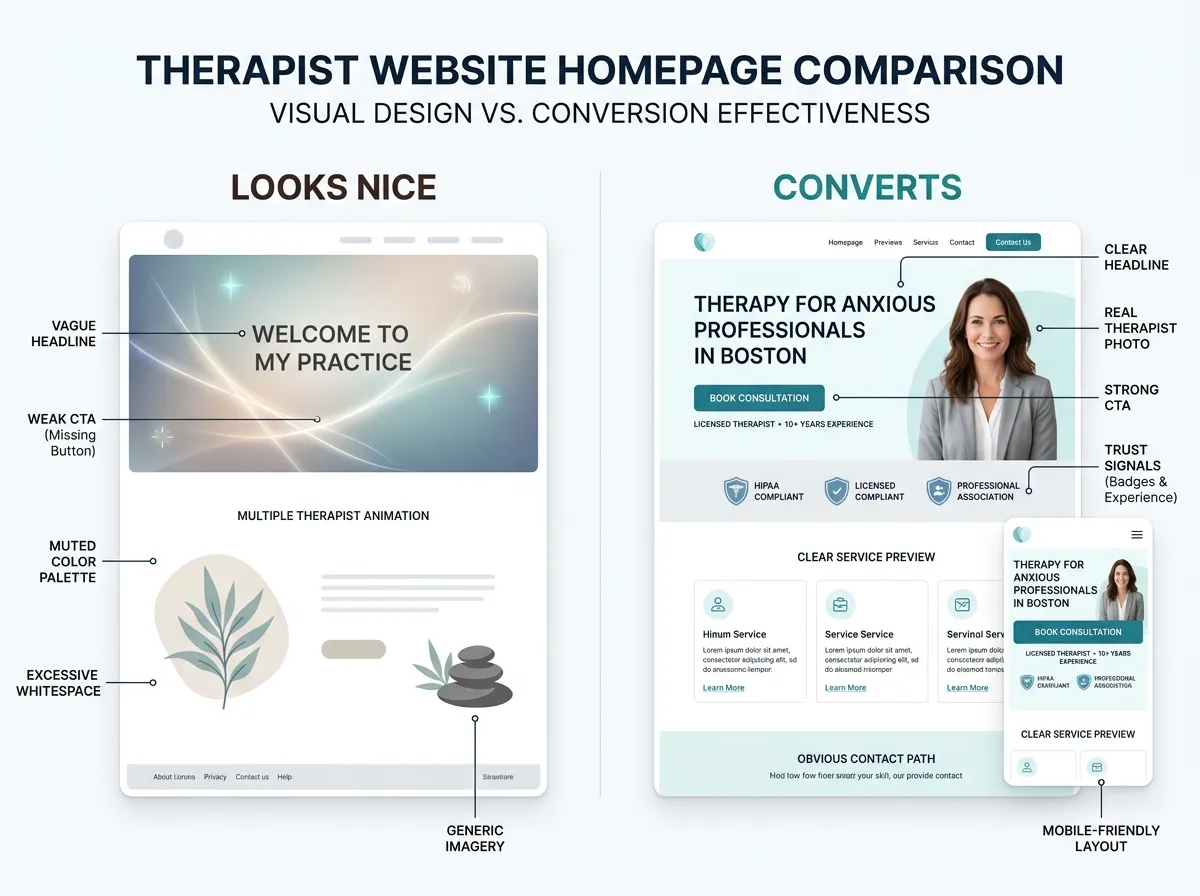
- Optimize Website Design: Ensure a user-friendly interface so visitors can quickly find services. Simplify layouts and reduce clutter to improve usability.
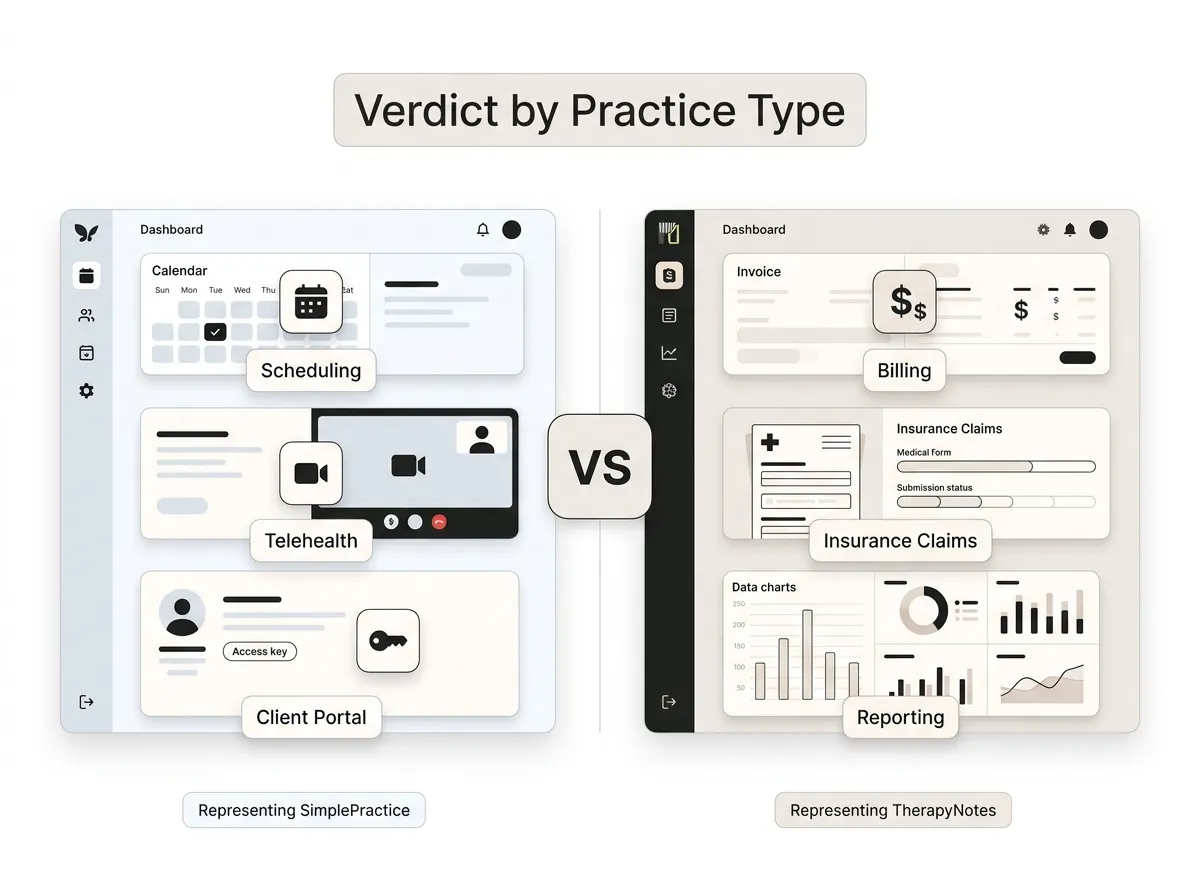
- Integrate Online Booking Systems: Allow direct booking on your site to reduce friction and make scheduling easier for clients.
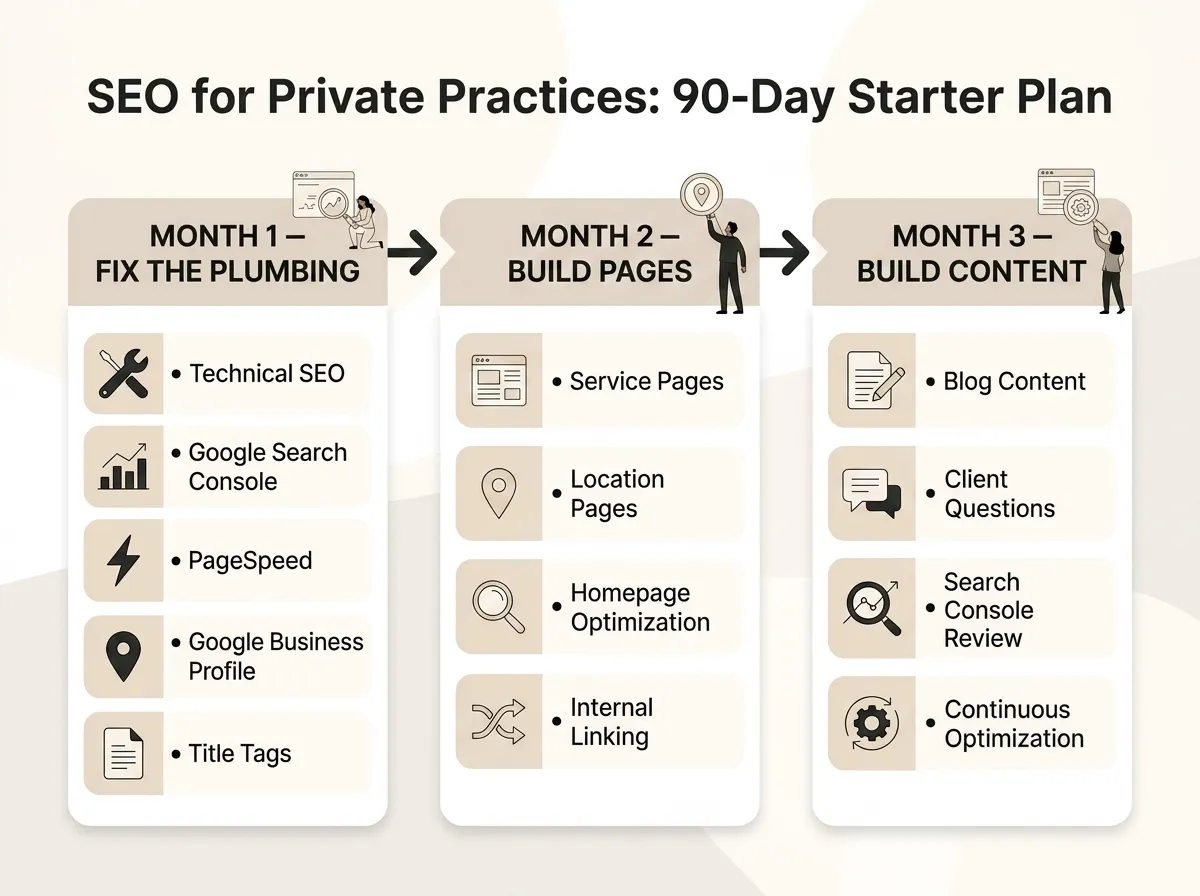
- Leverage SEO Strategies: Use search optimization, especially local SEO, so potential clients in your area can find your services.
These strategies refine client acquisition workflows and increase booking volume when implemented together.
Maximizing Revenue: Scaling Your Private Practice Through Web Design
Maintain regular audits and updates to keep your site secure, functional, and relevant.
- Regular Website Maintenance: Update content and software regularly and check for technical issues monthly.
- Focus on User Experience: Keep navigation intuitive so clients find information quickly.
- HIPAA-aware: Ensure your site meets HIPAA requirements to protect client data and build trust.
Consistent upkeep preserves credibility and performance in a competitive market.
Potential Challenges
Digital change brings benefits but also operational and strategic challenges to manage.
- Complexity of Digital Marketing: Digital marketing can feel overwhelming; start with a clear plan for SEO, content, and social media.
- Competition in the Therapy Market: Differentiate your services and communicate what makes your practice unique.
- Budget Constraints: Smaller practices should prioritise investments and consider phased improvements.
Recognising these challenges helps therapists plan practical marketing and technology decisions.
How Can a Therapist Measure the ROI of Website Design?
Track core metrics to understand how your site contributes to practice results.
- Calculate Client Acquisition Cost: Divide marketing spend by new clients to measure acquisition cost.
- Track Revenue Generated from Clients: Compare revenue from clients who found you online to overall revenue to show monetary impact.
- Monitor Traffic Volume: Use analytics to evaluate traffic, behavior, and engagement trends.
These measures clarify how website investment translates into growth.
What Key Metrics Reflect Website ROI for Therapy Practices?
Monitor metrics that reveal efficiency and impact to prioritise improvements.
- Client Acquisition Cost: Measures the cost-effectiveness of marketing.
- Revenue Generated: Tracks revenue attributable to online leads.
- Engagement Metrics: Time on site and page interactions indicate visitor interest.
These indicators show how well your site meets objectives and where to optimise next.
How Do Website Improvements Translate into Increased Client Bookings?
Improvements reduce friction, boost visibility, and make it easier to book.
- Impact of Website Speed: Faster pages reduce drop-off and increase the chance of completed bookings.
- Importance of SEO Improvements: Better search rankings drive more qualified traffic.
- Benefits of Online Booking Systems: Streamlined scheduling removes barriers for prospective clients.
Compare booking rates before and after changes to see which updates deliver the best gains.
What Effective Website Conversion Tips Can Grow Your Counseling Practice?
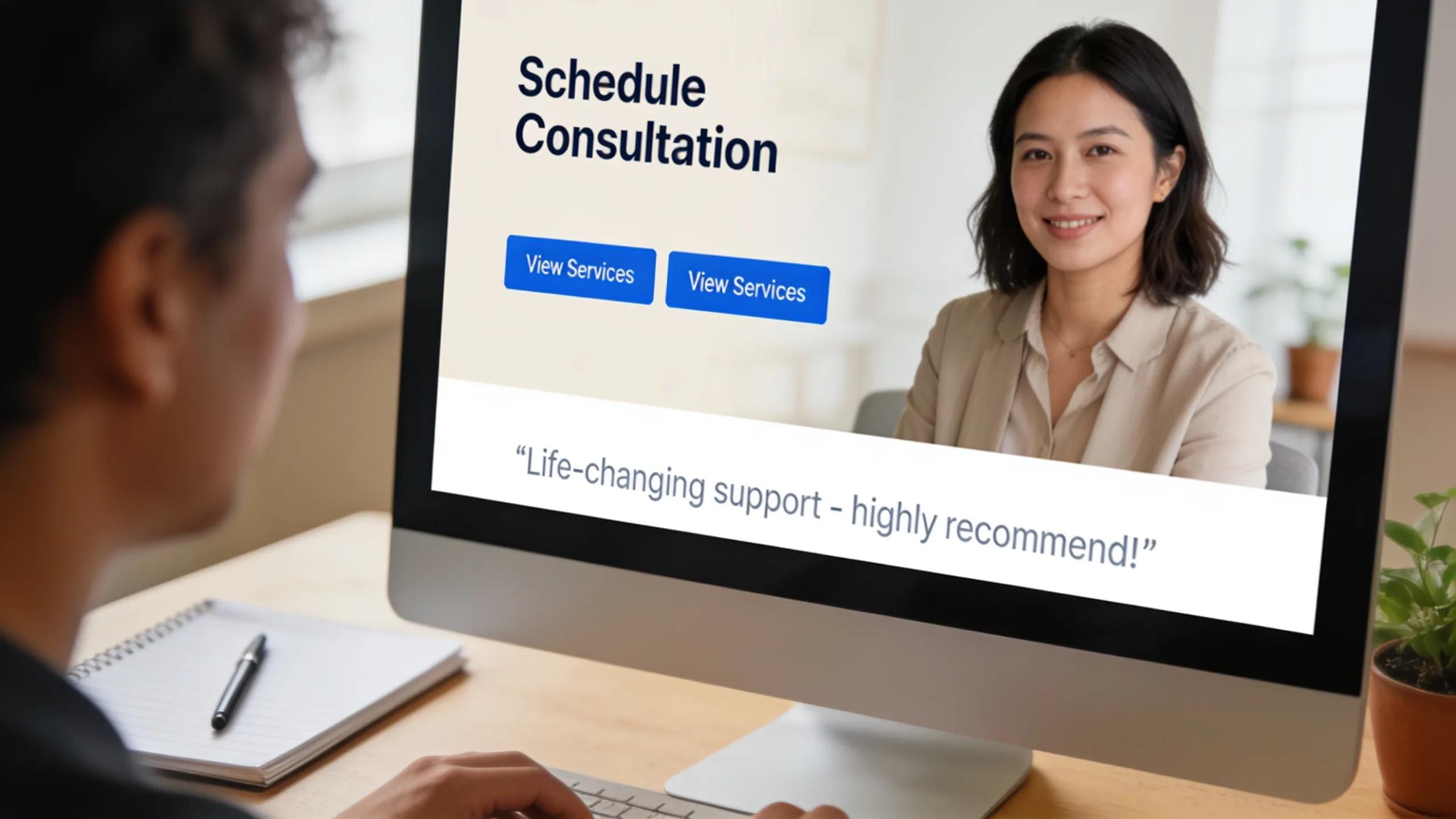
Convert visitors into clients with clear, consistent conversion tactics across your site.
- Implement Clear Calls to Action: Make next steps obvious—book, call, or contact.
- Utilize Client Testimonials: Display authentic feedback to build credibility.
- Engage with Social Media: Use social channels to drive traffic and share helpful content.
These tactics increase engagement and appointment bookings when used together.
Which Features Enhance Client Trust and Engagement on Therapist Websites?
Specific features strengthen trust and encourage meaningful engagement.
- Professional Branding: Consistent branding enhances credibility.
- User-Friendly Navigation: Clear menus and labels reduce frustration.
- Secure and Confidential Features: Emphasise privacy and security to reassure clients.
Together, these elements create an environment that supports clients reaching out.
How Does Clinical UX Improve Patient Navigation and Reduce Friction?

Clinical UX determines how easily potential clients find information and act on your site.
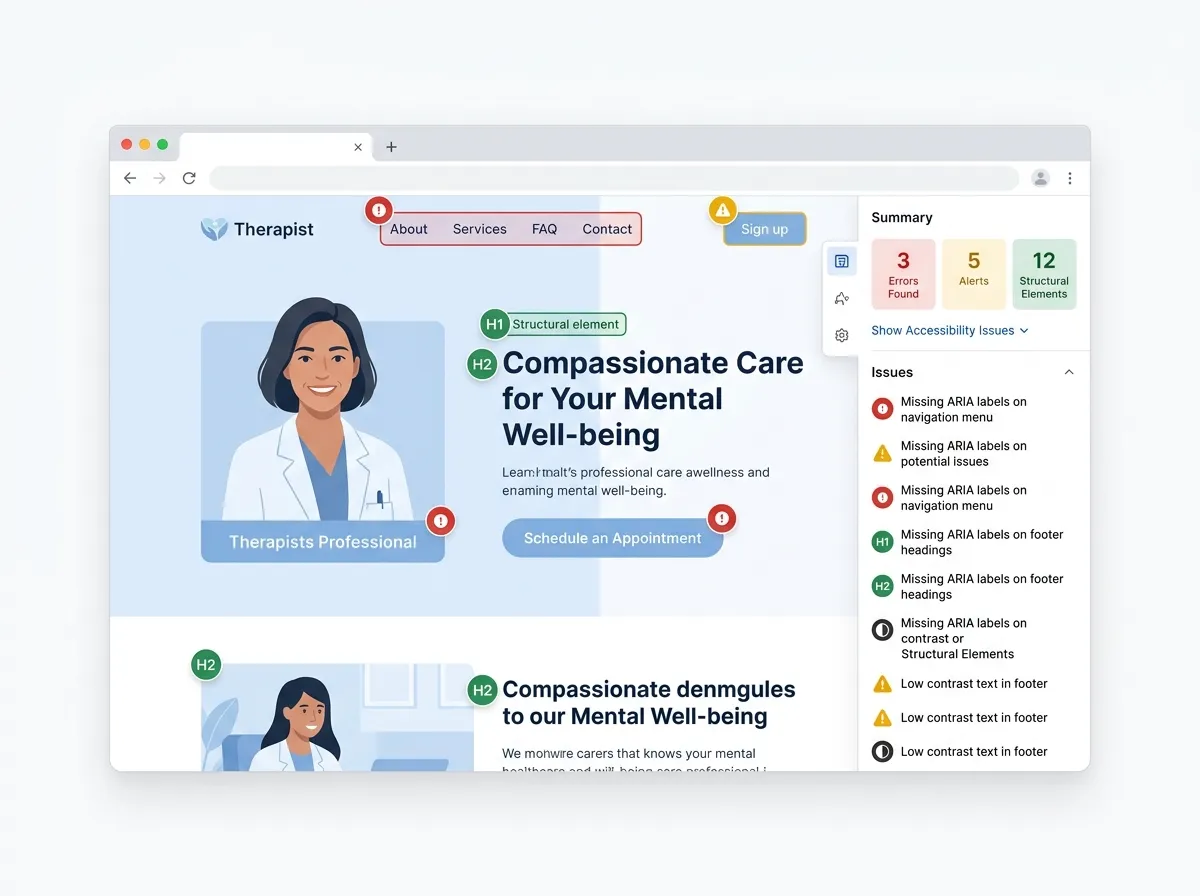
Intuitive navigation helps clients locate services and booking options quickly, reducing drop-off. Design choices that consider emotional comfort—calming colours and legible typography—support trust. Compliance with accessibility standards broadens access for users with diverse needs.
Which Private Practice Website Marketing Strategies Drive Sustained Revenue Growth?
Sustained growth relies on strategies that attract the right clients consistently.
- Effective Branding: A unique brand helps attract your ideal clients.
- SEO and Digital Marketing: Ongoing SEO and targeted marketing make your services discoverable.
- Community Engagement: Local involvement and outreach build familiarity and trust.
Combined, these approaches support steady client acquisition and long-term profitability.
What Lead Generation Techniques Attract Ideal Therapy Clients Online?
Use targeted website and content strategies to create a predictable pipeline of prospects.
- Website Optimization: Optimize for search and user experience to attract organic traffic.
- Content Marketing: Publish helpful content that addresses common client concerns.
- Client Testimonials: Share positive feedback to enhance credibility and appeal to new clients.
These methods attract qualified prospects and simplify their path from discovery to contact.
How Does Professional Web Design Support Scaling Your Therapy Practice?
Professional design improves brand perception, visibility, and the user journey that leads to bookings.
- Effective Branding: A polished site presents a professional image.
- SEO and Digital Marketing Integration: Design should support SEO and marketing goals.
- Client Acquisition Strategies: A clear user flow guides visitors toward booking.
Investing in quality design typically increases booking volumes and measurable growth.
Why Is a Professional Therapist Website Critical for Practice Growth?
A professional website is both a credibility platform and a conversion tool for practice expansion.
- Enhances Client Trust: Professional presentation fosters trust in mental health services.
- Effective Engagement Strategies: Engaging content and design encourage visitors to explore services.
- Influences Conversion Rates: Intuitive, attractive sites help convert visitors into clients.
A well-structured site is a foundational asset for sustainable growth.
How Does Website Design Build Confidence for Mental Health Practitioners?
Deliberate design choices streamline communication and workflows, supporting practitioner confidence.
- User-Friendly Navigation Impact: Clean design promotes smoother scheduling and client communication.
- Professional Branding Effects: Strong branding reinforces expertise.
- Testimonial Importance: Visible social proof reassures prospective clients.
Good design improves perception and supports professional credibility.
What Role Does Strategic SEO Play in Attracting Qualified Therapy Leads?
Strategic SEO raises visibility and aligns content with ideal clients’ needs.
- Increased Visibility: Higher rankings help potential clients find you.
- Targeting Ideal Clients: Tailored content attracts individuals seeking specialized services.
- SEO Techniques: Use targeted keywords and maintain a regular blog to improve searchability.
Effective SEO increases relevant traffic and improves lead quality.
Frequently Asked Questions
1. What specific elements should I include in my therapist website’s content to engage clients?
Your content should describe services, therapeutic approaches, and specialisations or certifications. Include testimonials, a practical blog, high-quality images, and a resources section to build trust and engagement.
2. How often should I update the content on my therapy website?
Update content regularly—at least quarterly. Refresh service descriptions, publish blog posts, and update any changes to services or fees promptly.
3. Can social media interactions influence the traffic of my therapy website?
Yes. Strategic social media can drive followers to your site where they can book or learn more. Regular posts and timely responses help build community and referral traffic.
4. How important is mobile optimization for my therapy practice’s website?
Mobile optimisation is essential. A responsive, fast-loading design improves user experience and supports higher booking rates by reducing bounce.
5. What should I know about using client testimonials ethically on my website?
Obtain explicit permission before publishing testimonials and consider anonymising identities. Ensure statements are truthful and comply with confidentiality and regulatory standards.
6. What is the significance of incorporating a blog into my therapy website?
A blog establishes expertise, provides value to clients, and supports SEO. Regular posts attract organic traffic and supply shareable material for social media.
7. How do I balance my therapy practice’s online presence with my availability for clients?
Set defined times for online tasks and use automation for bookings and routine messages. Clear response-time expectations and efficient scheduling tools help protect your availability.
Conclusion
Implementing focused website strategies helps therapy practices increase bookings and client engagement. A structured, professional site supports trust and conversion and provides a foundation for sustainable growth. Regular review and refinement ensure your online presence meets client expectations and contributes to long-term success.