Therapist Online Marketing Strategies to Differentiate Your Practice in a Sea of Listings
To stand out, therapists need a focused marketing plan: a clear brand, an optimised online presence, targeted content and social media, and credible testimonials. Attention to these areas increases visibility and helps attract and retain appropriate clients.
Develop a Strong Brand Identity

A distinct brand communicates your values and specialisms. Define who you are, what clients should expect, and keep visual and verbal elements consistent to build recognition and trust.
Key Branding Elements
Focus on a concise mission statement, a cohesive visual design, and sincere messaging that speaks to your target clients. Practitioner narratives and outcome examples enhance memorability.
Differentiation Techniques
Highlight specific therapeutic approaches or niches and emphasise values such as confidentiality and personalised care to set your practice apart.
Optimize Your Online Presence
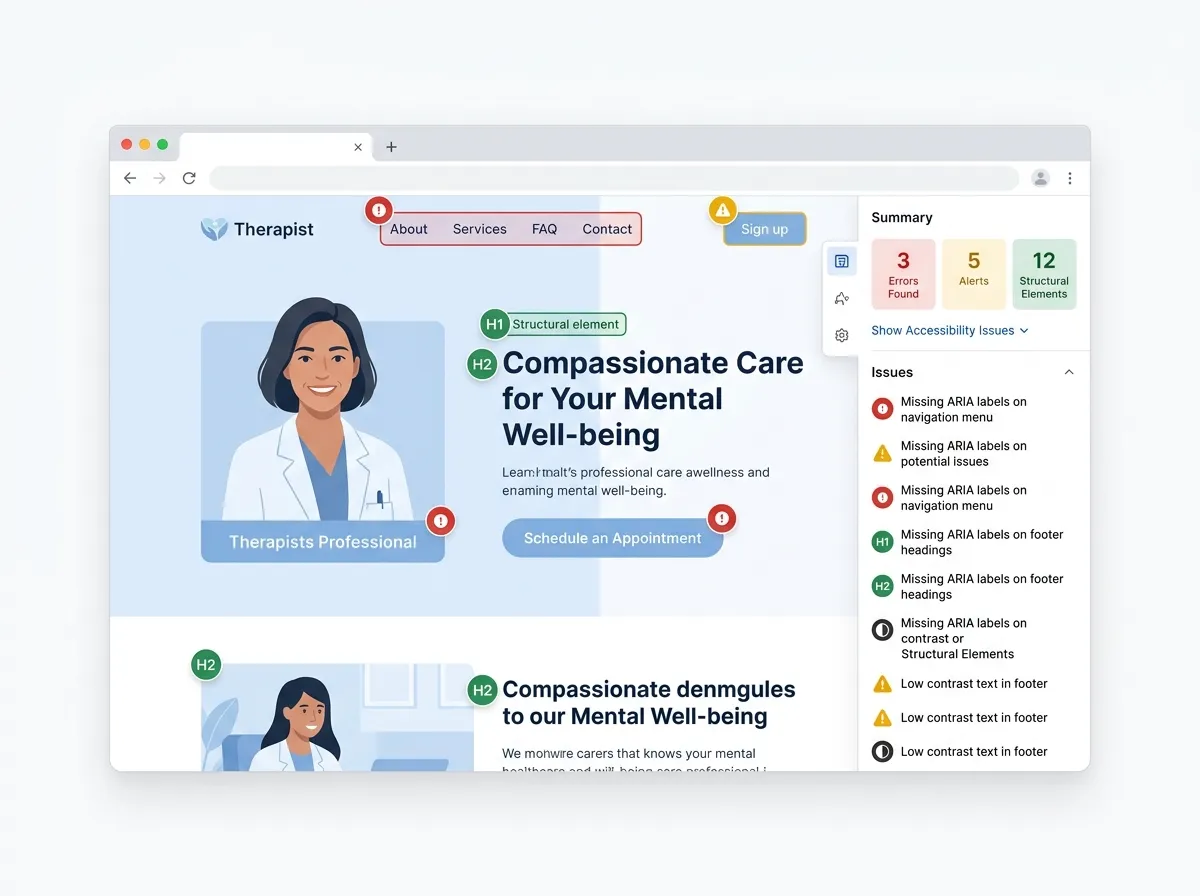
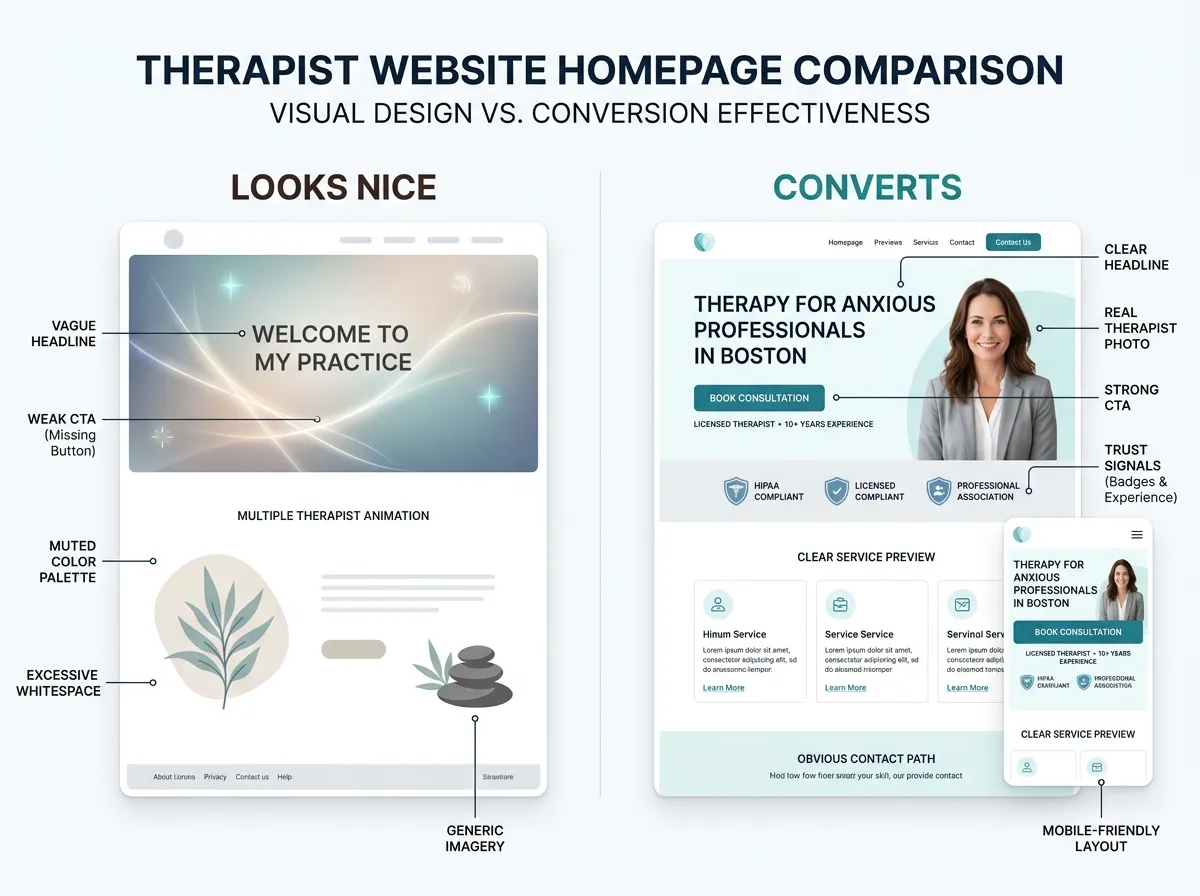
Your website should combine clear design, reliable functionality, and relevant content to guide visitors toward contact or booking.
Website Navigation
Use logical labels and a simple hierarchy so visitors can quickly find services, therapist information, and contact options.
Mobile Optimization
Ensure pages, forms, and scheduling tools work well on mobile devices to reduce friction for prospective clients.
SEO Strategies
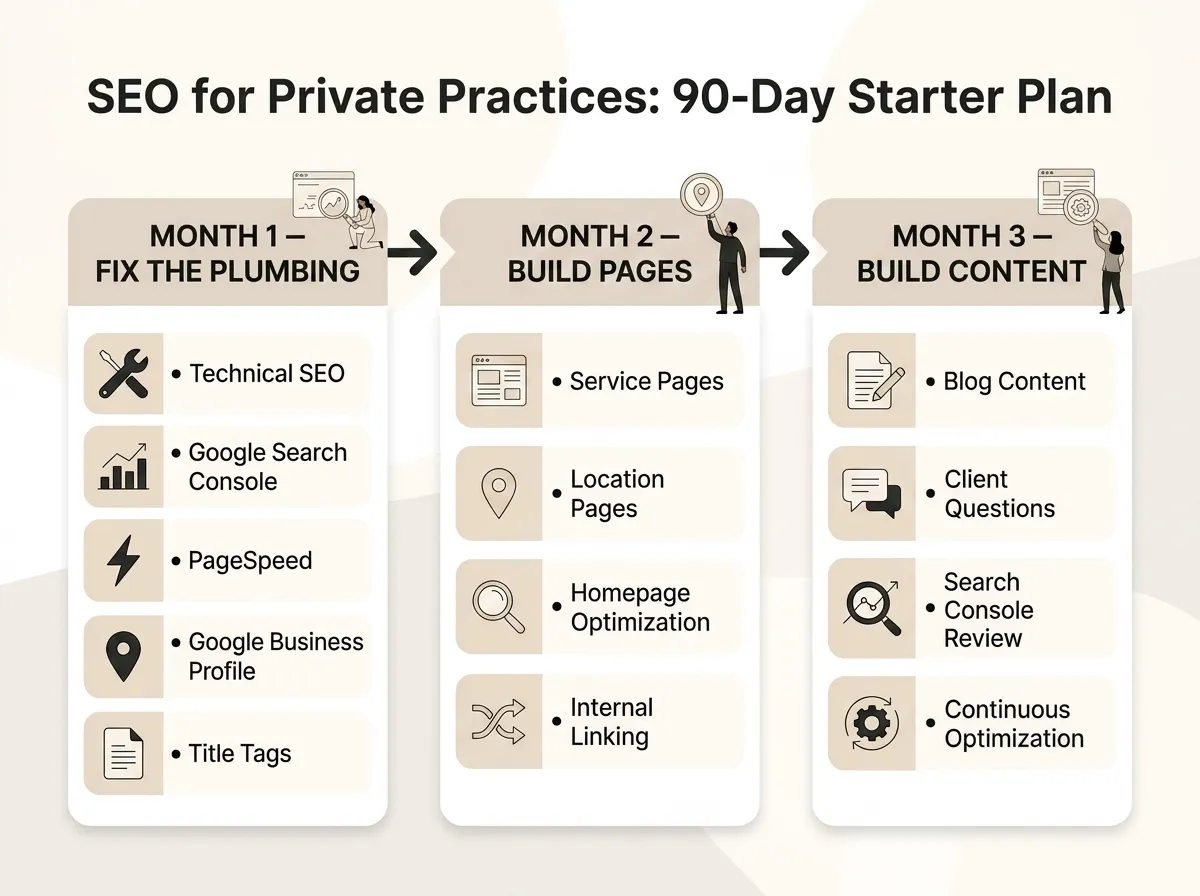
Apply search engine optimization (SEO) best practices: use relevant keywords, optimise meta descriptions and image alt text, refresh content regularly, and pursue sensible backlinks to improve discoverability. Learn more.
Utilize Content Marketing
Content positions you as a clinical authority and builds trust. Publish practical, evidence-informed resources—blogs, short guides, or videos—that answer common client questions.
Engagement Through Valuable Content
Produce focused content addressing coping strategies, therapy benefits, and common concerns to attract and inform prospective clients.
Positioning as an Expert
Consistent, useful content establishes credibility and encourages enquiries when readers need support.
Engage in Social Media Marketing
Maintain a professional presence on relevant platforms to share expertise, practice updates, and helpful resources while keeping clear boundaries.
Connection Building with Potential Clients
Use social channels to broaden reach, respond to questions appropriately, and direct followers to substantive resources.
Sharing Insights and Building Community
Post educational material and practice-appropriate reflections to strengthen community ties and reinforce your brand.
Leverage Client Testimonials
Display authentic testimonials to provide social proof and help prospective clients evaluate fit with your approach.
Importance of Showcasing Positive Feedback
Feature genuine feedback prominently so visitors can see the benefits others have experienced and form realistic expectations.
Building Credibility
Visible endorsements reduce perceived risk for new clients and support informed choices.
Implement Email Marketing
Email keeps your practice present to past and potential clients with targeted updates, helpful resources, and occasional prompts to book.
Regular Updates and Special Offers
Share timely service updates, new content, or event notices; use limited offers or clear prompts to encourage bookings when appropriate.
Content-Driven Newsletters
Send newsletters that deliver practical guidance and resources to reinforce your role as a supportive professional resource.
Track and Analyze Your Marketing Efforts
Use analytics to see what works and where to invest effort. Tracking enables iterative improvements and better ROI.
Measure Effectiveness of Marketing Strategies
Monitor website traffic, inquiry sources, and conversion rates to evaluate performance and prioritise channels that bring clients.
Informed Adjustments
Apply data-driven changes to messaging and distribution so content and channels better match target audiences.
Community Outreach

Local engagement builds reputation and referrals: partner with organisations, run workshops, or take part in health events to raise awareness.
Visibility Through Local Organizations
Collaborate with local health and wellness groups to extend reach and demonstrate expertise through talks or workshops.
Connecting with Potential Clients
Community events offer low-pressure opportunities to share information and encourage attendees to seek support.
How Can Therapist Branding Establish a Unique Private Practice Identity?
Branding clarifies core values, therapeutic focus, and the client experience so prospective clients can quickly understand whether your practice fits their needs.
Creating a Recognizable Brand Identity
Use consistent messaging and visuals that reflect your specialisms so clients recognise your services and approach.
Trust and Connection Through Visual Aesthetics
Design choices should convey professionalism and safety to increase client confidence.
Importance of Messaging Consistency
Repeat clear narratives across touchpoints to signal reliability and set expectations.
What Are the Key Elements of Effective Therapist Brand Identity?
Strong brand identity combines practical components that resonate with clients and support growth.
- Clear Mission and Values: Define your mission and values to ground the brand.
- Cohesive Visual Aesthetic: Keep visual elements consistent across materials.
- Authentic Messaging That Resonates: Use honest messaging that reflects your approach and connects with clients.
How Does Brand Trust Influence Client Choice in Mental Health Practice Marketing?
Trust is a major factor in client choice; perceived professionalism and reliability often determine whether someone reaches out.
Communicating Professionalism and Reliability
Careful presentation, attention to detail, and consistent messaging signal reliability and build confidence.
Impact of Branding on Perception
Effective branding shapes impressions and increases the likelihood of contact.
Importance of Trust in Therapy Choices
Clients are likelier to initiate contact when they feel both an emotional and professional connection to the practitioner.
Which Therapist Website Optimization Techniques Improve Online Client Attraction?
Focus on practical optimisations that boost discoverability and usability.
- Keyword Optimization: Use relevant keywords in page content and meta elements.
- Local SEO Strategies: Apply local SEO to surface your practice for nearby searchers.
- User Experience Enhancements: Improve navigation and load times to keep visitors engaged and convert them to enquiries.
How Does Conversion-Focused Web Design Streamline Patient Navigation?
Design that reduces friction helps visitors find key information and take next steps quickly.
Intuitive Navigation
Arrange site structure so the path to contact, services, and booking is obvious.
Clear Calls to Action
Use prominent, specific calls to action to guide visitors toward booking or contacting you.
Mobile Optimization & User Experience
Ensure mobile layouts preserve clarity and functionality to support conversions across devices.
What SEO Strategies Increase Visibility for Mental Health Professionals?
Targeted SEO, quality backlinks, and consistent content marketing collectively improve visibility and attract relevant traffic.
- On-Page SEO: Optimise content and tags for keywords.
- Off-Page SEO: Build thoughtful backlinks that reinforce authority.
- Effective Content Marketing: Publish helpful articles to drive engagement and organic traffic.
What Unique Marketing Ideas Can Therapists Use to Stand Out Among Competitors?
Choose approaches that emphasise authenticity and client relevance.
- Personalized Content Strategies: Offer tailored frameworks and resources for specific client needs.
- Strong Personal Branding: Let your professional voice and approach define your presence.
- Engagement Through Online Presence: Maintain regular, helpful engagement on platforms where your clients spend time.
How to Leverage Personalized Content and Authenticity in Therapist Marketing?
Personalised content and authentic communication improve connection and help clients see how your services address their needs.
Importance of Personal Branding
Personal branding communicates your clinical style and identity, helping clients recognise and relate to you.
Authentic Self-Disclosure Benefits
Appropriate professional self-disclosure humanises the practitioner and can lower barriers to contact.
Engagement Through Relatable Content
Create problem-focused, relatable content to convert interest into enquiries.
Which Digital Marketing Trends Are Most Effective for Therapist Practice Growth?
Monitor and adopt trends that support client connection and measurable improvement.
- Personalized Content Marketing: Tailored content increases engagement.
- Video Marketing Engagement: Short videos can showcase practice style and build rapport.
- Utilization of Performance Analytics: Use analytics to refine strategy and improve results.
With these strategies, therapists can differentiate their practices and create meaningful connections in an increasingly competitive landscape.
Frequently Asked Questions
What role does social media play in therapist marketing?
Social media amplifies outreach and education; consistent, professional posts build awareness and direct people to deeper resources.
How can therapists effectively track their marketing success?
Use analytics to monitor traffic, engagement, and enquiry sources; track conversion rates and top referral channels to prioritise effort.
What strategies can therapists use to engage local communities?
Host workshops, attend fairs, and partner with local organisations to share information and build relationships that can lead to referrals.
How can email marketing benefit a therapist’s practice?
Email supports retention and re-engagement with newsletters and targeted updates; include practical resources and clear calls to act.
What is the importance of using client testimonials in marketing?
Testimonials provide social proof and reduce uncertainty for prospective clients evaluating fit and effectiveness.
What elements should be included in a therapist’s website to optimize client engagement?
Include clear navigation, strong calls to action, mobile-friendly design, accessible contact/scheduling tools, and helpful content.
How can therapists differentiate their practices in a saturated market?
Differentiate by clearly presenting your specialisms, values, and experience, and by using targeted content and local outreach to reach the right clients.
Conclusion
Focused online marketing—strong branding, an optimised website, consistent content, professional social engagement, and authentic testimonials—helps therapists attract suitable clients. Implement targeted tactics, measure results, and refine your approach to increase visibility and support practice growth.