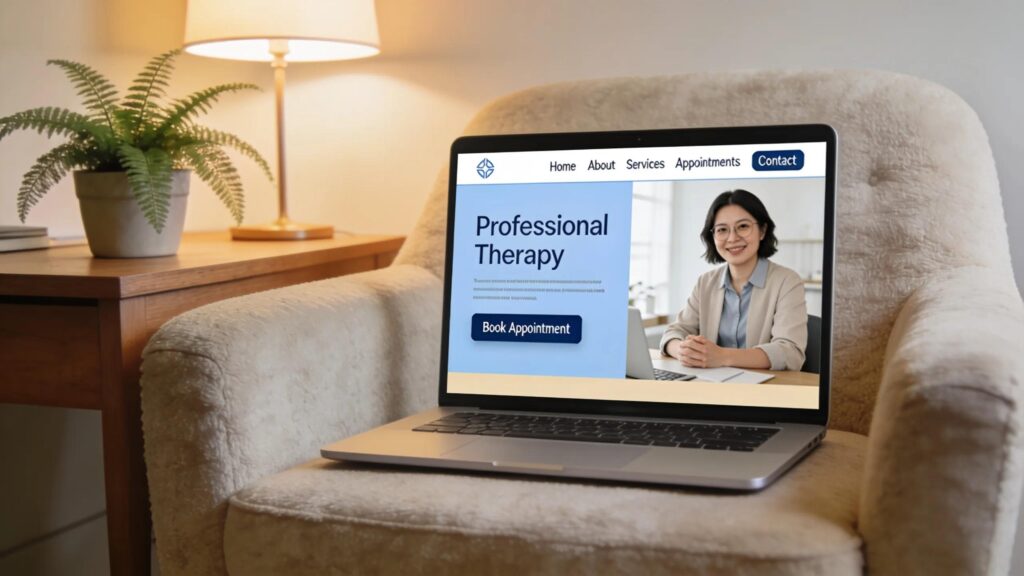
Optimizing Your Therapy Website for Seamless Appointment Booking
An effective online appointment system for a therapy practice requires user-centered design that prioritizes the client journey and drives bookings. An optimized website converts prospects into scheduled sessions by using intuitive navigation, clear calls to action, and integrated schedulers. This article reviews best practices, navigation, booking-flow components, scheduler benefits, conversion tactics, and case studies.
Optimizing Your Therapy Website for Seamless Appointment Booking
Delivering a seamless user experience on a therapy website depends on a few focused practices that improve usability and conversion. Effective design rests on three core elements:
- Intuitive Navigation: Make information easy to find with clear labels and simple menus.
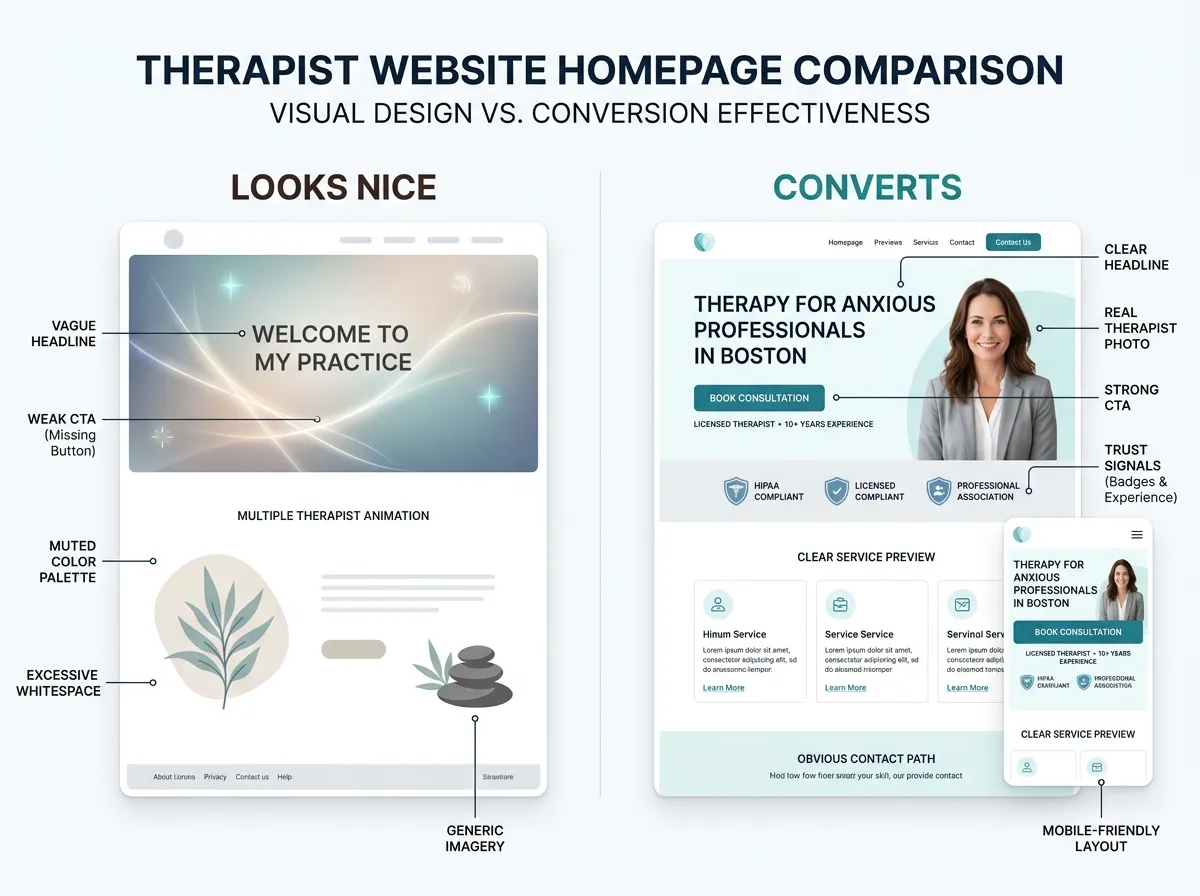
- Clear Calls to Action: Place prominent CTAs on every page to direct visitors to book or contact you.
- Mobile Responsiveness: Ensure the site adapts to all screen sizes so booking works reliably on phones and tablets.
Adopting these elements reduces drop-off and strengthens client engagement. Therapeia Web Design builds responsive, conversion-focused sites for therapy practices.
How Does Clear Website Navigation Enhance Therapy Client Engagement?
Clear navigation helps visitors find relevant services quickly, increasing time on site and the chance they book. Effective systems use straightforward categories that match user intent.
- Role of Navigation in User Experience: A well-structured path lets users locate information without frustration, for example grouping services in logical menus.
- Benefits of Clear Pathways: Simpler navigation lowers bounce rates and encourages deeper exploration.
- Examples of Effective Navigation: Organize offerings—individual therapy, group therapy, specialties—so visitors can drill down to the right service.
Implementing these navigation practices increases the likelihood visitors will schedule appointments.
What Components Define an Optimized Appointment Booking Flow for Therapists?
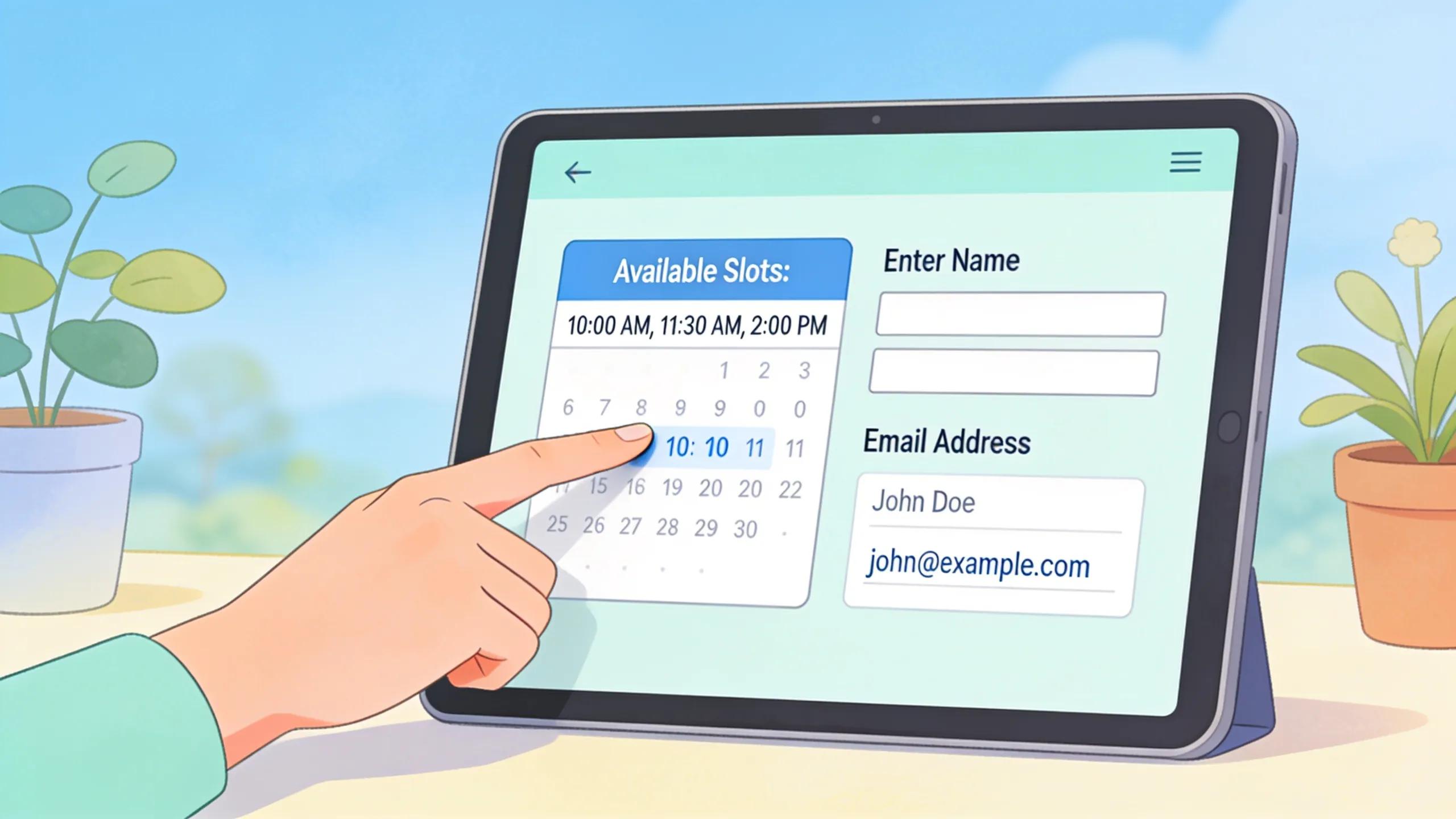
A streamlined booking flow converts visitors into clients by minimizing friction and clarifying next steps. Key components include:
- Streamlined Steps: Reduce the number of screens and ask only essential information at booking.
- User-Friendly Features: Calendar views and available-slot indicators help clients find suitable times quickly.
- Integration of Scheduling Tools: Embedded schedulers or linked platforms remove manual coordination and save administrative time.
These components make booking efficient and lower abandonment.
How Can Online Scheduler Integration Improve Therapy Practice Website Conversion?

Online schedulers reduce friction and support instant booking, improving conversion. Key benefits include:
- Importance of Real-Time Booking: Clients see available slots immediately, avoiding back-and-forth messages.
- User Convenience: Booking anytime—day or night—meets client expectations and increases completions.
- Automation of Confirmations: Automated emails or texts confirm appointments and reduce no-shows.
These tools make scheduling easier for clients and staff, often increasing completed bookings.
What Are Proven Conversion Optimization Strategies for Therapy Appointment Booking?
Use focused tactics that guide visitors to book with confidence.
- Effective CTAs: Use action-oriented language like “Book Your Free Consultation” to prompt immediate scheduling.
- User Feedback: Add testimonials or reviews near booking points to build trust.
- Mobile-First Design: Ensure the booking process is smooth on mobile to capture that audience.
These approaches direct attention and reduce hesitancy during booking.
How Do Case Studies Demonstrate UX Impact on Therapist Website Booking Success?
Real-world examples show that UX changes deliver measurable booking gains.
Multiple case studies report practices that redesigned for usability saw notable improvements in booking performance.
- Real-Life Examples: A mental health practice that simplified its booking process saw a 30% increase in completed appointments within three months.
- Statistics on Booking Increases: Streamlined online booking experiences typically raise scheduling rates, though results vary.
- Key Takeaways from Successful Designs: Clear CTAs, mobile optimization, and client testimonials recur across effective sites.
These findings highlight UX design’s role in converting visitors into clients.
Frequently Asked Questions
What features should be included in a therapy website to enhance user satisfaction?
Include clear navigation, prominent CTAs, FAQ sections, accessible content, and a resources or blog area to add authority and value.
How does mobile responsiveness affect appointment bookings for therapists?
Mobile responsiveness ensures booking forms and interactive elements work on small screens; without it, users often abandon the process.
What role does user feedback play in improving therapy website design?
User feedback and analytics reveal friction points in the booking flow and guide targeted improvements; positive feedback also serves as testimonials.
How can therapists use social media to drive traffic to their booking pages?
Share helpful content with clear CTAs that link directly to booking pages; use visuals and targeted posts or ads to increase visibility.
What are some common mistakes to avoid when designing a therapy website?
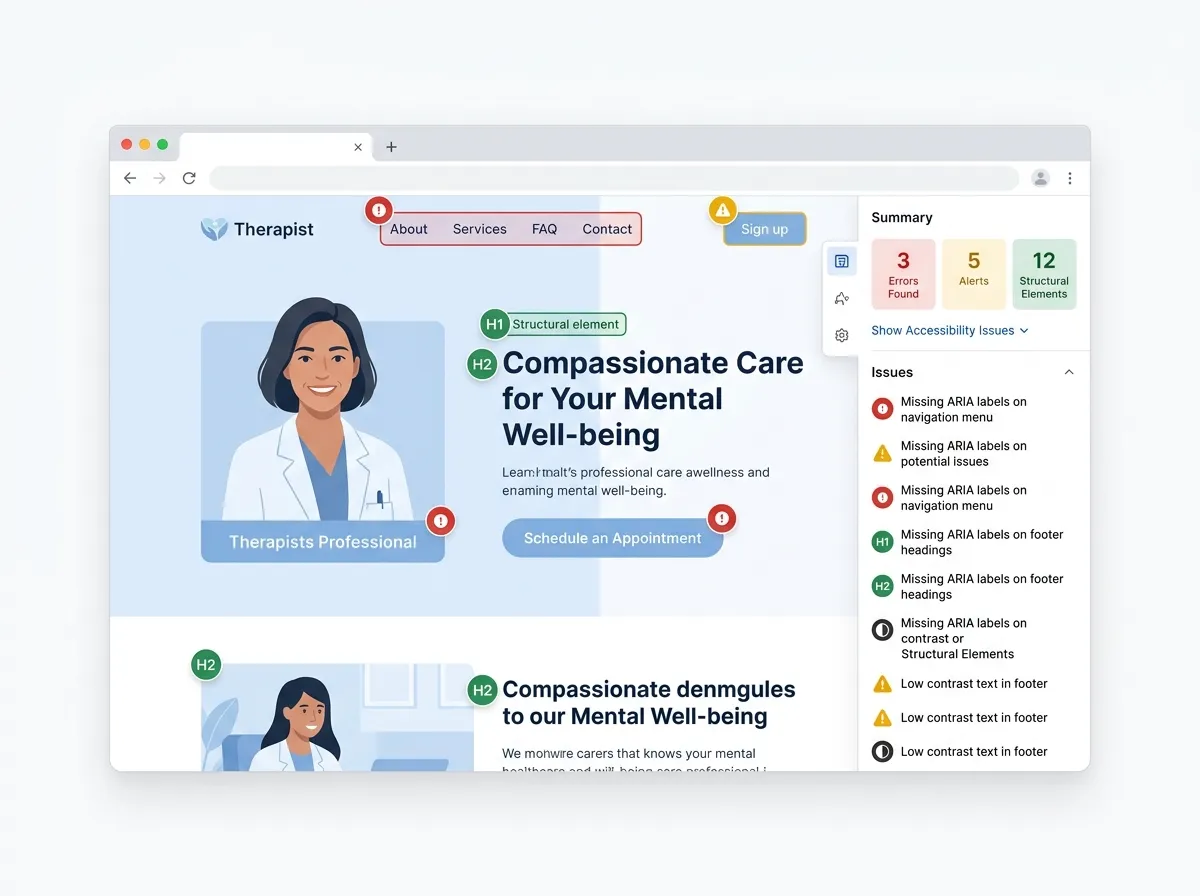
Avoid cluttered layouts, unclear navigation, missing CTAs, and poor mobile performance; prefer a clean, focused design and regular testing.
How can analytics tools contribute to optimizing a therapy website?
Track metrics like page views, bounce rates, and conversion paths to identify what drives bookings and where to iterate.
Conclusion
Optimizing UX on therapy websites increases client engagement and appointment bookings. Intuitive navigation, clear CTAs, and integrated scheduling make booking easier and boost conversions. Consider tailored web design solutions to elevate your practice and convert more visitors into clients.