Custom vs. Directory: Why Own Your Therapist Website
Therapists must decide whether to rely on directory listings or invest in a custom website to attract and convert clients. A custom site gives clinicians control over branding, content, and client interactions—essential for a credible online presence—and supports long-term practice growth better than directory-only approaches.
Control Over Content and Branding
Custom websites let therapists control messaging and visual identity so content aligns precisely with target clients and clinical values, improving engagement and client fit compared with standardised directory profiles.
Custom vs. Directory: Why Own Your Therapist Website

A professionally built website enables targeted SEO through site architecture, keyword-focused pages, and technical optimisation to boost visibility for people searching specific therapeutic services instead of depending on variable directory rankings.
Direct Client Engagement

Custom sites support contact forms, booking systems, and live chat so therapists can respond promptly and reduce friction in the intake process, increasing booked consultations.
Enhanced Credibility
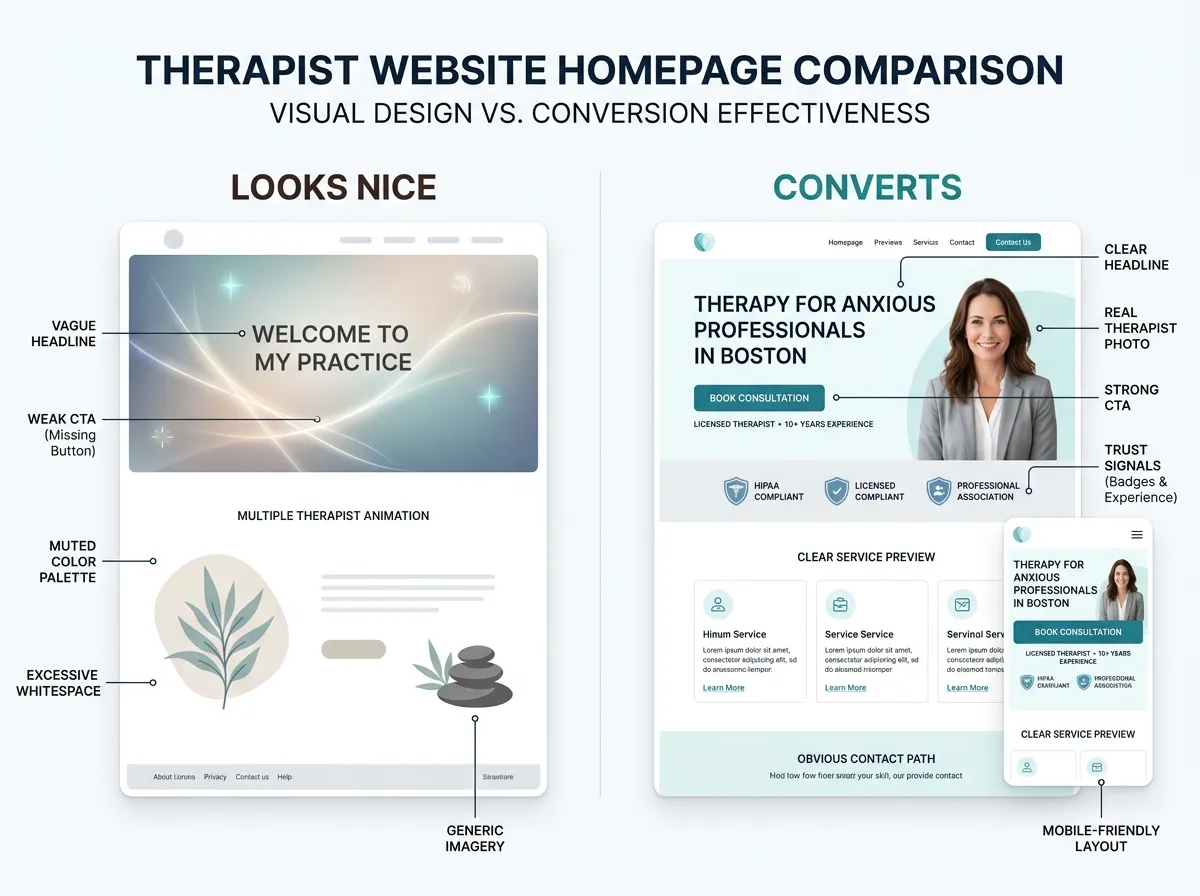
Professional design, clear content, and reliable UX communicate expertise and build trust in ways that generic directory listings usually cannot match.
User Experience
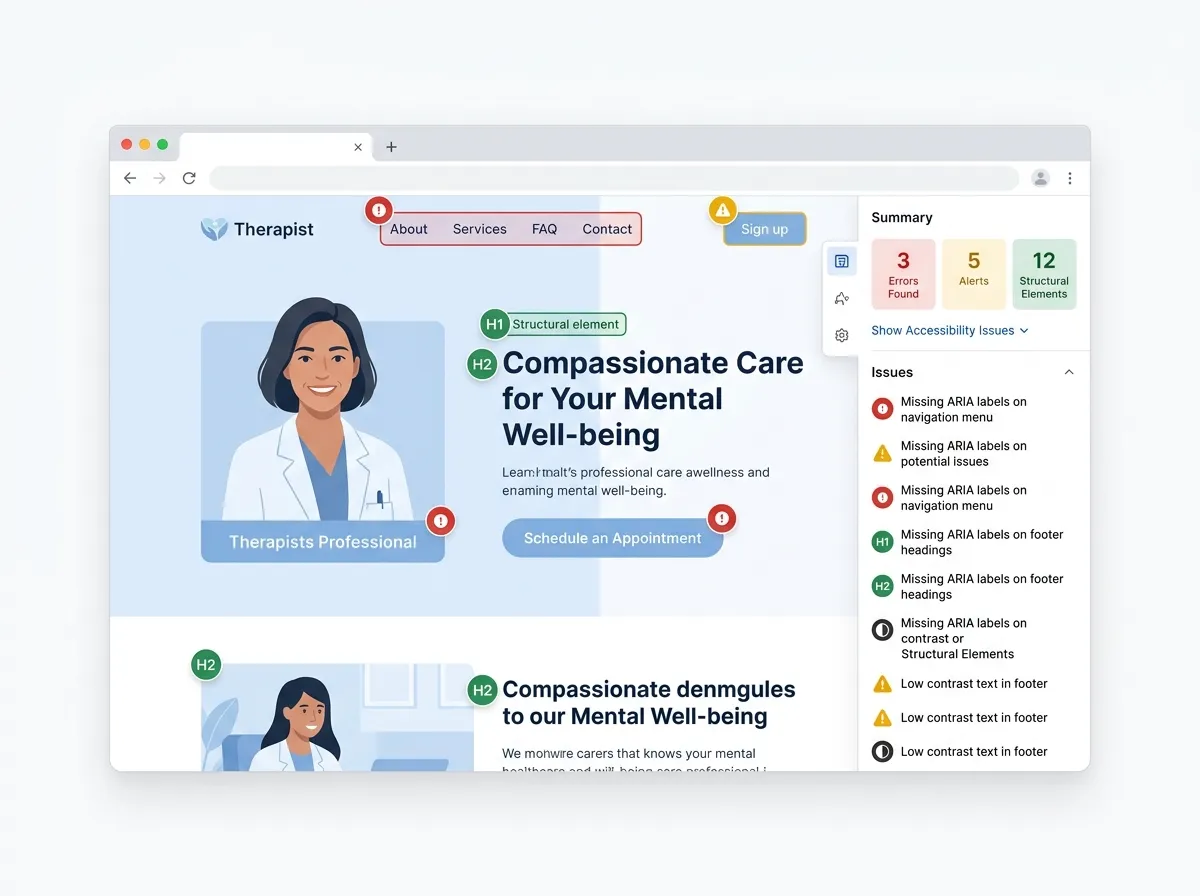
Custom websites provide consistent navigation, clear content hierarchy, and responsive design to help potential clients find information and commit to contact, while directories can be cluttered and inconsistent.
Brand Identity
Distinct branding—logos, colour palettes, and tone—helps therapists differentiate their practice; custom sites support cohesive identity where directory formats do not.
Practice Management
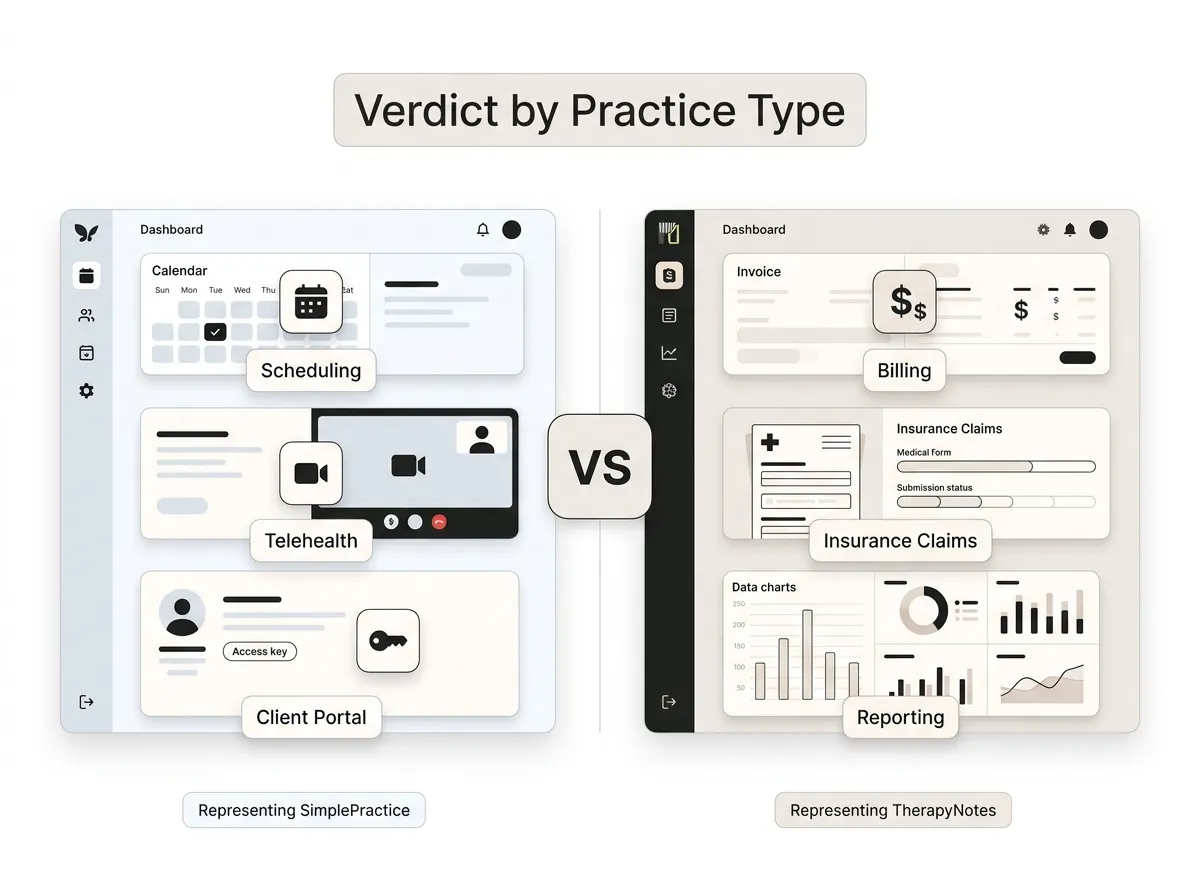
Integrated website features such as online scheduling, payment processing, and client records streamline operations, reducing administrative burden and freeing time for clinical work.
What Are the Key Differences Between Custom Websites and Directory Listings?
Understanding functional and strategic differences helps decide how to represent a private practice online.
Functionality
Custom sites support client portals, resource libraries, and richer interactivity; directories usually offer only basic contact details.
Customization Options
Directory templates limit messaging and visual choices, while bespoke websites permit designs and content structures tailored to a therapist’s approach and goals.
Impact on Branding
Custom websites enable a focused brand strategy that speaks directly to intended clients; directories often produce undifferentiated presentations that obscure a practice’s strengths.
SEO Benefits
Custom sites can be optimised for specialty search terms and site structure, giving better long-term visibility than directory listings with limited optimisation.
How Does Asset Ownership Impact Your Digital Presence?
Owning your website means control over content, design, and strategy, allowing timely updates and consistent marketing that protect brand integrity and support client acquisition.
In What Ways Do Custom Websites Enhance Therapist Branding Compared to Directories?
Custom sites offer ongoing content and consistent communication that build recognition and deeper client relationships, advantages directories cannot replicate.
What Are the Benefits of a Custom Website for Therapists and Wellness Professionals?
Custom websites deliver practical advantages, including:
- Enhanced Client Acquisition: Targeted branding and SEO increase visibility and engagement.
- Greater Online Visibility: Specialized content and optimisation lift search rankings.
- Better Client Management Features: Integrated tools improve efficiency and client interactions.
How Can a Custom Website Improve Client Conversions and Booked Consultations?
Streamlined booking flows, clear calls to action, and informative content reduce friction and build trust, while blogs or newsletters help nurture prospects toward scheduling.
Why Is Full Digital Asset Ownership Crucial for Private Practices?
Full ownership secures control over branding and marketing assets, enabling strategic SEO and consistent outreach that strengthen search performance and long-term stability.
What Are the Limitations and Risks of Relying on Therapist Directory Listings?
Relying only on directories risks loss of control over presentation, limited client interaction, and reduced distinctiveness—issues that can erode trust and lead quality.
How Do Directory Listings Restrict Branding and Content Control?
Directory formats limit messaging and visual identity, making it harder to convey a therapist’s methodology and values accurately.
What Impact Do Directory Listings Have on Lead Generation and Client Trust?
Directory-driven leads can lack depth because of limited storytelling and engagement; content-rich websites typically produce higher-quality leads and stronger credibility.
How Can Therapists Transition from Directory Listings to a Custom Website Successfully?
Transition with a clear plan: migrate client information methodically, inform clients of changes, and phase the shift to avoid service disruption and preserve relationships.
What Steps Are Involved in Acquiring and Managing Your Custom Website?
Key steps include choosing a memorable domain and reliable hosting, selecting a design that reflects your practice and optimises UX, and scheduling regular maintenance for security and performance.
How Does Partnering with a Specialized Web Design Agency Support Private Practice Growth?
A specialised agency can deliver tailored design, client engagement features, and technical SEO improvements that together support growth and improved online visibility.
While trade-offs exist, a custom website with owned digital assets consistently supports visibility, client acquisition, and operational efficiency for private practices.
Frequently Asked Questions
1. How can I choose the right design for my custom website?
Pick a design that reflects your brand and target client needs, prioritising accessibility, mobile responsiveness, and clear information hierarchy. A web designer can help ensure credibility and usability.
2. What are the costs involved in creating a custom website?
Costs depend on scope and features: domain, hosting, bespoke design, and maintenance. Budgets vary from modest to larger investments based on functionality like SEO and client management tools.
3. How long does it typically take to build a custom website?
Timelines range from a few weeks to several months depending on complexity and responsiveness; defining phases and deliverables up front helps keep the project on schedule.
4. What features should I prioritize on my therapist website?
Prioritise clear navigation, contact forms, appointment scheduling, client resources, and persuasive calls to action. Educational content such as articles or FAQs supports credibility and engagement.
5. Can I update my custom website on my own?
Many sites use content management systems that let non-technical users make updates; for larger changes, a brief training or maintenance plan with your developer is useful.
6. How can I improve the SEO of my custom website?
Improve SEO with keyword-targeted content, quality resources, technical optimisation for speed, and mobile responsiveness. Use analytics to monitor and refine your strategy.
7. What should I include in my website content to attract clients?
Include concise service descriptions, therapeutic approaches, practitioner qualifications, testimonials, educational resources, and clear calls to action to build trust and encourage contact.
Conclusion
A custom website gives therapists control over branding, content, and client workflows, improving engagement and search visibility and translating into sustained practice growth and more booked consultations. Consider investing in professional web design aligned with your goals to strengthen online presence and client acquisition.