EHR for Counselors: How to Choose the Right System Without Overwhelm
Choosing an Electronic Health Record (EHR) for a counseling practice need not be confusing. This guide highlights the core features to prioritize, common implementation pitfalls, and practical steps to pick a system that fits clinical workflows, HIPAA requirements, telehealth needs, and everyday usability.
Key Features to Consider

Focus on features that make clinical work simpler, keep data secure, and improve client communication.
These essentials keep an EHR practical and aligned to counseling workflows.
Potential Challenges
Common hurdles include implementation effort, cost variation, and user resistance.
- Complexity of implementation : Expect setup time and staff training needs.
- Cost variability : Compare total costs (licensing, migration, support).
- Resistance to change : Plan training and phased rollouts to increase adoption.
Anticipate these issues and build a realistic timeline and budget.
This aligns with broader research on EHR implementation, which also highlights both the advantages and common hurdles.
EHR Implementation: Benefits, Challenges, and Usability Recommendations
Digital tools such as Hospital Information Systems (HIS), Electronic Patient/Medical Records (EPR/EMR), Electronic Health Records (EHR), and Telehealth have collectively improved data management, clinical decision-making, and communication among healthcare providers, while also increasing accessibility and lowering operational costs. Despite these advancements, challenges remain, including interoperability issues, resistance from users, and privacy concerns. However, there are recommendations to optimize the implementation and usability of these systems, advocating for improved training, interface design
… role of hospital information systems (HIS), electronic patient or medical records (EPR/EMR), electronic health records (EHR), and telehealth in enhancing healthcare …, T Smith-Mitchell, 2025
Effective Decision-Making Strategies
Use a structured process to compare systems and reduce selection risk.
- Assess your needs : List must-have features and workflow gaps.
- Research and compare : Shortlist systems by features, price, and reviews.
- Seek recommendations : Ask peers about real-world experiences.
- Request demos : Test key tasks in guided trials.
- Plan for implementation : Define data migration, training, and go-live support.
A focused checklist helps you judge vendors consistently.
What Are the Essential Features of the Best EHR Software for Therapists?
Top EHRs for therapists balance simple interfaces, compliance, integrations, reporting, and customization.
- User interface : Intuitive screens reduce errors and training time.
- Compliance with regulations : HIPAA controls and audit logs are essential.
- Integration capabilities : Connect to billing, scheduling, and telehealth.
- Reporting tools : Track outcomes and practice metrics.
- Customizable features : Templates and workflows that match your practice.
Prioritize the combination that best supports care and operations.
This emphasis on value and efficiency is echoed in studies examining the implementation of EMR systems in mental health settings.
Implementing & Customizing EMR for Mental Health Facilities
The goal of this project was to implement and customize a fully integrated EMR system in a specialized, recovery-oriented mental health care facility. This evaluation examined the outcomes of quality improvement initiatives driven by the EMR to determine the value that the EMR brought to the organization.
The value of electronic medical record implementation in mental health care: a case study, MI Stuckey, 2017
Which Counseling-Specific Features Enhance Practice Management?
Counseling practices benefit from tools that reduce administrative work and support client care.
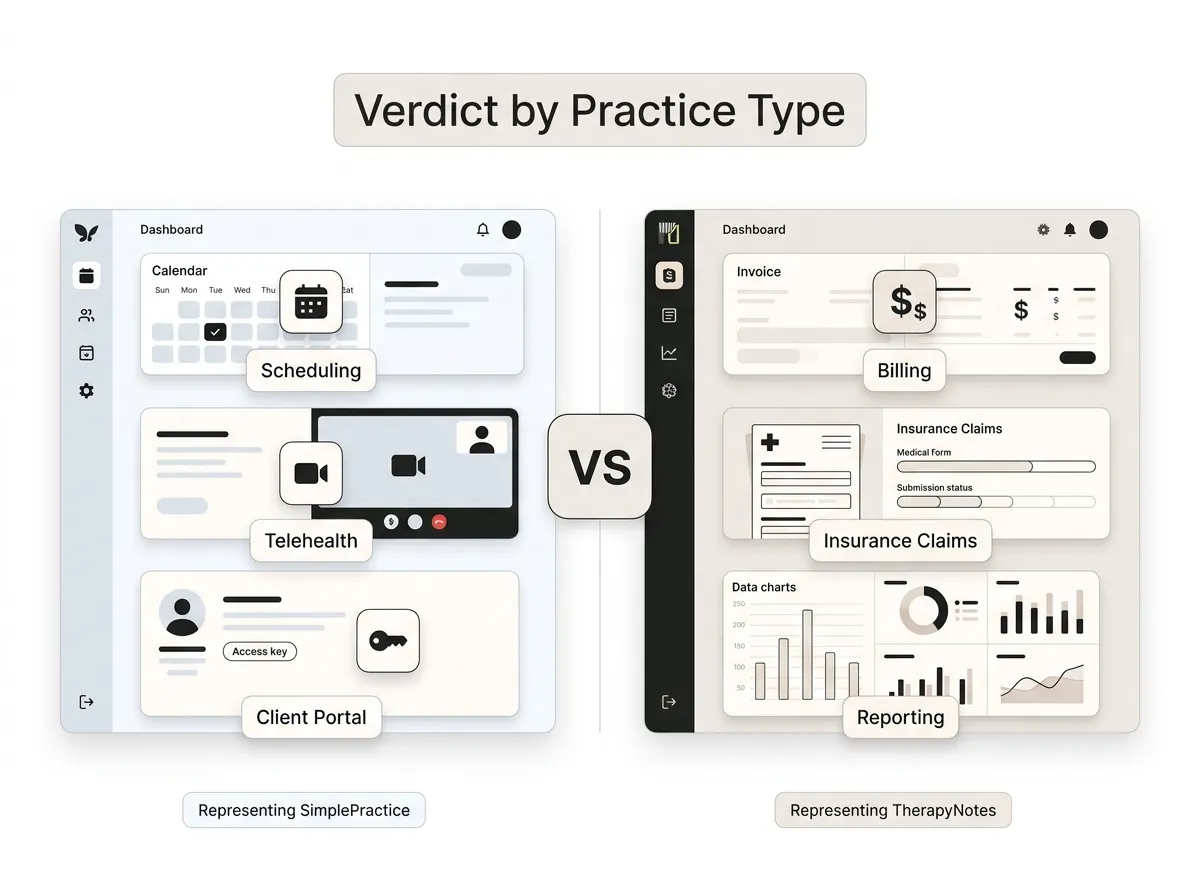
- Scheduling tools : Integrated calendars and reminders.
- Billing software : Claims management and invoicing.
- Patient portals : Secure messaging and form access.
- Clinical documentation tools : Fast templates and treatment planning.
- Telehealth capabilities : Reliable, secure remote session options.
These features reduce friction and improve client experience.
How Do HIPAA Compliance and Data Security Impact EHR Selection?
Security and compliance should be non-negotiable criteria when choosing an EHR.
Look for encryption, role-based access, audit logs, and vendor policies that support HIPAA obligations.
Prioritize vendors with clear documentation of safeguards and breach response plans to protect client trust and avoid penalties.
Essential EHR Software Features for Counseling Practices
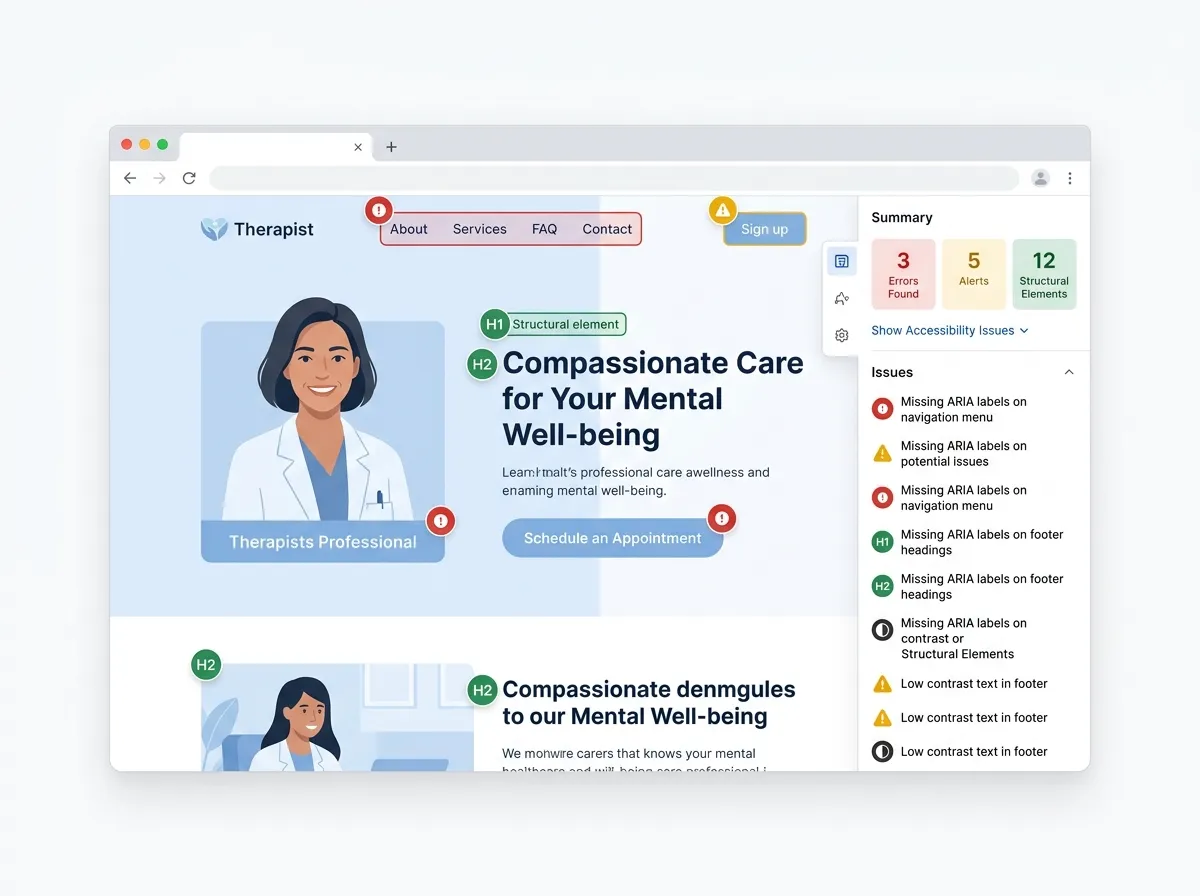
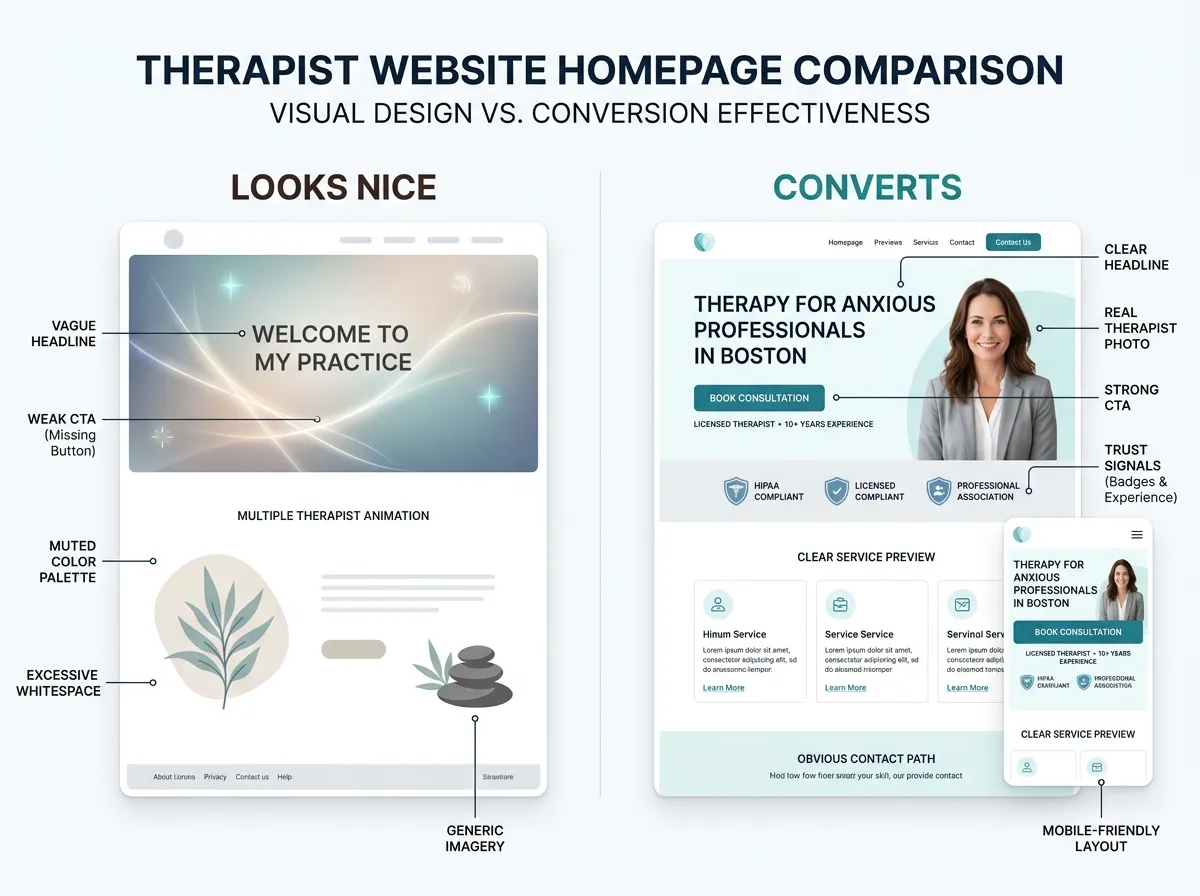
Good interface design improves speed, clarity, and the client experience.
- Intuitive navigation : Reduce clicks to common tasks.
- Emotional design : Calm, welcoming layouts for sensitive settings.
- Readability : Clear typography and spacing.
- Mobile optimization : Reliable access on phones and tablets.
- Streamlined processes : Simplify routine workflows.
Investing in usable interfaces reduces errors and time spent on paperwork.
What Step-by-Step Process Helps Counselors Select the Right EHR Without Overwhelm?
Break the choice into clear steps to stay organized and avoid overload.
- Assess practice needs : Define workflows and must-have features.
- Establish budget : Include setup and ongoing costs.
- Identify essential features : Prioritize what you cannot do without.
- Evaluate usability factors : Test real tasks with staff.
- Research integration capabilities : Confirm compatibility with existing tools.
A checklist and pilot test reduce risk at rollout.
How Can Telehealth Integration Influence EHR Choice for Counseling Practices?
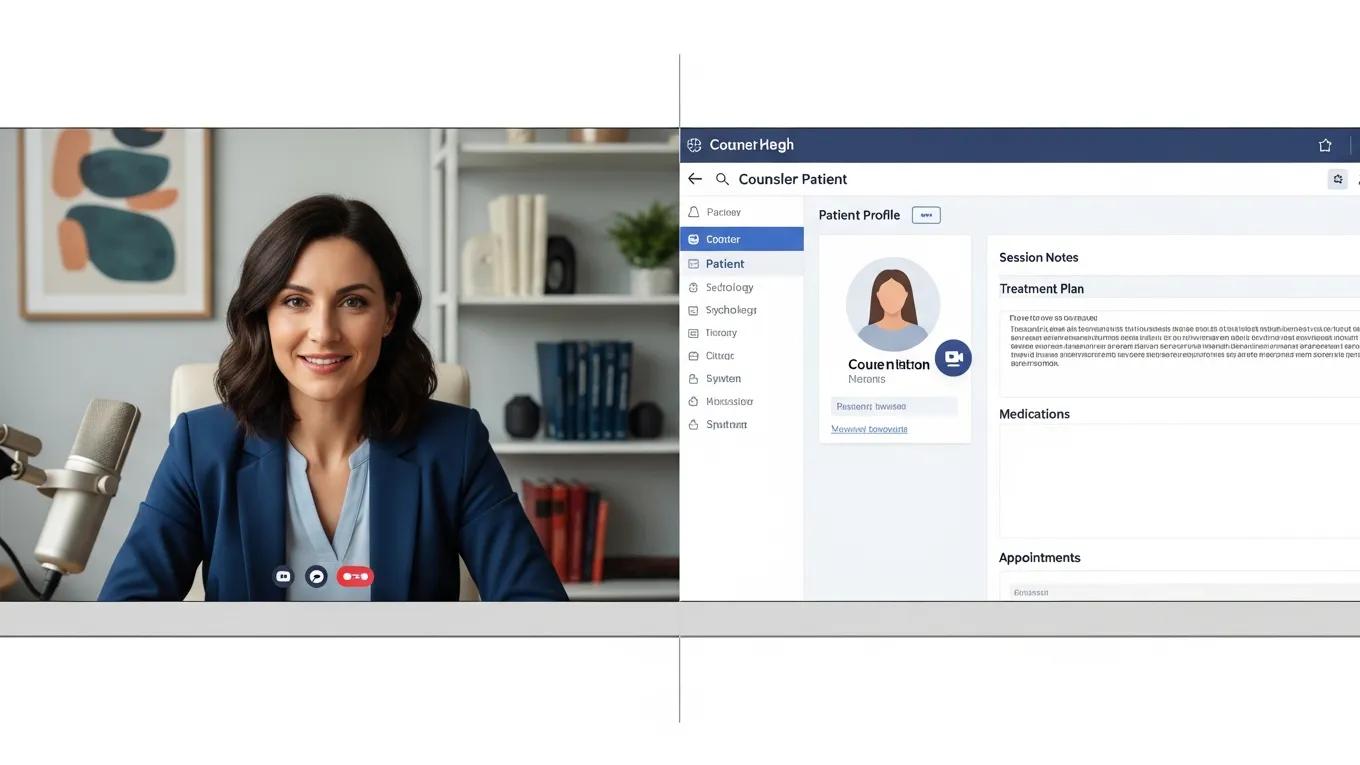
Telehealth is a core feature for many counseling practices; prioritize seamless, secure options.
- Compatibility : Native or tightly integrated video tools.
- User-friendly interface : Simple flows for remote sessions.
- Telehealth features : Secure messaging, waiting rooms, and recording controls where allowed.
- Data security : End-to-end protections for sessions and messages.
Strong telehealth support expands access and continuity of care.
Why Are Data Security and Compliance Critical When Choosing Mental Health EHR Systems?
Data breaches and non-compliance have serious ethical and financial consequences.
- Data breaches : Risk to sensitive client information.
- Loss of trust : Breaches damage therapeutic relationships.
- Legal penalties : Non-compliance can trigger fines and sanctions.
Choose systems with proven security controls and clear compliance practices.
How Do Secure Patient Record Systems Protect Counselor and Client Information?
Secure systems combine technical and administrative safeguards to protect data.
- Encryption : Protects data in transit and at rest.
- Access controls : Limit who can view or edit records.
- Audit trails : Track access and changes for accountability.
These protections help maintain privacy and legal compliance.
Frequently Asked Questions
What should I consider when transitioning from one EHR system to another?
Plan data migration, train staff, and pilot the new system before full rollout to minimize disruption.
How can I ensure my EHR system is user-friendly for my staff and clients?
Involve staff in demos, test key tasks, and confirm vendor training and support options.
What are the costs associated with implementing an EHR system?
Budget for software, migration, training, and recurring fees; request full pricing details up front.
How can I evaluate the customer support of an EHR vendor?
Review testimonials, ask about response times, and confirm available training resources.
What role does data interoperability play in EHR selection?
Ensure the EHR uses standards and connectors so it can exchange data with billing, scheduling, and other tools.
How can I assess the long-term viability of an EHR vendor?
Check the vendor’s healthcare track record, update cadence, and user feedback to judge stability and support.
Conclusion
Selecting the right EHR comes down to matching your practice needs with systems that are secure, usable, and well supported. Prioritize HIPAA compliance, telehealth, and a user-friendly design, use a structured selection process, and plan implementation carefully to reduce overwhelm and ensure a smooth transition.