Strategic Blogging: Attracting Ideal Clients Through SEO
Therapists and wellness practitioners must differentiate their practices online to attract appropriate clients. Blogging improves visibility, demonstrates clinical expertise, and generates qualified inquiries. This article outlines practical approaches for audience engagement, SEO optimisation, and content production to help convert readers into booked consultations.
Strategic Blogging: Attracting Ideal Clients Through SEO


To build a blog that drives client growth, prioritise targeted audience engagement, SEO, and purposeful content. Effective audience engagement fosters trust and guides prospects toward consultation, while SEO optimisation increases discoverability and brings higher-intent traffic. Consistent, clinically grounded posts establish authority and encourage contact.
Audience Engagement
Engagement converts readers into clients by establishing rapport and credibility. Use clinically informed, relevant content and clear calls to action to prompt next steps.
- Educational Blog Posts: Explain common issues and coping strategies in accessible language.
- Interactive Content: Add quizzes or polls to increase active engagement and feedback.
- Video Content: Use short videos to introduce techniques and show the therapist’s approach.
These tactics position clinicians as approachable experts and create straightforward pathways for inquiries.
SEO Optimization
SEO increases visibility and attracts relevant clients. Prioritise targeted research and on-page best practices to help the right people find your services.
- Keyword Research: Identify terms like “therapist blogging” and “content marketing for therapists” that match client intent.
- On-Page SEO: Use keywords naturally in titles, headers, and copy for readability and relevance.
- Local SEO: Include geographic modifiers and claim local listings to reach nearby clients.
Applied consistently, these methods improve rankings and drive qualified traffic that converts to appointments.
Content Creation
Align topics with client needs and your clinical specialisms. Prioritise clarity, usefulness, and consistent publishing.
- Content Calendar: Plan a steady schedule for timely, relevant posts.
- Quality Over Quantity: Focus on posts that answer real client questions.
- Regular Updates: Refresh older posts with current guidance and resources.
These practices build a searchable resource that attracts ideal clients and supports growth.
How Does Blogging Boost Therapist Client Engagement and Practice Growth?
Blogging showcases expertise and addresses common concerns, reducing friction in the decision process and increasing consultation requests. Well-distributed content extends reach across search and social channels, shortening the path from discovery to contact. Mastery of SEO optimisation for therapists is integral to this effect.
What Are the Key Benefits of Blogging for Therapists and Wellness Professionals?
Blogging supports practice objectives by:
- Building Authority and Trust: Sharing expertise through clear, accurate content positions therapists as professionals.
- Increasing Online Visibility: Regular posts help search rankings and discovery.
- Enhancing Client Engagement: Helpful content encourages interaction and inquiries.
Together, these outcomes strengthen reputation and maintain an inquiry pipeline.
How Does Content Marketing Drive Client Acquisition Through Therapy Blogs?
Content marketing attracts clients by answering search intent and moving readers toward contact through clear messaging and distribution.
- Content Creation: Produce informative posts that address client concerns and demonstrate competence.
- Content Distribution: Share posts via social media and email to broaden reach.
- Engagement Strategies: Invite questions and comments to build dialogue that can lead to inquiries.
Coordinated creation and distribution increase visibility and conversion for therapy practices.
What Are Effective Blogging Strategies and Content Ideas for Therapy and Wellness Blogs?
Prioritise formats and topics that meet client needs while supporting SEO. Choose themes that reflect your specialisms and common client queries.
- Topic Selection: Cover practical issues like anxiety coping strategies and mindfulness.
- Audience Engagement Techniques: Encourage comments and shares to boost visibility and connection.
- SEO Optimization Methods: Use consistent, relevant keywords tied to therapy and mental health.
These approaches create a balanced content mix that attracts and retains ideal clients.
Which Therapy Blog Topics Best Attract and Retain Ideal Clients?
Focus on clear, applicable topics that provide immediate value and encourage return visits.
- Common Mental Health Issues: Topics such as depression, anxiety, and stress management reach a broad audience.
- Self-Care Tips: Offer actionable strategies clients can try between sessions.
- Coping Strategies: Share practical techniques for navigating life challenges.
Consistent coverage of these areas builds trust and repeat engagement.
How to Structure Therapy Blog Posts for Improved SEO and Readability?
Good structure improves readability and search performance: use clear headings, concise paragraphs, and semantic markup.
- Keyword Optimization: Place keywords naturally to match user intent without forcing phrasing.
- On-Page SEO Strategies: Use headings and bullets to break up text and aid scanning.
- Quality Content: Keep content accurate, well-researched, and in the therapist’s voice.
These practices enhance user experience, increase time on page, and support rankings.
Why Is Professional Web Design Critical for Therapist Websites and SEO Success?
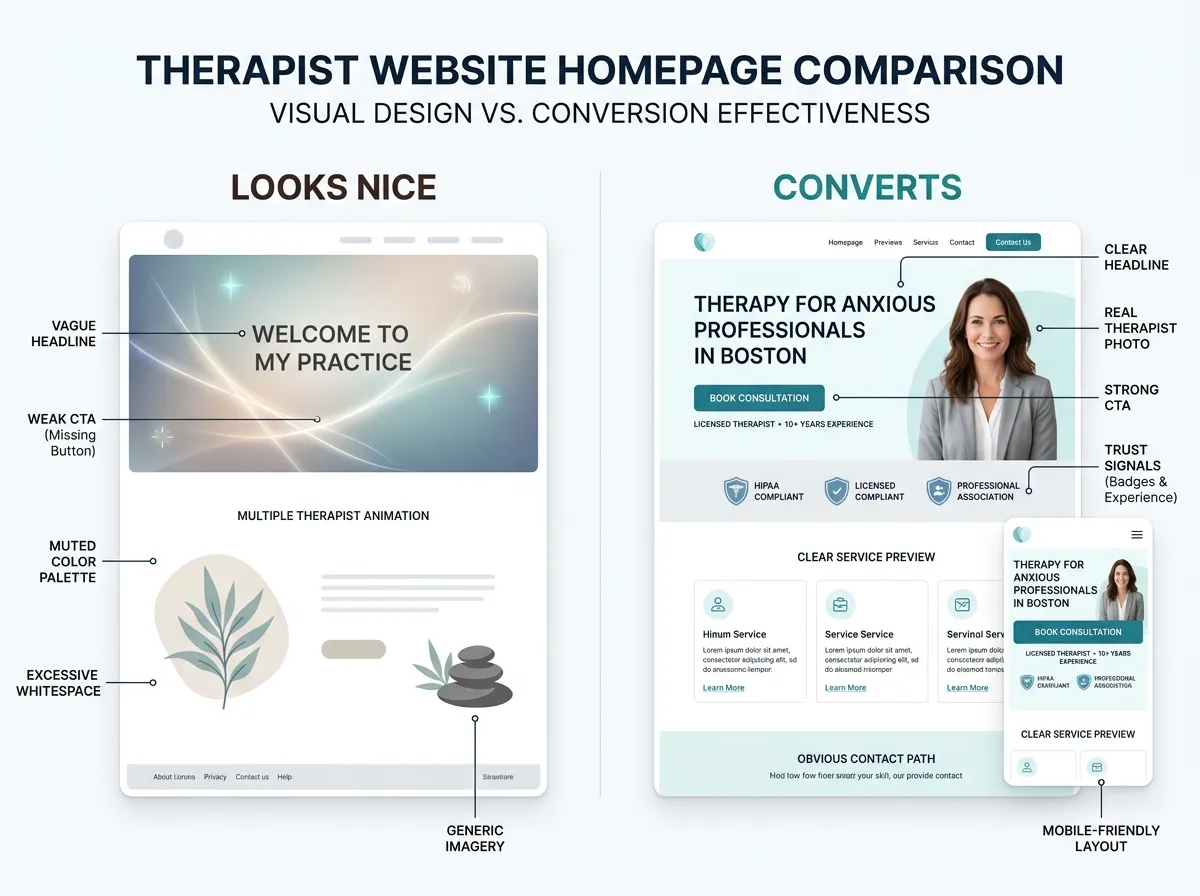
Professional design improves usability, credibility, and search performance, shaping how prospective clients perceive your practice.
- User Experience: A clear site encourages exploration and contact.
- Visual Appeal: Positive first impressions build trust with potential clients.
- SEO Optimization: Fast, mobile-friendly sites with good structure rank better.
User-centred design reduces friction in booking and supports higher conversion rates.
How Does Conversion Architecture Enhance Client Booking Through Therapist Websites?
Conversion architecture arranges site elements to guide visitors toward actions like scheduling an appointment, reducing friction and improving bookings.
- Clear Calls to Action: Use prominent, direct buttons and links to booking options.
- Online Booking Systems: Integrate simple booking flows to increase completion.
- Trust-Building Content: Add testimonials and credentials to reassure visitors.
Conversion-focused design yields measurable increases in bookings.
What SEO Factors Should Be Considered When Designing Therapy Websites?
Design with SEO in mind to ensure long-term visibility: combine technical and content-level optimisation from the start.
- User Experience: Make navigation to key pages and contact info obvious.
- Trust and Credibility: Display credentials and testimonials prominently.
- SEO Best Practices: Prioritise fast loading, structured data, and clear site maps.
Addressing these factors early reduces rework and supports sustainable growth.
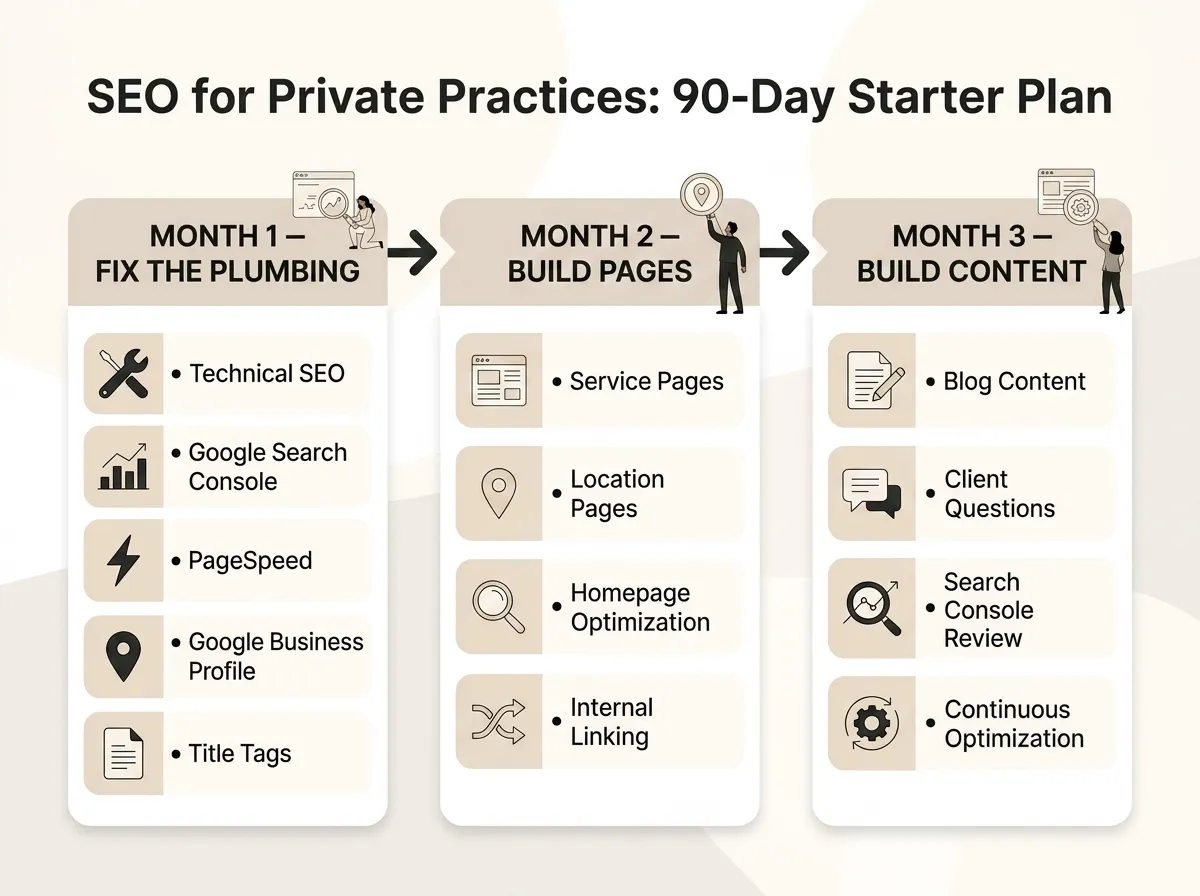
What Are Essential SEO Tips for Therapy Blogs to Reach Page One Rankings?
Reaching page one requires consistent SEO that satisfies user intent and demonstrates authority, with local signals where relevant.
- Keyword Optimization: Research and use keywords clients actually search for.
- Effective Content Practices: Update content regularly and keep a consistent posting schedule.
- Local SEO Strategies: Add geographic terms and claim local listings to attract nearby clients.
These steps increase the chances of ranking for queries that drive bookings.
How To Optimize Therapy Blog Content Using Semantic Keywords and Structured Data?
Use semantic keywords and structured data so search engines interpret context and surface content to suitable searchers.
- Keyword Research: Identify related, intent-driven terms and weave them naturally into content.
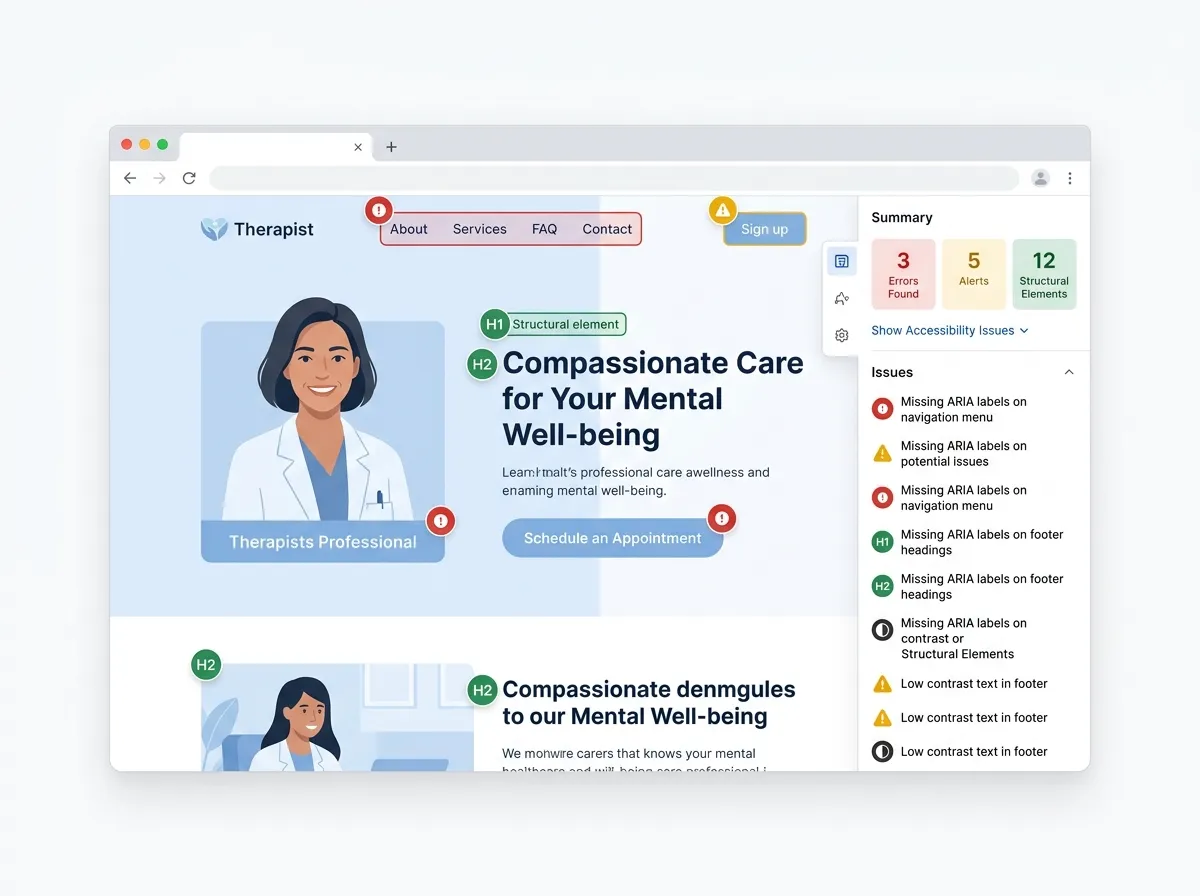
- On-Page SEO Optimization: Use descriptive headers and alt text for accessibility and indexing.
- Structured Data Implementation: Add schema where appropriate to improve search presentation.
These techniques improve visibility and click-through rates.
Which Technical SEO Elements Improve Visibility for Therapist Blogs?
Technical SEO supports content performance: focus on speed, mobile compatibility, and clear architecture to help crawlers and users.
- Website Speed and Mobile Optimization: Fast, mobile-friendly pages retain visitors and rank better.
- Crawlability and Indexing: Use clear site structure and sitemaps to aid indexing.
- On-Page SEO: Internal links and consistent structure support rankings.
Optimising these elements improves user experience and search visibility.
Frequently Asked Questions
1. How can therapists measure the success of their blogging efforts?
Track organic traffic, time on page, engagement, and conversion rate from blog to bookings using tools like Google Analytics; attribute inquiries to specific posts where possible.
2. What types of content should therapists avoid in their blogs?
Avoid content that risks confidentiality, makes unsupported clinical claims, or includes identifiable client details. Keep tone professional and evidence-based.
3. How often should therapists post new content on their blogs?
Prioritise consistency and quality—one substantive post per month is a practical baseline; increase frequency only if quality is maintained.
4. Can social media enhance the effectiveness of therapist blogging?
Yes. Social media extends reach and can drive targeted traffic when posts are adapted to each platform and link back to full articles.
5. What are some best practices for writing compelling blog titles?
Use clear, concise titles that state the post’s value and include relevant keywords—questions and how-to formats often perform well.
6. How can therapists ensure their blog is accessible to all audiences?
Use plain language, short paragraphs, descriptive headings, alt text for images, and transcripts for multimedia; ensure mobile responsiveness and readable typography.
7. What are potential legal considerations when blogging as a therapist?
Protect client confidentiality, use disclaimers to clarify informational intent, and follow licensing and ethical guidelines; consult legal advice if unsure.
Conclusion
Strategic blogging and SEO strengthen a therapist’s online presence, build authority, and generate measurable inquiries. Focus on targeted topics, solid site architecture, and conversion-oriented design to turn readers into bookings and support sustainable practice growth.