As the landscape of healthcare continues to evolve, therapists are increasingly reliant on Electronic Health Record (EHR) systems to streamline their practices. In 2026, the best EHR solutions for private practice will not only enhance operational efficiency but also improve patient care through advanced features. This guide will explore the essential features of EHR systems, compare affordable options, and highlight how professional web design can facilitate EHR adoption. By understanding these elements, therapists can make informed decisions that align with their practice needs and patient expectations.
In this article, we will cover the essential features of EHR systems, the most affordable solutions for small practices, the impact of web design on EHR adoption, top-rated EHR software options, and integration strategies for seamless operations. By the end, you will have a comprehensive understanding of the best EHR systems available for therapists in 2026, including a detailed therapist EHR comparison 2026 to help you select the ideal private practice software and discover the top EHR for mental health.
What Are the Essential Features of EHR Systems for Therapists in 2026?
EHR systems for therapists in 2026 must incorporate several essential features to ensure they meet the unique needs of mental health professionals. These features include robust data security measures, user-friendly interfaces, and telehealth capabilities. By prioritizing these elements, therapists can enhance their practice’s efficiency and improve patient engagement.
Research further emphasizes the distinct requirements for behavioral health EMRs, highlighting the need for systems that support integrated care and scalability beyond traditional medical records.
Next-Gen Behavioral Health EMRs: Integrated Care & Scalability
There is a growing demand among behavioral health providers to have digital infrastructure, which promotes the elements of integrated care, data interoperability, and scalable service provision. Conventional Electronic Medical Record (EMR) systems were developed to address acute and episodic medical events instead of longitudinal, in-depth behavioral health processes, which would encompass psychotherapy, psychiatry, case management, telehealth, pharmacotherapy, as well as Integrated Social Services.
Scalable Architecture for Next-Gen Behavioral Health EMRs, D Jagarlamudi, 2025
How Do HIPAA-aware and Data Security Impact Therapist EHR Software?
HIPAA compliance is crucial for EHR software, as it ensures the protection of sensitive patient information. EHR systems must implement data encryption to safeguard information during transmission and storage, preventing unauthorized access. Additionally, strict access controls are necessary to limit who can view or modify patient records. Audit trails are another essential feature, as they track user activity and ensure accountability within the system. These compliance measures not only protect patient data but also build trust between therapists and their clients.
Further research underscores the importance of robust infrastructure, with cloud computing emerging as a key solution for secure and scalable EHR management.
Cloud Architecture for Secure, Scalable EHR Management
The management of Electronic Health Records (EHR) is a critical component of modern healthcare systems, with cloud computing offering an efficient solution for storing and processing vast amounts of health data. This paper presents an optimized cloud-based architecture for secure and scalable EHR management.
Optimized cloud architectures for secure and scalable electronic health records (EHR) management, K Srinivasan, 2019
What Telehealth Integration Capabilities Should Therapists Expect?
Telehealth integration is increasingly important for therapists, especially in a post-pandemic world. EHR systems should offer video conferencing capabilities, allowing therapists to conduct remote sessions seamlessly. Appointment scheduling features are also vital, enabling clients to book sessions easily. Furthermore, patient engagement tools, such as secure messaging and reminders, enhance communication and foster a stronger therapist-client relationship.
Which Affordable EHR Solutions Best Support Small Private Practices?

For small private practices, affordability is a key consideration when selecting an EHR system. Several cost-effective options provide essential features without breaking the bank. Understanding the pricing models and benefits of scalable EHR systems can help therapists choose the right solution for their growing practices.
How Do Pricing Models Compare Among Leading Mental Health EHR Software?
When comparing EHR software, it’s essential to consider the different pricing models available. Many leading mental health EHR solutions offer monthly subscription costs, while others may have one-time fees. Therapists should also be aware of potential hidden costs, such as additional fees for telehealth services or data storage. By evaluating these factors, therapists can select an EHR system that fits their budget and practice needs.
What Are the Benefits of Scalable EHR Systems for Growing Therapy Practices?
Scalable EHR systems provide significant advantages for growing therapy practices. These systems can adapt to the changing size of a practice, allowing for feature expansion as needed. This adaptability ensures that therapists do not outgrow their EHR solution as their client base increases. Additionally, scalable systems often offer cost efficiency, as therapists can pay for only the features they need at any given time.
How Does Professional Web Design Enhance EHR Adoption in Therapist Practices?

The design of a therapist’s website plays a crucial role in the successful adoption of EHR systems. A well-designed website can improve user experience, increase client engagement, and establish trust and credibility. By focusing on these aspects, therapists can facilitate a smoother transition to using EHR software in their practices.
In What Ways Does Clinical UX Improve Patient Navigation and Engagement?
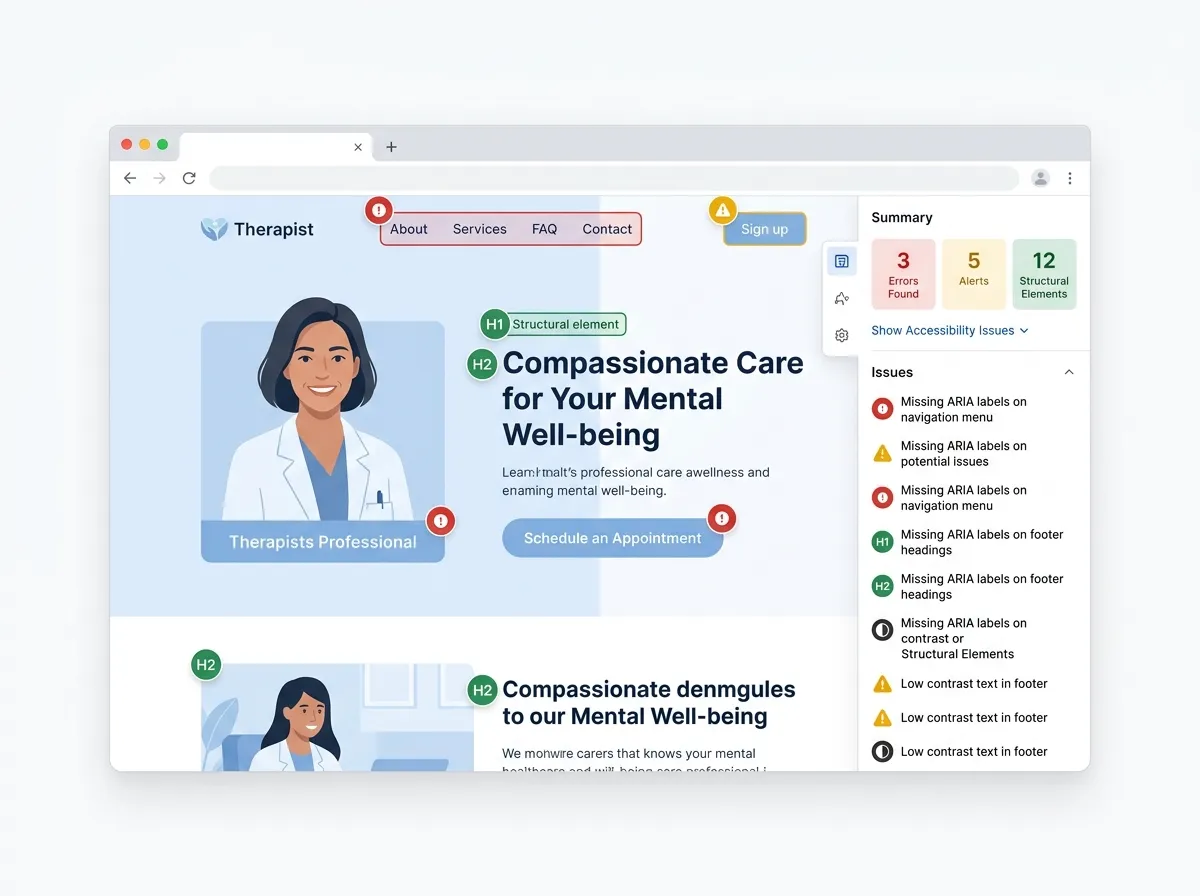
Clinical user experience (UX) is vital for patient navigation and engagement. An intuitive website design allows clients to find information quickly and easily, reducing frustration and enhancing satisfaction. Emotional design elements, such as calming colors and clear typography, can also create a welcoming atmosphere. Furthermore, accessibility features ensure that all clients, including those with disabilities, can navigate the site effectively.
How Can Conversion Architecture Drive More Booked Consultations?
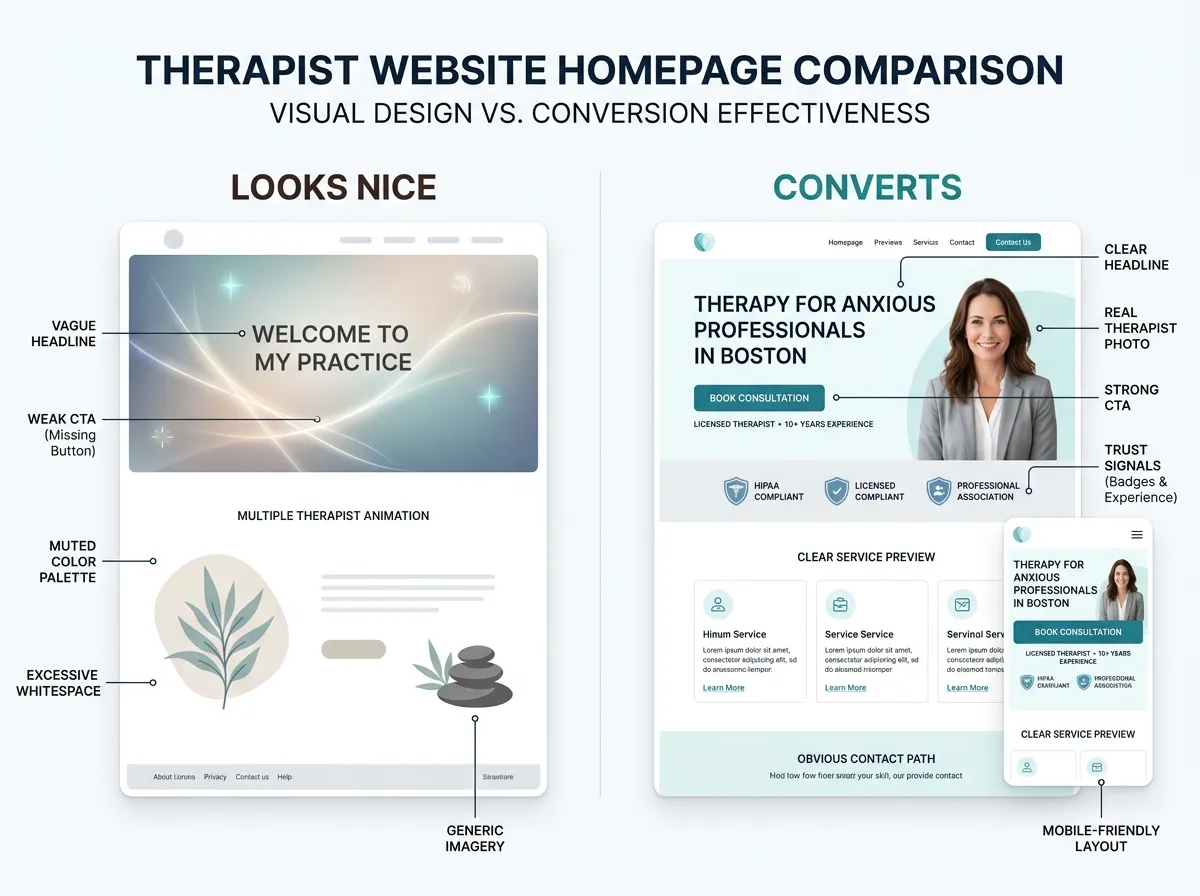
Effective web design incorporates conversion architecture, which can significantly increase booked consultations. User-friendly navigation and clear calls to action guide potential clients toward scheduling appointments. Trust-building content, such as testimonials and professional credentials, can further encourage clients to take the next step in their mental health journey. By optimizing their websites for conversions, therapists can enhance their practice’s growth and client acquisition.
What Are the Top-Rated EHR Software Options for Therapists in 2026?
In 2026, several EHR software options stand out for their features and usability. Therapists should consider the specific needs of their practice when evaluating these systems. Comparing user ratings and cost analysis can help identify the best fit for individual practices. This section provides a detailed therapist EHR comparison 2026 to highlight the top EHR for mental health and the best private practice software available.
How Do TherapyNotes, SimplePractice, and TheraNest Compare in Features and Usability?
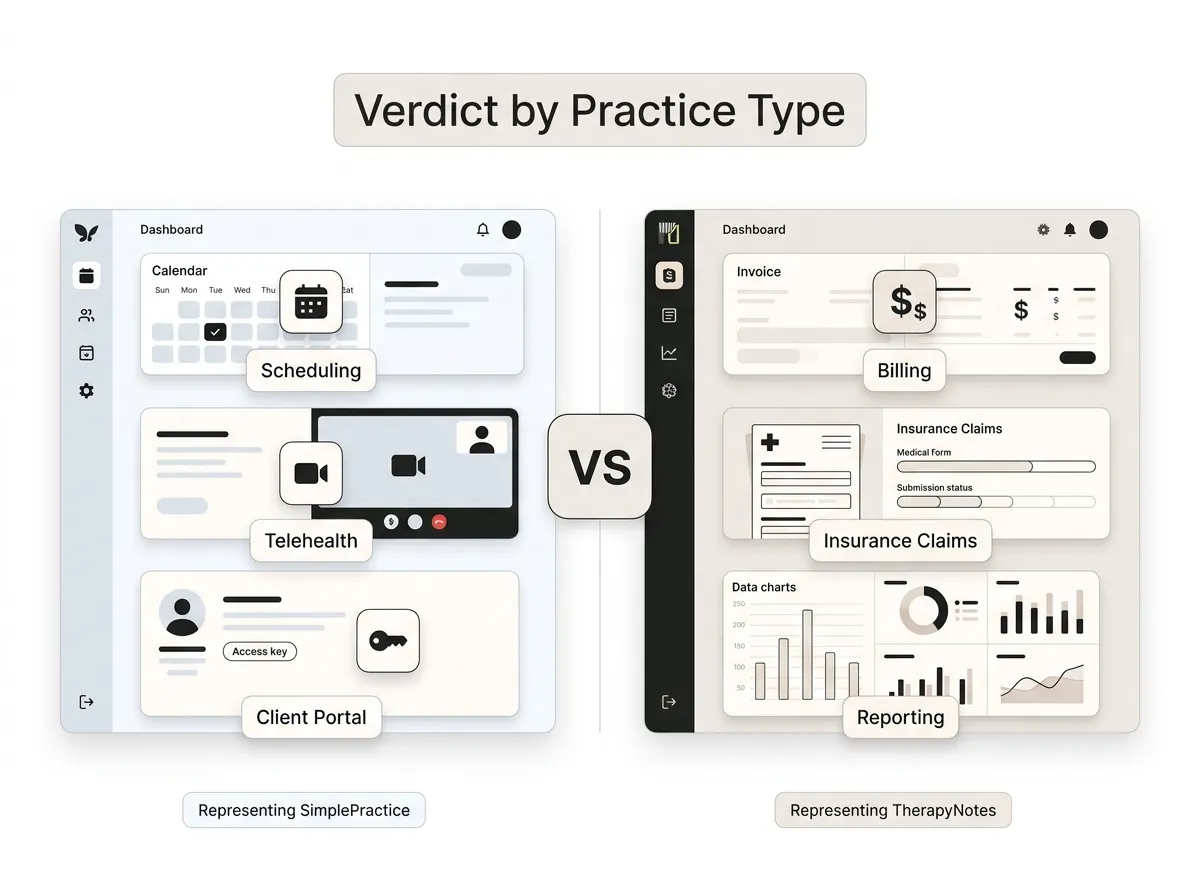
When comparing SimplePractice, TherapyNotes, and TheraNest, therapists should evaluate their feature sets and user experiences. Each platform offers unique functionalities, such as billing, scheduling, and telehealth integration. User reviews often highlight the ease of use and customer support provided by these systems, which can be critical factors in the decision-making process.
What User Reviews and Case Studies Reveal About EHR Effectiveness?
User reviews and case studies provide valuable insights into the effectiveness of EHR systems. Common feedback includes the importance of customer support and the ease of navigating the software. Success stories from other therapists can also illustrate how specific EHR solutions have improved practice efficiency and patient care. By examining these reviews, therapists can make informed choices about the EHR systems that best meet their needs.
How Can Therapists Ensure Seamless Integration Between EHR and Practice Management Software?
Seamless integration between EHR and practice management software is essential for efficient operations. Therapists should prioritize systems that offer robust integration capabilities, ensuring that data flows smoothly between platforms. This integration can enhance overall practice efficiency and improve patient care.
What Integration Capabilities Are Critical for Efficient Practice Operations?
Critical integration capabilities include real-time data exchange, which allows for up-to-date patient information across systems. Patient portal integration is also vital, as it enables clients to access their records and communicate with their therapists easily. Scalability is another important feature, ensuring that the integration can grow alongside the practice.
How Does Structured Data and Semantic SEO Support EHR Software Visibility?
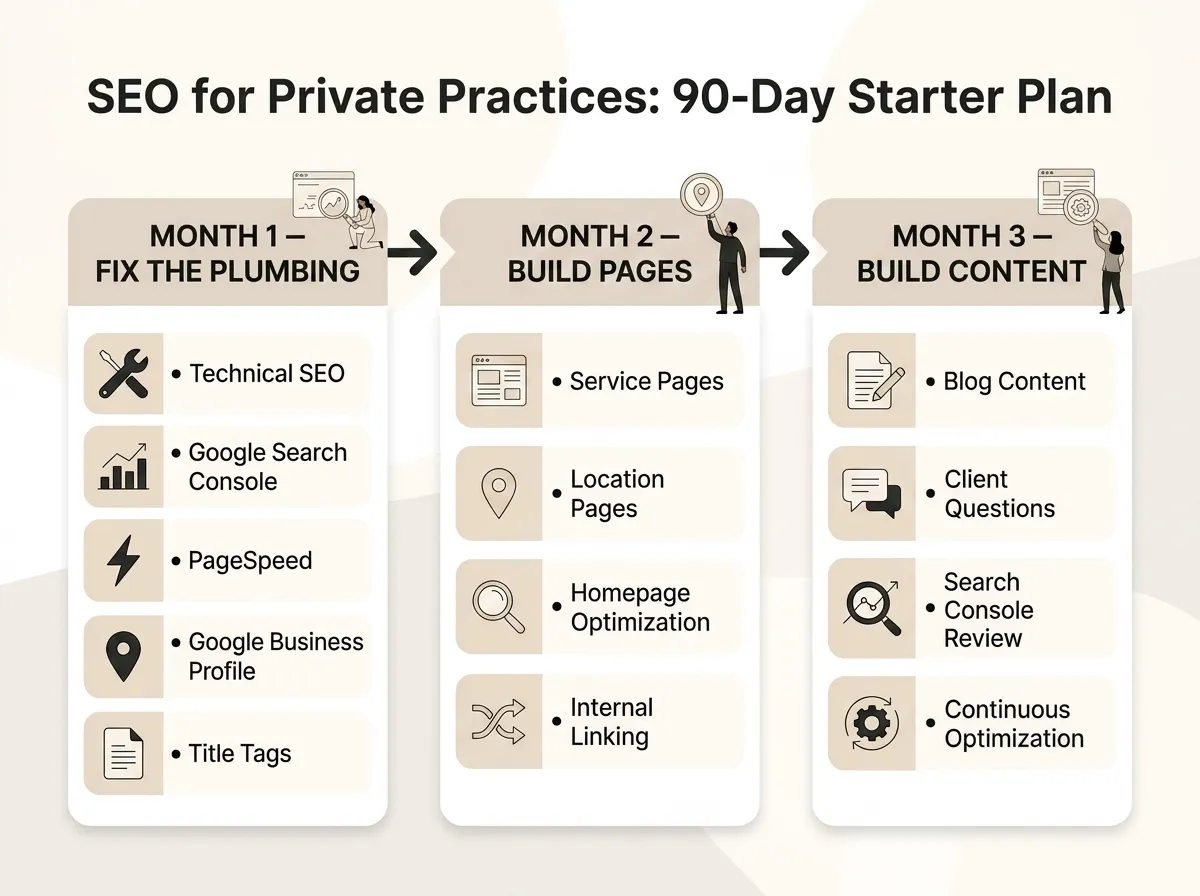
Structured data and semantic SEO play a significant role in enhancing the visibility of EHR software. By implementing schema markup, EHR providers can improve their search rankings and make their offerings more discoverable to potential users. Effective implementation of these strategies can lead to increased traffic and higher conversion rates for EHR solutions.
What Are Common Questions Therapists Have About EHR Software?
Therapists often have several questions when considering EHR software for their practices. Addressing these common concerns can help clarify the decision-making process and ensure that therapists choose the right system for their needs.
What Should Therapists Look for When Choosing an EHR System?
When selecting an EHR system, therapists should prioritize a user-friendly interface, HIPAA compliance, and cost-effectiveness. These factors are essential for ensuring that the software meets both regulatory requirements and the practical needs of the practice. Additionally, therapists should consider the availability of customer support and training resources.
How Much Does EHR Software Typically Cost for Private Practices?
The cost of EHR software for private practices can vary significantly based on the features offered and the pricing model. Therapists should expect to see average pricing ranges that reflect the complexity and capabilities of the software. Factors influencing costs may include the number of users, additional features, and ongoing support services. By understanding these pricing models, therapists can make informed decisions that align with their budget and practice goals.