Why Therapy Directories Are Rented Land
Why Directory Dependence Limits Your Private Practice Growth
In the competitive landscape of therapy marketing, understanding the metaphor of “rented land” is crucial for therapists aiming to build sustainable practices. Therapy directories are often seen as a quick way to connect with potential clients, but this reliance can hinder long-term growth. This article examines why therapy directories are considered transient marketing solutions, the disadvantages they present compared to personal websites, and strategies for therapists to establish independent, enduring practices. Furthermore, it will delve into alternative online therapy platforms and offer concrete steps for developing effective personal websites. Readers will gain insights into current trends and discover how to enhance their marketing independence while navigating the complexities of directory dependency.
What Does ‘Rented Land’ Mean in Therapy Directories Marketing?
The term “rented land” in therapy marketing refers to the concept that therapists utilizing therapy directories are, in essence, borrowing space on a platform they do not control. This dependency limits their ability to cultivate a distinct online presence and retain the clients they attract through these directories. Therapists rent visibility rather than owning it, putting them at mercy of the directory’s changing algorithms or policies.
How Do Therapy Directories Function as Rented Digital Real Estate?
Therapy directories operate by providing therapists with listings on platforms that aggregate healthcare providers for potential clients. These directories often function through subscription models or pay-per-lead systems, where therapists spend money to be featured prominently. This model provides accessibility for clients seeking services but often limits therapists’ control over their branding and relationships with clients. The financial commitments involved can be significant, as practitioners must budget for ongoing fees while also investing in their independent marketing efforts.
What Are the Risks of Marketing Dependency on Therapy Directories?
Over-dependence on therapy directories poses several risks for practitioners. Firstly, therapists may experience a loss of control over direct client interactions, making it difficult to build lasting relationships. Additionally, subscription fees can add up, leading to financial strain, especially for new practitioners. Depending solely on these platforms limits therapists’ brand exposure, as their visibility is tied to the directory rather than their unique offerings.
What Are the Disadvantages of Therapy Directories Compared to Personal Websites?
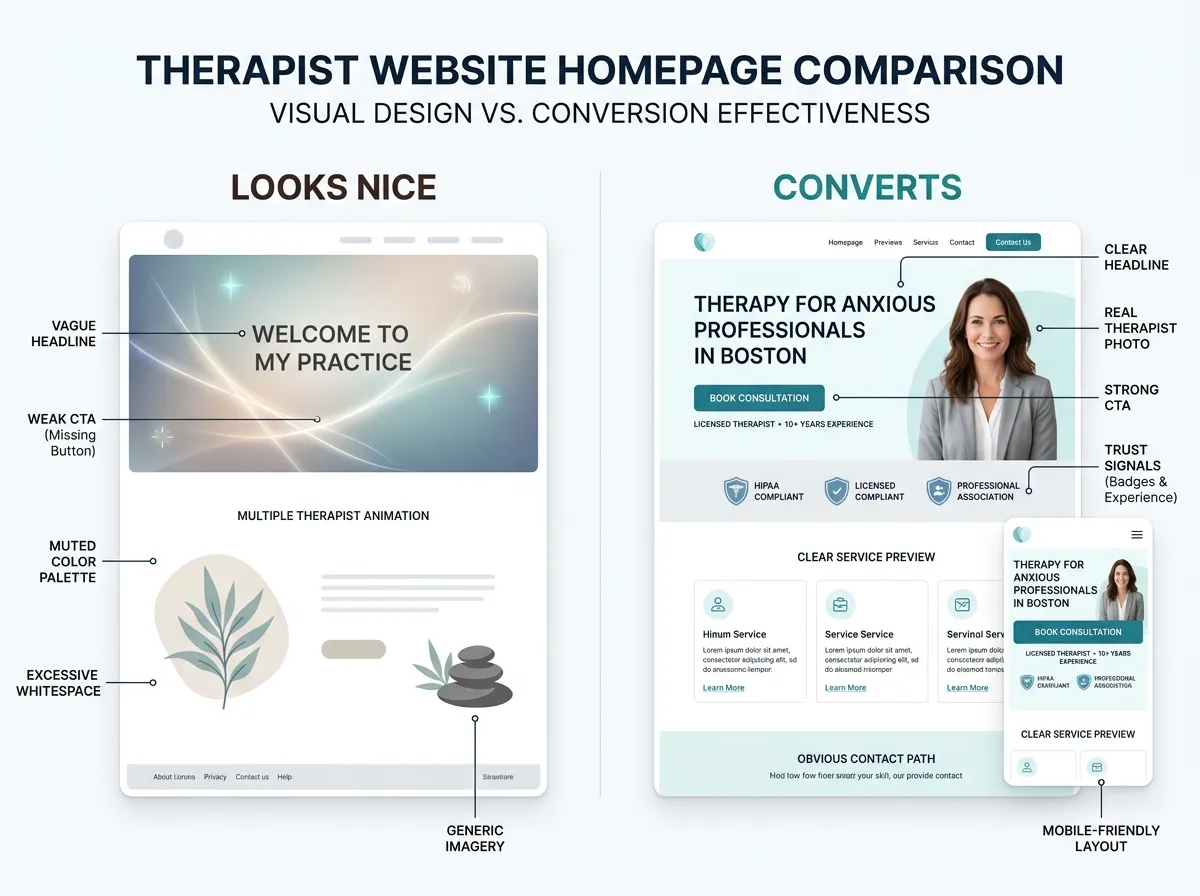
While therapy directories offer some immediate advantages, they come with significant disadvantages when compared to establishing a personal website. Personal websites allow therapists to cultivate their brand, control their messaging, and build a direct connection with clients. This autonomy fosters greater flexibility in marketing strategies and client engagement, which is crucial for long-term success and sustainability.
How Do Therapy Directory Subscription Fees Impact Therapist Marketing Budgets?
Therapy directories typically charge subscription fees that can vary widely, impacting marketing budgets significantly. For instance, many popular directories charge between $30 to $500 monthly just for basic listings. Additional features like enhanced visibility or specialized categories can drive costs even higher. Therapists must continuously assess these expenses against their client acquisition results and consider whether investing in personal websites might yield better returns for the same or lower cost.
In What Ways Do Personal Therapy Websites Enhance Marketing Independence?
Personal therapy websites enhance marketing independence by allowing therapists to design custom user experiences that reflect their unique styles and philosophies. Key areas for customization include branding, content strategy, and direct communication with clients. Moreover, establishing a professional website improves search engine optimization (SEO) efforts, enhancing visibility in online searches. This leads to increased organic traffic, which can be far more sustainable than relying on paid directory placements.
How Can Therapists Build Independent Practices Beyond Therapy Directories?
Building an independent practice requires diversification and strategic marketing beyond therapy directories. Therapists can benefit from engaging with social media platforms, utilizing content marketing, and networking within the community to enhance their visibility and referral opportunities.
What Alternative Online Therapy Platform Options Exist in 2024 and Beyond?
As therapy continues to evolve post-pandemic, alternative platforms are emerging. Options such as telehealth platforms allow for comprehensive service delivery while building a therapist’s own brand. New applications designed for the mental health space also offer unique features tailored to attract clients without the constraints of traditional directories. These innovations provide promising opportunities for therapists to connect with clients in a more autonomous manner while still leveraging digital tools.
Which Client Acquisition Strategies Support Therapist Marketing Independence?
Effective client acquisition strategies include developing referral programs, leveraging social media presence, and building a robust local network. Additionally, enhancing one’s digital footprint through SEO techniques attracts clients actively seeking therapy services. Engaging with community events not only improves visibility but also builds trust and rapport with potential clients.
How to Develop and Optimize Your Personal Therapy Website Effectively?
Developing an effective personal therapy website involves careful planning and execution. A well-structured website provides essential information about services, therapist credentials, and ways for clients to reach out. It should also employ best practices in SEO to ensure visibility in search engines, promoting organic traffic.
What Are the Step-by-Step Guides to Establishing a Therapist Owned Website?
To establish a therapist-owned website, one can follow these essential steps:
- Domain and Hosting: Choose a memorable domain name reflecting your services and register it with a reliable hosting provider.
- Website Builder: Utilize user-friendly website builders like WordPress or Squarespace to customize your site.
- Content Creation: Develop informative and engaging content that addresses potential client concerns and desired services.
How Does SEO and Structured Data Markup Enhance Therapy Website Visibility?
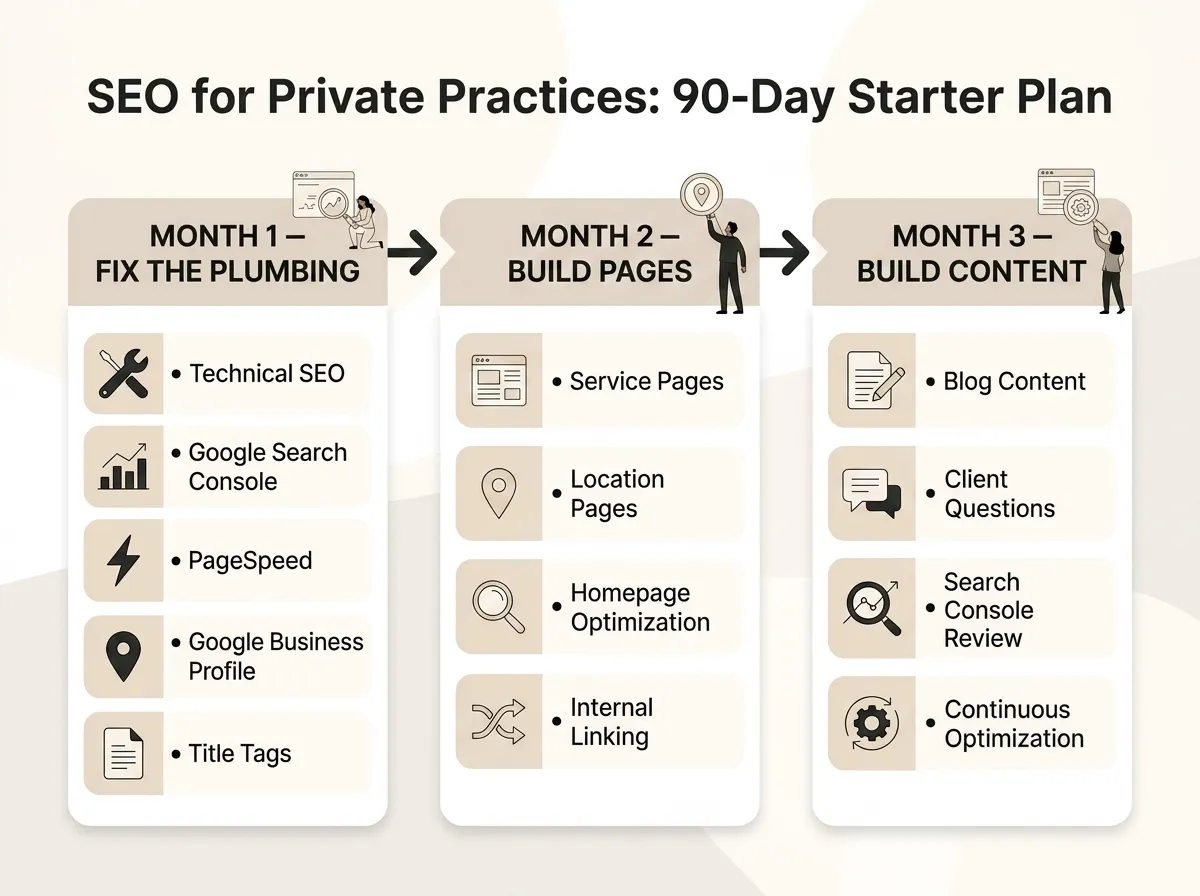
SEO is critical for improving a therapy website’s visibility. Employing structured data markup can make content more understandable for search engines, enhancing indexing and search rankings. Essential tactics include targeting local keywords, optimizing meta descriptions, and ensuring mobile-friendliness for better user experience. By implementing these strategies, therapists can significantly boost their online presence, making it easier for clients to find them.
What Do Recent Data and Case Studies Reveal About Therapy Directory Dependency?
Recent studies indicate a growing trend of therapists transitioning to personal websites as their primary marketing tool. Data suggests that those who embrace this shift experience higher client retention and increased engagement levels compared to those remaining reliant on directories.
What Are 2024–2026 Trends in Therapist Marketing and Directory Usage?
Moving into 2024 and beyond, therapy marketing trends show an increased emphasis on digital presence and personalized marketing strategies. The saturation of traditional directories and changing consumer behaviors suggest that therapists must adapt by embracing direct client engagement methods, focusing more on establishing personal connections that enhance trust and credibility.
How Have Therapists Overcome Directory Dependency: Real Examples?
Several case studies highlight how therapists have transitioned successfully from directory dependence to self-sustaining practices. By shifting focus to personal branding, targeted marketing campaigns, and building strong referral networks, these practitioners have not only maintained client bases but often expanded them through increased visibility and enhanced client interaction strategies.