Therapist Website Optimization Techniques for SEO
By Therapeia Web Design Editorial Team · Updated 2026-08-05
Therapeia Web Design, based in Bolton, Manchester, applies proven SEO techniques for therapist websites: optimizing page titles and meta descriptions, improving site speed, building local citations, creating keyword-focused content, ensuring mobile responsiveness, and structuring schema markup. Their 50-employee team implements these strategies to boost search rankings and attract more client inquiries.
Therapy website optimization means making each page fast, clear, and easy for search engines to understand, so the right clients can find your practice.
Therapist website optimization for improved SEO combines local search signals, semantic schema markup, and mobile-first design built for private practices. Therapeia Web Design applies its 6-step development process across WordPress, Shopify, and custom builds, pairing backlink strategies with clinical UX to help therapists rank higher and convert local searches into booked consultations.
Why SEO is Essential for Growing Your Therapy Practice
- SEO blends art and science, rivaling bedside manner in importance for therapist practice success.
- Search engine optimization increases website rankings in Google results, directly attracting new patients online.
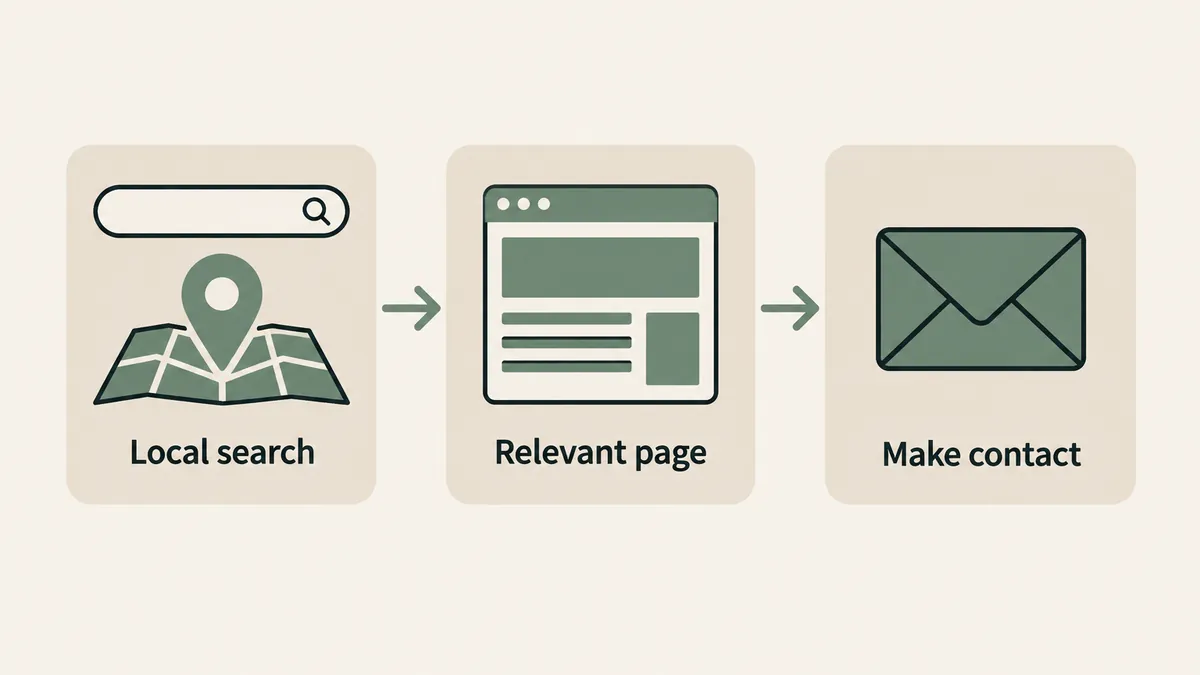
- Local search optimization proves vital for therapists in Bolton, Manchester, and surrounding UK regions.
- Robust online presence transforms therapist visibility, making SEO a fundamental component of practice growth.
What Do You Need Before Optimizing Your Site?
Three foundational pieces must exist before any ranking strategy takes hold: search visibility awareness, a secure technical infrastructure, and clean site architecture. Skipping these steps wastes time and budget on tactics with nothing solid to stand on.
Most prospective clients start their search for a therapist on Google, not on a practice’s own homepage. That single fact makes search visibility a prerequisite, not an afterthought, for Therapist Website Optimization Techniques. A practice invisible to Google loses potential clients before a single form gets filled out.
Does a Therapy Website Need HIPAA-Aware Tools First?
Yes. A secure, compliant foundation must exist before layering on SEO tools. This includes HIPAA-aware plugins, booking systems, security enhancements, and client engagement features built specifically for mental health practices.
What Technical Baseline Should Be in Place?
The site itself needs clean UI/UX design and dependable development work before optimization begins. A confusing layout undermines even the strongest keyword strategy.
Practices should treat readiness as a checklist:
- Confirm search visibility matters and commit to ongoing effort.
- Install HIPAA-aware, therapist-specific plugins and booking tools.
- Verify the site has clean design and reliable technical performance.
- Accept that SEO is holistic and technical, with many moving parts working together.

Which Therapist SEO Steps Improve Search Rankings?
Five concrete actions move a practice’s site up the results page: earning backlinks, deploying the right plugins, sharpening on-page relevance, and simplifying the booking path. Google’s algorithm ranks the site it judges most relevant to a given search, not the site with the nicest design. Practice managers who treat therapist website optimization techniques as an ongoing process, rather than a one-time fix, see steadier gains.
Do backlinks actually help a therapy practice rank higher?
Yes. Building backlinks — links from other reputable sites pointing back to a practice’s website. Improves search rankings while establishing credibility and authority within the mental health field. This work happens through several channels:
- Guest posting on relevant health or wellness publications.
- Securing listings in trusted therapist and counselor directories.
- Pursuing digital PR opportunities that mention the practice by name.
- Creating linkable assets, such as original resources other sites want to cite.
Which plugins support ranking and trust at the same time?
Security, booking, and engagement plugins do double duty. Selecting the right combination fosters visitor trust while streamlining daily front-office operations, which reduces the manual work of managing inquiries.
Ranking improvements only matter if they lead somewhere. A stronger position on the results page still requires a smooth, uninterrupted path from that first click to a booked appointment. Practices should audit each step:
- Confirm contact forms load quickly and submit without errors.
- Remove unnecessary fields from booking requests.
- Test the scheduling flow on mobile devices regularly.
Ranking work and conversion work belong together, not in separate silos.
What Mistakes Should You Avoid?
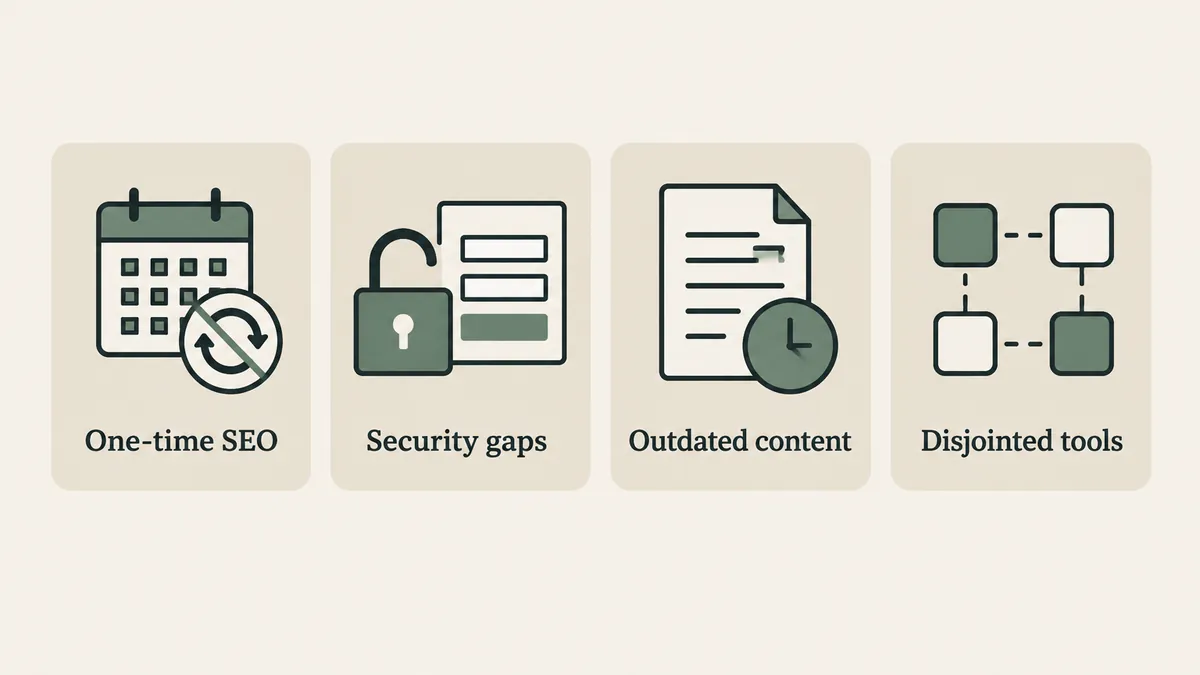
Four errors undermine practice websites more than any other. Treating search visibility as a single project, rather than an ongoing effort with many moving parts, ranks among the costliest. No shortcut fixes rankings permanently; algorithms and competitors keep shifting.
Is skipping security measures a real risk for therapist sites?
Yes. A therapy website must remain both functional and secure, since sensitive client information passes through contact forms and intake pages. Skipping encryption or compliance safeguards damages trust before a prospective client ever books a call.
Does online presence really matter for private practices?
Absolutely — a weak or outdated presence puts a practice at a measurable disadvantage. A strong presence is not optional; it’s essential to being found by local, private-pay clients searching today.
Common mistakes to avoid include:
- Treating SEO as a one-time task instead of continuous work
- Leaving security and compliance gaps in forms and hosting
- Underinvesting in visibility, assuming referrals alone will sustain growth
- Patching together disjointed platforms instead of applying proper Therapist Website Optimization Techniques through combined design, development, and best practices
Fragmented builds frustrate visitors and stall conversions.
Therapist website optimization demands a strategic blend of clinical user experience design, semantic SEO tailored to mental health search intent, and HIPAA-aware infrastructure. By implementing schema markup, refining content for therapy-specific keywords, and prioritizing mobile-first design, practitioners establish digital credibility while reducing friction in the patient journey. These techniques transform websites from static brochures into conversion-ready assets that connect practitioners with clients actively seeking care.
FAQ
What must be in place before optimizing a therapist website for SEO?
A practice needs search visibility awareness, secure technical infrastructure, and clean site architecture first. HIPAA-aware plugins, booking systems, and reliable UI/UX design form the foundation that ranking strategies stand on.
Do backlinks really improve a therapy practice’s search rankings?
Yes, backlinks from reputable sites improve rankings while building credibility in the mental health field. Guest posting, therapist directory listings, digital PR, and linkable resources all generate these valuable links.
Is therapist SEO a one-time task or ongoing process?
SEO is holistic and technical, requiring many moving parts to work together continuously. Practice managers who treat it as an ongoing process, rather than a single fix, see steadier ranking gains.
Facts
- Therapeia Web Design is located in Bolton, Manchester, United Kingdom.
- Therapeia Web Design has 50 employees.