In an increasingly digital world, therapists are realizing the importance of a professional online presence. The right “website builder or design agency” can significantly affect a therapist’s ability to attract and retain clients. This article explores the best website builders and design agencies tailored specifically for mental health professionals in 2026, emphasizing essential features that enhance user experience and compliance with industry standards. Therapists often struggle with the challenge of creating a site that not only showcases their services but also meets legal requirements such as HIPAA compliance. We will delve into the leading options available, compare their functionalities, and discuss the advantages of specialized therapy website solutions over traditional design methods. Key topics will include essential website features, integration for online booking, and the criteria for choosing the right design agency.
Top Therapist Website Builders and Design Agencies for 2026
Therapists have access to a range of specialized website builders and design agencies in 2026, each offering unique features tailored to their needs. These platforms simplify the creation of professional websites and improve client acquisition efficiency. Among the top choices are “intuitive website builders” and custom design agencies.
How Do Therapy-Specific Website Builders Compare to Custom Design Agencies?
Therapy-specific website builders, such as Cliniko and TherapySites, provide cost-effective solutions with pre-designed templates and user-friendly interfaces. These options are ideal for newly established therapists looking to set up quickly without a steep learning curve. In contrast, custom design agencies specialize in tailored solutions, allowing greater flexibility and personalization. While they may cost more and require longer development times, the result is a unique professional website that meets specific branding and functional needs, complete with ongoing support. Understanding these trade-offs is crucial for therapists when deciding which “option suits their practices” best.
Which Features Differentiate Leading Therapist Website Builders?
Leading therapist website builders stand out in several important ways. The essential features therapists should seek include:
- HIPAA Compliance Tools: Features that ensure patient data is safeguarded securely.
- Client Engagement Tools: Integrations such as appointment booking forms and client portals facilitate communication between practitioners and clients.
- SEO Features: Tools optimized for search engine visibility help therapists to be easily discoverable by potential clients.
- Responsive Layouts: Sites must function seamlessly across devices ensuring accessibility.
These functionalities are critical for creating an effective online presence that meets the needs of both therapists and their clients.
What Are the Essential Features of Therapist Websites in 2026?
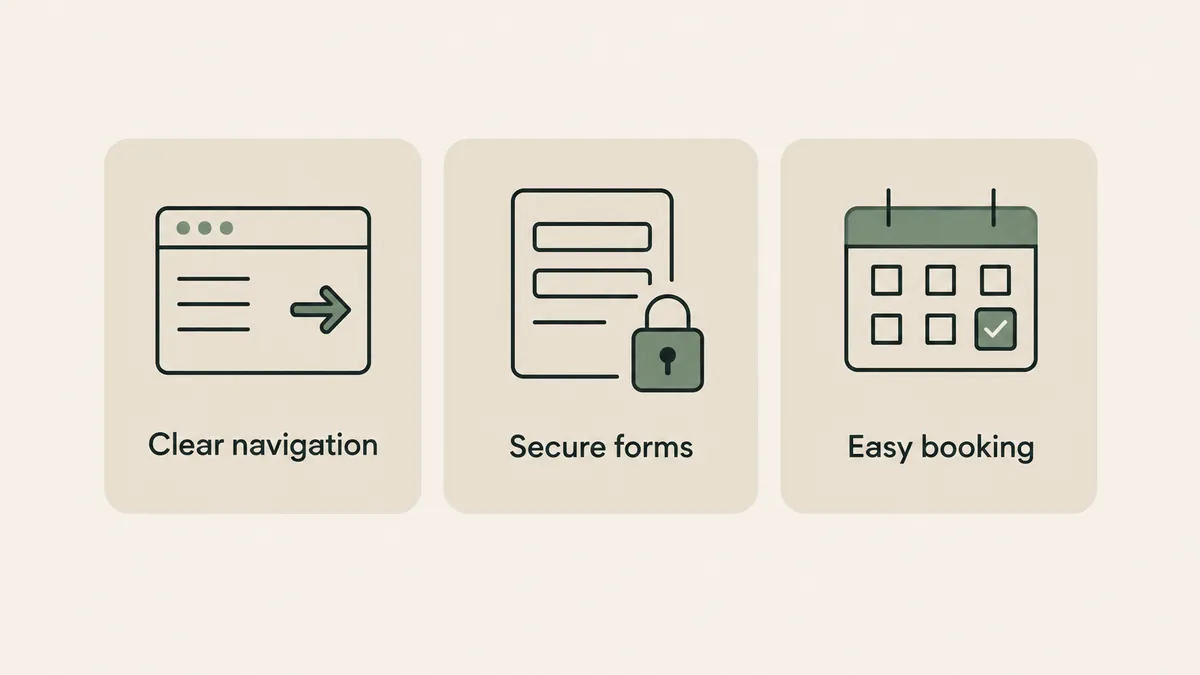
Therapist websites in 2026 should focus on essential qualities that enhance usability and compliance. Key features include:
- User Experience Enhancements: A clean interface and easy navigation are vital for visitors seeking information quickly.
- Compliance and Security Integrations: Ensuring the website meets HIPAA requirements builds patient trust and retains confidentiality.
- Client Engagement Functionalities: Features that allow clients to book appointments online, manage bookings, and receive reminders promote a smooth client experience.
By incorporating these elements, therapists can create a professional website that effectively converts visitors into clients while providing a trustworthy environment.
Top Therapist Website Builders and Design Agencies for 2026
Online booking integration significantly boosts client acquisition by offering convenience and improving client engagement. By allowing clients to easily schedule appointments online, therapists reduce the barriers that may deter potential clients. This streamlined process not only saves time for both parties but also integrates automated reminders, helping clients keep their appointments. Statistics show that practices utilizing online booking see a higher retention rate and increased client satisfaction, making this feature essential in modern therapeutic practices.
Understanding the broader impact of patient-focused technology is essential for long-term growth in a digital-first market.
Patient-Centric Marketing Strategies for Healthcare Practice Growth
Patient-centric marketing aims to regard individuals not solely as users of services but as active players in their healthcare journey. This study examines the theoretical underpinnings of relationship marketing, technological adoption, and service-dominant logic to contextualise patient-centered practices.
Patient-centric marketing and retention strategies in healthcare: a strategic and technological framework, A Shah, 2025
Top Therapist Website Builders and Design Agencies for 2026
HIPAA compliance is crucial for mental health professional websites to protect patient privacy and uphold national standards for information security. Non-compliance can lead to severe legal repercussions and damage a therapist’s reputation. A website that adheres to these regulations instills confidence in clients, knowing their sensitive data is being handled appropriately. This compliance also sets a professional tone and demonstrates a commitment to ethical practices, which is vital in the therapy field.
Achieving this level of security requires a careful balance between user-friendly design and robust backend data protection.
HIPAA-Compliant Patient Portal Design: Security and Usability Standards
The development of such platforms requires a tradeoff between usability, performance, real-time data accessibility, and strong privacy settings as required by the healthcare regulations. This paper is an attempt to provide a safe architectural design of developing HIPAA-compliant patient portals to be used to facilitate real-time data synchronization across clouded clinical systems. The paper discusses secure frontend-backend integration, use of encrypted APIs, role-based access controls, and asynchronous data processing methods to guarantee timely and secure delivery of sensitive patient data, e.g. lab results and appointment updates. Besides, the paper stresses the importance of considering the use of accessibility along with such principles as the WCAG-compliant design and user-friendly interfac A secure architecture for real-time data exchange in HIPAA-compliant patient portals, 2022
Top Therapist Website Builders and Design Agencies for 2026
Choosing the right design agency is fundamental for therapists looking to establish an effective online presence. Important criteria to evaluate include:
- Portfolio Review: Assessing previous work can showcase the agency’s design style and versatility.
- Understanding Therapy Needs: An agency that comprehends the unique challenges and requirements of therapists is invaluable.
- Evaluation Criteria: Consider factors such as pricing, project timelines, and post-launch support in the decision-making process.
This thorough vetting process ensures that therapists partner with agencies that align well with their vision and operational needs.
What Criteria Ensure a Professional and Responsive Therapy Website?
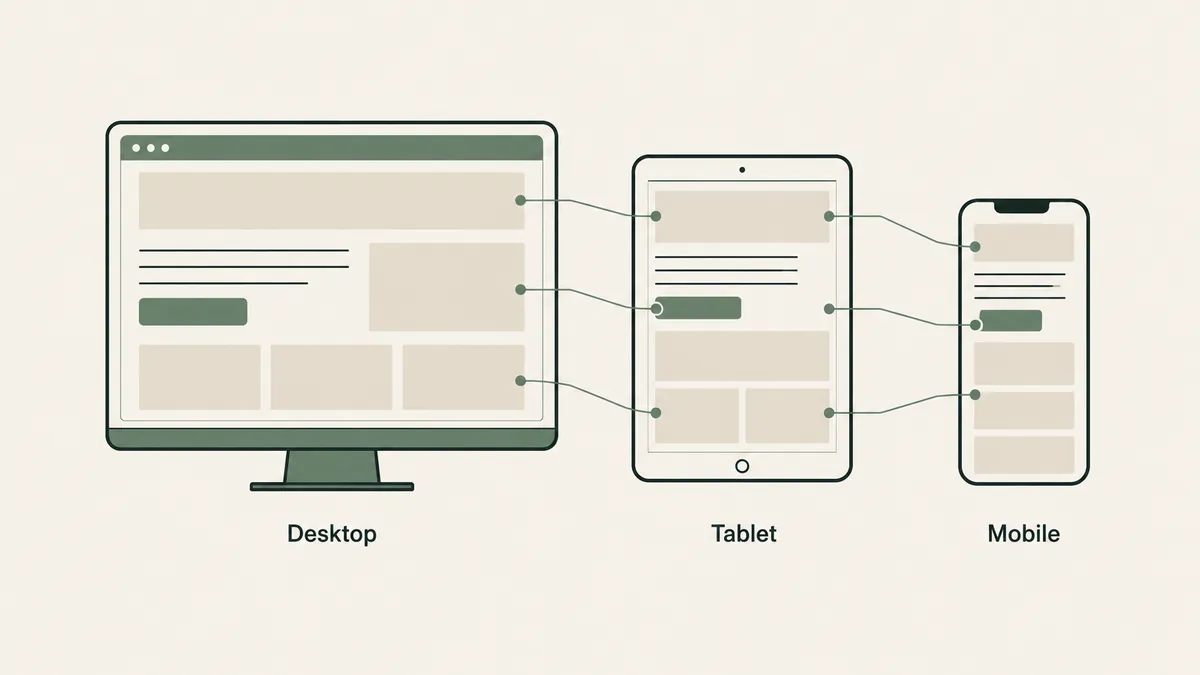
Ensuring a professional and responsive therapy website involves several critical criteria, including:
- Guidelines for Responsive Design: Websites must adapt to various screen sizes, ensuring usability on both mobile devices and desktops.
- SEO Best Practices: Optimization of the site to improve visibility in search results is essential for attracting clients.
- Focus on Client Engagement: Features that facilitate client interaction, such as chat functions or feedback forms, enhance engagement.
Each of these criteria contributes to a website that not only looks professional but functions effectively to attract and retain clients.
How Do Customization and UX Impact Therapist Website Effectiveness?
Customization and user experience (UX) play significant roles in the effectiveness of therapist websites. A well-customized website reflects the unique branding of the therapist, enhancing trust and rapport with clients. Meanwhile, a solid UX ensures that clients can effortlessly navigate the site, find essential resources, and engage without frustration. Websites that effectively integrate these elements offer better conversion rates, as they respond more accurately to client needs and preferences.
What Are Proven Strategies for SEO and Marketing of Therapist Websites?
Effective strategies for SEO and marketing can dramatically influence the visibility of therapist websites. Key strategies include:
- Local SEO Tactics: Optimizing content for local searches is crucial, as clients often seek therapists in their immediate area.
- Content Marketing: Producing valuable content that addresses common mental health concerns can establish the therapist as an authority in their niche.
- Social Media Marketing: Engaging with clients through social media platforms can enhance reach and foster community connections.
Deploying these marketing strategies increases online visibility, establishing therapists as preferred choices in their communities.
To truly maximize your reach, it is important to understand how search engines prioritize expertise in the mental health sector.
SEO for Therapists: How to Increase Visibility and Client Acquisition
The reality of running a private practice in 2026 is that your clinical skills—no matter how exceptional—don’t matter much if people can’t find you. That’s where Search Engine Optimization (SEO) for therapist practices comes in. It’s the work you do to help Google understand that you’re an expert who needs to be shown as a primary source in search content. SEO for Therapist Websites, Part I: On-Page SEO, 2026