Crafting Empathetic Website Copy That Converts Clients
Effective communication is the cornerstone of successful therapy practices, as it fosters trust and rapport between therapists and clients. This guide delves into the essential strategies for therapist website messaging and voice, focusing on how to enhance client communication through effective website copywriting. Readers will learn about the importance of empathy, the best communication methods, and how to craft compelling website content that resonates with potential clients. Many therapists struggle with conveying their message clearly and authentically, which can hinder client engagement. By implementing the strategies outlined in this article, therapists can create a welcoming online presence that encourages prospective clients to reach out for support. The following sections will cover key communication tips, effective website copywriting techniques, best practices for online engagement, and guidelines for optimizing client retention.
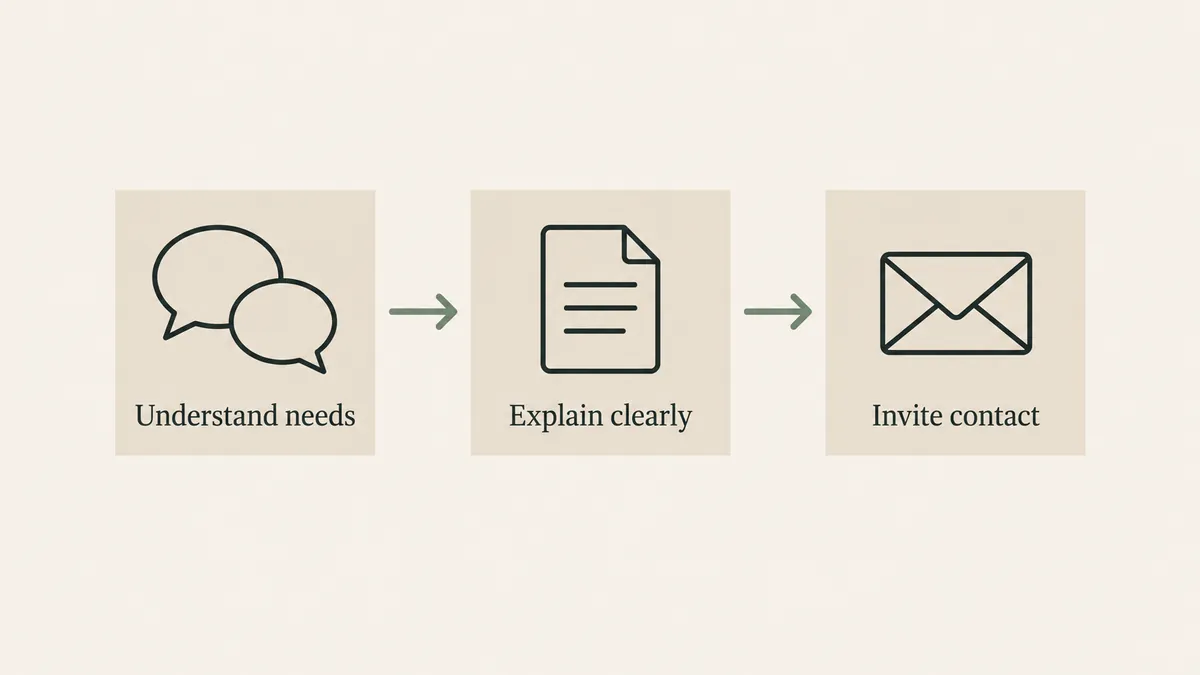
If you need therapist homepage messaging help, start with the first screen: say who you help, what changes for them, and how to book.
What Are the Best Therapist Client Communication Tips for Building Trust?
Building trust with clients is essential for effective therapy. Trust is established through clear, empathetic communication that addresses clients’ needs and concerns. Therapists can enhance their communication by actively listening, validating feelings, and providing consistent support. These strategies not only foster a safe environment but also encourage clients to open up about their experiences.
How Does Empathy Enhance Therapist-Client Online Communication?
Empathy plays a crucial role in online communication between therapists and clients. By demonstrating understanding and compassion, therapists can create a sense of connection, even in a digital space. Empathetic communication involves acknowledging clients’ feelings and experiences, which can significantly improve their comfort level. For instance, using phrases like “I understand how you feel” can help clients feel heard and valued, ultimately strengthening the therapeutic relationship.
Which Communication Methods Improve Client Engagement on Therapist Websites?
Therapists can utilize various communication methods to enhance client engagement on their websites. Some effective strategies include:
- Live Chat Features: Offering real-time support can help address potential clients’ questions and concerns immediately.
- Video Introductions: Personalizing the website with video messages can create a more relatable and inviting atmosphere.
- Informative Blog Posts: Regularly updated content can provide valuable insights and establish the therapist as an authority in their field.
These methods not only improve engagement but also encourage visitors to take the next step in seeking therapy.
How to Write Effective Website Copy for Therapists That Converts Visitors?
Writing effective website copy is essential for converting visitors into clients. The copy should be clear, concise, and reflective of the therapist’s unique voice. Key elements include a strong value proposition, clear descriptions of services, and an inviting tone that resonates with potential clients. By focusing on the needs and concerns of clients, therapists can create compelling content that encourages visitors to reach out for support.
Copywriting: Persuasive Communication & Content Optimization
The findings demonstrate that copywriting functions as a strategic and creative form of persuasive communication, whereas rewriting primarily serves adaptive and technical purposes related to content accessibility and optimization. At the same time, professional rewriting requires a high level of language skill and goes beyond just changing the text. Spec
Copywriting and Rewriting in Digital Media: Professional Differences and Ethical Issues, 2025
What Tone and Style Should Therapists Use in Website Messaging?
The tone and style of website messaging should be professional yet approachable. Therapists should aim for a conversational tone that reflects their personality while maintaining professionalism. This balance helps to create a welcoming environment for potential clients. For example, using inclusive language and avoiding jargon can make the content more accessible and relatable.
How to Craft Clear Calls to Action to Book Consultations?
Clear calls to action (CTAs) are vital for guiding potential clients toward booking consultations. Effective CTAs should be direct and compelling, encouraging visitors to take action. Some best practices for crafting CTAs include:
- Use Action-Oriented Language: Phrases like “Schedule Your Free Consultation” or “Contact Us Today” prompt immediate action.
- Highlight Benefits: Emphasizing the advantages of booking a consultation can motivate visitors to engage.
- Strategic Placement: Positioning CTAs prominently on the website ensures they are easily visible to visitors.
By implementing these strategies, therapists can increase the likelihood of converting website visitors into clients.
What Are Therapist Online Communication Best Practices for Digital Client Engagement?
Engaging clients online requires adherence to best practices that enhance communication and foster relationships. These practices ensure that therapists can effectively connect with clients in a digital environment.
Which Digital Tools Support Seamless Therapist-Client Communication?
Several digital tools can facilitate seamless communication between therapists and clients. These include:
- Telehealth Platforms: Secure video conferencing tools allow for private sessions, making therapy accessible from anywhere.
- Client Management Software: Tools that streamline appointment scheduling and reminders can enhance the client experience.
- Secure Messaging Apps: Encrypted messaging platforms enable therapists to communicate with clients safely and efficiently.
Utilizing these tools can significantly improve the overall client experience and engagement.
How to Reduce Navigation Friction and Streamline Patient Experience?
A user-friendly website design is crucial for reducing navigation friction and enhancing the patient experience. Therapists can implement the following strategies:
- Simplified Navigation Menus: Clear and concise menus help visitors find information quickly.
- Mobile Optimization: Ensuring the website is mobile-friendly allows clients to access services on various devices.
- Fast Loading Times: Optimizing website speed can prevent potential clients from leaving due to frustration.
By focusing on these elements, therapists can create a more enjoyable and efficient online experience for their clients.
How to Establish Empathy and Trust Through Therapist Website Messaging?
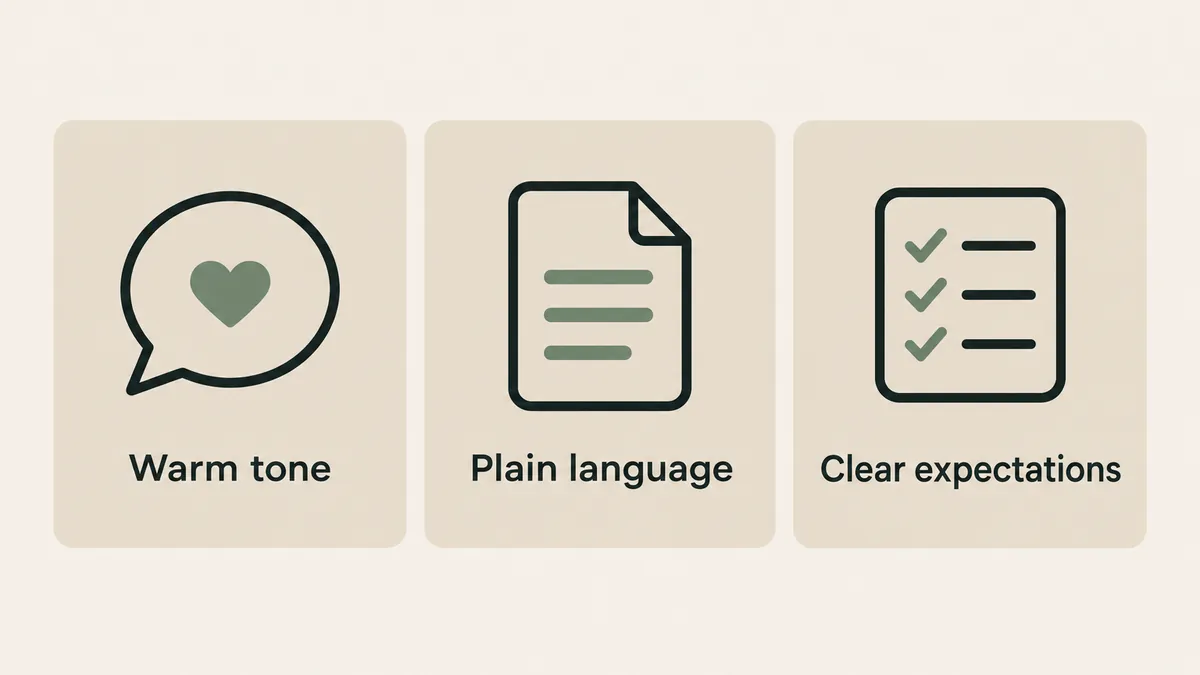
Establishing empathy and trust through website messaging is essential for attracting and retaining clients. The language used on the website should reflect a deep understanding of clients’ needs and concerns.
What Messaging Tone Builds Confidence and Rapport with Clients?
A warm and inviting messaging tone can significantly enhance rapport with clients. Therapists should aim to use language that is supportive and encouraging. For example, phrases like “You’re not alone in this journey” can help clients feel understood and supported. This approach fosters a sense of safety and encourages clients to engage with the therapist.
How to Use Messaging Templates to Personalize Therapist Communication?
Messaging templates can be a valuable tool for personalizing communication with clients. By creating templates for common scenarios, therapists can ensure that their responses are both timely and consistent. Personalization can be achieved by including the client’s name and specific details about their situation. This approach not only saves time but also enhances the therapeutic relationship by demonstrating care and attention.
What Are Therapist Website Content Guidelines to Optimize Client Retention?
Optimizing website content is crucial for retaining clients and ensuring they feel valued throughout their therapeutic journey. Clear and informative content can help clients understand the services offered and the therapist’s approach.
How to Structure Website Content for Clear Therapist Profiles and Services?
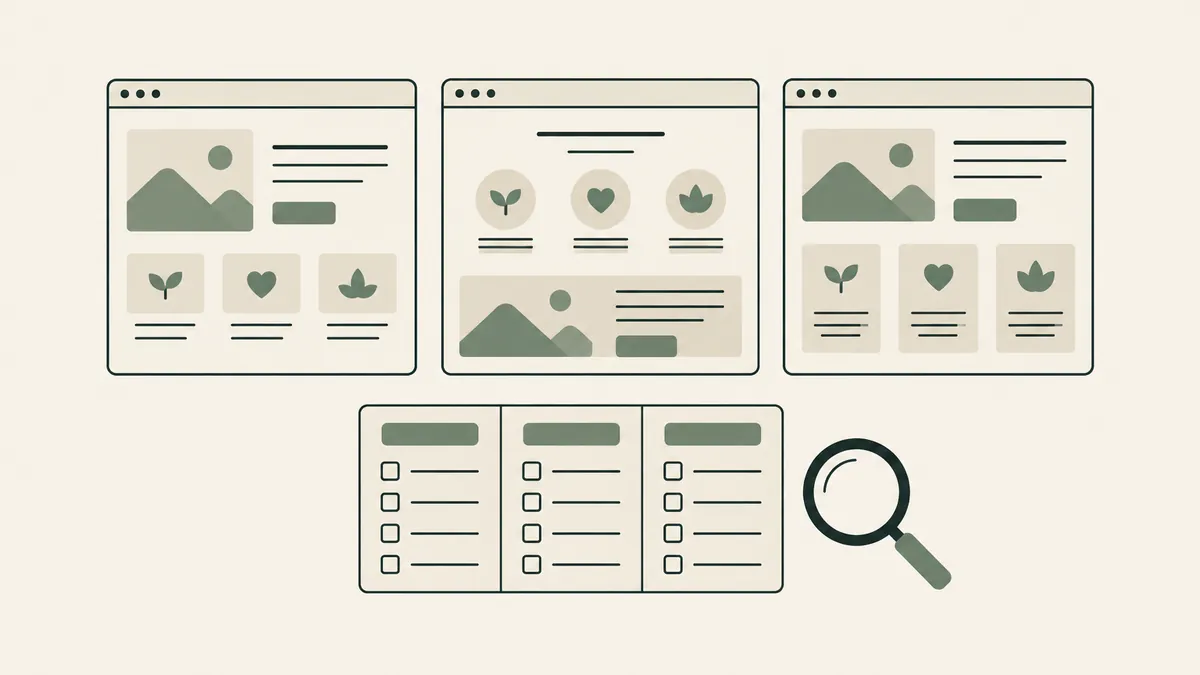
Structuring website content effectively is essential for clarity. Therapist profiles should include:
- Professional Background: A brief overview of qualifications and experience helps establish credibility.
- Therapeutic Approach: Describing the therapist’s methods and philosophies can help clients determine if they align with their needs.
- Service Descriptions: Clear explanations of services offered ensure clients know what to expect.
This structured approach enhances transparency and builds trust with potential clients.
Which Schema Markup Types Enhance Therapist Website SEO and Visibility?
Implementing schema markup can significantly improve a therapist’s website SEO and visibility. Some effective schema types include:
- Local Business Schema: Helps search engines understand the therapist’s location and services.
- Service Schema: Provides detailed information about the specific services offered.
- Review Schema: Showcases client testimonials and ratings, enhancing credibility.
By utilizing these schema types, therapists can improve their online presence and attract more clients.
FAQ
Empathetic language helps a visitor feel heard and understood before they’ve even made contact, which builds the sense of connection that leads them to reach out.
Professional yet approachable. A conversational tone that still reflects clinical credibility, using inclusive language and avoiding jargon, tends to feel most welcoming.
Direct, action-oriented language like “Schedule Your Free Consultation,” paired with a clear benefit and prominent placement so visitors don’t have to search for it.
A brief professional background, a clear description of the therapeutic approach, and specific service descriptions so clients know what to expect before booking.
Local Business schema, Service schema, and Review schema each help search engines understand the practice and can improve visibility in search results.