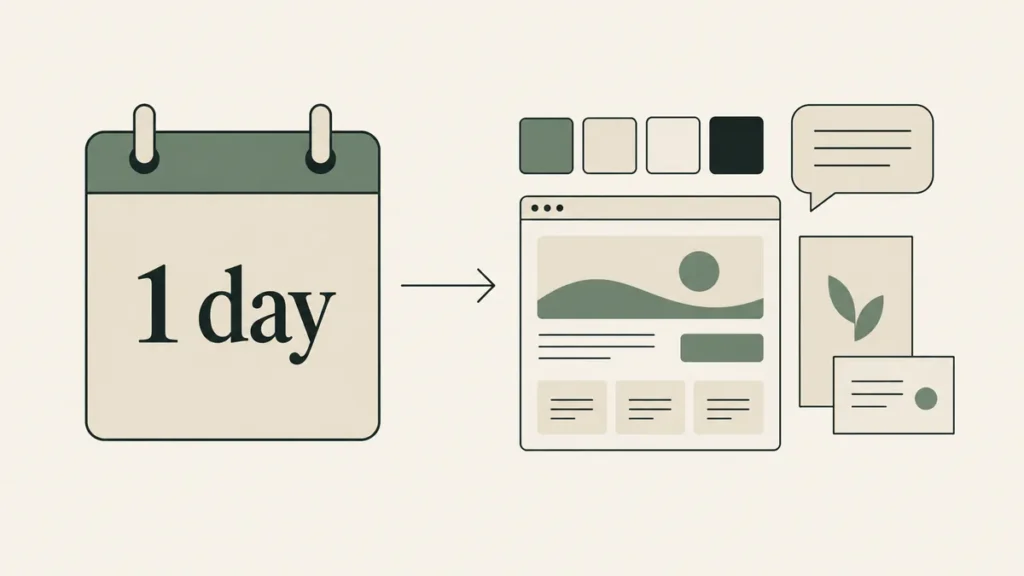
Accelerate Practice Growth with Branding in a Day
The mental health sector needs clear, trustworthy branding to stand out and attract the right clients. “Branding in a Day” is a focused, rapid service that establishes a professional identity and essential marketing assets quickly. This article summarizes the core steps, explains why branding matters for practice growth, and highlights the role of web design in improving visibility and credibility.
Branding in a Day for Therapists: Comprehensive Overview
“Branding in a Day” provides a compact branding workflow for therapists, counselors and wellness professionals who want a complete, consistent brand fast. By finishing core identity elements in one session, therapists gain ready-to-use assets and a clear web presence that reflect their practice.
Importance of Branding for Therapists
Branding creates a distinct position in a crowded market and builds credibility. A coherent brand helps clients understand a therapist’s specialties and fosters recognition and trust that support retention and referrals.
Branding in a Day Process

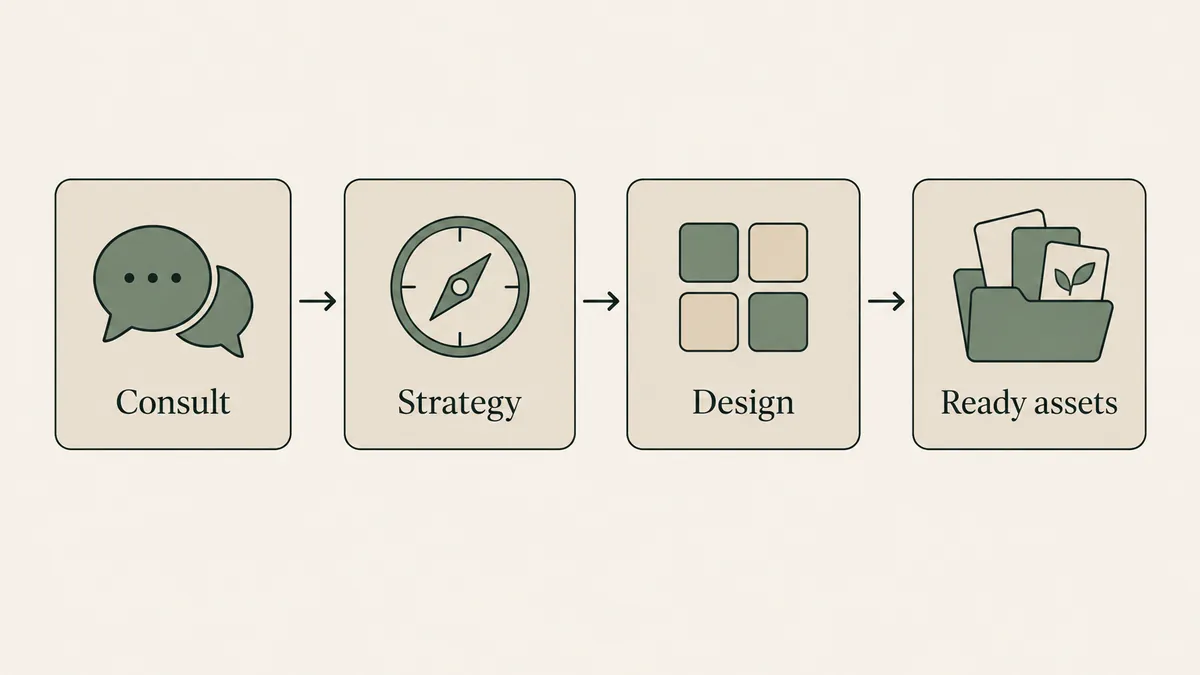
The one-day workflow uses clear steps to deliver tailored branding efficiently.
- Initial Consultation: Therapists share vision, goals and target clients.
- Strategic Development: The team defines messaging and positioning.
- Branding Elements Creation: Logos, palettes and core materials are produced.
- Deployment Plan: A concise rollout plan ensures consistent use across platforms.
Step-by-Step Workflow for Effective Branding
A staged process keeps the day focused and productive:
- Free Consultation: Clarify needs and expectations.
- Personalized Strategy Development: Craft a strategy aligned with the therapist’s philosophy.
- Design Phase: Finalize visuals and layouts to ensure coherence across materials.
Effective Branding Strategies
These approaches boost visibility and client attraction:
- Professional Visuals: Use quality images and a clear logo for a strong first impression.
- Consistent Messaging: Keep voice and key messages uniform across channels.
- Engaging Online Presence: Share useful content and keep social profiles active.
Tools and Resources
Platforms that streamline work include:
- Website Builders: Simple tools for building a professional site.
- Design Tools: Easy applications for creating visuals and templates.
- Content Platforms: Systems to manage and distribute client-focused content.
Best Practices for Effective Branding
Apply these practices to maintain clarity and impact:
- Consistency: Align all materials—cards, site, and social media—with the same identity.
- Seek Feedback: Use client input to refine messaging and design.
- Track Results: Monitor inquiries and traffic to measure effectiveness.
What Are the Core Benefits of Branding in a Day for Therapists?
Primary benefits include:
- Faster Practice Growth: Launch your brand quickly and begin client outreach sooner.
- Improved Professional Image: A polished identity increases credibility.
- Clear Client Attraction: Defined messaging helps the right clients find and choose your services.
How Does Professional Web Design Enhance Therapist Client Acquisition?
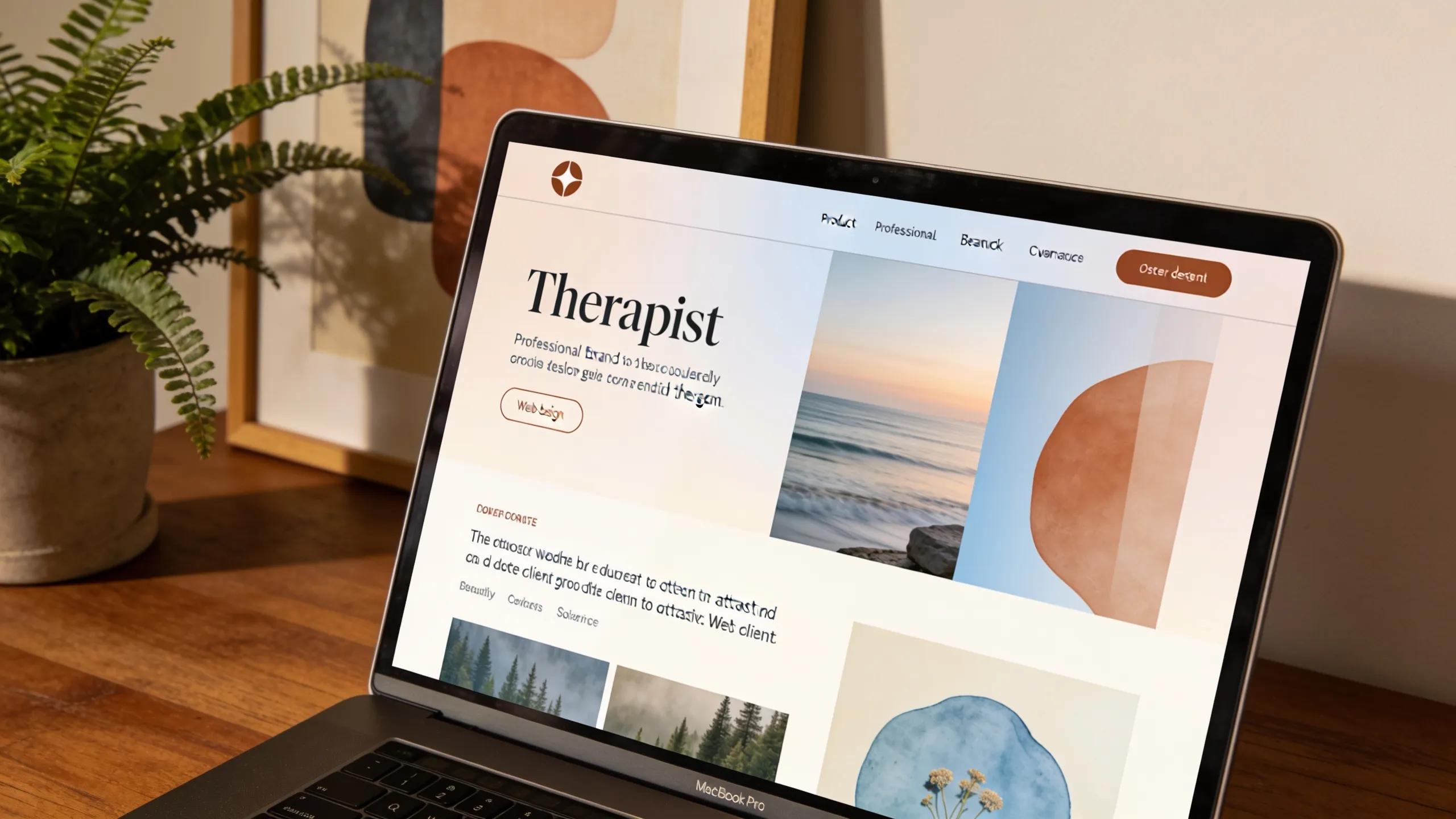
A well-designed website improves visibility and trust. Key features to prioritize include:
- SEO-friendly structure so clients can find the practice online.
- Comforting, professional design that builds confidence.
- Clear CTAs to increase inquiries and bookings.
Why Is Rapid Branding Vital for Mental Health Professional Marketing?
Rapid branding supports timely market entry and faster client acquisition by quickly establishing identity, improving online visibility, and clarifying communication with prospective clients.
What Is the Step-by-Step Process of Branding in a Day for Therapists?
Typical stages show how the day produces usable outcomes:
- Consultation Details: Discuss goals and audience.
- Strategy Session Outcomes: Agree on messaging and direction.
- Design and Development: Produce the visual assets and basic web elements.
Which Branding Elements Are Developed During the One-Day Session?
Common deliverables include:
- Logos and Color Schemes: Visual identifiers for recognition.
- Brand Identity Definition: Core messages and values.
- Basic Online Presence: Key pages or templates aligned with the brand.
How Does the Consultative Approach Tailor Branding to Therapist Needs?
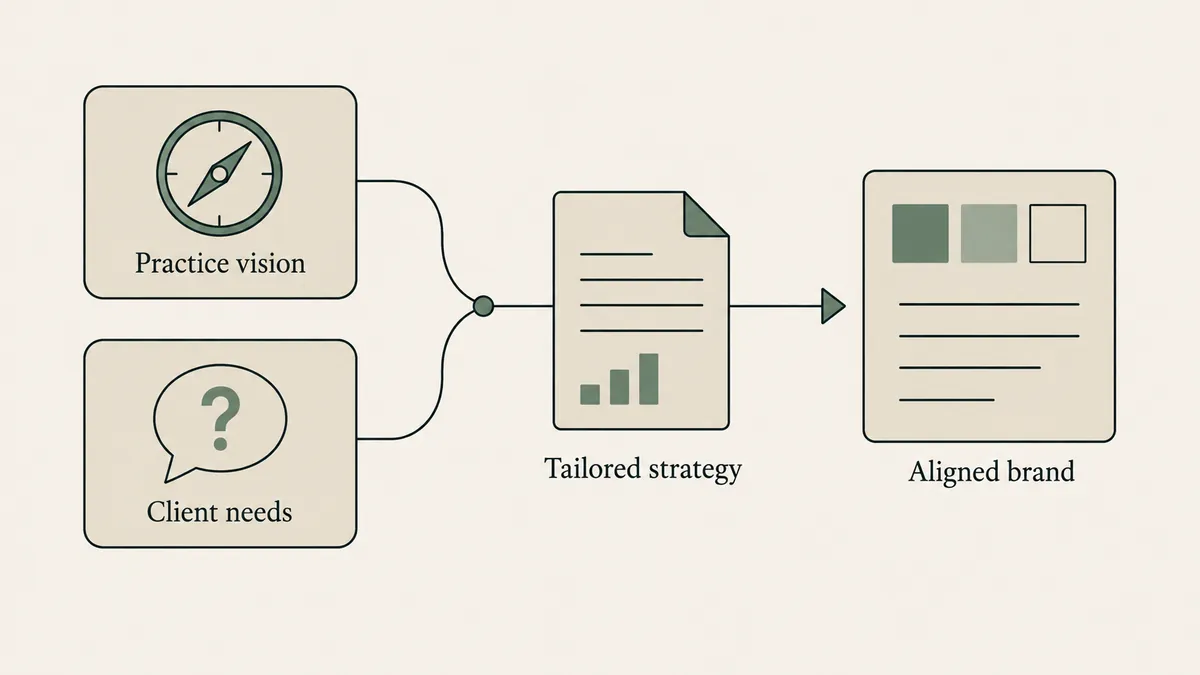
A consultative method captures a therapist’s vision and turns it into tailored strategies that align the brand with client expectations and the therapist’s goals.
- Understand vision: Use in-depth consultation to capture intent.
- Craft tailored strategy: Build messaging that reflects the therapist’s approach.
- Align with audience: Ensure the brand resonates with intended clients.
How Does Therapist Branding Impact Client Trust and Practice Growth?
Branding acts as a trust signal: consistent, professional presentation reassures clients and makes growth easier to measure via engagement and inquiry metrics.
What Role Does Brand Identity Play in Building Therapist Credibility?
A clear identity and professional visuals create immediate credibility and support authentic connections that foster client loyalty.
Which Metrics Demonstrate Improved Lead Conversion After Branding?
Useful metrics include client inquiries, engagement rates and website traffic—tracked over time to show trends and guide refinement.
Can Therapists Manage Branding Themselves Effectively?
Therapists can self-manage branding with a defined strategy, basic design tools and consistent upkeep of their online presence.
What Are Affordable Options for Professional Therapist Branding?
Cost-effective approaches often combine an initial consultation, focused strategy work and core design deliverables to produce a usable brand on a budget.
Frequently Asked Questions
1. How does branding affect client retention for therapists?
Branding strengthens client retention by creating emotional connection and recognisable touchpoints; consistent presentation and clear messaging increase confidence and referrals.
2. What should therapists consider when choosing colors for their brand?
Choose colours for their psychological associations and fit with your practice values—calming tones like blue or green often convey trust and tranquility.
3. Are there specific branding tools that therapists recommend?
User-friendly options include Canva for graphics, Wix or Squarespace for websites, and Mailchimp for simple email campaigns—tools that speed setup and maintain a professional look.
4. How can therapists assess the effectiveness of their branding strategies?
Track inquiries, social engagement and website traffic, and gather client feedback. Regular review of these measures highlights what works and what to adjust.
5. What role does social media play in a therapist’s branding?
Social channels demonstrate expertise, share helpful content and build community; consistent, valuable posts increase visibility and trust.
6. How important is it for therapists to differentiate their branding from competitors?
Distinct branding helps you stand out and attract clients aligned with your specialties—clear visual and narrative differences increase inquiries.
7. Can a therapist’s personal story enhance their branding?
Yes—sharing professional motivations and relevant experience can add authenticity and help clients connect with your approach.
Accelerate Practice Growth with Branding in a Day
Focused, rapid branding can raise visibility, credibility and client acquisition quickly. A condensed, well-executed process produces practical assets and a clear identity that supports growth—consider tailored “Branding in a Day” services to elevate your practice efficiently.