
Why Website Maintenance is Essential for Your Therapy Practice
A therapist website requires ongoing maintenance to preserve functionality, speed, and regulatory compliance such as HIPAA. As care delivery shifts online, clinicians should implement maintenance strategies that cover security, performance optimization, SEO audits, and content management. Professional maintenance improves user experience and client acquisition; the sections below describe practical strategies to support long-term growth and build client trust.
Website Security and HIPAA-aware
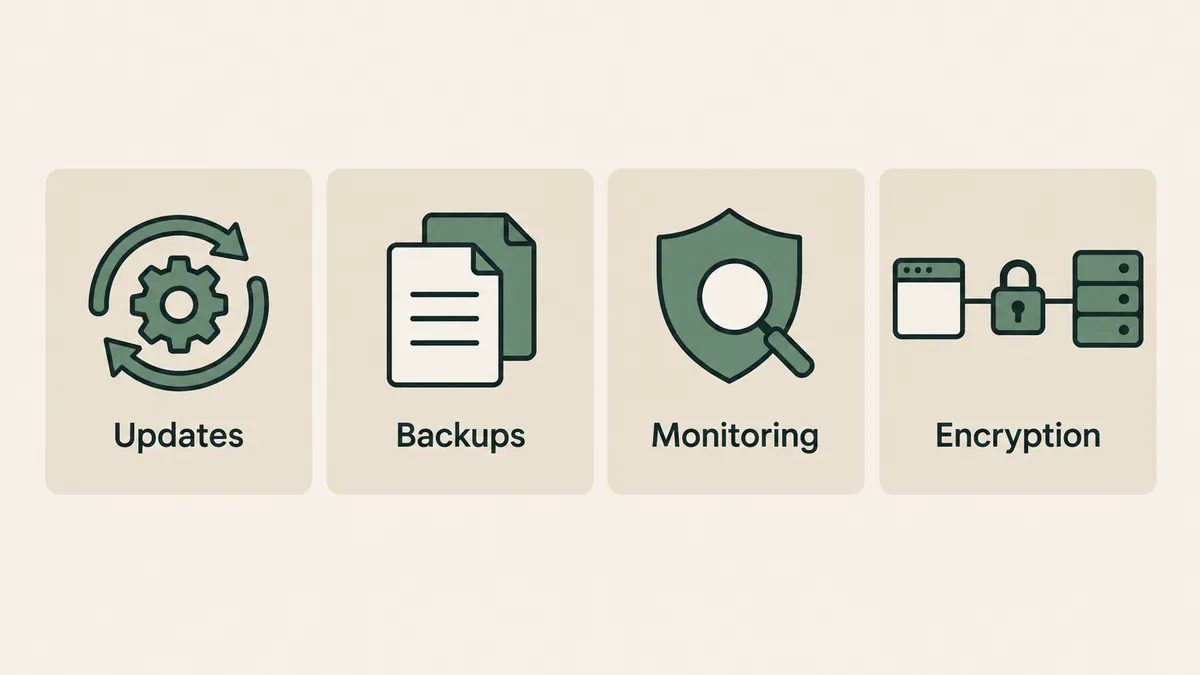
Security is a primary responsibility for therapists who handle sensitive client data. Deploying technical safeguards and compliance controls reduces breach risk and supports HIPAA requirements. Core actions include SSL deployment, timely software updates, and continuous vulnerability monitoring to protect patient information.
Which security measures protect therapist websites effectively?
Essential protocols include SSL certificates to encrypt data in transit, documented HIPAA-aligned practices, and regular security audits to detect and mitigate threats. These measures protect client information and reinforce the practice’s professional credibility.
How do regular backups and updates ensure site reliability?
Consistent backups prevent data loss from server failures or cyberattacks, while routine software updates patch vulnerabilities and improve performance. Together, these practices maintain site reliability for both practitioners and clients.
Performance Optimization
Performance optimization directly affects user experience. Slow-loading pages increase bounce rates and reduce engagement, which undermines client retention and conversion.
Why Is Professional Maintenance Crucial for Therapy and Counseling Websites?
A professional maintenance plan ensures a fast, mobile-friendly site and uses analytics to monitor performance. Data-driven adjustments improve user interactions and raise conversion rates.
Why Website Maintenance is Essential for Your Therapy Practice
Regular SEO audits sustain and improve a therapist’s online visibility. SEO practices tailored to mental health professionals help prospective clients find services more readily.
How does maintenance improve SEO and client acquisition for therapists?
Frequent updates and optimised content support higher search rankings and keep the site relevant. Maintaining current, valuable content attracts new clients and retains existing ones, establishing authority and trust in the practice.
Content Management
Ongoing content management keeps a therapist’s site informative and engaging. Fresh, relevant content supports client retention and improves search engine performance.
What role does website speed and fresh content play in therapist practice growth?
Fast-loading pages reduce user frustration and increase engagement, improving overall client satisfaction. Regularly updated materials—such as articles or blog posts on common therapy topics—keep current and prospective clients informed and engaged.
Technical Backend Maintenance
Technical backend upkeep is essential for consistent site operation. Routine backend tasks prevent disruptions and ensure a smooth experience for users.
What Are the Essential Components of Therapist Website Maintenance Plans?
A comprehensive maintenance plan includes the following components:
- Security Measures: Regular updates and audits for compliance and data protection.
- Performance Optimization: Ensuring fast loading speeds and mobile compatibility.
- Content Management: Keeping information fresh and relevant to client needs.
User Experience Enhancements

An intuitive, user-centred design reduces friction and encourages visitors to engage with services.
How Can Therapy Website Support Address Compliance and User Experience?
Effective website support improves navigation and enforces compliance controls. Clear information architecture and prominent calls to action make it straightforward for visitors to schedule appointments.
What HIPAA and accessibility standards must therapist sites meet?
Therapist websites must incorporate HIPAA-compliant practices to safeguard patient data and display clear privacy policies. Regular audits maintain compliance, and adherence to accessibility standards ensures all clients can use the site effectively.
Ongoing Support and Updates
Continuous support and periodic updates are necessary to keep a website secure, functional, and current. Investing in ongoing maintenance preserves the site’s effectiveness over time.
How do professional plans compare with DIY website updates?
DIY updates can appear cost-effective initially, but professional maintenance delivers technical expertise that better optimises SEO, security, and user engagement. That expertise typically yields superior online presence and client acquisition.
What client success stories demonstrate maintenance ROI for mental health professionals?
Practitioners who invested in strategic maintenance have reported improved client engagement and higher conversion rates. These outcomes demonstrate the value of ongoing support for a thriving therapy practice.
What Are the Pricing Options and Benefits of Maintenance Plans for Therapists?
Therapists can select from tiered pricing that aligns with practice needs. Typical one-time setup costs range from $2,000 to $5,000, and ongoing monthly maintenance, including hosting and updates, generally ranges from $50 to $200 depending on the plan.
The table below compares typical maintenance plans and included services.
These pricing structures demonstrate the practical benefits of professional maintenance, allowing therapists to focus on clinical work while preserving a secure and effective online presence.
Frequently Asked Questions
What are the risks of neglecting website maintenance for therapists?
Neglecting maintenance increases exposure to security vulnerabilities that can compromise client data. Slow pages deter prospective clients and reduce engagement, while outdated sites risk falling in search rankings. Regular updates and audits mitigate these risks and sustain site performance.
How often should therapists conduct SEO audits?
Conduct SEO audits at least quarterly to identify broken links, outdated content, and keyword performance issues. Regular audits enable timely adjustments, maintain visibility, and help adapt to search algorithm changes.
What is the significance of mobile optimization for therapists’ websites?
Mobile optimisation is essential as more users access services on smartphones and tablets. A mobile-friendly site improves user experience and supports SEO, since search engines prioritise responsive sites. Failure to optimise can increase bounce rates and reduce client acquisition.
How can therapists evaluate their website’s performance effectively?
Use analytics platforms such as Google Analytics to track user behaviour, page load times, and traffic sources. Monitor KPIs—bounce rate, average session duration, and conversion rates—and collect client feedback to guide improvements that meet visitor needs.
What types of content should therapists prioritize for engagement?
Prioritise informative content that addresses common mental health concerns, practical self-help guidance, and resources specific to clinical specialties. Blog posts, articles, and videos build authority; client success stories shared with consent enhance trust. Regular updates also support SEO and audience retention.
How do maintenance plans accommodate growing therapy practices?
Maintenance plans scale to meet growing demand by offering enhanced SEO, expanded content management, and advanced security measures as needed. This scalability keeps the website effective in attracting clients while minimising operational burden on the practice.
Conclusion
Effective website maintenance strengthens security, performance, and user experience while ensuring regulatory compliance. Professional support helps therapists attract new clients and maintain lasting relationships through a dependable online presence. A strategic maintenance plan supports long-term growth and trust in digital care; consider maintenance options tailored to your practice.