Therapist Website Launch Checklist
Launching Your Private Practice: A Comprehensive Website Checklist
Launching a therapist website is a critical step in establishing a successful online presence for mental health practices. This comprehensive checklist will guide you through the essential steps needed to create a professional and effective website that meets the needs of your clients. By following this guide, you will learn how to define your practice objectives, design a user-friendly website, ensure compliance with legal standards, and implement effective SEO strategies. Many therapists struggle with the complexities of website creation, which can lead to missed opportunities for client engagement. This article will provide you with actionable insights and strategies to overcome these challenges. We will cover key planning steps, design principles, compliance requirements, SEO best practices, and integration of client booking systems.
What Are the Key Planning and Goal Setting Steps for Launching a Therapist Website?
Effective planning and goal setting are foundational to launching a successful therapist website. This process involves defining clear objectives, identifying your target audience, and establishing critical milestones to guide your project. By taking the time to plan, you can ensure that your website aligns with your practice’s goals and meets the needs of your clients.
How to Define Your Therapy Practice Objectives and Target Audience
Defining your therapy practice objectives is crucial for creating a focused website. Start by identifying what you want to achieve with your online presence, such as increasing client inquiries or providing valuable resources. Understanding your target audience is equally important; consider their demographics, needs, and preferences. This clarity will help you tailor your website content and design to resonate with potential clients.
What Are the Critical Milestones in Therapist Website Project Planning?
Establishing critical milestones in your website project planning can help keep your project on track. Key milestones may include:
- Project Timeline: Set a realistic timeline for each phase of the website development process.
- Budget Considerations: Determine your budget for website design, hosting, and ongoing maintenance.
- Resource Allocation: Identify the team members or external resources needed to complete the project.
By outlining these milestones, you can effectively manage your project and ensure timely completion.
How to Design an Effective and User-Friendly Therapy Practice Website?
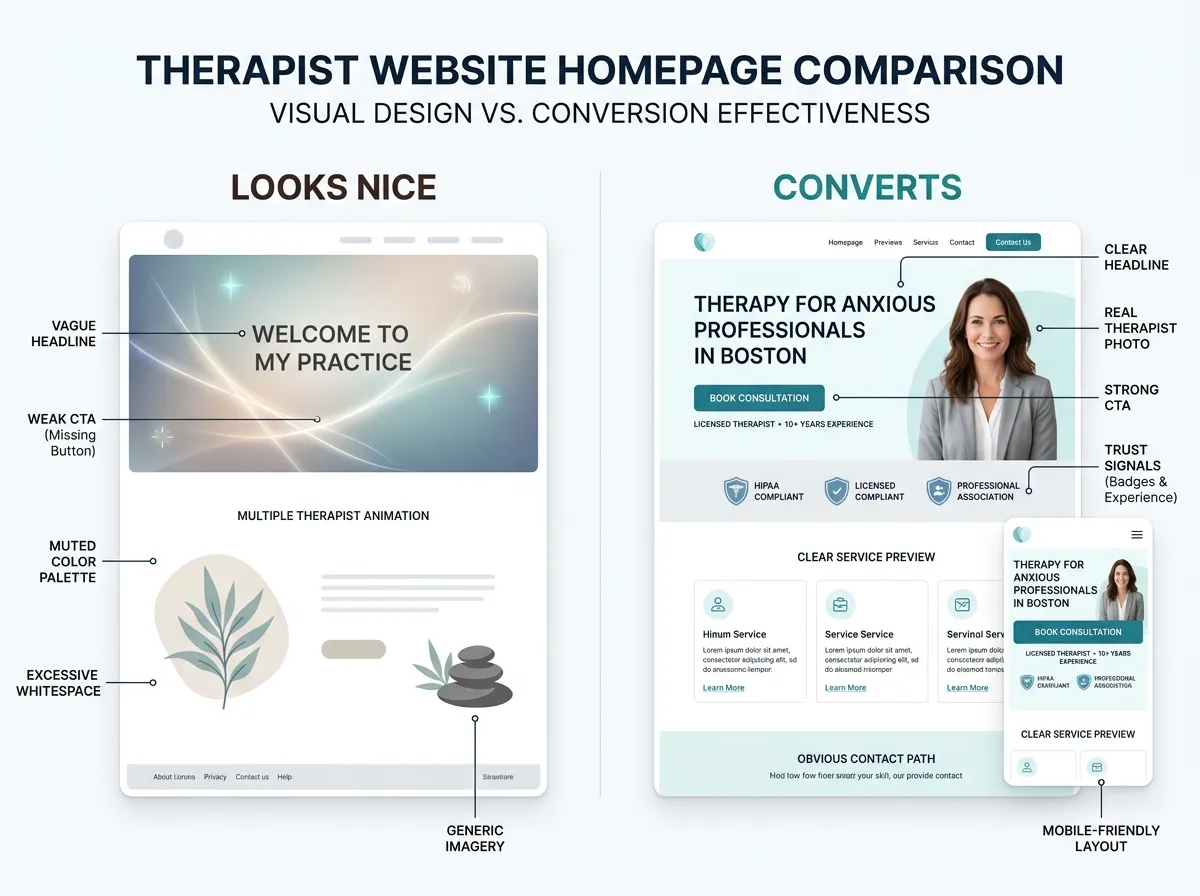
Designing a user-friendly therapy practice website is essential for enhancing client engagement and satisfaction. A well-designed website should be visually appealing, easy to navigate, and accessible to all users.
What Website Design Essentials Enhance Clinical User Experience?
Key design elements that enhance the clinical user experience include:
- Navigation Simplicity: Ensure that your website has a clear and intuitive navigation structure, allowing users to find information quickly.
- Mobile Responsiveness: Optimize your website for mobile devices, as many clients will access your site from smartphones or tablets.
- Aesthetic Considerations: Use calming colors and professional imagery that reflect the nature of your practice.
These design essentials contribute to a positive user experience, encouraging potential clients to explore your services further.
How to Optimize Navigation and Accessibility for Mental Health Clients?
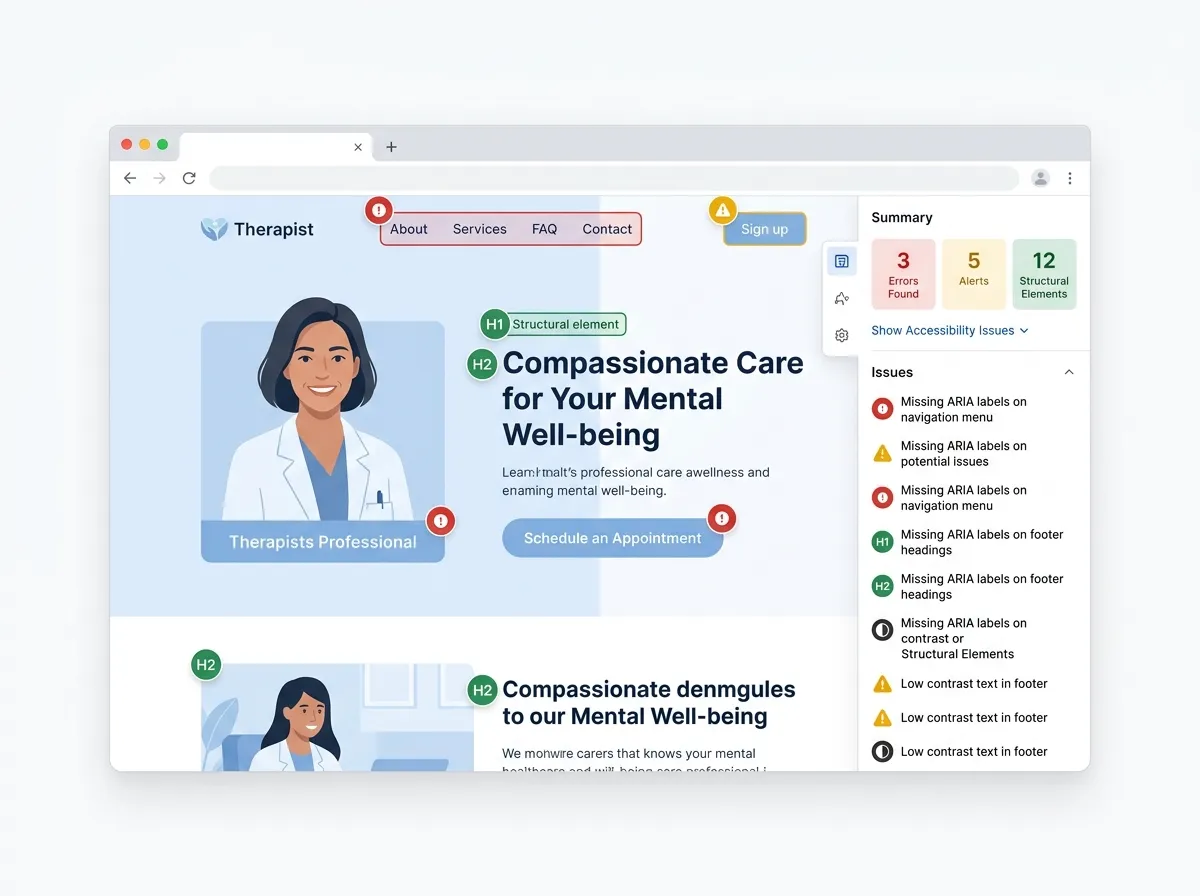
Improving navigation and accessibility is vital for ensuring that all clients can easily use your website. Consider implementing the following strategies:
- Clear Navigation Paths: Use descriptive labels for menu items to guide users effectively.
- Accessibility Standards: Adhere to web accessibility guidelines to accommodate clients with disabilities.
- Client Feedback Integration: Regularly solicit feedback from clients to identify areas for improvement in navigation and accessibility.
By prioritizing these aspects, you can create a website that is welcoming and easy to use for all clients.
How to Ensure HIPAA-aware and Security on Your Therapist Website?
Ensuring HIPAA compliance and security on your therapist website is crucial for protecting client information and maintaining trust. Understanding the legal requirements and implementing effective security measures will help safeguard sensitive data.
What Are the Legal Requirements for Therapist Website HIPAA-aware?
HIPAA regulations require that therapists take specific steps to protect client information. Key legal requirements include:
- Data Protection Laws: Ensure that your website complies with laws governing the protection of client data.
- Privacy Policies: Clearly outline your privacy policies on your website, detailing how client information will be used and protected.
- Consequences of Non-Compliance: Be aware of the potential legal repercussions of failing to comply with HIPAA regulations.
By understanding these requirements, you can take the necessary steps to ensure compliance and protect your clients.
HIPAA-aware for Therapist Websites: Posting NPPs
NPPs must be prominently posted on an organization’s website, as well as in the office(s).
The impact of HIPAA and HITECH regulations on the couple and family therapist, 2016
It is essential to display your Notice of Privacy Practices (NPPs) prominently on your website and in your physical office to meet HIPAA requirements.
Which Security Measures Protect Client Data Effectively?
Implementing robust security measures is essential for protecting client data on your therapist website. Consider the following strategies:
- Data Encryption: Use encryption protocols to secure sensitive information transmitted through your website.
- Secure Hosting: Choose a reputable hosting provider that offers security features such as firewalls and regular backups.
- Regular Security Audits: Conduct periodic security audits to identify and address potential vulnerabilities.
These measures will help ensure that client data remains confidential and secure.
What SEO Best Practices Should Therapists Follow When Launching Their Website?
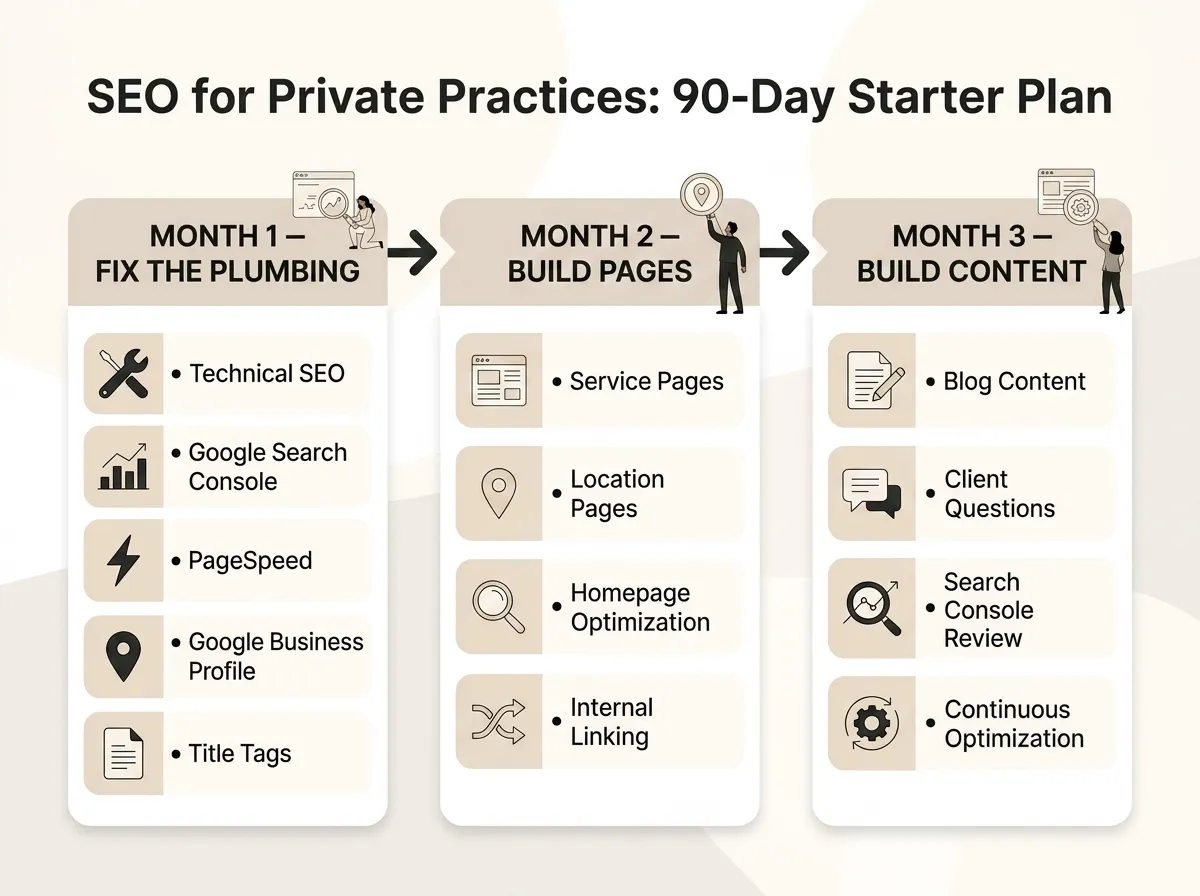
Implementing effective SEO strategies is vital for increasing the online visibility of your therapist website. By optimizing your site for search engines, you can attract more potential clients and grow your practice.
How to Implement Therapist Website SEO for Increased Online Visibility?
To enhance your website’s SEO, consider the following strategies:
- SEO Tools and Resources: Utilize tools like Google Analytics and keyword research tools to track performance and identify opportunities for improvement.
- Tracking Performance: Regularly monitor your website’s performance metrics to assess the effectiveness of your SEO efforts.
- Adjusting Strategies: Be prepared to adjust your SEO strategies based on performance data and changing trends in search engine algorithms.
By following these practices, you can improve your website’s search engine ranking and attract more visitors.
Which Keywords and Content Strategies Attract Ideal Therapy Clients?
Identifying the right keywords and content strategies is essential for attracting your ideal therapy clients. Focus on the following approaches:
- Identifying Target Keywords: Conduct keyword research to find terms that potential clients are searching for related to your services.
- Content Creation Tips: Create high-quality, informative content that addresses the needs and concerns of your target audience.
- Engagement Strategies: Use engaging formats such as blog posts, videos, and infographics to capture the attention of visitors.
These strategies will help you create content that resonates with potential clients and drives traffic to your website.
How to Integrate Client Booking Systems and Telehealth Services Seamlessly?
Integrating client booking systems and telehealth services into your therapist website can enhance client access and streamline your practice operations. This integration is essential for providing a modern and efficient client experience.
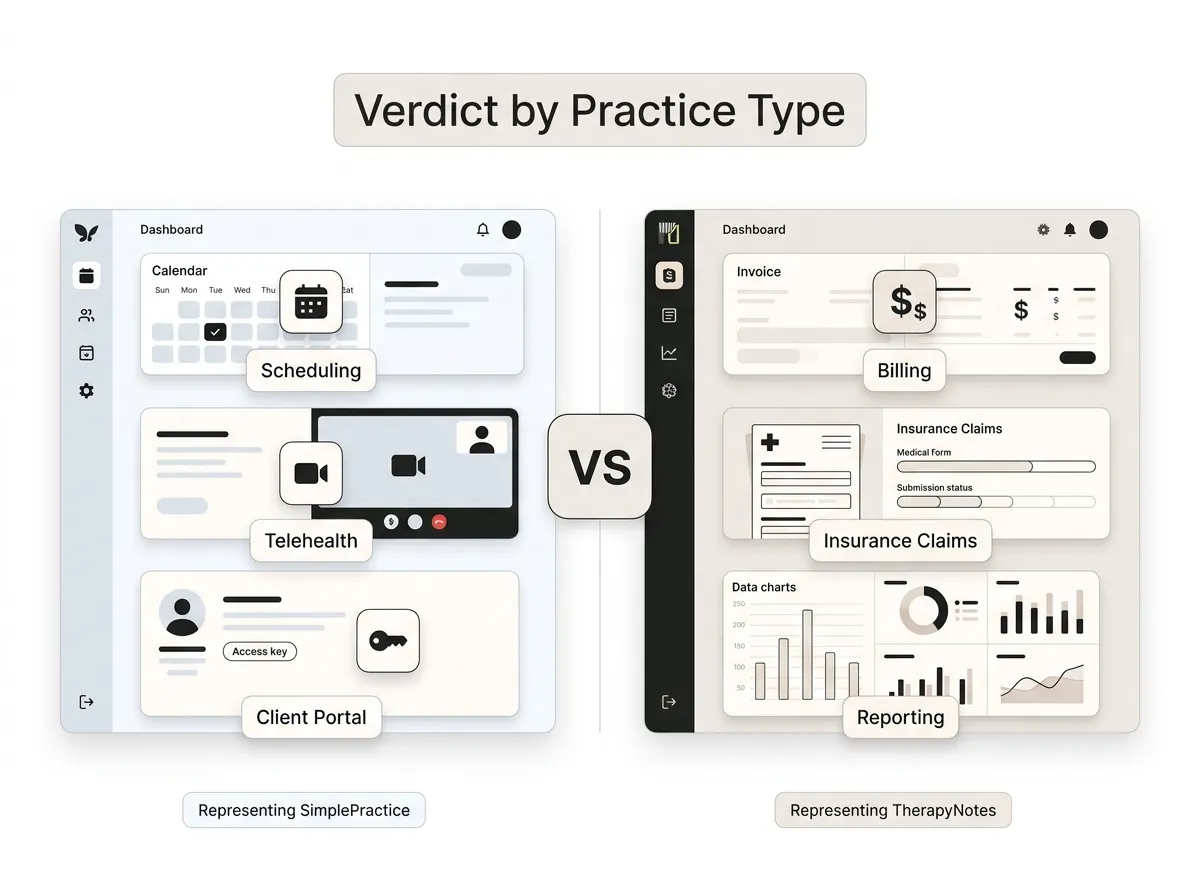
What Are the Best Client Booking Software Options for Therapists?
When selecting a client booking software, consider the following features:
- Features to Look For: Look for software that offers online scheduling, automated reminders, and secure payment processing.
- Pricing Comparisons: Compare pricing plans to find a solution that fits your budget and practice needs.
- User Reviews: Read user reviews to gauge the effectiveness and reliability of different booking systems.
Choosing the right software can significantly improve your practice’s efficiency and client satisfaction.
How to Incorporate Telehealth Integration for Enhanced Patient Access?
Incorporating telehealth services into your practice can provide clients with greater access to care. Consider these strategies for successful integration:
- Benefits of Telehealth: Highlight the convenience and flexibility that telehealth offers to clients, especially those with mobility or transportation challenges.
- Integration Challenges: Be aware of potential challenges, such as technology barriers or client resistance to virtual sessions.
- Best Practices: Follow best practices for telehealth, including ensuring a secure and private environment for virtual sessions.
By effectively integrating telehealth services, you can expand your reach and provide valuable support to your clients.
What Are the Final Launch and Marketing Strategies for Therapist Websites?
Preparing for a successful website launch and implementing effective marketing strategies are crucial for maximizing your online presence. These final steps will help ensure that your website reaches its intended audience.
How to Prepare for a Successful Website Launch and Monitor Performance?
To prepare for your website launch, consider the following steps:
- Pre-Launch Checklist: Create a checklist to ensure that all elements of your website are functioning correctly before going live.
- Monitoring Tools: Utilize analytics tools to monitor website traffic and user behavior after launch.
- Post-Launch Adjustments: Be ready to make adjustments based on user feedback and performance data.
These preparations will help you launch your website successfully and set the stage for ongoing improvements.
Which Marketing Techniques Drive Practice Growth Post-Launch?
After launching your website, implement effective marketing techniques to drive growth. Consider the following strategies:
- Social Media Marketing: Use social media platforms to promote your services and engage with potential clients.
- Email Marketing Strategies: Develop an email marketing campaign to keep clients informed about your services and updates.
- Networking Opportunities: Attend local events and connect with other professionals to expand your referral network.
By employing these marketing techniques, you can enhance your practice’s visibility and attract new clients.