Therapist EHR Comparison: SimplePractice, TherapyNotes & Jane App
Selecting an Electronic Health Record (EHR) is a strategic decision for therapists in private practice. This article compares three leading EHRs — SimplePractice, TherapyNotes, and Jane App — across features, scheduling and billing, telehealth, pricing, user experience, and security to help identify which best fits your practice.
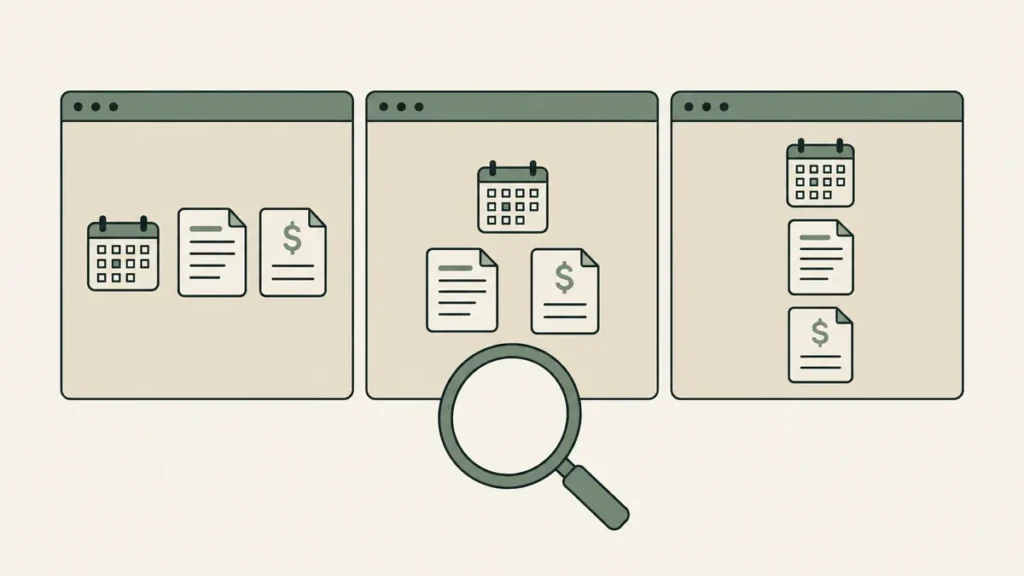
If your shortlist is SimplePractice vs Jane, the sections below on scheduling, billing, telehealth, and pricing show where the two differ for a private practice.
Selecting the right EHR is a pivotal choice that materially affects operational performance and the quality of client care.
Choosing the Right EHR for Therapy Practices
Choosing an Electronic Health Record system presents a complex decision for therapy practices because it influences both clinical quality and administrative efficiency. Therapists must balance documentation, scheduling and billing workflows when selecting a system that supports clinical work without adding administrative burden.
Therapy EHR Comparison: Choosing the Right System for Your Practice
Therapist EHR Comparison: SimplePractice, TherapyNotes & Jane App
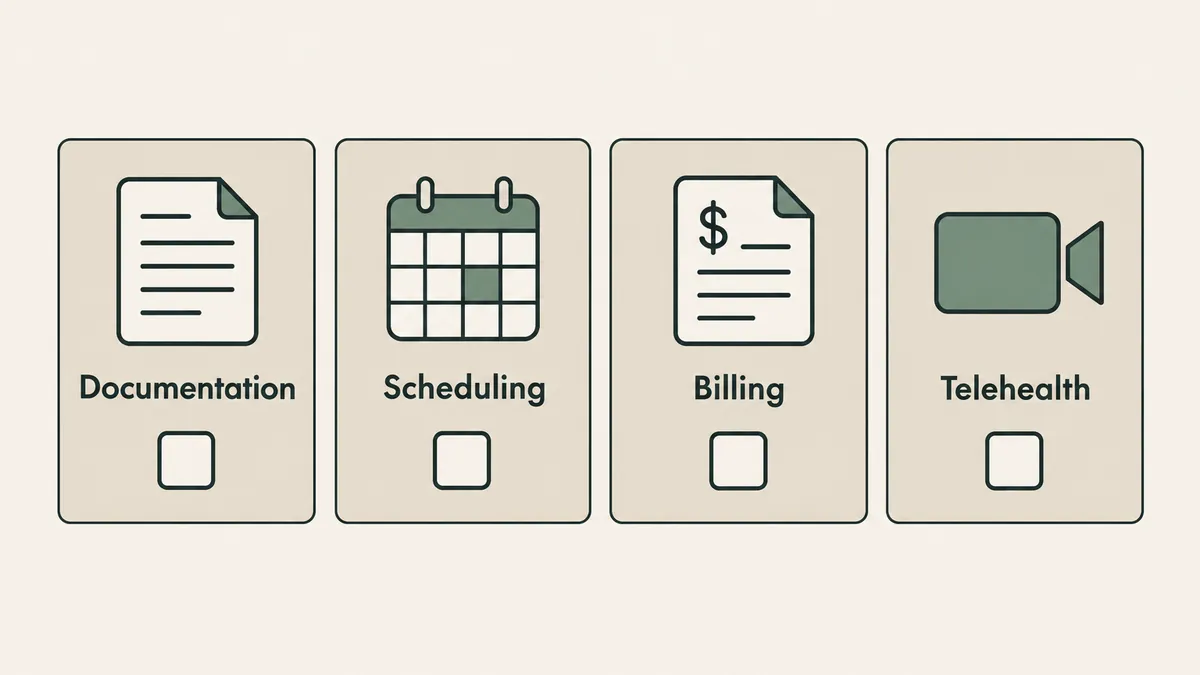
Assess each platform’s breadth and depth: SimplePractice, TherapyNotes, and Jane App offer distinct tools for therapist documentation and workflows.
Strategic selection and implementation of an EHR are critical for small ambulatory practices, yielding measurable benefits as well as implementation challenges.
EHR Selection & Implementation for Small Practices
This paper examines EHR use in small ambulatory practices, detailing both benefits and barriers to adoption. Reported benefits include improved patient care, greater office efficiency, and potential financial gains. Identified barriers include implementation costs; variability and lack of standardization among EHR products; vendor systems designed for larger organizations; resistance to change; initial productivity reductions during adoption; and perceptions that benefits may accrue more to payers or society than to individual providers.
How to successfully select and implement electronic health records (EHR) in small ambulatory practice settings, NM Lorenzi, 2009
SimplePractice provides customizable notes and treatment-plan templates; TherapyNotes offers a straightforward interface with built-in billing and scheduling; Jane App emphasizes telehealth alongside in-person care. SimplePractice‘s client portal and automated reminders suit practices needing a broad feature set, but the best choice depends on your workflows and clinical priorities.
How Do Scheduling and Billing Features Compare Across SimplePractice, TherapyNotes, and Jane App?

Scheduling and billing are core operations; each EHR reduces administrative friction in different ways to support revenue management.
SimplePractice‘s scheduling reduces no-shows with online booking and reminders. TherapyNotes integrates with external calendars and supports insurance claims; Jane App‘s waitlist feature helps maximize bookings. Choose the system that best matches your workflow and revenue needs.
What Telehealth Integration Capabilities Does Each EHR Provide?

Telehealth is an essential service for many therapy practices. Evaluate how each EHR supports virtual care alongside in-person sessions.
SimplePractice offers integrated secure video sessions. TherapyNotes supports HIPAA-aware telehealth workflows. Jane App prioritizes ease of joining sessions for clients. If virtual care is core to your practice, telehealth capability should be a primary selection criterion.
How Do Pricing Plans and Value Differ Among SimplePractice, TherapyNotes, and Jane App?
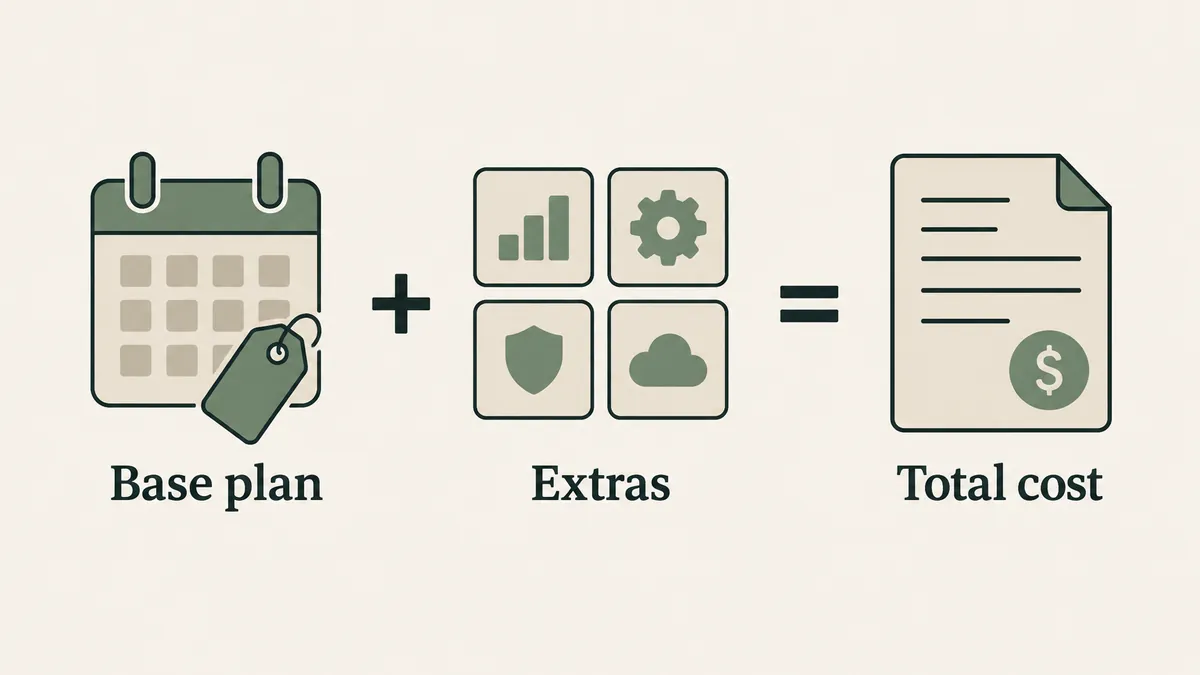
Pricing affects total cost of ownership and perceived value; compare what each plan includes relative to your needs.
- SimplePractice: Offers a tiered pricing model starting at $39 per month, with additional costs for telehealth features.
- TherapyNotes: Priced at $49 per month, it includes unlimited billing and scheduling features.
- Jane App: Starts at $124 per month, which includes comprehensive features but may be higher than competitors.
SimplePractice has a lower entry price; TherapyNotes balances included billing and scheduling with cost; Jane App‘s higher starting price may be justified by its broader feature set. Value depends on required features, client volume, and budget.
Jane App vs SimplePractice vs TherapyNotes: User Experience and Support
User experience and support quality shape daily workflow and adoption.
SimplePractice is known for an intuitive interface that eases training. TherapyNotes offers a clear design and responsive phone/email support. Jane App provides an organized UI plus tutorials and live chat. Reliable UX and accessible support improve productivity and reduce administrative friction.
Which EHR Ensures Compliance and Security for Mental Health Private Practices?
Compliance with regulations such as HIPAA is mandatory; vendors implement technical and administrative controls to meet these requirements.
Although concerns persist about sensitive data and therapeutic relationships, EHRs are increasingly recognised as essential to improving documentation, information sharing, and care quality in mental health settings.
EHR Impact on Mental Health Information Practices
Adoption of EHRs and EMRs in mental health has been gradual, partly due to concerns about collecting sensitive information, standardising mental health data, and potential impacts on therapeutic relationships. Despite these issues, EHRs are increasingly regarded as important tools for improving documentation, information use, and the overall quality of care.
Impact of electronic health records on information practices in mental health contexts: scoping review, TC Kariotis, 2022
Vendors use encryption, secure messaging, two-factor authentication, and regular audits to maintain compliance. Prioritize an EHR with rigorous controls to protect client data and preserve trust in clinical care.
Frequently Asked Questions
What factors should I consider when choosing an EHR for my therapy practice?
Consider core features (client management, scheduling, billing), how they fit your workflows, the ease of use, vendor support, pricing, and HIPAA/security measures to protect client data.
Can I integrate my EHR with other tools or software?
Most platforms support integrations (practice management, billing, telehealth). Confirm specific integrations and that they match your existing tools to avoid duplicate data entry.
How can I ensure a smooth transition to a new EHR system?
Plan migration: train staff, import and validate client data, test workflows, and use vendor support during rollout. Communicate changes to clients to reduce disruption.
What are the common challenges therapists face when using EHR systems?
Common issues include learning interfaces, technical problems, and time for documentation. Expect temporary productivity dips during adoption and choose user-friendly vendors with solid support.
Are there any specific features that enhance telehealth services in EHRs?
Look for secure video, virtual appointment scheduling, integrated telehealth billing, automated reminders, and quick access to notes during sessions to improve the virtual care experience.
How do I evaluate the customer support options available for an EHR?
Check support channels (phone, email, live chat), hours of operation, training materials, and user feedback on responsiveness and helpfulness.
Conclusion
Choosing the right EHR can improve efficiency and client care. SimplePractice, TherapyNotes, and Jane App each serve different practice needs while maintaining compliance and security. Compare features against your operational goals to determine which solution best supports your practice.