Landing Page Templates for Therapists
High-Converting Landing Pages: Growth Strategies for Therapists
Creating an effective landing page is crucial for therapists looking to attract and convert potential clients. A well-designed landing page not only showcases your services but also builds trust and encourages visitors to take action. In this article, we will explore the essential features of therapist landing pages, design strategies that attract ideal clients, SEO techniques to enhance visibility, and compliance considerations to ensure client privacy. By understanding these elements, therapists can create landing pages that not only inform but also convert visitors into clients. We will also provide examples of high-converting templates and discuss how to monitor their performance for ongoing success.
What Are the Essential Features of Effective Therapist Landing Pages?
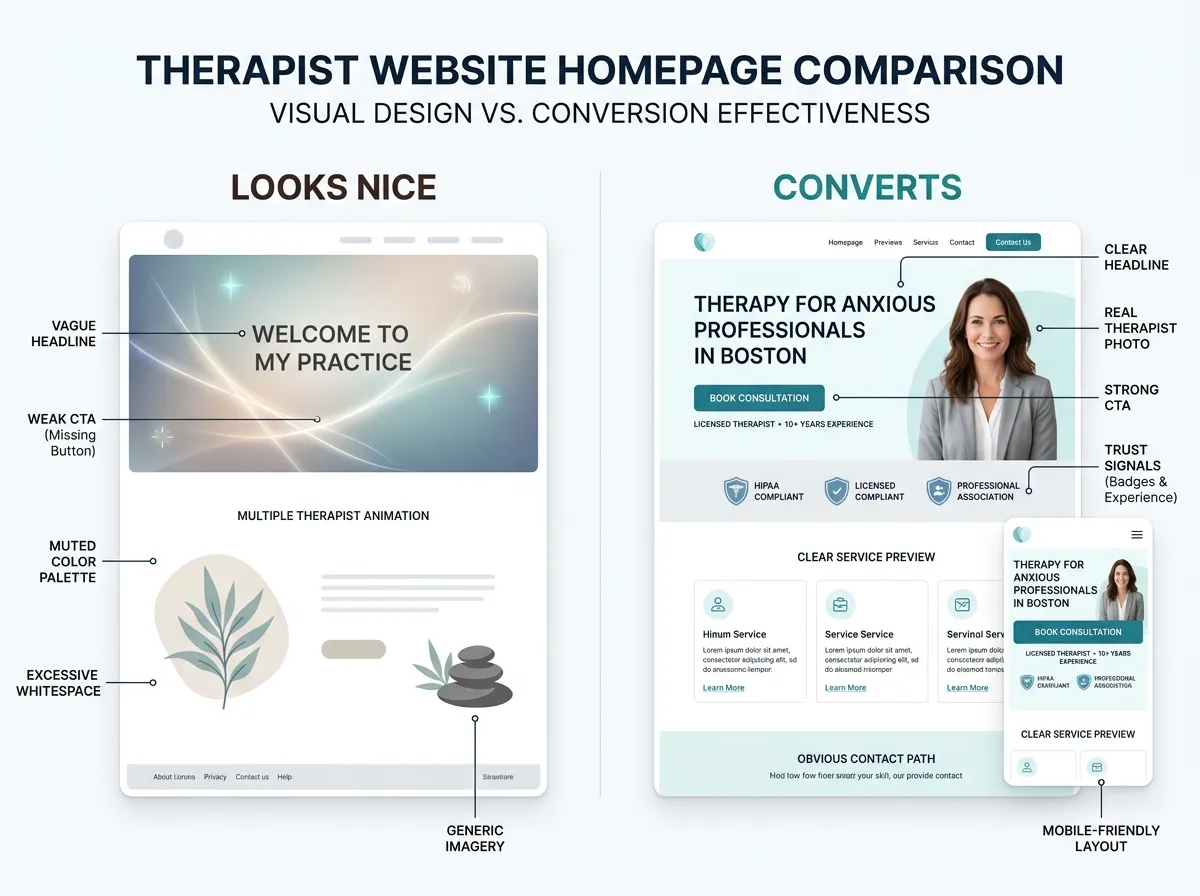
Effective therapist landing pages share several key features that enhance user experience and drive conversions. These elements work together to create a seamless journey for potential clients, guiding them from initial interest to booking an appointment.
- Clear Call-to-Action (CTA): A prominent and compelling CTA encourages visitors to take the next step, whether it’s scheduling a consultation or signing up for a newsletter.
- Client Testimonials: Including testimonials builds trust and credibility, showcasing the positive experiences of past clients.
- Mobile Responsiveness: With an increasing number of users accessing websites via mobile devices, ensuring that landing pages are mobile-friendly is essential for retaining visitors.
How Do Appointment Booking Integrations Enhance Client Conversion?
Integrating appointment booking systems into therapist landing pages significantly enhances client conversion rates. These systems provide increased convenience for clients, allowing them to schedule appointments directly from the website. This streamlined scheduling process reduces the likelihood of no-shows and makes it easier for clients to engage with your services. Popular booking tools like Calendly and Acuity Scheduling can be easily integrated, providing a seamless experience for both therapists and clients.
Why Are Client Testimonials and Trust Signals Crucial for Therapy Websites?
Client testimonials and trust signals are vital components of effective therapy websites. They build trust with potential clients by showcasing the positive experiences of others. Research indicates that websites featuring testimonials can see conversion rates increase by significantly. Additionally, trust signals such as professional affiliations, certifications, and privacy policies further enhance credibility, encouraging visitors to engage with your services.
How to Design Therapist Website Templates That Attract Ideal Clients
Designing therapist website templates requires a focus on user experience and aesthetic appeal. A well-structured layout can significantly impact how potential clients perceive your practice and their likelihood of reaching out.
- User-Friendly Navigation: Clear and intuitive navigation helps visitors find the information they need quickly, enhancing their overall experience.
- Aesthetic Appeal: A visually appealing design that reflects your brand can create a positive first impression and encourage visitors to explore further.
- Content Relevance: Providing relevant and informative content tailored to your target audience can help establish your authority and attract ideal clients.
What Are Best Practices for Therapist Website Layout and User Experience?
Best practices for therapist website layout focus on creating an intuitive and accessible user experience. Key considerations include:
- Intuitive Design: Ensure that the layout is easy to navigate, with clear headings and sections that guide users through the content.
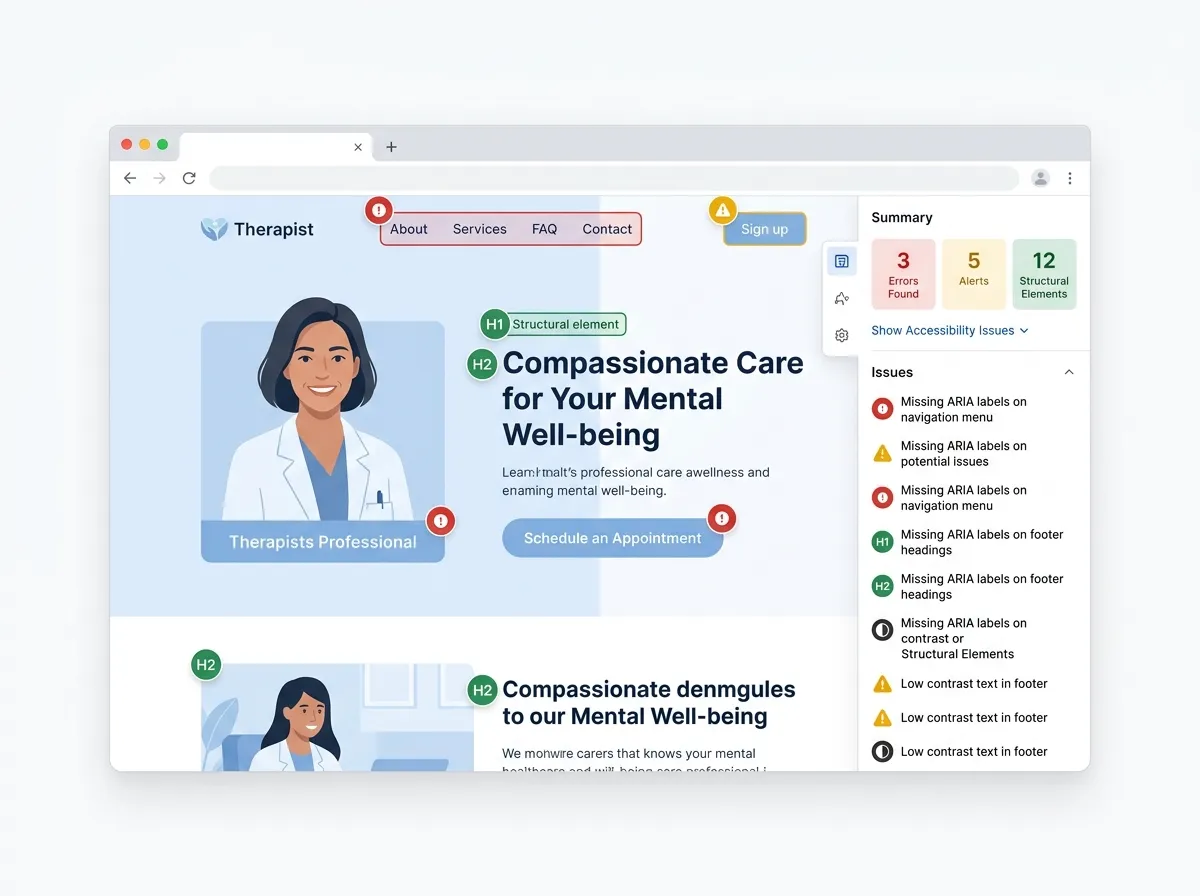
- Accessibility Considerations: Implement features that enhance accessibility, such as alt text for images and easy-to-read fonts.
- Mobile Optimization: Prioritize mobile-first design to cater to the growing number of users accessing websites on their smartphones.
How Does Mobile-First Design Improve Accessibility for Mental Health Services?
Mobile-first design is essential for improving accessibility in mental health services. With statistics showing that a significant percentage of web traffic comes from mobile devices, optimizing landing pages for mobile use ensures that potential clients can easily access your services. This approach not only enhances user experience but also improves search engine rankings, making it easier for clients to find your practice online.
What SEO Strategies Optimize Therapist Landing Pages for Higher Visibility?
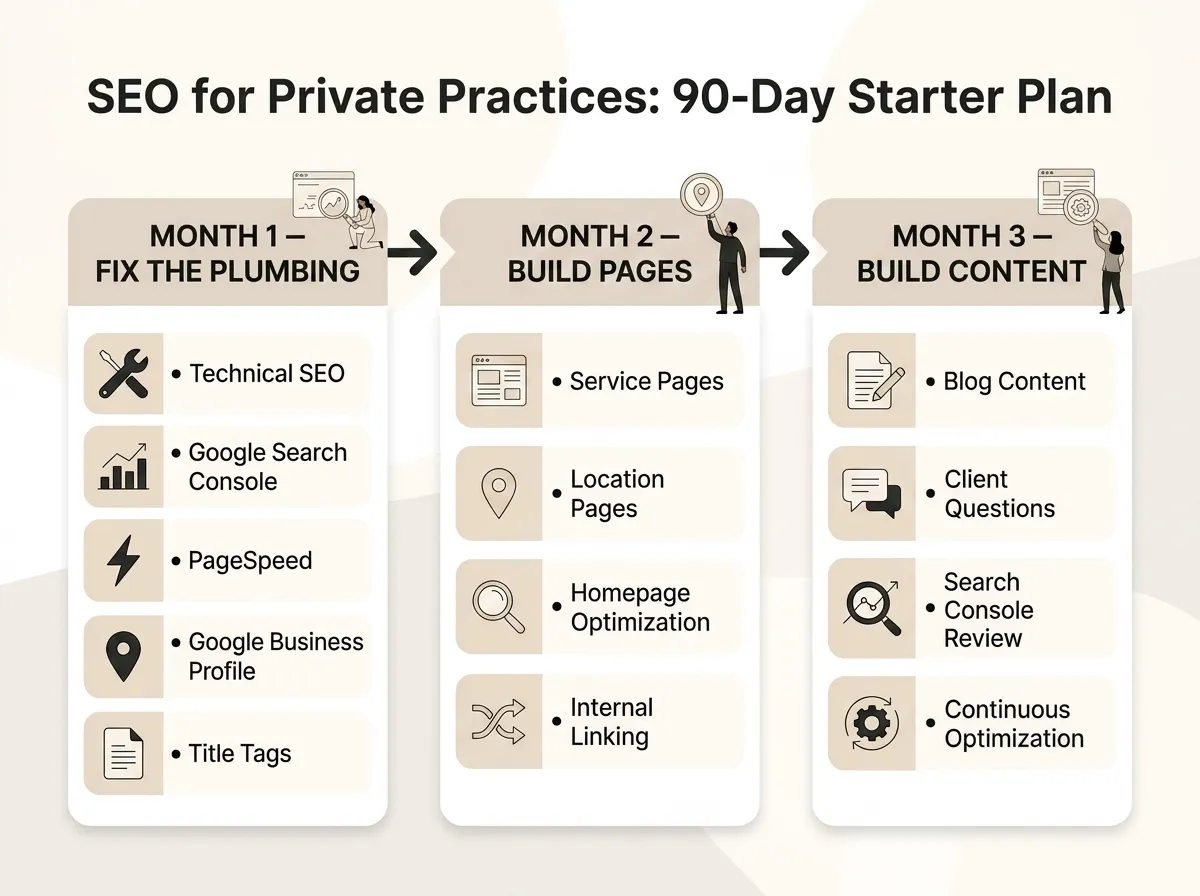
Implementing effective SEO strategies is crucial for optimizing therapist landing pages and increasing their visibility in search engine results. By focusing on keyword optimization, content quality, and backlink strategies, therapists can enhance their online presence.
- Keyword Optimization: Identifying and incorporating relevant keywords into your content helps search engines understand the focus of your landing page.
- Content Quality: High-quality, informative content that addresses the needs of your target audience can improve engagement and reduce bounce rates.
- Backlink Strategies: Building backlinks from reputable sources can enhance your website’s authority and improve its ranking in search results.
Which Keywords and Semantic Entities Should Therapists Target?
Therapists should target a range of keywords and semantic entities to optimize their landing pages effectively. Key phrases to consider include “landing pages therapists,” “therapy website layout,” and “therapist online booking pages.” Additionally, focusing on long-tail keywords can help capture specific search queries from potential clients.
How Does Structured Data Markup Improve Search Engine Understanding?
Structured data markup enhances search engine understanding by providing additional context about the content on your landing page. By implementing schema markup, therapists can improve their chances of appearing in rich snippets, which can increase click-through rates. This technique helps search engines better interpret the information on your site, leading to improved visibility in search results.
How to Ensure HIPAA-aware and Privacy on Therapy Landing Pages
Ensuring HIPAA compliance and protecting client privacy is paramount for therapists operating online. Adhering to legal requirements not only safeguards client information but also builds trust with potential clients.
- Understanding HIPAA Requirements: Familiarize yourself with HIPAA regulations to ensure that your website meets all necessary compliance standards.
- Importance of Client Privacy: Communicating your commitment to client privacy can enhance trust and encourage potential clients to engage with your services.
- Best Practices for Compliance: Implement best practices such as secure data storage and encrypted communication channels to protect client information.
What Security Features Are Required for Teletherapy Support?
Teletherapy requires specific security features to ensure client confidentiality and data protection. Key security measures include:
- Data Encryption: Encrypting sensitive information helps protect client data from unauthorized access.
- Secure Communication Channels: Utilizing secure platforms for video sessions ensures that client interactions remain confidential.
- User Authentication: Implementing user authentication measures can prevent unauthorized access to sensitive information.
How to Communicate Privacy Policies Effectively to Build Client Confidence?
Effectively communicating privacy policies is essential for building client confidence. Clear and transparent privacy statements can educate clients about how their information will be used and protected. Key strategies include:
- Clarity and Transparency: Use straightforward language to explain your privacy practices, avoiding legal jargon that may confuse clients.
- Client Education: Provide resources that help clients understand their rights regarding privacy and data protection.
- Trust-Building Strategies: Highlight your commitment to confidentiality and the measures you take to protect client information.
What Are Examples of High-Converting Therapy Landing Page Templates?
High-converting therapy landing page templates share common features that enhance user experience and drive conversions. These templates are designed to effectively showcase therapist credentials and specialties while engaging potential clients.
- Diverse Template Options: Offering a variety of templates allows therapists to choose designs that best reflect their brand and services.
- Customization Features: Customizable templates enable therapists to tailor their landing pages to meet their specific needs and preferences.
- Client Success Stories: Including case studies or success stories can demonstrate the effectiveness of your services and encourage potential clients to reach out.
How Do Template Features Support Therapist Credentials and Specialties?
Template features that highlight therapist credentials and specialties can significantly impact client engagement. Key elements include:
- Highlighting Qualifications: Displaying professional qualifications and certifications can enhance credibility and trust.
- Showcasing Specialties: Clearly outlining areas of expertise helps potential clients understand the specific services offered.
- Building Authority: A well-designed template that emphasizes credentials can position therapists as authorities in their field.
What Role Do Visuals and Video Demos Play in Client Engagement?
Visuals and video demos play a crucial role in enhancing client engagement on therapy landing pages. Research shows that incorporating visuals can increase user retention and interaction. Key benefits include:
- Enhancing User Experience: Engaging visuals can make the content more appealing and easier to digest.
- Increasing Engagement: Video demos can provide a personal touch, allowing potential clients to connect with therapists before making contact.
- Visual Storytelling: Using visuals to tell a story can effectively communicate the therapist’s approach and philosophy, fostering a deeper connection with potential clients.
High-Converting Landing Pages: Growth Strategies for Therapists
Monitoring the performance of therapist landing pages is essential for practice growth. By analyzing key performance indicators (KPIs), therapists can identify areas for improvement and optimize their online presence.
- Setting Performance Metrics: Establishing clear performance metrics helps track the effectiveness of landing pages in achieving business goals.
- Using Analytics Tools: Implementing analytics tools allows therapists to gather data on user behavior, traffic sources, and conversion rates.
- Continuous Improvement Strategies: Regularly reviewing performance data enables therapists to make informed decisions about content updates and design changes.
Which KPIs Measure Landing Page Success for Therapists?
Key performance indicators (KPIs) are essential for measuring the success of therapist landing pages. Important KPIs to track include:
- Traffic Metrics: Monitoring the number of visitors to your landing page can provide insights into its reach and effectiveness.
- Conversion Rates: Analyzing conversion rates helps assess how well the landing page is performing in terms of turning visitors into clients.
- Engagement Metrics: Tracking user engagement, such as time spent on the page and bounce rates, can indicate the quality of the content and user experience.
What Tools and Strategies Support Ongoing Content Updates and Compliance?
To ensure ongoing content updates and compliance, therapists can utilize various tools and strategies. Key resources include:
- Content Management Systems: Implementing a robust content management system (CMS) can streamline the process of updating website content.
- Compliance Check Tools: Utilizing tools that assess compliance with HIPAA and other regulations can help maintain legal standards.
- Regular Audits: Conducting regular audits of website content and compliance practices ensures that therapists remain up-to-date with industry standards and best practices.