Building High-Converting WordPress Sites for Therapists
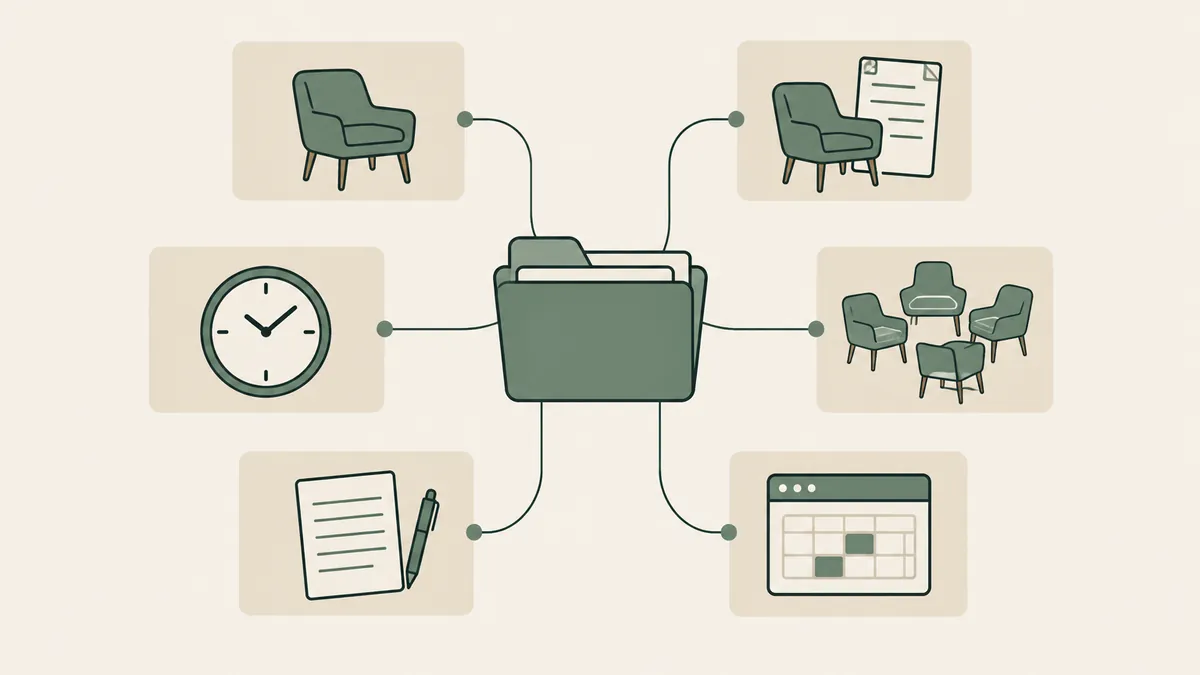
Therapists need a professional website that communicates care and competence while making it easy for clients to find information and book services. This guide gives practical WordPress-focused advice to improve search visibility, user trust, and client engagement.
Best Practices for Therapy Website Design
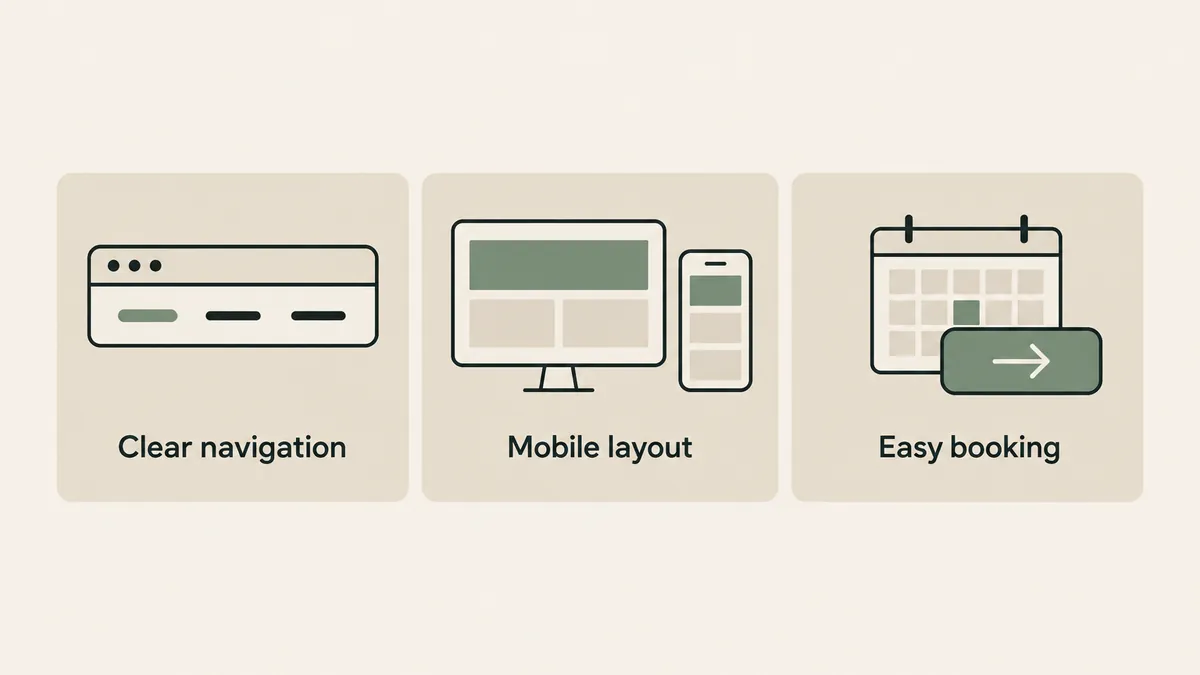
Make deliberate design choices that prioritise clarity, accessibility, and search performance. Focus on navigation, mobile behaviour, and concise content to support both users and your practice goals.
User-Friendly Navigation
Use clear labels and a simple menu structure so visitors quickly find services, fees, contact details, and booking options.
Mobile Responsiveness

Ensure layouts, buttons, and booking forms work reliably on phones and tablets to reduce bounce and make scheduling easy.
SEO Optimization
Prioritise local SEO, target relevant keywords, and keep headings, meta descriptions, and content updated so prospective clients can find you.
Clear Calls to Action
Place prominent, descriptive CTAs (book, contact, or call) so visitors know the next step and can convert without friction.
Engaging Content
Publish content that answers client questions and explains your services—mix short articles, visuals, and practical resources to build trust.
Visual Appeal
Adopt a calm, consistent aesthetic and readable typography to create a reassuring first impression.
Secure Client Portals

Use secure, compliant portals for registrations and records (follow HIPAA or local rules where required) to protect data and reassure clients.
Online Booking Systems
Integrated booking with automated reminders lowers no-shows and simplifies practice administration.
For specialised WordPress implementations, consider an experienced designer for custom solutions that match therapy practice needs.
Strategies for Enhancing User Engagement
Combine useful tools, diverse content, and clear sharing options to deepen engagement and guide visitors toward contacting or booking.
Interactive Elements
Simple assessments or surveys invite participation and help visitors understand relevant services.
Video Content
Short, professional videos can introduce you, explain what to expect, and communicate approach and tone.
Blogging
Regular blog posts addressing client concerns support SEO and demonstrate expertise.
Social Media Integration
Accessible social buttons make sharing easier and extend your reach across platforms.
Analytics
Track metrics (bounce rate, page views, session duration) to refine content and site flow based on real behaviour.
How to Choose the Best WordPress Themes for Therapist Websites?
Select themes that allow branding, easy customisation, fast performance, and reliable mobile support.
Which Features Define WordPress Themes Tailored for Therapists?
Look for built-in tools that directly support client workflows and content delivery.
- Appointment Booking: Integrated systems for easy scheduling.
- Contact Forms: Clear forms for potential clients to reach out.
- Testimonials Section: Areas for client reviews to foster trust.
- Blog Functionality: Ability to post updates and resources.
- SEO Readiness: Built-in features for effective search engine optimization.
These features streamline user journeys and reinforce a professional online presence.
Building High-Converting WordPress Sites for Therapists
Responsive, accessible themes broaden reach, improve SEO performance, and deliver a consistent experience across devices and user abilities.
- Wider Reach: Accessible sites cater to clients with disabilities, broadening your audience.
- Improved SEO Rankings: Search engines favor responsive designs, increasing visibility.
- Enhanced User Experience: Users will have a smoother experience across devices.
Prioritising accessibility and responsiveness helps maintain competitiveness and ethical practice.
Building High-Converting WordPress Sites for Therapists
Use plugins to add SEO, forms, booking, security, and backups without custom development where possible.
Choose well-supported plugins that receive updates and match your privacy and performance requirements.
Which Plugins Optimize Appointment Booking and Client Communication?
Popular options include Calendly and Acuity for scheduling and Slack for team communication, chosen to match workflow and practice size.
How Do SEO and Security Plugins Enhance Therapist Website Performance?
Use security plugins (firewall, malware scanning, backups) alongside SEO tools to protect data while improving visibility and reliability.
- Security Plugins: Protect your site from threats, ensuring client data safety.
- SEO Plugins: Enhance your content visibility, attracting more visitors.
- Backup Plugins: Regular backups prevent data loss in case of an emergency.
Combine these tools to maintain site integrity and performance.
Building High-Converting WordPress Sites for Therapists
Optimize content around target keywords, use descriptive image alt text, and keep URL and heading structure clean to improve usability and indexability.
How Can Therapists Implement SEO Best Practices on WordPress?
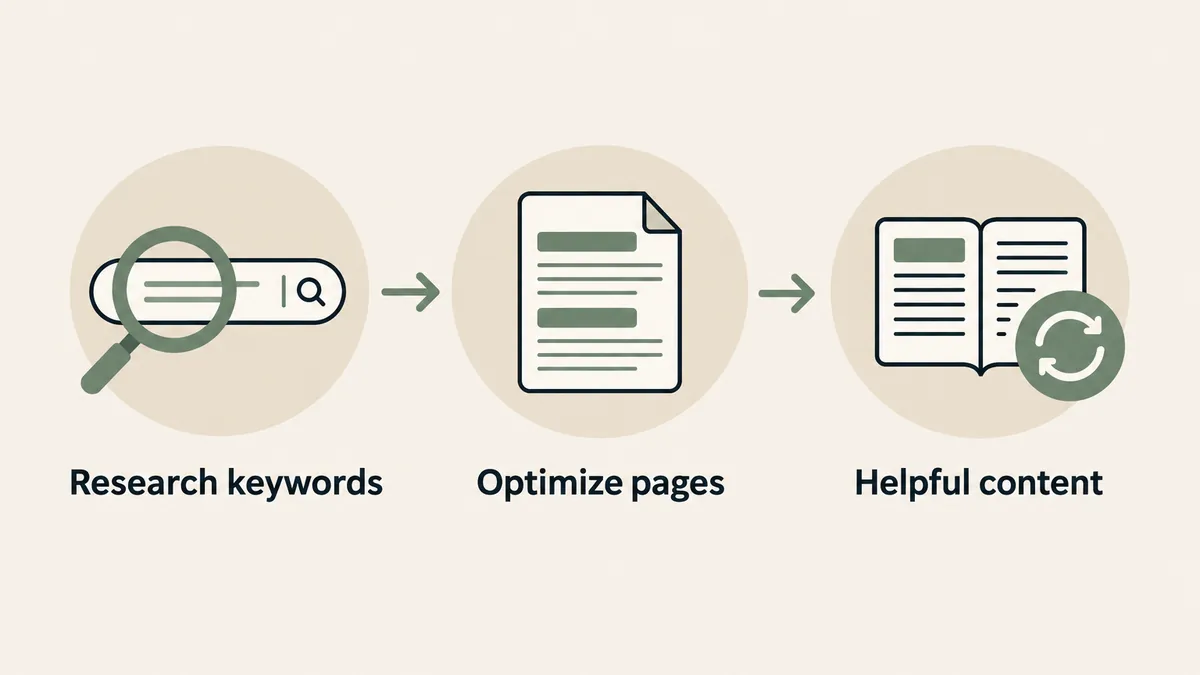
Follow a structured approach: research keywords, optimise on-page elements (titles, metas, headings), and publish helpful, regular content that answers client questions.
- Conduct Keyword Research: Identifying relevant keywords helps align content with what clients are searching for.
- Optimize On-Page Elements: Ensure that titles, meta descriptions, and headings are optimized for targeted keywords.
- Create Quality Content: Regular content updates and articles targeting client questions will improve visibility and engagement.
Why Is Accessibility Compliance Critical for Therapist Websites?
Accessibility ensures all potential clients can use your site, reduces legal risk, and reflects ethical care by accommodating diverse needs.
How to Structure Content for Therapist Websites to Boost Client Engagement?
Use clear headings, short paragraphs, and lists so visitors scan quickly and find relevant information without friction.
What Content Best Practices Reflect Therapist Brand Identity?
Write authentically and consistently, keep messaging clear, and prioritise client-focused content that addresses needs and solutions.
- Authenticity: Use a genuine voice that reflects your personality and values.
- Clear Messaging: Consistent messaging across all platforms solidifies your practice’s identity.
- Client-Centric Content: Focus on what matters to your clients, addressing their concerns and providing solutions.
These elements help build a recognisable, trustworthy practice presence online.
How Does Clear Navigation Reduce Friction and Build Patient Confidence?
Clear navigation reduces confusion, helps visitors find key information, and increases the likelihood they will contact or book with confidence.
Frequently Asked Questions
1. How important is website speed for therapists?
Speed affects engagement and rankings; optimise images, enable caching, and minimise code to improve load times.
2. Are blog posts beneficial for therapy websites?
Yes. Regular, helpful blogs address client concerns, build trust, and support organic visibility.
3. What role do testimonials play in therapy website effectiveness?
Testimonials provide social proof and reassure visitors about the value of your services.
4. What features should I look for in a security plugin for my therapy website?
Look for firewall protection, malware scanning, spam prevention, SSL support, and reliable backup features.
5. How can I effectively incorporate video content on my therapy site?
Use short, relevant videos (intro, process overview, or client stories) with good playback across devices.
6. Should I provide resources or downloadable content on my website?
Yes—guides or worksheets add value, support lead capture, and demonstrate practical expertise.
7. Can I use a free WordPress theme for my therapy website?
Free themes can work for simple sites, but premium or custom themes usually offer better support, features, and performance.
Conclusion
A WordPress site that balances SEO, accessibility, and user experience increases visibility and supports practice growth. Use focused design choices, reliable plugins, and helpful content to create a site that reflects your professional identity and meets client needs.