Essential Local SEO Strategies for Therapy Practices
By Therapeia Web Design Editorial Team · Updated 2026-08-05
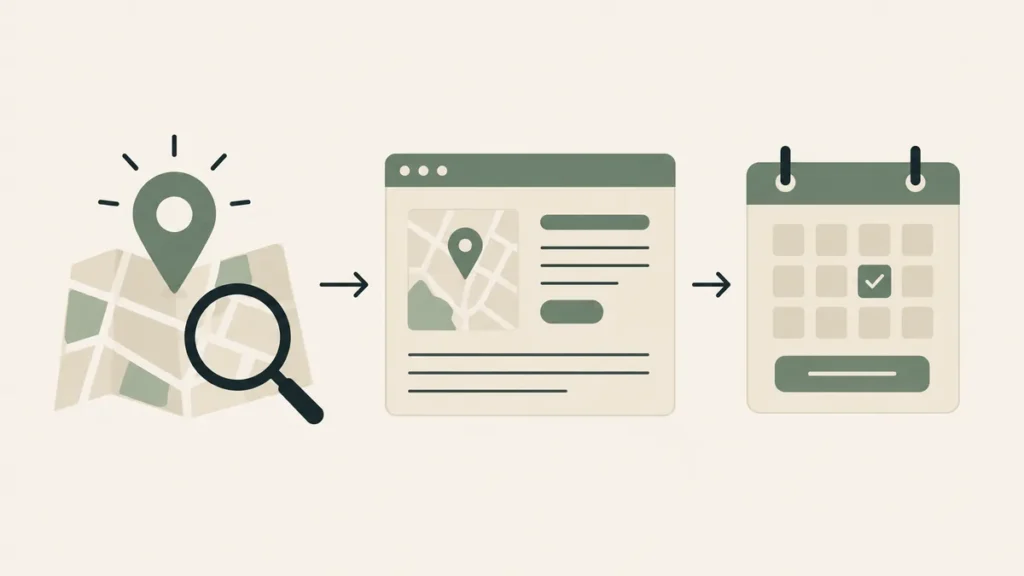
Local SEO for therapists requires an optimized Google Business Profile, consistent NAP citations, and location-specific keywords like “counsellor in Bolton.” Therapeia Web Design, a 50-employee agency based in Bolton, Manchester, builds these strategies into therapist websites to boost visibility in local search results and attract nearby clients.
Local SEO for therapists and counselors optimizes Google Business Profiles, city-specific landing pages. Directory listings so practices rank for searches like “therapist near me.” Therapeia Web Design pairs this strategy with mobile-first, WCAG 2.1-informed websites, converting local search visibility into booked consultations rather than just traffic.
Key Takeaways
- Most clients searching for mental health support begin their journey on Google, making SEO essential for therapists.
- Local SEO helps counselors appear in search results when potential clients actively seek care in their specific area.
- Therapeia Web Design, a Bolton-based firm with 50 employees, specializes in SEO strategies for mental health professionals.
- SEO for therapists prioritizes trust, ethics, and accuracy—critical factors that differentiate mental health marketing from other industries.
What Do You Need Before Starting Local SEO?
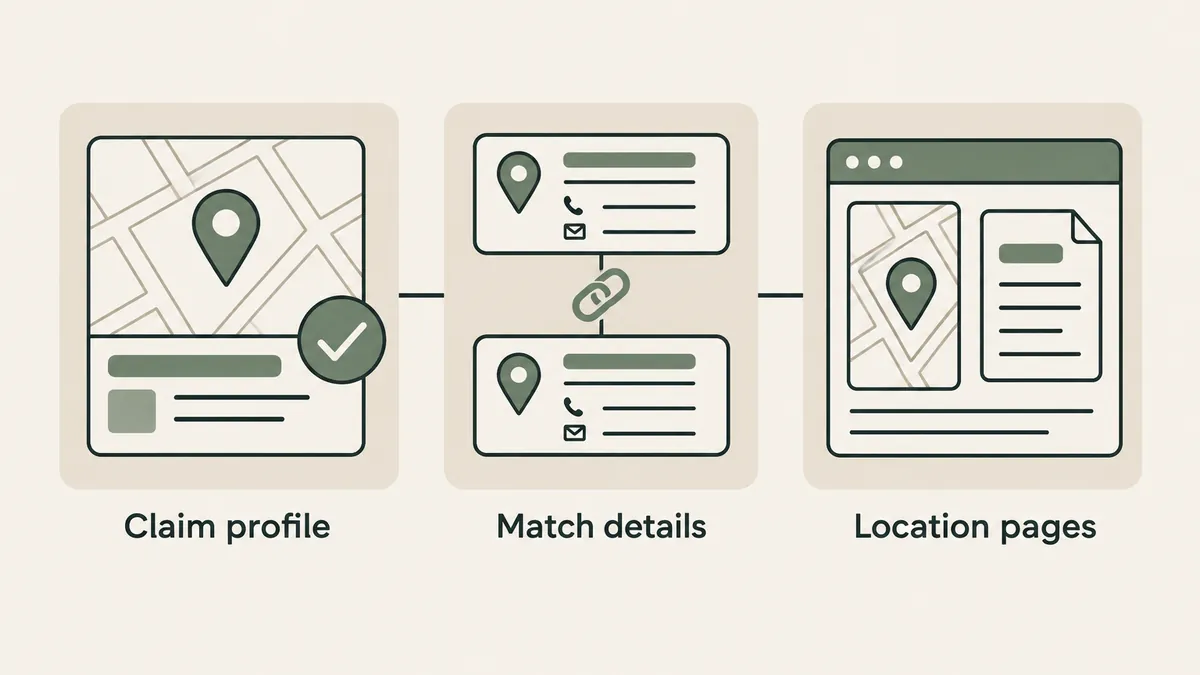
A clear foundation matters before any campaign begins. Practices need three assets in place: a claimed Google Business Profile, consistent contact information across directories, and location-specific website content. Without these building blocks, ranking efforts stall regardless of effort spent elsewhere.
Local search engine optimization works by optimizing a practice’s online presence so it appears prominently when potential clients search for services nearby. Seventy-seven percent of people seeking mental health support begin that search on Google, which makes visibility a prerequisite, not a bonus feature, for filling a caseload.
Why do so many therapy practices struggle to show up online?
Many private practices struggle with visibility long after launch. That gap leads directly to missed opportunities for client engagement, even among skilled clinicians with strong reputations.
What results come from getting the basics right?
Targeted local SEO strategies significantly improve both online presence and client acquisition once foundational elements are correct. Before building further, practices should confirm:
- Google Business Profile ownership and verification
- Consistent name, address, and phone details across listings
- Location and specialty pages reflecting the services offered
These fundamentals set up every strategy that follows.

How Do You Execute the Core Steps?
In answer to the question, “What Specific Local SEO Strategies Do You Implement for Therapists and Counselors?”, four disciplines anchor specific local SEO strategies for therapists and counselors: Google Business Profile optimization, local keyword targeting, citation building, and review management. Each step builds on the last, so practice owners should follow them in sequence rather than tackling them all at once.
- Claim and optimize the Google Business Profile. Fill in every field: specialties, session formats, service areas, and office hours. An incomplete profile forfeits visibility that competitors readily capture.
- Target local keywords with intent. Terms such as “therapist near me” generate over 301,000 searches monthly, proving how many prospective clients search by location before they search by specialty.
- Build consistent citations. List the practice’s name, address, and phone number identically across directories. Inconsistent citations confuse search algorithms and erode local ranking authority.
- Manage reviews actively. Request feedback after positive sessions and respond to every review, professionally and promptly.
Why does this sequence matter for ranking?
Local optimization drives organic traffic and helps secure a spot in Google’s Local Pack, the map-based results block above standard listings. Unlike paid advertising, which stops producing leads the moment the budget runs out, local SEO compounds. Every review earned and every citation built adds durable authority that competitors cannot simply outbid.
What happens once local traffic arrives?
Traffic alone doesn’t fill a calendar. Once search visitors land on the site, secure, HIPAA-compliant intake forms convert that interest into booked consultations. Without a frictionless, compliant path to scheduling, even top local rankings fail to translate into new clients.
What Mistakes Undermine Local SEO Results?
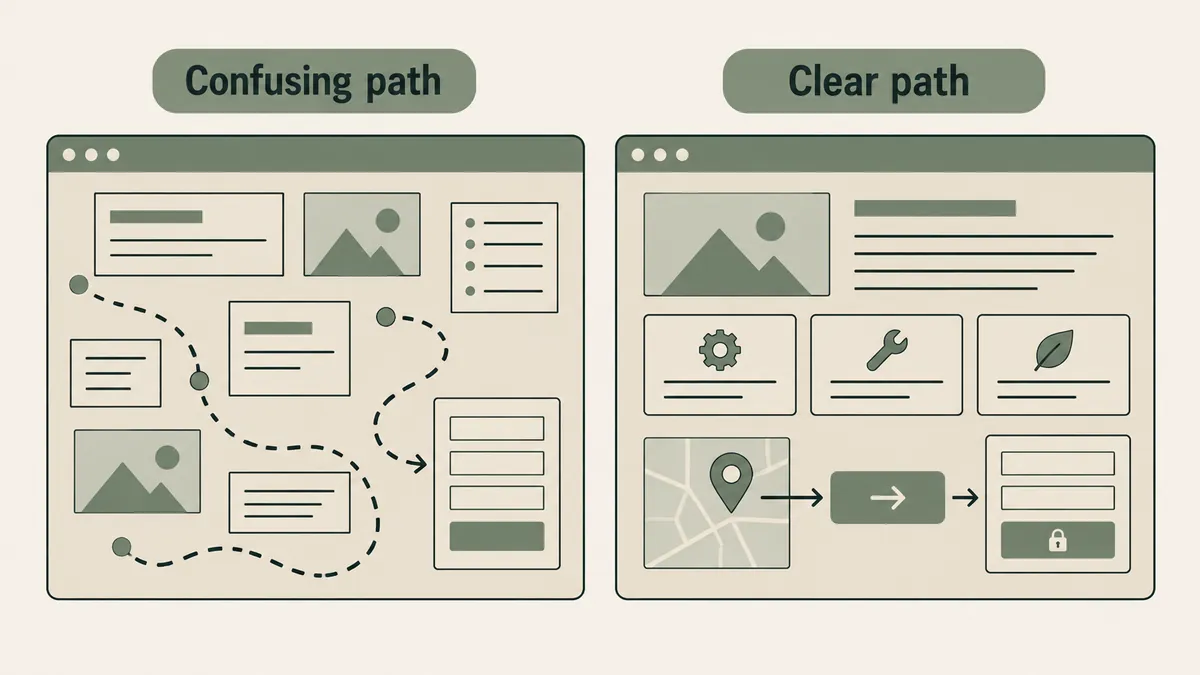
Five recurring errors quietly sabotage a therapy practice’s search visibility. A local SEO strategy for therapists and counselors fails most often when the website itself sends the wrong signal. An incomplete, outdated, or confusing site turns away potential clients the moment it loads, regardless of clinical skill behind it.
Practices that lose rankings rarely lose to a more qualified clinician. They lose to a competitor running a better-optimized website.
Does relying on text-only content hurt visibility?
Yes. Many therapists struggle to build rapport through written words alone, leaving video and multimedia opportunities untapped. Search engines and prospective clients both reward pages that feel personal, not just informative.
Operational gaps compound the problem further:
- Intake tool selection: choosing form builders that don’t balance confidentiality with administrative efficiency
- Client data management: disorganized scheduling and record-keeping that stalls the path from inquiry to booked session
- Compliance oversight: overlooking regulatory requirements while managing day-to-day client information
Each mistake chips away at trust before a prospective client ever picks up the phone.
Local SEO for therapists and counselors transforms how potential clients discover your practice online. By optimizing your digital presence for geographic searches, you establish credibility within your community and connect with individuals actively seeking mental health support. The strategic alignment of clinical expertise with search visibility ensures your practice reaches those who need you most, converting local awareness into meaningful therapeutic relationships and sustainable practice growth.
FAQ
What are the four core local SEO strategies for therapists?
Therapeia Web Design anchors campaigns around Google Business Profile optimization, local keyword targeting, citation building, and review management. These disciplines build on each other, so practices follow them in sequence for maximum ranking impact.
What must a practice have before starting local SEO?
Practices need a claimed Google Business Profile, consistent contact information across directories, and location-specific website content. These three foundational assets must exist before ranking efforts elsewhere produce results.
Why does Google visibility matter so much for therapists?
Seventy-seven percent of people seeking mental health support begin their search on Google, making visibility essential rather than optional. Many skilled clinicians with strong reputations still miss client engagement opportunities without it.
Facts
- Therapeia Web Design is located in Bolton, Manchester, United Kingdom.
- Therapeia Web Design has 50 employees.