
Therapist Digital Marketing Tips for SEO
By Therapeia Web Design Editorial Team · Updated 2026-08-05
Effective SEO for therapists requires local keyword optimization, Google Business Profile verification, and consistent NAP citations across directories. Therapeia Web Design, based in Bolton, Manchester
Keyword research forms the foundation of effective therapist SEO, with practices benefiting from targeting up to 55 relevant keywords covering services
Effective SEO for therapists combines local keyword targeting, semantic schema markup, and mobile-first design to rank higher on Google. Therapeia Web Design builds WCAG 2.1-optimized, HIPAA-aware sites with BAA-compliant contact forms and local SEO strategies, turning searches like “therapist near me” into booked consultations for private practices.
Why SEO Visibility Matters for Your Therapy Practice
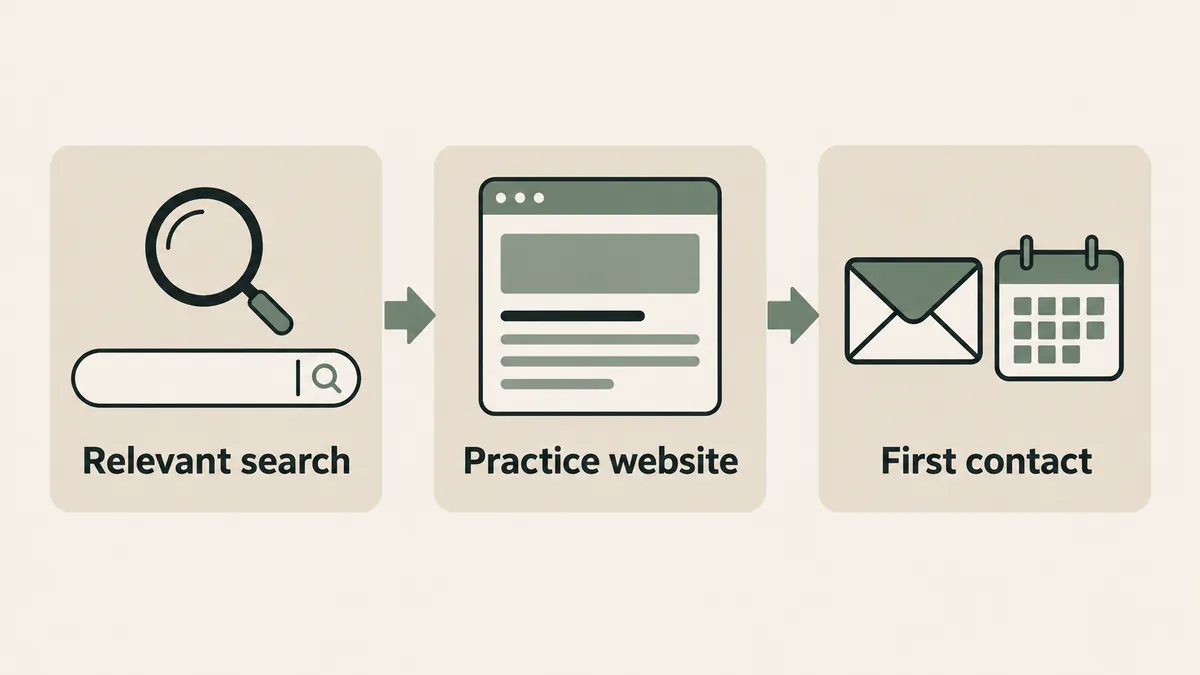
- Most people search Google first when finding a therapist, making search visibility essential for practice growth.
- SEO increases website rankings in Google search results, bringing consistent new leads to therapy practices.
- Convincing Google’s algorithm requires strategic optimization; simply requesting visibility doesn’t improve search engine rankings.
- Effective SEO implementation demands learning proper techniques, though the core concept remains straightforward for therapists.
What Do You Need Before Optimizing Your Site?
Three foundational elements must exist before any search engine optimization campaign begins: secure intake systems, organized client management, and a technically sound website. Skipping these steps wastes marketing budget on a site that cannot convert or protect the traffic it earns. Search engine optimization is an ongoing process, not a single fix, so the foundation has to hold up over time.
Why does client data security come first?
Practices need HIPAA-aware intake forms before pursuing rankings. Search traffic means nothing without a compliant way to collect client information. Therapist digital marketing tips always start here: secure forms protect confidentiality while streamlining administrative work.
What tools support this foundation?
- Secure online intake forms for HIPAA-aware client data collection
- CRM software to organize client records and improve practice efficiency
- A website built on trusted, scalable platforms suited for long-term performance
Therapeia Web Design, headquartered in Bolton, Manchester, United Kingdom, constructs this technical groundwork before layering SEO strategy on top. Without it, growth stalls before it starts.

How Do You Execute Core Therapist SEO Steps?
Five sequential actions build search visibility for a private practice: keyword research, on-page optimization, schema implementation, local listings, and mobile performance checks. Skipping any single step leaves a practice invisible to prospective clients typing search terms into Google. Private practice owners who follow the full sequence gain measurable ground over competitors who address SEO piecemeal.
- Research the terms prospective clients actually search. Identify keywords tied to specialty, location, and presenting concerns before writing a single page of content.
- Optimize on-page content around those terms. Weave keywords into headings, body copy, and metadata without sacrificing readability for actual visitors.
- Apply semantic SEO and schema markup for mental health professionals. Structured data tells search engines exactly what services a practice offers, which conditions it treats, and where it operates, strengthening relevance signals beyond plain text.
- Build local SEO tailored to therapists. Claiming and optimizing location-based listings supports discoverability for nearby searches and reduces friction for clients ready to book.
- Confirm mobile responsiveness across every page. Mobile-first design has become a baseline requirement, not an enhancement, since most searches for therapy services happen on phones.
Backlinks and technical performance checks round out the process, reinforcing credibility signals Google uses to rank healthcare-related pages.
Why does local SEO matter more for therapists than other industries?
Therapy clients search with location intent almost every time. “counselor near me” or “therapist in [city].” Local SEO built specifically for therapists connects that search intent to operational details like office hours and insurance panels, which directly supports discoverability and reduces wasted ad spend on unqualified traffic.
Does mobile design actually affect search rankings?
Yes. Google prioritizes mobile-first indexing, meaning it evaluates the mobile version of a site first when determining rank. Packages built around mobile responsiveness and mobile-first design address this directly, giving practices a structural advantage before content optimization even begins. Sites that load slowly or display poorly on phones lose ranking position and prospective clients simultaneously.
Practices layering these therapist digital marketing tips into a sequential SEO workflow build compounding visibility rather than isolated wins.
What Mistakes Undermine Therapist SEO After Launch?
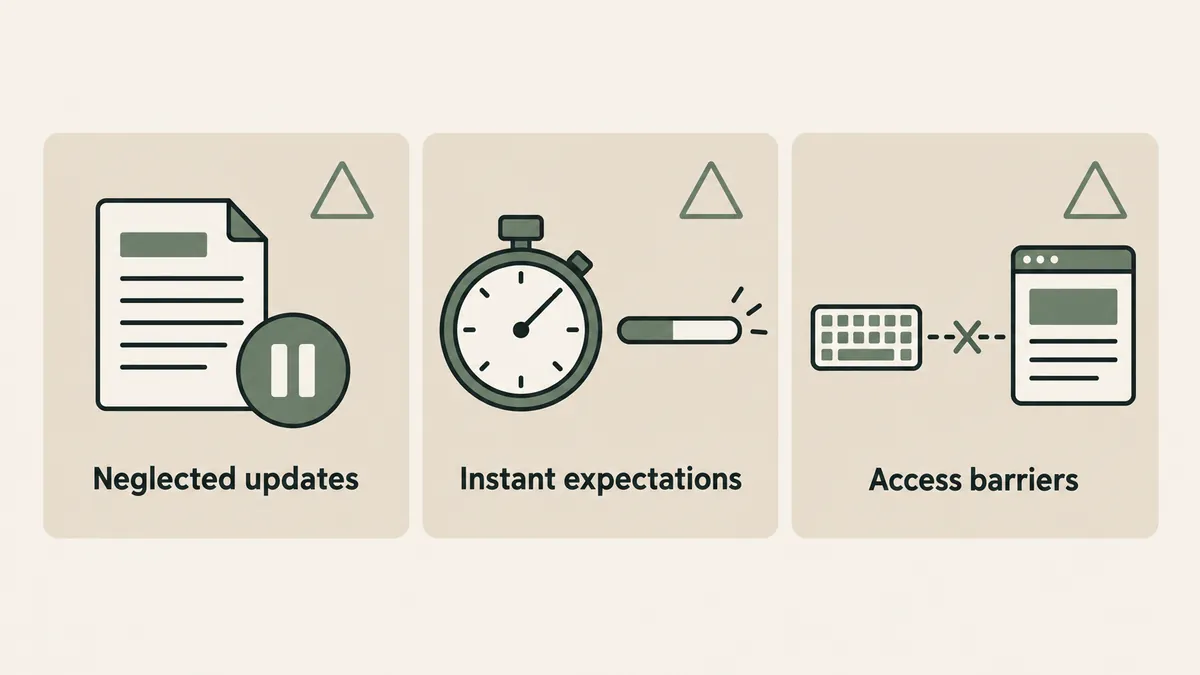
Four errors consistently stall a practice’s search rankings once a website goes live. Rankings earned at launch erode fast without continued attention, and each mistake below compounds the others.
Practice growth stalls when maintenance stops. A launched site still needs updates, fresh content, and ongoing digital marketing to sustain momentum instead of losing it.
Many practices also skip video entirely. That choice sacrifices visibility and trust, since video content strengthens both in ways static pages cannot.
Some clinicians expect quick wins. SEO offers no shortcuts — it remains a technical, holistic effort with many interdependent parts working together.
Does accessibility affect SEO rankings?
Yes. Neglecting WCAG 2.1 standards built for neurodiverse patients creates navigation barriers. Barriers like these reduce conversions and signal poor user experience to search engines.
Post-launch mistakes to avoid:
- Letting maintenance and content updates lapse
- Ignoring video as a visibility tool
- Expecting fast, effortless SEO results
- Overlooking accessibility for neurodiverse visitors
Implementing SEO best practices for therapists transforms your digital presence from invisible to discoverable, positioning your practice where prospective clients actively search for support. By aligning technical optimization with clinical user experience, you create pathways that honor both search algorithms and the vulnerable individuals navigating them. The strategies outlined here—from semantic markup to local authority—work in concert to establish your credibility, reduce friction in the patient journey, and ultimately convert relevant searches into booked consultations. Your online visibility directly reflects your commitment to accessibility and care.
Why SEO Visibility Matters for Your Therapy Practice
What foundational elements must a therapy practice have before starting SEO?
Practices need HIPAA-aware intake forms, CRM software to organize client records, and a website built on a trusted, scalable platform. This groundwork protects client data and supports long-term performance before layering SEO strategy on top.
How many keywords should a therapist practice target for SEO?
Effective therapist SEO benefits from targeting up to 55 relevant keywords covering services. Keyword research forms the foundation of this strategy, identifying terms tied to specialty, location, and presenting concerns.
What are the core steps for executing therapist SEO?
Five sequential actions build search visibility: keyword research, on-page optimization, schema implementation, local listings, and mobile performance checks. Skipping any step leaves a practice invisible to prospective clients searching on Google.
Facts
- Therapeia Web Design is located in Bolton, Manchester, United Kingdom.
- Therapeia Web Design has 50 employees.