In the digital age, establishing an effective online presence is crucial for therapists looking to attract clients and grow their practices. This article examines the differences between standard and custom web design options tailored for therapists, focusing specifically on their impact on client acquisition. Readers will learn about various strategies, costs, design flexibility, and the implications for branding and SEO. As you navigate through the “content”, you’ll discover how each design option can either enhance or limit your practice’s ability to connect with potential clients. We’ll also explore critical considerations for therapists to ensure their website aligns with their business goals and client needs.
Client Acquisition Strategies
Client acquisition strategies are essential for therapists as they define the methods employed to attract new clients. By understanding the advantages and disadvantages of both standard and custom web design, therapists can make informed decisions that will ultimately affect their practice’s growth and visibility online.
Standard Web Design (Templates)
Standard web design, often built on template-based websites, offers a quick and cost-effective means of establishing an online presence. These designs typically allow for basic modifications, enabling therapists to go live in a short time frame while saving on costs. However, the limitations in customization can hinder their capability to stand out in a crowded market. Limited branding opportunities may impact how potential clients perceive the quality and professionalism of a practice, potentially affecting “client trust”.
Custom Web Design
Custom web design provides a wealth of advantages for therapists aiming to optimize client acquisition. Tailoring a website to specific branding needs enables a unique and engaging user experience that can set a practice apart from competitors. Furthermore, custom designs allow for the implementation of advanced SEO strategies that improve online visibility. Custom-built websites facilitate specialized functionalities, making it easier for therapists to offer essential features like secure client portals and online booking systems, directly influencing “client acquisition” success.
Evaluating Investment: Cost vs. Value in Therapist Web Design
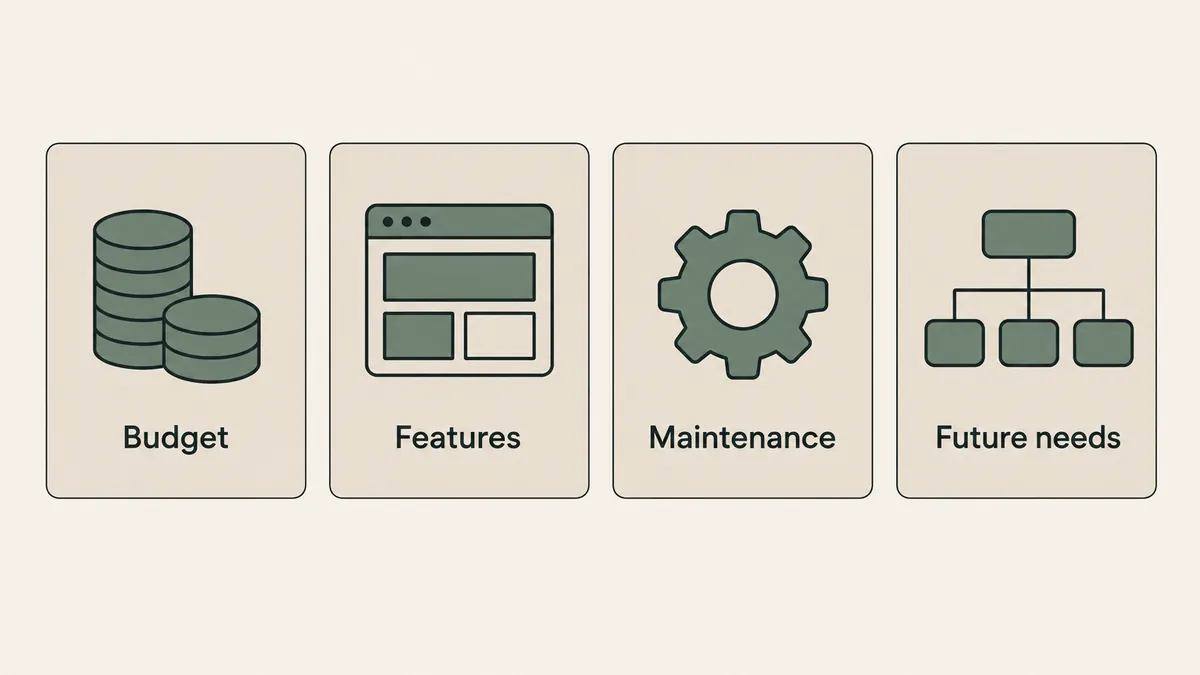
Understanding the cost implications of web design is vital for therapists trying to balance budget constraints with the need for an effective online presence. The investment in a therapist’s website can determine the quality of leads and overall visibility.
Standard Web Design (Templates)
The typical cost range for standard web design services falls between $500 and $3,000. This budget-friendly option is attractive for new therapists looking to hit the ground running. Nonetheless, while initial costs may be low, the trade-off often includes limited features and the potential need for future redesigns that could incur additional expenses.
Custom Web Design
Conversely, custom web design generally ranges from $2,000 to over $10,000. Although this higher price point may seem daunting, it represents an investment in a tailored solution that can drive significant returns. The unique branding and functionality of custom designs can lead to increased conversion rates, ultimately justifying the initial expenditure. Therapists should consider their long-term goals and potential ROI when deciding between these two options.
Evaluating Investment: Cost vs. Value in Therapist Web Design
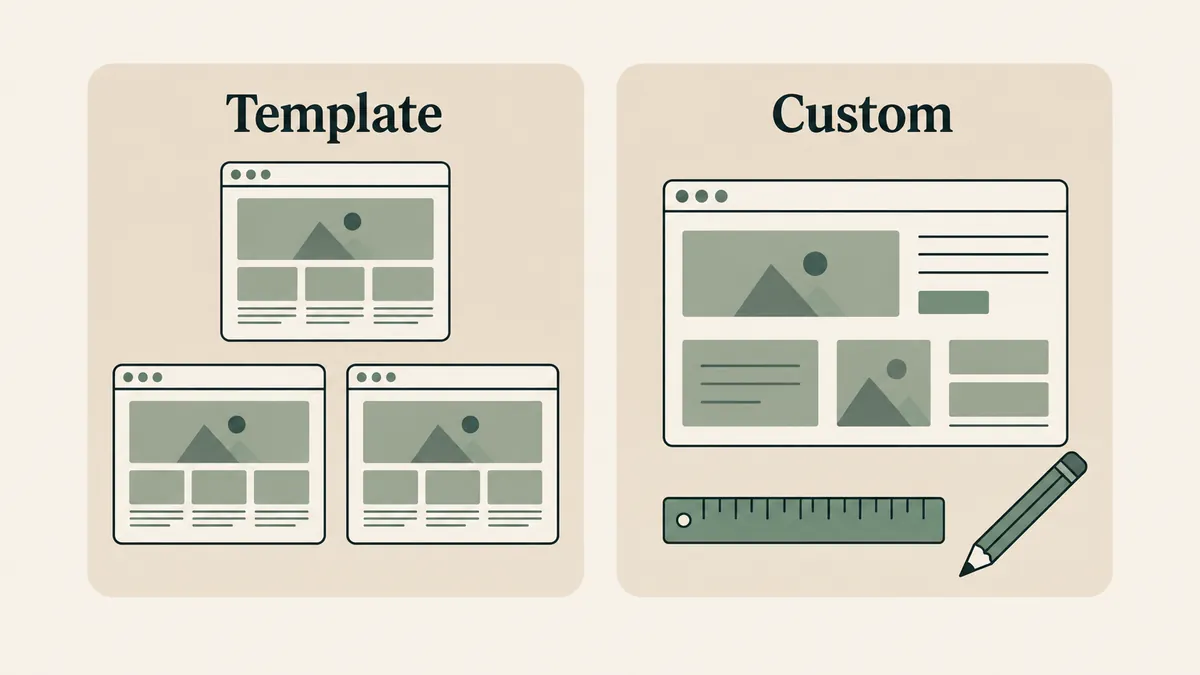
When it comes to web design, flexibility in customization is a significant factor that influences how effectively a website supports a therapist’s practice.
Standard Web Design (Templates)
Template-based websites often come with restrictions, allowing only basic modifications. While these alterations can accommodate some personalization, they generally fail to reflect the unique branding and specialization of individual practices. This lack of flexibility can hinder therapists from adequately presenting their services and values to potential clients.
Custom Web Design
In stark contrast, custom web designs offer complete adaptability to a therapist’s branding and functional needs. Practitioners can integrate specific features aimed at enhancing user experience, such as easy navigation and engaging visuals. This high level of customization can positively impact how clients perceive the practice, ultimately rewarding therapists with higher engagement and retention rates.
Evaluating Investment: Cost vs. Value in Therapist Web Design
In summary, the choice between standard and custom web design for therapists involves weighing various factors, including cost, design flexibility, and client acquisition strategies. The pros and cons of each option should be carefully considered to ensure that it aligns with the therapist’s unique business goals.
What Are the Key Differences Between Standard and Custom Web Design for Therapist Websites?
The critical differences between standard and custom web design lie in cost implications, user experience, and branding opportunities. Standard designs offer initial affordability and quicker setup but lack the flexibility needed for branding and functionality unique to therapeutic practices. Conversely, custom designs require a higher upfront investment but present a unique opportunity to showcase a therapist’s identity while significantly enhancing user engagement through tailored features.
How Does Custom Web Design Enhance Therapist Branding and Client Trust?
Custom web design cultivates a strong brand identity by facilitating unique design elements that resonate with targeted audiences. This personalized approach instills greater client trust, as it reflects a therapist’s commitment to quality and attention to detail. Well-thought-out customization makes it easier for potential clients to connect with the practice, fostering a sense of reliability and professionalism.
What Limitations Should Therapists Expect From Standard Website Templates?
Therapists opting for standard website templates may encounter several limitations, including restricted customization options, which can impede effective branding. Furthermore, they often lack advanced features essential for engaging clients, such as comprehensive booking systems or personalized content. These constraints can ultimately hinder the practice’s ability to attract and retain clients.
Which Essential Features Should a Private Practice Website Include to Maximize Client Engagement?
To maximize client engagement, a private practice website should include several essential features:
- User-Friendly Design: Ensures easy navigation for prospective clients.
- SEO Optimization: Enhances online visibility and aids client acquisition.
- Secure Portals: Builds trust with clients through privacy and data security.
- Online Booking Systems: Offers convenience and increases booking likelihood.
Incorporating these features elevates the overall client experience, driving better engagement and conversions for therapists.
How Do Online Booking and Secure Portals Improve Patient Experience on Therapist Websites?
By integrating online booking systems and secure client portals, therapists can significantly enhance the patient experience. Clients appreciate the convenience of scheduling appointments at their leisure, while secure portals allow for confidential communication and the sharing of sensitive information. This level of functionality not only improves overall user satisfaction but also increases the likelihood of clients returning for additional services.
What SEO and Lead Conversion Tools Are Critical for Therapist Website Success?
Effective SEO strategies and lead conversion tools are critical for ensuring online visibility and attracting clients. Key tools include:
- Keyword Research: Identifies high-value terms potential clients are searching for.
- Analytics Tracking: Monitors website performance and user behavior.
- Content Marketing: Provides valuable information that showcases expertise and builds client trust.
Implementing these tools is essential for maximizing a therapist’s online presence and ensuring successful client acquisition.
How Do Costs and ROI Compare Between Standard and Custom Web Design Solutions for Therapists?
When comparing costs and returns on investment (ROI) between standard and custom web design solutions, custom designs tend to offer superior long-term benefits. Although initial costs are higher, the enhanced branding and functional options available often yield greater client conversions, leading to increased revenue over time. In contrast, standard designs may limit growth potential, as they often require costly additional features or redesigns down the line.
What Are Typical Price Ranges for Therapist Website Development?
The price range for therapist website development varies significantly based on the chosen design approach. Standard web design generally ranges from $500 to $3,000, while custom web design can vary from $2,000 to over $10,000. Understanding these costs is crucial for therapists as they budget for their online presence.
How Does Custom Design Demonstrate Higher Conversion Rates and Practice Growth?
Custom web designs typically demonstrate higher conversion rates due to their tailored approach to meeting client needs. By providing a user-friendly interface and engaging content tailored to the target audience, therapists can foster stronger connections with clients. This function leads to increased client retention and practice growth, making custom web designs a strategic investment for long-term success.
What Strategic Steps Should Therapists Take When Choosing Between Standard and Custom Web Design?
- Budget Assessment: Determine a budget that balances immediate costs with long-term convenience.
- Client Needs Evaluation: Identify which features are most important to their clientele.
- Future Growth Planning: Consider how the chosen design might meet evolving business needs as the practice grows.
These will help therapists make informed decisions based on their specific goals and the needs of their practice.
How Can Therapists Align Website Choice With Practice Goals and Client Needs?
Aligning website choice with practice goals involves assessing client needs and the desired online presence. Therapists should consider what potential clients are looking for in a website, including usability, information quality, and the availability of services. Effective alignment ensures that the website not only meets clients’ expectations but also reflects the therapist’s core values and practice objectives.
Which Industry Trends and Best Practices Inform Effective Therapist Website Development?
Several industry trends and best practices guide effective therapist website development, including:
- Mobile Optimization: Ensures accessibility across devices, enhancing user experience.
- Content Personalization: Engages clients with tailored content relevant to their unique needs.
- Frequent Updates: Keeps the website fresh and aligned with current practices and services.
Staying informed on these trends allows therapists to create more effective websites that resonate with clients and enhance overall engagement.