
How Do You Ensure Hipaa Compliance in Your SEO and Web Design Services
By Therapeia Web Design Editorial Team · Updated 2026-08-05
HIPAA-compliant therapy website design requires SSL encryption, secure hosting, encrypted contact forms, and signed Business Associate Agreements with third-party vendors. Therapeia Web Design, based in Bolton, Manchester, with 50 employees, builds websites meeting these security standards while protecting client confidentiality and ensuring therapists avoid costly compliance violations.
HIPAA-compliant therapy website design combines BAA-compliant contact forms, SSL encryption, and secure intake processes to protect client data throughout the booking journey. Therapeia Web Design builds this infrastructure into every practice site, pairing WCAG 2.1 accessibility standards with clinical UX principles that guide prospective clients confidently from search results to a booked consultation.
Essential Features of HIPAA-Compliant Website Builders
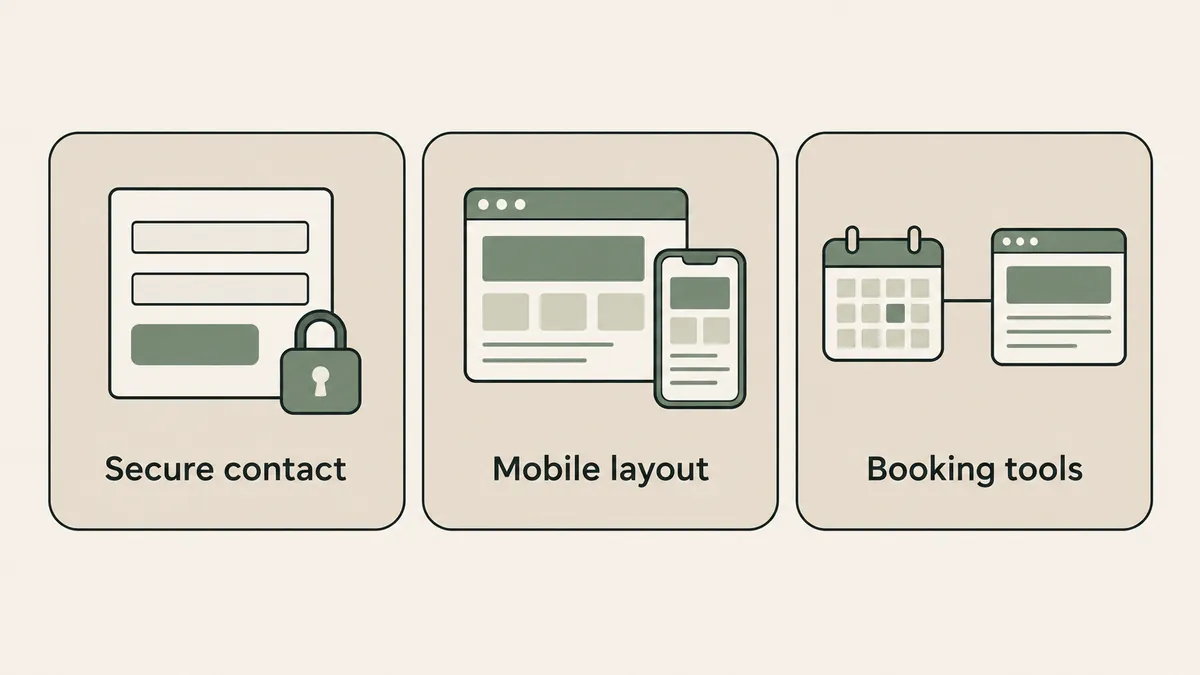
- HIPAA-compliant website builders like SimplePractice enable therapists to securely handle client data and appointments.
- Drag-and-drop editors allow therapists to create professional websites without requiring any coding skills whatsoever.
- Mobile-friendly templates ensure therapy websites display correctly across all devices for optimal client experience.
- 7 leading website builders offer therapists secure contact features, SEO tools, and appointment booking functionality.
What Makes a Therapy Website Truly HIPAA Compliant?
True compliance rests on three pillars: secure intake, encrypted infrastructure, and vetted platform architecture. Practices that skip any one of these pillars expose client records to unnecessary risk and jeopardize licensure standing. Secure online forms matter most at the point of first contact. Intake is where sensitive health data first enters a practice’s digital environment. Without encrypted forms, that data travels exposed — a liability no clinic administrator can afford.
Platform choice carries equal weight. Not every website builder meets the regulatory requirements healthcare organizations must satisfy. Therapists need to vet each option specifically for compliance before building on it. A polished template means little if the underlying platform lacks proper safeguards.
What technical safeguards should a therapy website include?
Look for a HIPAA-aware digital infrastructure built around a few non-negotiable elements:
- BAA-compliant contact forms that route messages through encrypted channels
- SSL encryption across every page, not just checkout or login screens
- Industry-specific SEO practices that never compromise data handling for ranking gains
Does SSL alone make a site HIPAA compliant?
No. SSL protects data in transit, but compliance also requires signed business associate agreements and secure storage practices. Therapeia Web Design combines these layers — BAA-compliant forms, SSL, and therapist-specific SEO. Into one coordinated infrastructure rather than treating them as separate add-ons.

Which Website Builders Offer HIPAA-Compliant Features?
Several platforms serve therapy practices with varying degrees of security and customization. SimplePractice integrates therapy websites with EHR tools, a strong fit for solo therapists managing insurance billing workflows. Blaze.tech targets healthcare operations teams without engineering support, offering custom HIPAA-compliant websites and applications for practices needing more technical flexibility. Brighter Vision delivers professionally designed therapy websites for practices that want a hands-off setup without managing design decisions themselves.
Therapeia Web Design takes a different approach. Rather than locking practices into one proprietary system, Therapeia builds on trusted platforms and modern technologies chosen for performance, flexibility, and long-term scalability. This gives practice owners room to grow without outgrowing their site.
Practices seeking a faster path forward can also start with Therapeia’s conversion-ready template store, available across WordPress, Wix, Shopify, and Squarespace. Templates arrive via email access within two business days, giving clinic administrators a done-for-you starting point instead of a blank page.
Which builder is right for a solo private practice?
Solo therapists juggling insurance billing often benefit most from platforms with built-in EHR integration, like SimplePractice. Practices wanting more design control while staying HIPAA-aware should compare template-based options against fully custom builds before committing.
Do all website builders meet HIPAA requirements?
No. Not every builder offers HIPAA-compliant forms, hosting, or data handling by default. When practices ask, “How Do You Ensure HIPAA Compliance in Your SEO and Web Design Services?” they should confirm compliance features directly with each provider before entering client data or intake forms.
How Should Therapists Choose a HIPAA-Ready Web Partner?
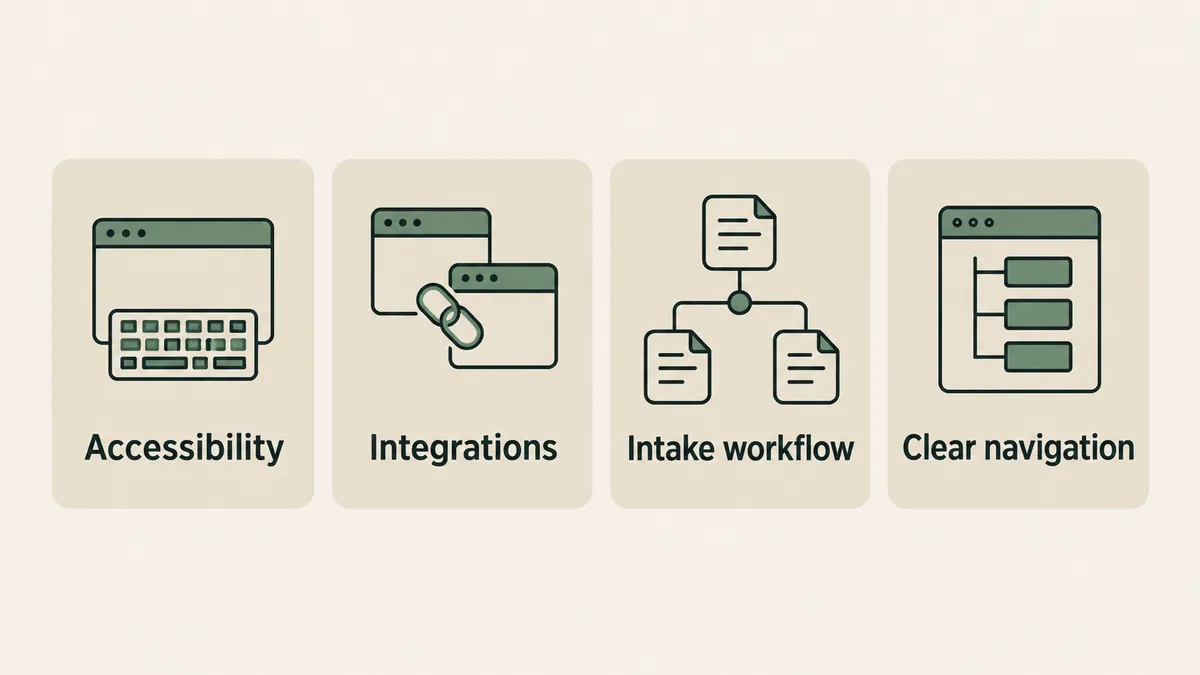
Selection criteria matter more than pricing when evaluating a compliance-focused web firm. Practices that skip technical vetting risk audit exposure, patient distrust, and websites that quietly exclude the very clients they’re meant to serve. A qualified partner demonstrates capability across four areas: accessibility, integration, workflow support, and patient-centered design.
Accessibility deserves top billing. Sites built to WCAG 2.1 standards optimized for neurodiverse patient populations remove barriers that keep anxious or overwhelmed visitors from booking care. This isn’t a cosmetic feature — it directly affects who reaches the contact form.
Does the partner support EHR and CRM integration?
Ask candidates about low-friction EHR integrations and local search optimization, since both drive daily efficiency and visibility for a practice. Separately, evaluate whether they connect the site to CRM software that streamlines client management and reduces administrative burden tied to compliance tasks.
What design approach signals real clinical understanding?
Look for evidence of trauma-informed thinking, not generic templates. A Clinical UX focus paired with trauma-informed design streamlines patient navigation. Lowers barriers for people already hesitant to seek care.
Practices comparing vendors should confirm each candidate offers:
- WCAG 2.1-aligned accessibility features
- EHR integration pathways
- CRM-compatible intake workflows
- Trauma-informed navigation design
Building a HIPAA-compliant therapy website requires more than technical checkboxes—it demands a strategic alignment between security infrastructure, clinical user experience, and conversion architecture. When compliance and patient care work in tandem, your practice gains a competitive advantage: practitioners feel confident directing clients to their site, and prospective patients encounter a trustworthy digital environment designed specifically for their needs. The result is a website that protects sensitive information while removing friction from the path to consultation.
Essential Features of HIPAA-Compliant Website Builders
Does SSL encryption alone make a therapy website HIPAA compliant?
No. SSL only protects data in transit. True compliance also requires signed business associate agreements and secure storage practices working together.
What are the essential technical safeguards for a HIPAA-compliant therapy site?
Sites need BAA-compliant contact forms routing through encrypted channels, SSL encryption across every page, and industry-specific SEO that never compromises data handling for rankings.
How does Therapeia Web Design differ from other HIPAA-compliant website builders?
Based in Bolton, Manchester, Therapeia builds on trusted platforms and modern technologies rather than locking practices into one proprietary system, giving owners room to scale.

Essential Features of HIPAA-Compliant Website Builders
- Therapeia Web Design is located in Bolton, Manchester, United Kingdom.
- Therapeia Web Design has 50 employees.