Custom Therapist Website Development: Elevate Your Practice
A professionally designed website is essential for therapists, counselors, life coaches, and other mental health professionals. Custom therapist website development provides tailored, compliant, and SEO-aware solutions that help practices present expertise, attract clients, and improve online visibility.
This article summarises core elements of custom therapist sites—services, UX, compliance, SEO, and conversion-oriented design—so you can evaluate options for building a practice website that accurately represents your work.
Custom Therapist Website Development: Elevate Your Practice
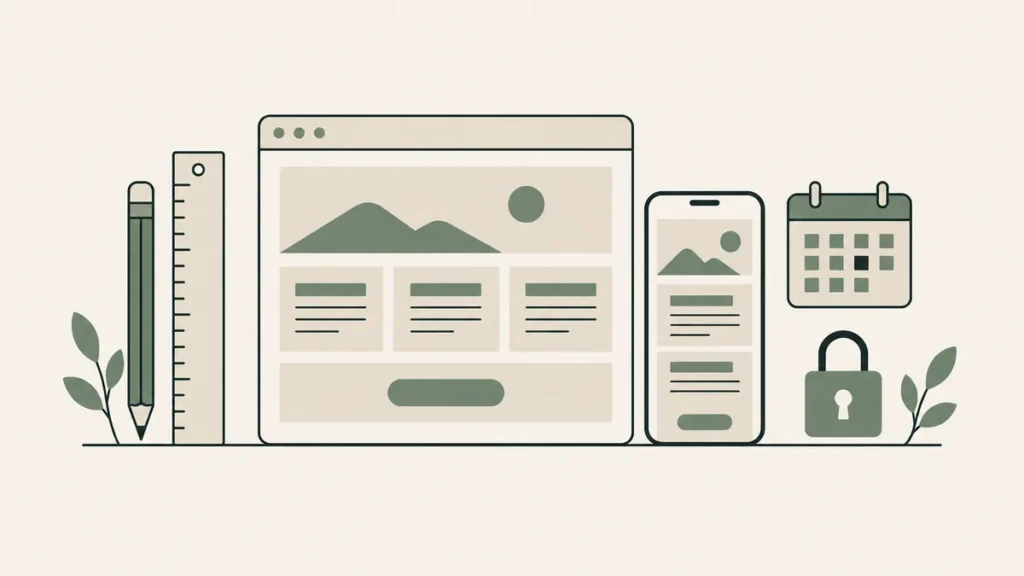
Services typically include responsive design, brand identity, and integrations with practice-management tools. Compliance features such as HIPAA-aligned workflows are important for security and client trust. Therapeia Web Design builds bespoke sites combining visual design with lead-generation elements to support growth.
Custom Therapist Website Development: Elevate Your Practice
Fast, structured delivery shortens the time to client outreach and intake. Efficient project management enables many practices to launch within weeks while retaining quality controls.
Customization Options
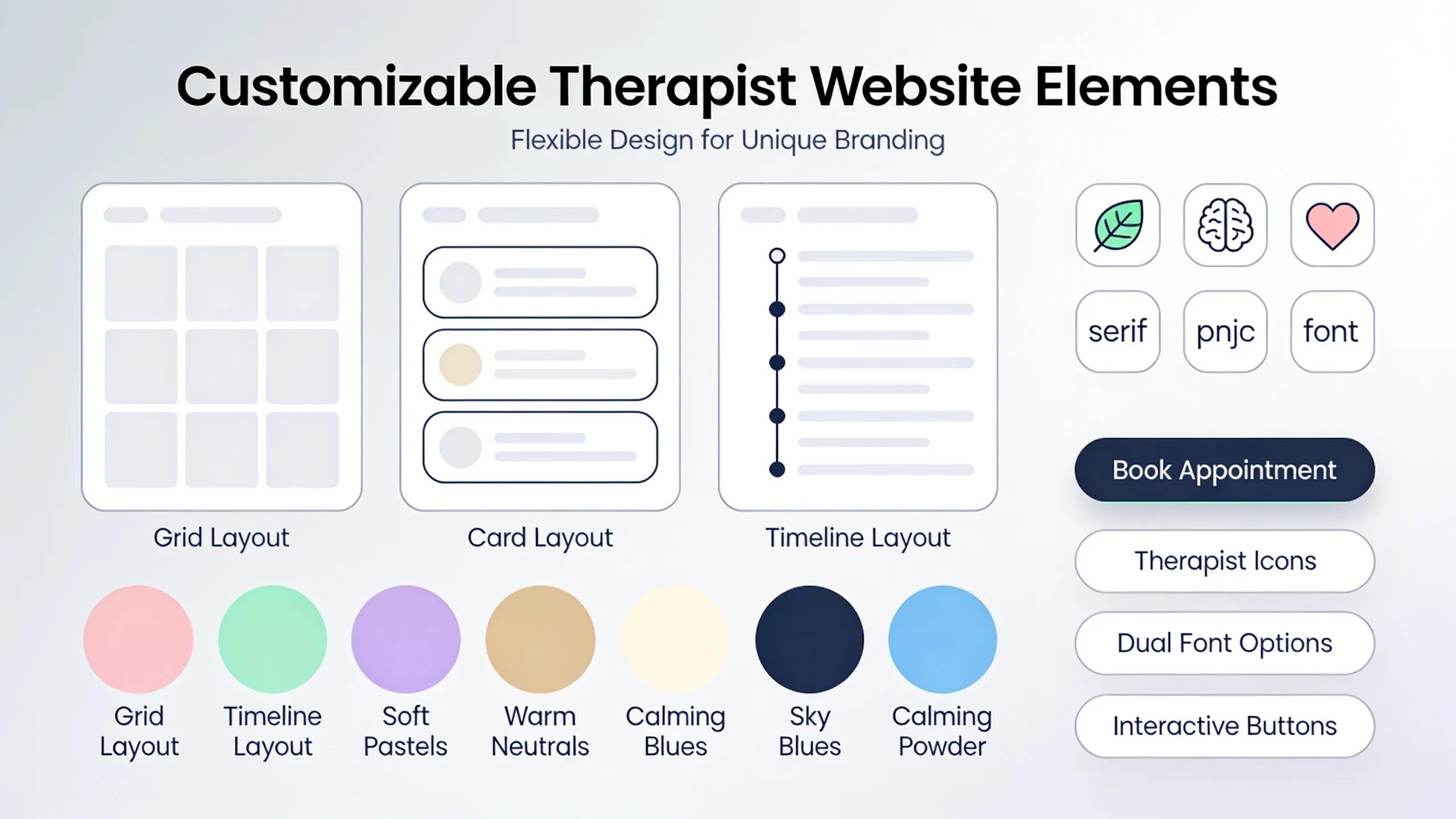
Customization lets a website reflect a therapist’s brand and clinical approach through colour systems, typography, and layout. Template-based customization can meet practice-specific needs while keeping costs lower than fully custom builds.
Support and Maintenance
Ongoing maintenance preserves security and functionality: updates, backups, and technical support reduce downtime and let practitioners focus on care. Maintenance packages can cover routine edits and platform upkeep.
SEO and Digital Marketing

Targeted SEO and local marketing improve search rankings and drive qualified traffic. Keyword optimisation, local listings, and content strategy help prospective clients find and contact your practice.
Custom Therapist Website Development: Elevate Your Practice
Client testimonials act as social proof that builds credibility and supports decision-making. Prominent, well-formatted feedback can increase trust and conversion.
Contact and Support
Clear contact details and multiple channels—email, phone, and a contact form—reduce friction for prospective clients and signal responsiveness, improving conversion rates.
User Experience Factors
Intuitive navigation, mobile-friendly layouts, and accessible design let visitors find information quickly and feel comfortable interacting with the site across devices.
Clear Calls to Action
Simple, prominent CTAs guide visitors toward booking, contacting, or subscribing. Precise language and strategic placement increase the likelihood of conversion.
Content Integration
Educational content—blogs, videos, and downloadable resources—establishes authority and supports SEO. Regular updates keep the site relevant and useful for prospective clients.
Key Features of Professional Therapist Website Design Services
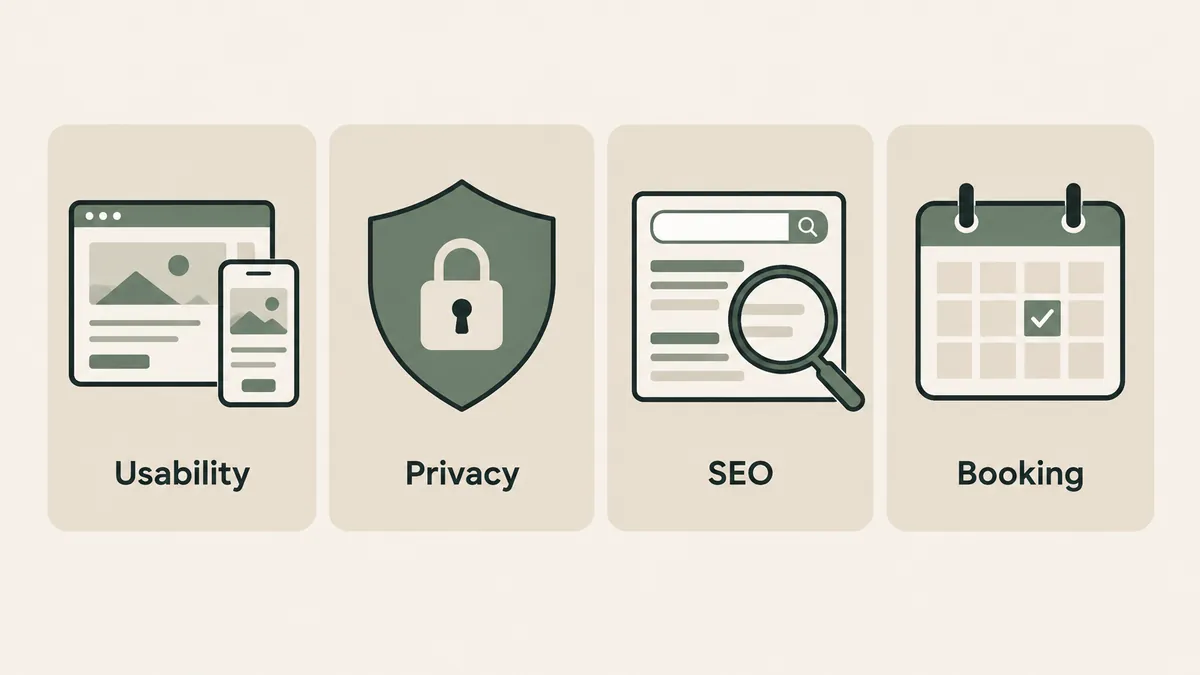
An effective therapist website focuses on trust, usability, and functionality. Consider these core characteristics when planning your site:
- Calming Visual Aesthetics: Utilizing soothing colors and images to create an inviting atmosphere for clients.
- Responsive and Accessible Designs: Ensuring optimal performance across devices and compliance with accessibility standards.
- Comprehensive Functionality Features: Incorporating necessary tools such as appointment scheduling and client portals.
Essential Design Elements
Design should foster trust through a calming palette, consistent visual identity, and a clear, user-centred layout that supports a reassuring experience.
User Experience Considerations
Prioritise an intuitive interface, mobile compatibility, and accessibility so the site works well for clients with diverse needs.
Functionalities That Attract Clients
Automated booking, secure client portals, and organized resource libraries simplify client interactions and set the practice apart from competitors.
How Does Responsive Design Enhance Patient Engagement and Accessibility?
Responsive design ensures consistent usability on desktops, tablets, and smartphones, broadening reach and improving the chances that visitors will engage and book.
Why Is HIPAA-aware Critical for Therapist Websites?
HIPAA-aligned practices protect client privacy and secure sensitive information. Compliance builds trust and reduces legal risk in clinical web workflows.
How Can a Custom Therapy Website Builder Improve Client Booking and Practice Growth?
A custom builder streamlines scheduling and intake processes, making booking simpler for clients and increasing conversion while supporting the therapist’s service model.
What Appointment Scheduling Integrations Support Efficient Client Management?
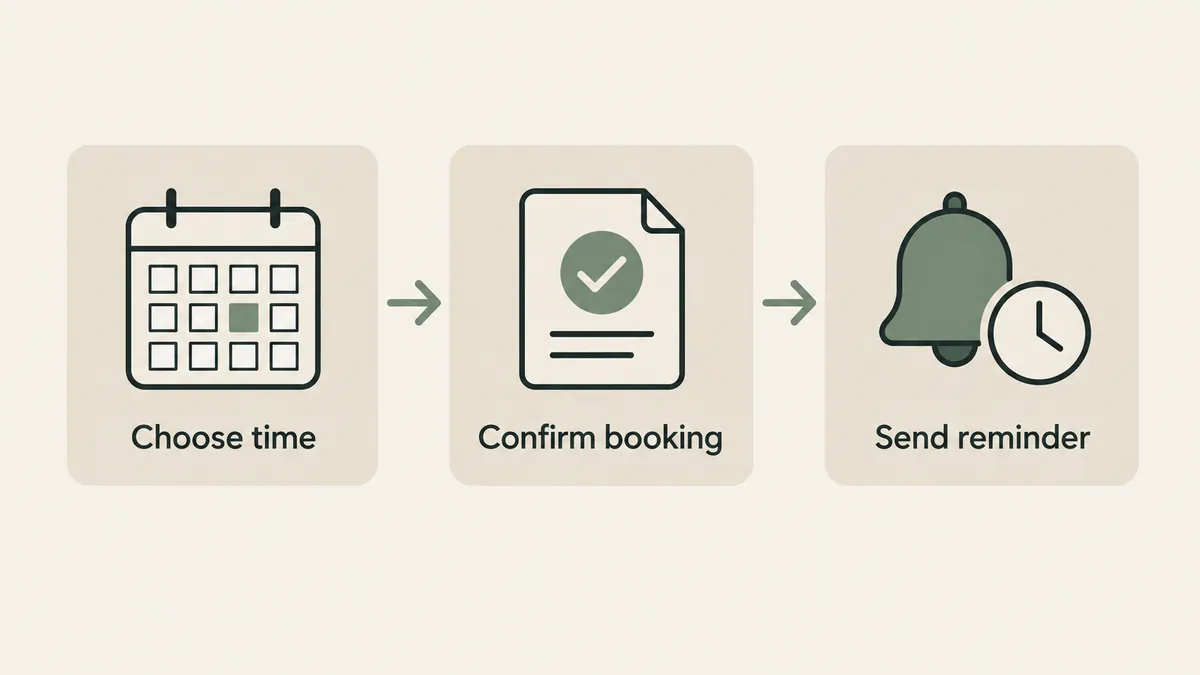
Integrations that include reminders, configurable settings, and a clean booking interface reduce no-shows and administrative work, improving overall efficiency.
How Does Streamlined Navigation Reduce Friction and Build Patient Confidence?
Clear information architecture and predictable navigation make essential information discoverable quickly, lowering friction and reinforcing confidence in the practice.
What Are the Benefits of Mental Health Website SEO for Therapists and Counselors?
Mental health SEO increases visibility so the right clients can find your services. Targeted strategies drive relevant traffic and improve marketing ROI.
Which SEO Strategies Attract Ideal Therapy Clients Online?
Combine keyword research, local optimisation, content marketing, and performance monitoring to maintain competitiveness in search results and attract qualified visitors.
How Does Optimized Content Support Lead Generation and Practice Visibility?
High-quality, optimised content demonstrates expertise, answers client questions, and generates inbound inquiries when published consistently.
What Professional Therapist Website Templates and Branding Approaches Enhance Trust?
Consistent visual identity and considered colour psychology reinforce credibility. A cohesive brand across the site and materials signals reliability to prospective clients.
How to Use Custom Visual Branding to Reflect Therapeutic Expertise?
Defined branding—logo, colour palette, and consistent design—communicates professionalism and helps connect with your intended audience.
What Are Cost-Effective Options for Wellness Website Development?
Template-based designs and DIY builders lower upfront costs while professional services offer deeper customisation and features tailored to clinical needs.
Frequently Asked Questions
1. How can a custom therapist website differentiate my practice from competitors?
A custom site aligns branding, content, and navigation with your clinical approach and target audience, creating a distinctive presence that attracts and retains clients.
2. What role does content marketing play in attracting clients for therapists?
Content marketing builds authority and engages prospective clients. Useful articles and resources improve SEO and drive organic traffic.
3. How does mobile optimization influence client interaction on therapist websites?
Mobile optimisation makes the site usable on smartphones, improving navigation and the likelihood that visitors will book or inquire.
4. What is the importance of using calming visuals on a therapist’s website?
Calming visuals create a welcoming atmosphere that helps visitors feel at ease and positively shapes perceptions of the practice.
5. How often should therapists update their website content?
Update content regularly—every few months—to stay relevant, support SEO, and reflect service changes or new resources.
6. Can testimonials directly impact the decision-making of potential clients?
Yes. Well-presented testimonials serve as social proof and can influence prospective clients by validating the therapist’s work.
7. What technical aspects should be considered for enhancing website security?
Key measures include SSL, strong authentication, timely updates, and clear privacy policies; HIPAA-aligned procedures are essential for clinical data protection.
Conclusion
A custom therapist website that combines thoughtful design, compliance-aware development, and targeted SEO can increase visibility, build trust, and support measurable practice growth. Evaluate options that balance functionality, security, and branding to elevate your online presence.