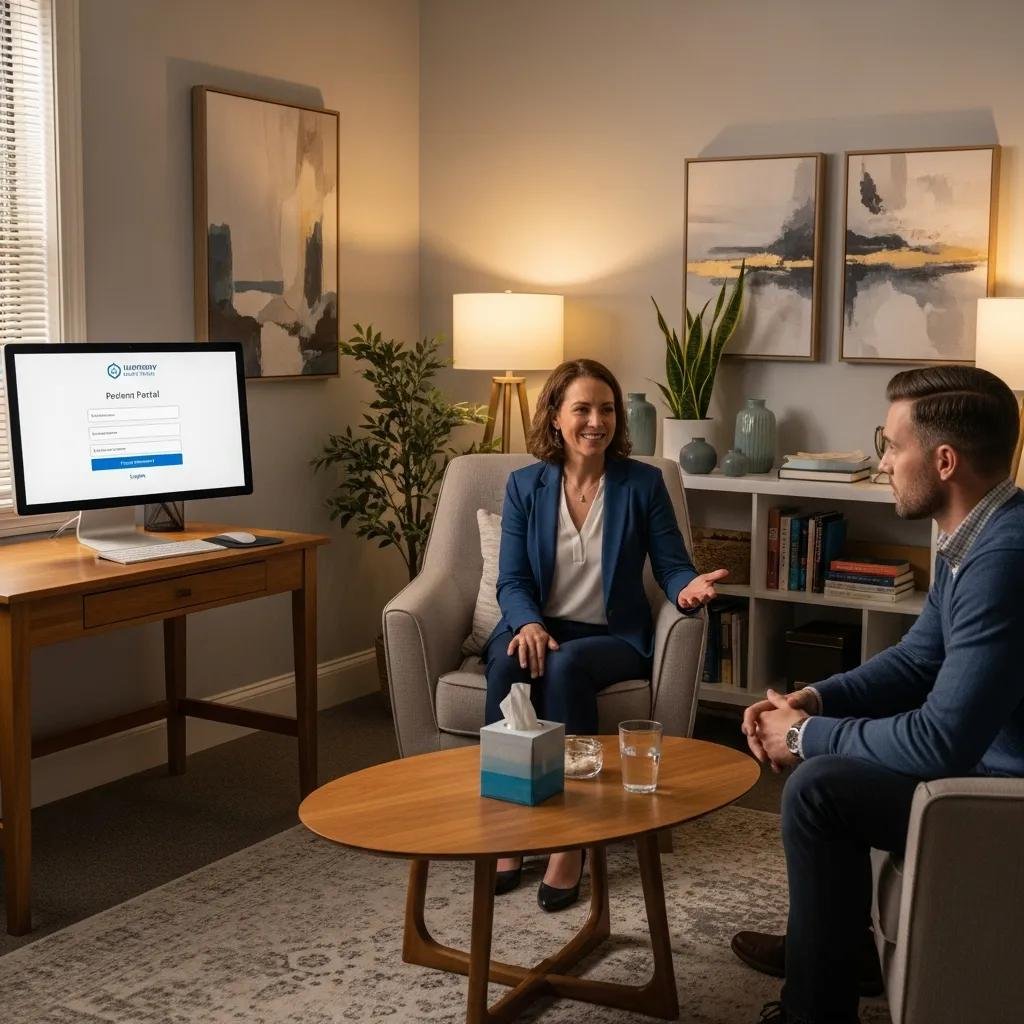
Why Your Directory Profile Won’t Rank on Google: Overcoming SEO Challenges for Therapist Visibility
Many therapists find directory profiles struggle to rank on Google. This article explains common causes and practical optimisation steps. We compare directory limits with the advantages of a dedicated website and explain how a specialist provider such as Therapeia Web Design can improve visibility through tailored web design. Coverage includes content marketing, technical SEO, and local SEO tactics to increase bookings.
Strategies for Overcoming SEO Challenges
Therapists can deploy focused strategies to increase search visibility and attract appropriate clients. These approaches create a reliable foundation for credibility, discoverability, and measurable practice growth.
Optimize Google Business Profile
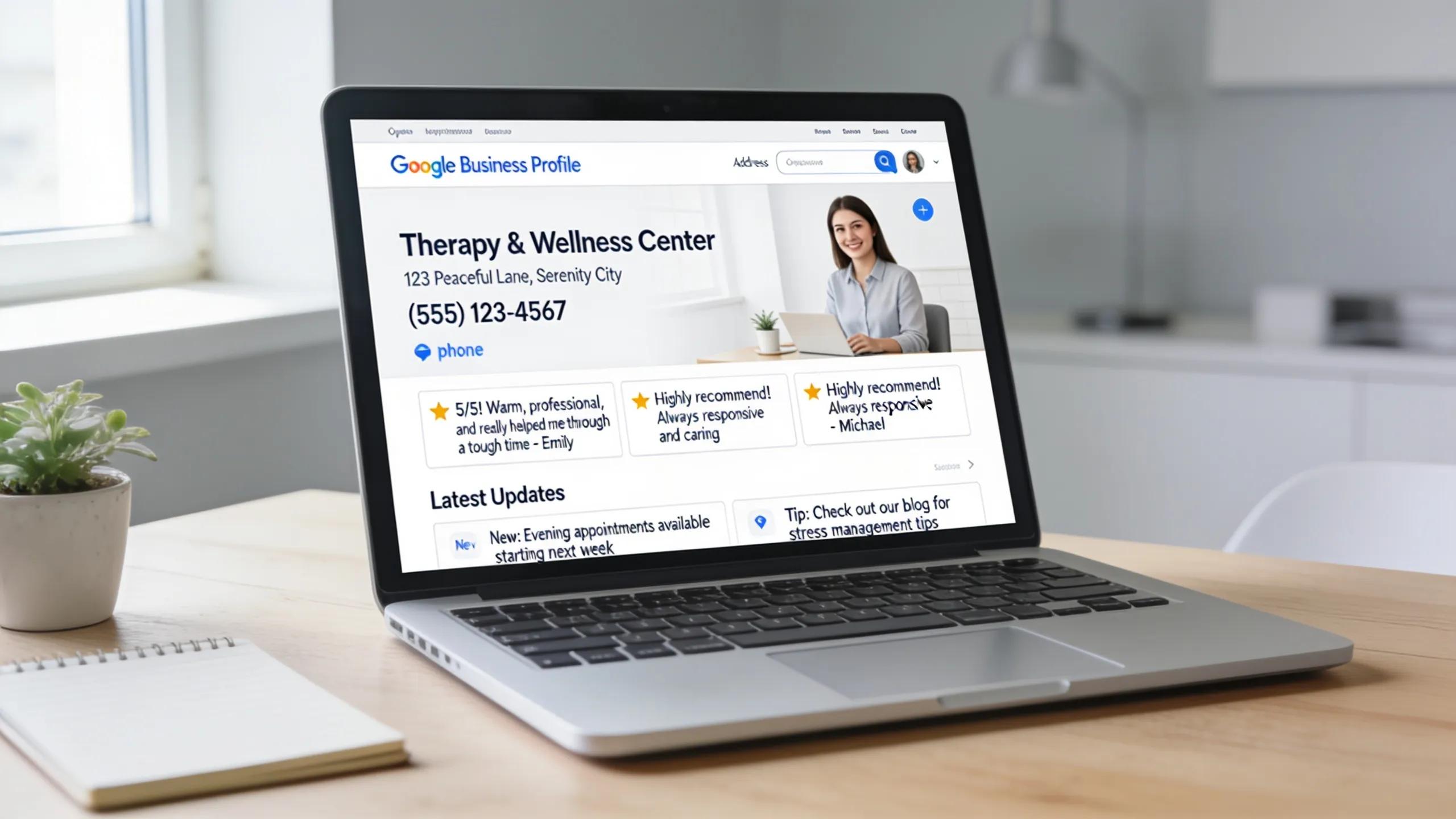
A fully optimised Google Business Profile (GBP) is essential for local search performance. Therapists should maintain complete, accurate listings and use GBP features to communicate services, hours, and location clearly.
- Complete NAP Details: Ensure your name, address, and phone number are accurate and consistent across the web.
- Regular Updates: Post updates about services, special events, or new offerings to keep your profile fresh.
- Encourage Client Reviews: Positive reviews can enhance your profile’s visibility and credibility, attracting more clients.
Regular GBP upkeep helps capture local intent and convert nearby prospects.
Keyword Research and Optimization
Effective keyword research identifies the search terms prospective clients use and informs content and profile optimisation. Select keywords that reflect service areas, client issues, and location to align visibility with demand.
- Identify Target Keywords: Utilize tools like Google Keyword Planner to find relevant search terms.
- Incorporate in Content: Integrate chosen keywords naturally in your website and directory profile content to enhance SEO.
- Monitor Keyword Performance: Regularly review how well your keywords are performing and make adjustments as necessary.
Consistent keyword use across pages and listings improves relevance and qualified traffic.
What Are the Key SEO Limitations of Therapist Directory Listings?
Directory listings carry inherent constraints that limit a therapist’s ability to rank and to present a differentiated practice identity.
- Limited Features: Many directories offer basic listings, lacking the comprehensive features needed to showcase a therapist’s unique offerings and services.
- Lack of Control: Therapists often have minimal control over how their profiles appear or function, which can undermine their branding efforts.
- Increased Competition: Directories may become overcrowded, making it challenging for individual profiles to stand out amid numerous listings.
These limits justify investing in owned digital assets for greater control.
How Do Directory Profiles Restrict Online Visibility?
Directory profiles often deliver generic user journeys, variable referral traffic, and limited opportunities to build distinct credibility—factors that constrain long-term visibility.
- Generic Client Engagement: Directories often provide a one-size-fits-all approach, failing to create personalized experiences for potential clients.
- Dependence on Directory Traffic: Relying exclusively on directories for client acquisition may result in inconsistent traffic flows, dependent on the directory’s popularity.
- Trust and Credibility Issues: Some directory profiles struggle to establish trust and credibility due to generic branding, which can deter potential clients.
Prioritise a professional website and targeted marketing to reduce third‑party dependence.
Which Technical and Content Factors Hinder Directory SEO Performance?
Technical shortcomings and shallow content are common reasons directory listings underperform in search results. Addressing these issues is necessary to improve ranking signals.
- On-page SEO Deficiencies: Poorly optimized meta tags, headings, and content structure can obscure the search engines’ ability to understand the website’s purpose.
- Lack of Quality Backlinks: A scarcity of authoritative backlinks limits a site’s credibility, which diminishes its ranking potential in search results.
- Limited Content Depth: The shallow nature of directory content often fails to meet the detailed search queries of potential clients.
Technical fixes and richer content strengthen authority and indexation.
How Does a Professional Therapist Website Improve Google Rankings Compared to Directories?
A dedicated, custom website provides broader optimisation scope, improved user experience, and direct control over conversion pathways—advantages that support higher rankings and client acquisition.
- Keyword Research and Optimization: Therapists have greater flexibility to incorporate relevant keywords throughout a website, improving optimization.
- Improved User Experience: Dedicated websites allow for tailored navigation and content curation, enhancing user engagement and satisfaction.
- Higher Conversion Rates: With custom-built conversion architecture, therapists can encourage potential clients to take actions such as booking appointments or contacting them.
Specialised site design aligns technical SEO, content strategy, and conversion to grow a practice.
What Are the Benefits of Custom Web Design for Therapist Online Presence?
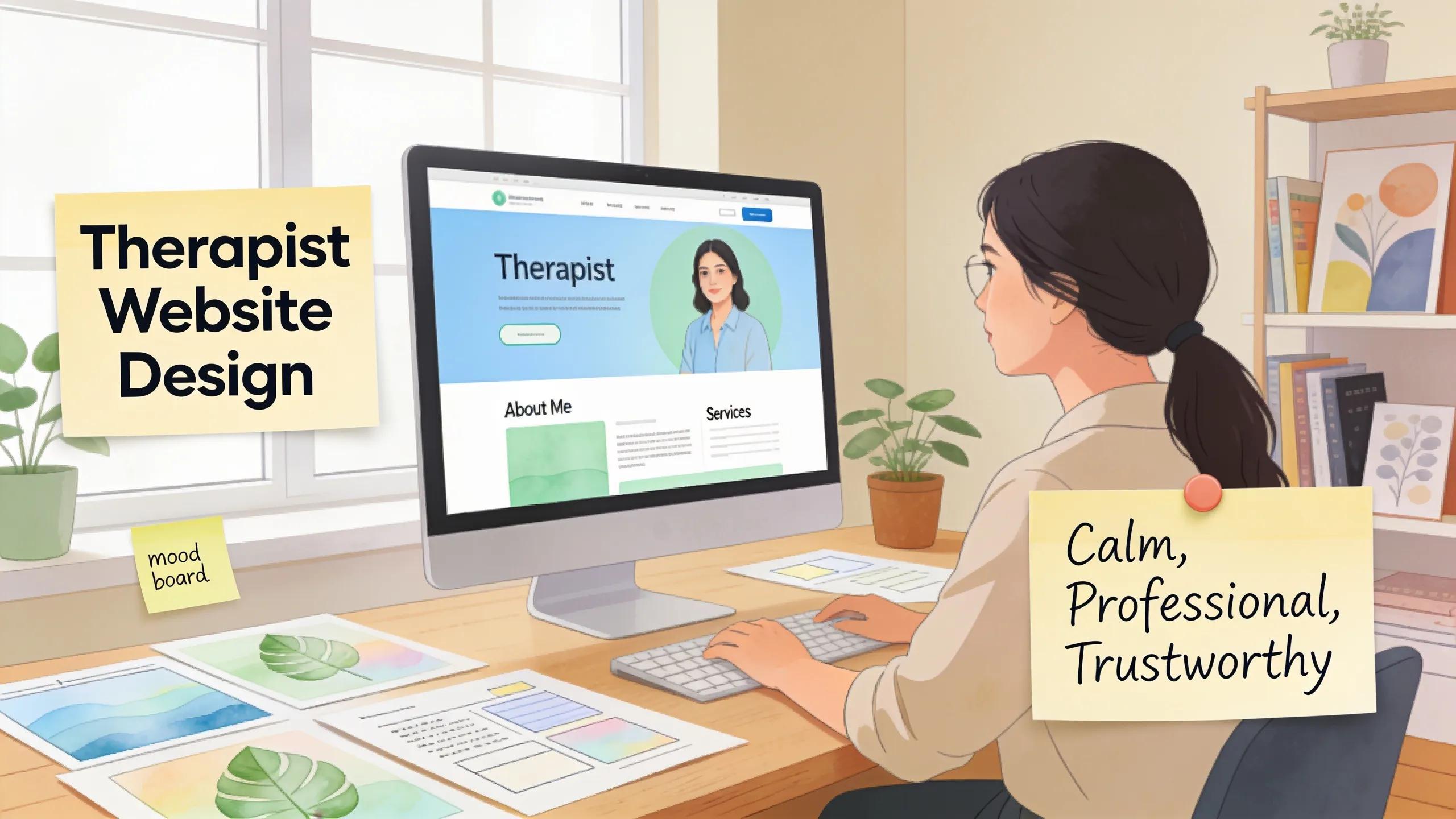
Custom web design gives therapists the ability to control branding, structure content for search, and implement features that support client intake and retention.
- Control Over Branding: A personalized design allows therapists to reflect their unique branding and mission accurately.
- Enhanced Visibility Through SEO: Properly optimized websites improve search engine visibility, ensuring therapists reach their target market more effectively.
- Long-term Growth Potential: A well-structured website can adapt to future needs, supporting marketing efforts and content updates as the practice grows.
A professional design builds trust, discoverability, and better conversion.
How Does Conversion Architecture Support Lead Generation Over Profile Listings?
Conversion architecture structures pages and user flows to prompt specific actions, converting visitors into booked appointments more reliably than passive directory listings.
- Clear Calls to Action: Strategic placement of calls to action prompts users to engage, whether it’s filling out a form or scheduling an appointment.
- User-friendly Booking Systems: Integrated scheduling systems make it easy for potential clients to set up appointments, which can increase conversion rates.
Conversion-focused design and integrated booking reduce friction and improve enquiries.
Which Strategies Can Therapists Use to Improve Google Ranking Beyond Directory Profiles?
Therapists can improve rankings by combining content marketing, backlink development, and technical SEO to build authority and consistent referral channels.
- Content Marketing: Regularly publishing relevant articles or blogs helps improve search visibility while establishing authority in the field.
- Backlinking: Building relationships with other professionals and websites can result in quality backlinks that enhance site credibility.
- Technical SEO: Ensuring that the website is technically sound can directly impact search rankings, making it easier for search engines to crawl and index the site.
Sustained coordination of these tactics will elevate a therapist’s profile and drive qualified traffic.
How to Optimize Your Online Presence with SEO Best Practices for Mental Health Professionals?
Mental health professionals should adopt core SEO best practices that ensure content relevance, technical stability, and local discoverability.
- Regular Content Updates: Consistency in updating content ensures that websites remain relevant and authoritative.
- Use of Local SEO Techniques: Optimizing for local search helps attract nearby clients searching for services.
These practices strengthen search performance and local reputation.
What Role Does Semantic SEO and Entity Optimization Play in Therapist Visibility?
Semantic SEO and entity optimisation align content with user intent and search engine understanding, improving relevance for nuanced queries.
- Understanding User Intent: Aligning content to match what users are searching for ensures relevance and engagement.
- Building Authority Through Content: Consistent, quality content helps establish a therapist’s authority in their area of expertise, boosting search rankings.
Semantic structure and authoritative content improve visibility and engagement.
What Are Common Questions About Therapist Directory SEO and Professional Web Design?
Therapists commonly question why directory profiles underperform and whether a dedicated website will deliver better long-term results.
- Why doesn’t my directory profile rank well?: Issues such as insufficient optimization and competition can severely affect rankings.
- Can SEO fully overcome directory limitations?: While SEO can improve visibility, a dedicated website is often more effective for long-term growth compared to directory reliance.
These questions point to a need for multi-channel strategies and owned web properties.
Why Doesn’t My Psychology Today Profile Rank Well on Google?
Psychology Today and similar platforms can limit visibility due to profile saturation and restricted customisation options.
- Profile Saturation: Many profiles can dilute individual visibility due to high competition.
- Control Issues with the Platform: Limited customization reduces the ability to optimize the profile fully.
Balance directory exposure with a tailored website optimised for search and conversion.
Can SEO Fully Overcome Directory Profile Ranking Barriers?
SEO can mitigate some limitations of directory listings but cannot always replicate the control and optimisation potential of a custom website.
- Comparing Profiles to Custom Websites: Professional websites offer better optimization opportunities and greater control over content.
- Long-term Effectiveness of SEO: Consistently applying robust SEO practices can yield significant improvements, although it requires ongoing effort.
Evaluate a combined approach: directories for reach, a website for sustained growth.
Frequently Asked Questions
1. How can therapists effectively use local SEO in their strategies?
Local SEO attracts nearby clients by optimising GBP, using location keywords, and encouraging reviews to improve local rankings and appointments.
2. What are some content marketing strategies for therapists?
Publish blog posts addressing common concerns, update resources regularly, and use multimedia where appropriate. Consistent topical content builds authority and organic traffic.
3. How important are backlinks for a therapist’s website?
Backlinks signal credibility and support rankings. Obtain quality links via collaborations, guest posts, and local partnerships to boost domain authority and referrals.
4. Should therapists prioritize their website over directory profiles?
Yes. A professional website offers greater control over branding, content, and user experience, making it a superior long-term asset for converting visitors into clients compared with standard directory pages.
5. What role does user experience play in website optimization for therapists?
User experience affects retention and conversions; clear navigation, fast load times and accessible information support higher appointment rates and SEO metrics.
6. How can therapists ensure their website is mobile-friendly?
Use responsive design, test on multiple devices, and optimise mobile performance to ensure easy booking on phones and tablets.
7. What emerging trends should therapists be aware of in online marketing?
Trends include more video content, conversational interfaces, and content for specific client questions and voice search. Monitoring trends helps practices stay discoverable.
Conclusion
Building a robust online presence requires a combination of tailored web design, disciplined SEO, and ongoing content strategy. These elements work together to overcome directory limitations, improve search visibility, and increase client bookings. Review available optimisation options and prioritise owned digital assets to achieve measurable practice growth.