Therapist Website Redesign Package: Expert Mental Health Website Design Services for Practice Growth
In today’s digital age, having an effective online presence is crucial for therapists who wish to grow their practices. A well-designed therapist website can enhance client engagement and streamline appointment bookings, catering to the needs of modern clients. This article explores the essential features of a therapist website redesign package, emphasizing its significance in promoting practice growth. As therapists face increasing competition, a revitalized online presence can help capture the attention of potential clients while establishing credibility and trust through effective design and functionality. From optimizing for mobile users to ensuring compliance with HIPAA regulations, we will cover the critical components necessary for a successful website makeover for therapists.
What Are the Essential Features of a Therapist Website Redesign Package?
A tailor-made therapist website redesign package encompasses several crucial features that enhance user experience and facilitate client interaction. These features provide therapists with the tools they need to foster connections and encourage bookings. Below are the must-have elements to consider in any redesign.
How Does HIPAA Compliance Influence Therapy Web Design?
HIPAA compliance is pivotal for therapist websites as it ensures the privacy and security of sensitive client information. This entails implementing features such as secure forms for client inquiries, encrypted communication channels, and clear privacy policies outlining data usage. Additionally, design elements must promote transparency while safeguarding data against potential breaches. For instance, displaying client reviews and testimonials must be balanced with confidentiality considerations. Collectively, these components help to foster trust between therapists and clients while adhering to legal standards.
What Role Does Responsive and Mobile-Friendly Design Play for Therapist Websites?
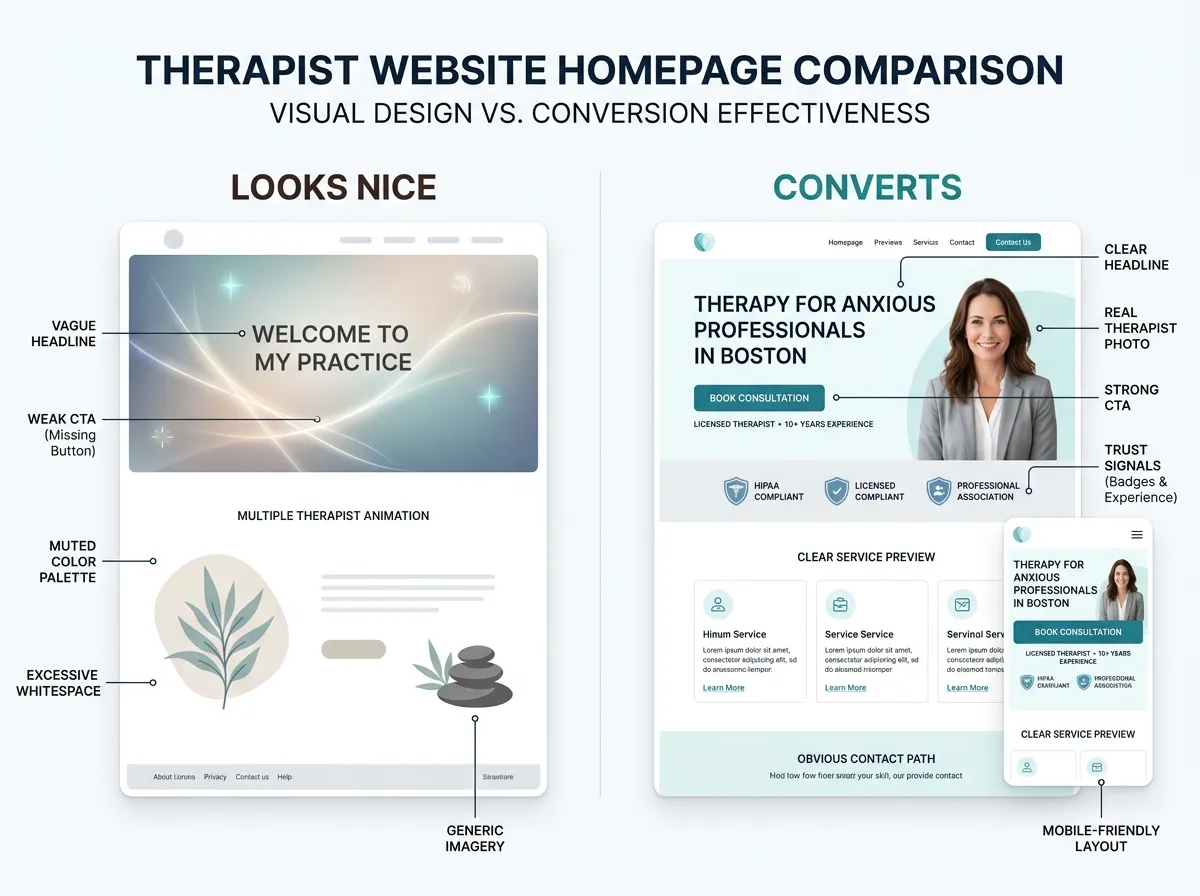
Responsive and mobile-friendly design is vital for therapist websites, especially as more clients access services through smartphones and tablets. Statistics show that mobile-use continues to rise, with approximately 54% of users preferring mobile-optimized sites for their accessibility. A responsive design adapts seamlessly to any screen size, enhancing user navigation and engagement. The lack of such adaptability may discourage potential clients, adversely affecting search engine rankings and overall visibility. Therefore, ensuring a mobile-responsive layout can significantly uplift user experience and accessibility.
How Does a Therapist Website Makeover Enhance Client Engagement and Booking?
A comprehensive website makeover can greatly enhance client engagement, creating user pathways that lead to higher booking rates. By integrating modern features, therapists can streamline the client experience, making it easier for potential clients to interact with their services. Clients benefit from user-friendly navigation, clear calls-to-action, and an aesthetically pleasing layout that promotes a sense of professionalism and trust.
Why Integrate Online Appointment Booking and Client Management Systems?
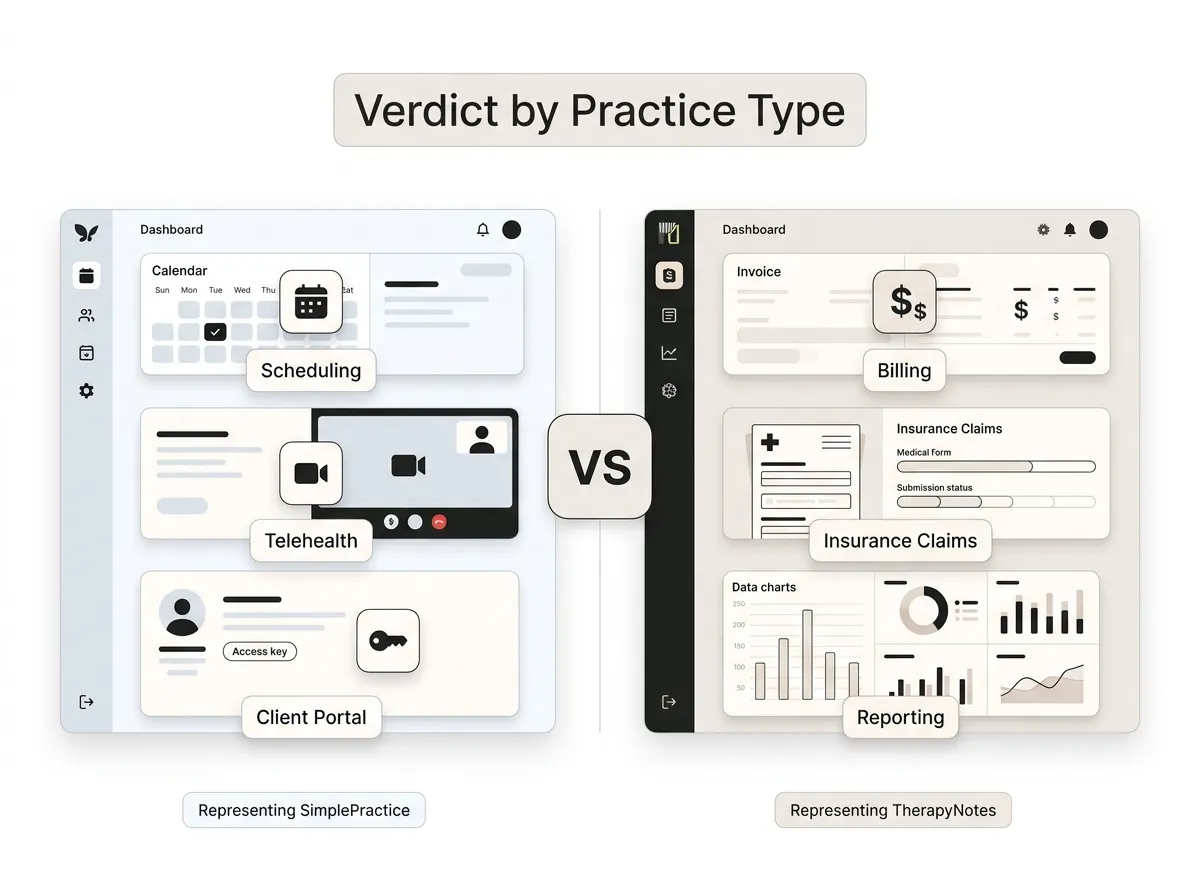
Integrating online appointment booking and management systems is essential for modern therapy practices. These systems provide clients with the convenience of scheduling appointments at their leisure, reducing the back-and-forth often associated with traditional booking methods. Furthermore, these platforms enhance time management for therapists, allowing them to focus on client care rather than administrative tasks. More importantly, the ease of online booking can significantly increase client retention and generate new leads.
What Client Experience Improvements Are Achieved through Clinical UX Strategies?
Clinical UX strategies focus on enhancing user experience through design elements specifically tailored for the healthcare sector. Key improvements include simplified navigation structures, intuitive layout designs, and well-structured content that addresses common client queries. Gathering feedback from clients about their experiences allows therapists to make data-driven decisions to enhance user journeys further. By prioritizing these UX strategies, therapists can create a more satisfying client experience that resonates positively with existing and prospective clients.
What Is the Investment Range and Pricing Structure for Therapist Website Redesign Services?
Understanding the investment range for therapist website redesign services can help therapists make informed decisions about potential packages. Costs can vary significantly based on the complexity of the redesign and the services offered, which may include custom web design, template customization, SEO optimization, and ongoing support. A transparent pricing structure allows therapists to find services that align with their budget and business objectives.
How Do Professional Therapist Site Templates Compare to Custom Web Development?
Professional therapist site templates offer a cost-effective solution versus custom web development, tailored to suit various needs. While templates often come pre-built with essential features geared towards therapists, custom websites provide a unique branding opportunity and functionality. On the other hand, custom designs allow for greater flexibility in terms of aesthetic choices and specialized features, accommodating specific practice demands. Costs may differ accordingly, with templates typically being the more economical option.
What Are Typical Therapist Web Development Costs and Package Options?
When evaluating web development costs, several factors come into play, including service scope, complexity, and market conditions. Typical packages may range from standard template designs starting at approximately $1,500 to fully customized solutions exceeding $10,000 based on personalization and added features. Clients should consider package options that align with their growth objectives and website requirements, enabling a comprehensive understanding of the investment needed for a successful redesign.
| Service | Description | Pricing |
|---|---|---|
| Therapist Template | Pre-designed website suited for therapists | From $1,500 |
| Custom Therapeutic Design | Fully customized website tailored to practice needs | From $10,000 |
| SEO Optimization | Services to enhance online visibility and ranking | Around $1,500 |
This table illustrates the various options available for therapist website redesign services, allowing practitioners to assess their choices based on investment and needs effectively.
Which SEO Best Practices Optimize Therapist Websites for Mental Health Practices?
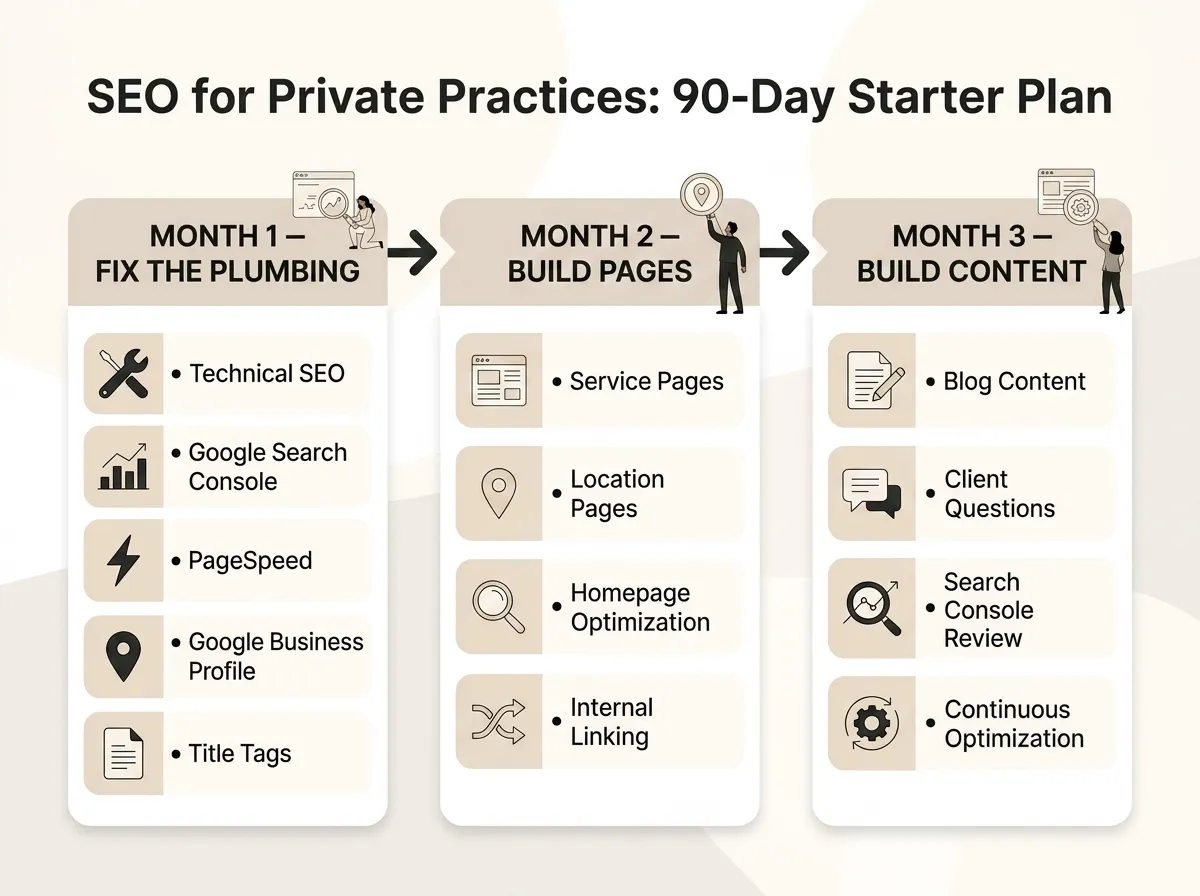
SEO best practices play a crucial role in enhancing the visibility of therapist websites, helping them maintain relevance in a competitive landscape. Prioritizing fundamental strategies such as keyword research, on-page optimization, and high-quality content creation ensures that websites perform better in search engine rankings. As a part of this process, focusing on local SEO is equally important for therapists aiming to attract clients within their geographic area.
How Does Semantic SEO Support Therapist Website Visibility and User Intent?
Semantic SEO strategies enhance website visibility by optimizing content relevance based on user intent. This approach involves understanding the context behind user queries and providing content that precisely addresses client needs. Utilizing structured data and optimizing for long-tail keywords can significantly improve search rankings and drive targeted traffic. By embracing semantic SEO principles, therapists can better align their websites with what clients are actively seeking.
What Content and Technical SEO Elements Are Critical for Therapist Sites in 2024-2026?
As we move towards 2024-2026, critical content and technical SEO elements become increasingly important. Therapists will need to focus on creating high-quality, informative content that resonates with their target audience while implementing technical optimizations, including website speed improvements, mobile responsiveness, and effective use of metadata. Regularly updating content to match current trends and client needs will further play a role in maintaining strong online visibility.
How Do Client Testimonials and Case Studies Demonstrate Success of Website Redesign Packages?
Genuine client testimonials and case studies illustrate the effectiveness of website redesign packages, showcasing tangible results achieved through professional services. Gathering real-world feedback allows prospective clients to envision their potential success and build trust in service offerings.
What Measurable Results Have Therapists Experienced Post-Redesign?
Post-redesign analytics often reveal significant improvements in practice engagement metrics. Therapists report increased website traffic, higher conversion rates, and enhanced user feedback. For example, some practices can see a booking increase by as much as 20% within six months of a redesign. These metrics highlight the importance of investing in an effective online presence.
How Are Video Testimonials Effectively Integrated to Build Practitioner Credibility?
Video testimonials provide a compelling way to engage users and enhance practitioner credibility. By sharing authentic client experiences, video testimony resonates on a personal level, drawing in potential clients more effectively than text-based feedback. Strategic placement of these videos on key website sections further enhances user engagement and can lead to improved conversion rates.
What Are Frequently Asked Questions About Therapist Website Redesign Packages?
Addressing common queries can help demystify the therapist website redesign process for practitioners considering this investment. Understanding the intricacies involved promotes informed decision-making.
What Does a Comprehensive Therapist Website Redesign Include?
A comprehensive therapist website redesign generally includes a new site structure, updated visuals, optimized content, and integrated features such as booking systems and marketing tools. By focusing on these components, the redesign can achieve both aesthetic and functional improvements.
How Long Does a Typical Therapist Website Redesign Project Take?
The timeline for a typical therapist website redesign varies based on complexity but generally spans a range of 6-12 weeks. This timeframe allows ample opportunity for revisions and adjustments based on therapist feedback while ensuring that the final product meets their objectives.