Why Directory Profiles Fail the Smartphone Test: Mobile Therapist Website Design Insights and Solutions
Many therapists find directory profiles inadequate on smartphones because these platforms often offer poor mobile experiences that reduce client engagement. This article summarizes the main usability problems and shows how responsive web design and practical fixes can create a smoother client experience.
The key challenges in mobile therapist website design include:
Therapists who rely on directory profiles face recurring problems tied to profile structure and limited customization.
- Dependence on Directory Traffic: Relying only on directory referrals is unpredictable and may not produce steady client flow.
- Limited Control Over Content: Generic fields restrict how therapists describe services, qualifications, and specialties.
- Generic Branding: Templates often remove personality, making it hard to connect with prospective clients.
- Lack of Booking Integration: Many listings don’t support seamless booking or scheduling from mobile devices.
- User Experience Issues: Poor navigation and slow loading on mobile discourage interaction.
Recognizing these challenges is the first step to improving engagement and strengthening a therapist’s online presence.
What Technical Factors Cause Directory Profiles to Fail Smartphone Usability?
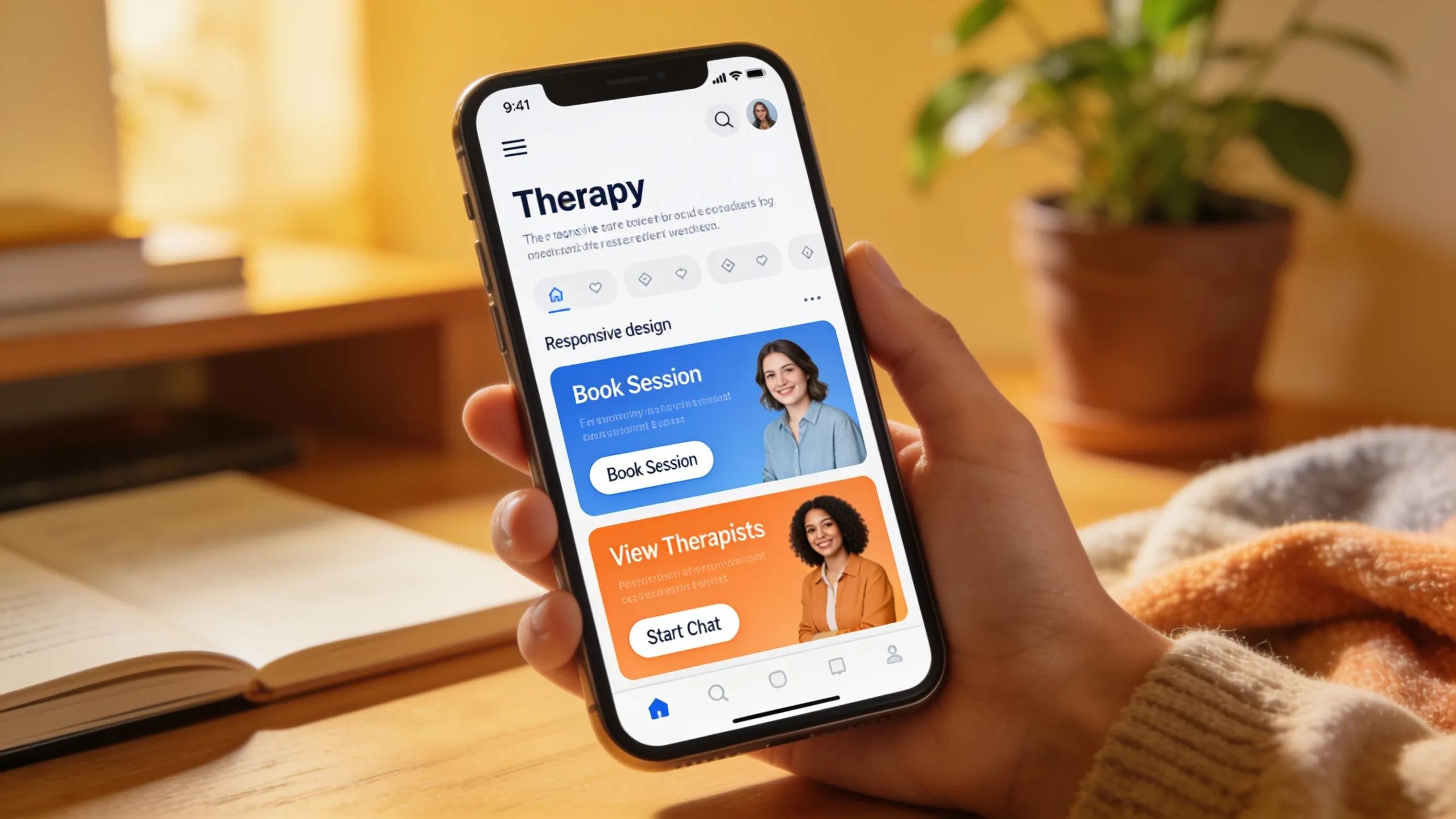
Technical limitations determine how usable a profile is on phones; many listings are not optimized for small screens or speed.
- Slow Loading Times: Heavy assets and unoptimized media raise load times and increase abandonment.
- Poor Navigation: Fixed or cluttered layouts make key details hard to find on a small screen.
- Lack of Personalization: Few platforms allow tailored content that highlights a therapist’s niche.
Addressing these gaps reduces friction and helps potential clients complete actions like contacting or booking.
How Do Slow Loading Times Impact Mobile Therapist Website Performance?
Slow pages increase bounce rates and reduce the chance a visitor will stay; optimizing images and streamlining code directly improves retention.
Why Are Fixed Layouts and Poor Navigation Common in Therapy Directory Profiles?
Directories often use rigid templates that don’t adapt to varying screen sizes; responsive design and clearer navigation patterns restore accessibility.
What Are the Limitations of Therapist Directory Profiles on Mobile Devices?
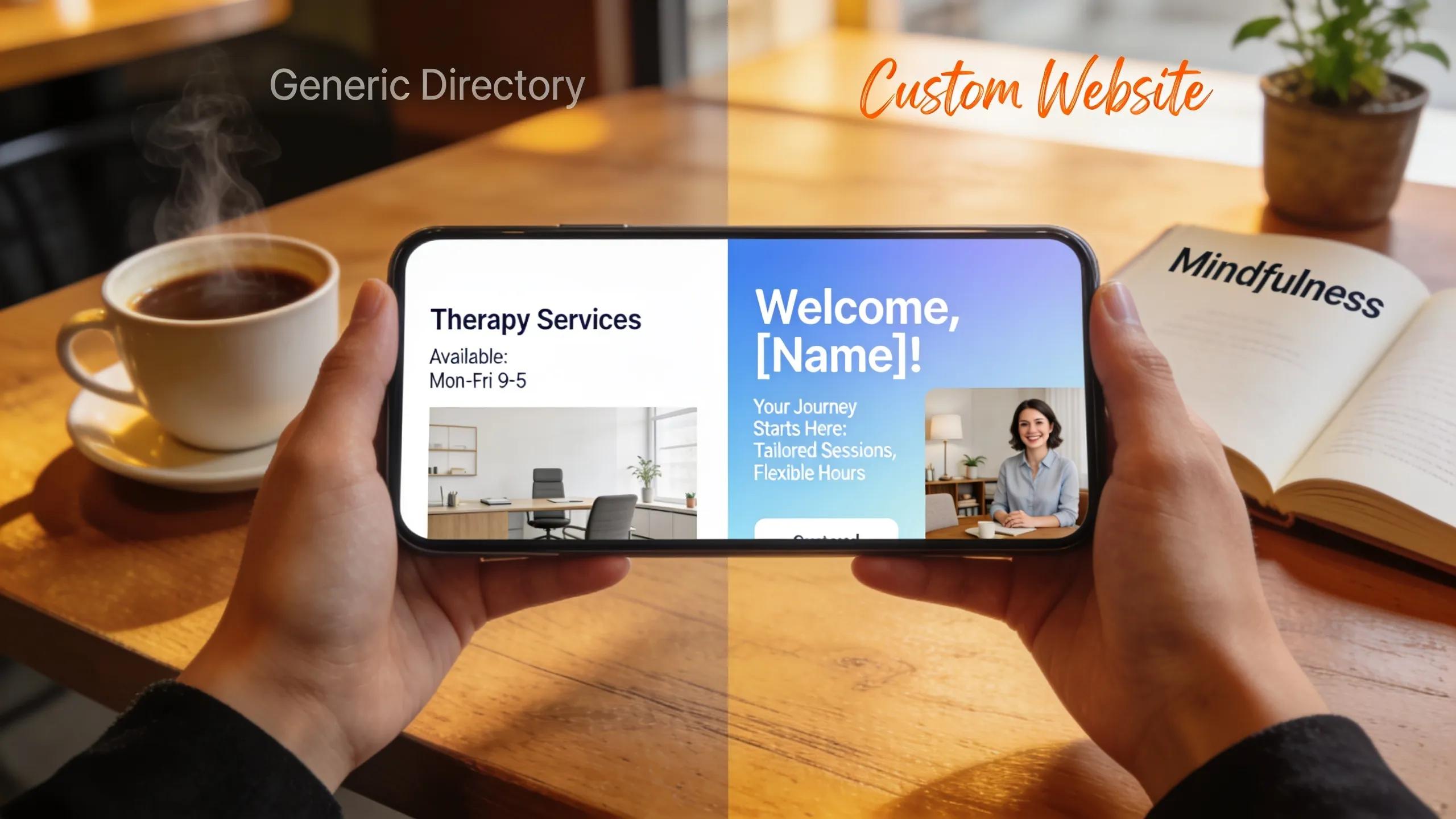
Built-in constraints of directory listings can hinder client acquisition on phones.
- Generic Content: Stock descriptions make it harder to stand out and connect with the right clients.
- Accessibility Challenges: Many profiles don’t meet diverse accessibility needs on mobile.
- Limited Interaction Opportunities: Few interactive tools on listings reduce chances to engage visitors.
These limits make a case for a dedicated, mobile-optimized website that supports varied audiences.
How Does Non-Responsive Design Affect Therapist Website Accessibility for Clients?
Non-responsive layouts can make text and controls unreadable or hard to use; responsive techniques ensure content adapts and remains usable on any device.
Why Do Therapy Directory Profiles Lack Personalization and Lead Conversion Features?
Directory fields are often generic and omit conversion tools like testimonials, tailored service pages, or direct booking, which a custom site can provide to improve conversions.
How Does Responsive Web Design Enhance Mobile Usability for Therapist Websites?
Responsive design addresses many directory shortcomings by adapting layout and content for smaller screens and improving performance.
- Improved User Experience: Adaptable layouts make content readable and navigation intuitive across devices.
- SEO Benefits: Mobile-friendly sites tend to rank better in search results, increasing discoverability.
- Enhanced Aesthetics: A well-designed responsive site reinforces brand credibility and professionalism.
These improvements support discovery, trust, and client retention.
What Best Practices Improve Mobile Therapist Website User Experience?
Implement focused design choices to improve the mobile journey:
- Simplified Navigation: Clear menus and prioritised content reduce unnecessary scrolling.
- Quick Loading Times: Compress images and remove unused scripts to speed pages.
- Mobile-Optimized Booking Systems: Embed booking tools that work smoothly on phones.
Applied together, these practices increase engagement and bookings.
How Does Mobile Optimization Increase Client Engagement and Booking Rates?
Reducing friction in the mobile user flow—faster pages, clear CTAs, and streamlined booking—raises the chance a visitor will make contact or schedule an appointment.
How Can Therapists Overcome Directory Profile Failures with Custom Mobile-Friendly Websites?
Investing in a custom mobile-first site lets therapists address listing limitations and meet practice-specific needs.
- Build Personalized Websites: Custom sites reflect brand, specialties, and the therapist’s voice.
- Integrate Immediate Booking Systems: Built-in booking improves conversion by removing steps between interest and appointment.
- Utilize SEO Strategies: Targeted SEO helps attract the right client searches to the site.
This approach produces a clearer, more actionable online presence.
What Advantages Do Mobile Optimized Therapy Sites Offer Over Directory Profiles?
Custom sites offer clear benefits:
- Brand Differentiation: Unique design and messaging set therapists apart.
- Comprehensive Content Control: Full control over copy, pages, and resources tailored to clients’ needs.
- Flexible Functionality: Add booking, payments, and client resources natively to the site.
These capabilities help attract and retain clients more effectively than standard listings.
How Does Therapeia Web Design Address Mobile Usability Challenges for Therapists?
Therapeia Web Design delivers mobile-first sites for therapists, counselors, life coaches, and wellness professionals, focusing on responsive UX, fast performance, and practical features that improve visibility and client engagement.
Frequently Asked Questions
What are the key benefits of having a custom mobile-friendly website over a directory profile?
A custom site gives clearer brand differentiation, full content control, and integrated features (booking, payments, resources) that improve client acquisition and retention compared with generic profiles.
How can therapists ensure their websites remain efficient and user-friendly?
Keep sites optimized: monitor load times, refine navigation, maintain responsive layouts, and update content and features regularly.
What role does SEO play in mobile therapy websites?
SEO increases visibility on search engines; use relevant keywords, meta tags, and mobile usability best practices to drive appointment enquiries.
Can integration of social media improve client engagement for therapists?
Yes—strategic social links and shared content build community and direct traffic to the website, encouraging enquiries and bookings.
What specific design elements should therapists focus on for mobile optimization?
Prioritize responsive layouts, simplified navigation, fast-loading pages, clear typography, and large tap targets for touch interaction.
How can therapists measure the effectiveness of their mobile website?
Track analytics: monitor traffic, bounce rate, session duration, and conversions such as enquiries or booked appointments to gauge performance.
Conclusion
Moving from generic directory listings to a custom mobile-friendly website gives therapists greater control over branding, content, and client experience. By applying responsive design, performance optimization, and targeted SEO, therapists can improve mobile usability, increase bookings, and grow their practice.